
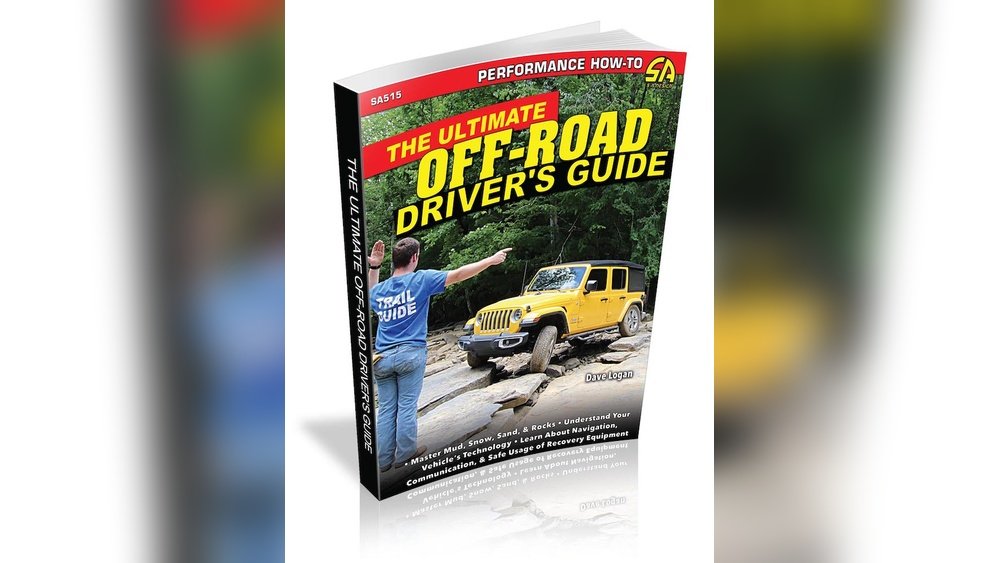
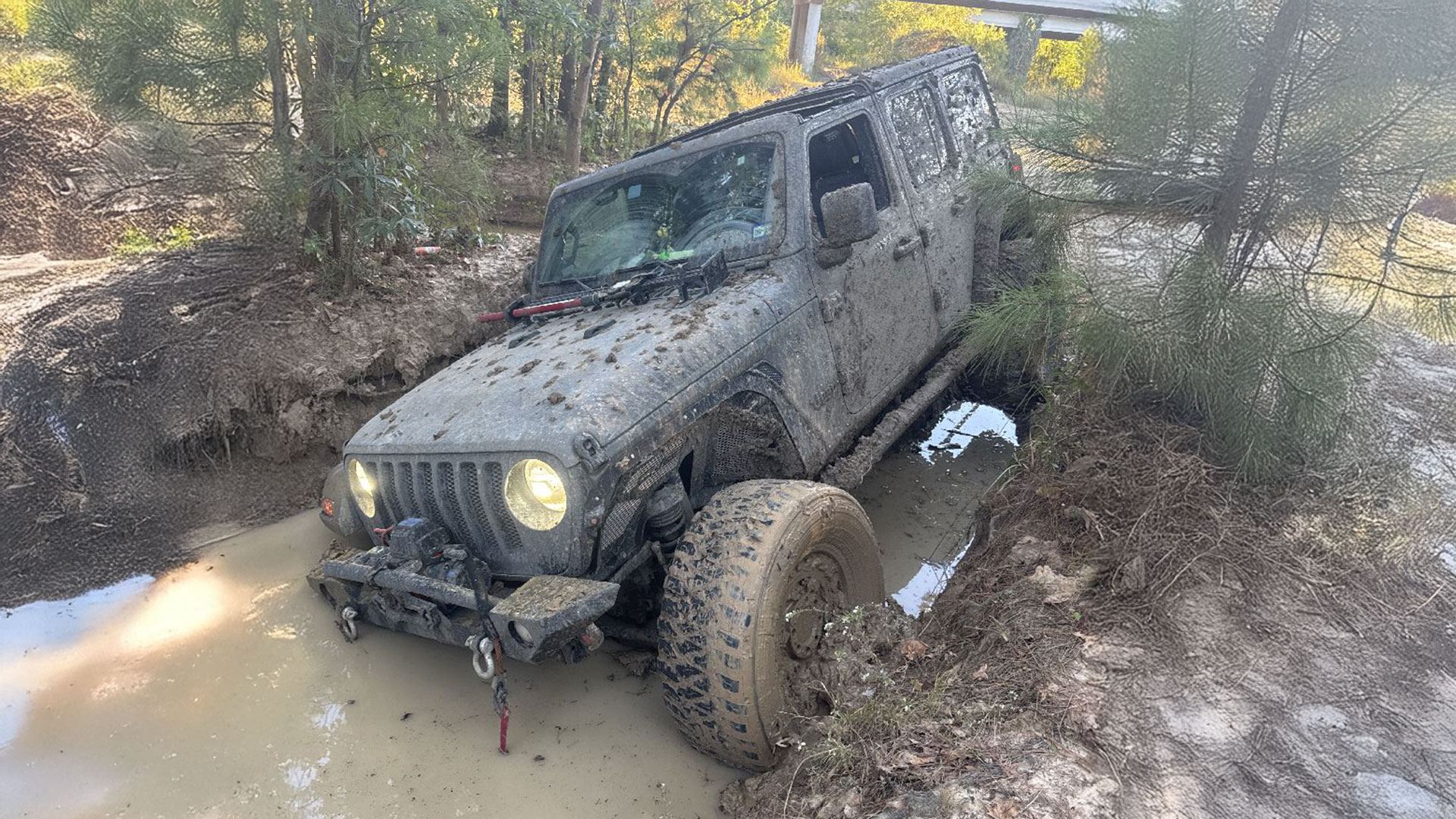
Getting a Jeep stuck in deep mud can be a frustrating and stressful experience, especially if you are off-roading far from help. Mud recovery is a skill every Jeep owner should learn, not just for fun but for safety. With the right approach and tools, you can recover your Jeep without damaging your vehicle or getting yourself into trouble.
This guide explains practical steps, equipment, and tips to help you handle a muddy situation with confidence, whether you are a weekend adventurer or a first-time off-roader.
Understanding Why Jeeps Get Stuck In Mud
Jeeps are built for tough terrain, but even the best off-road vehicles have limits. Mud can trap a Jeep for several reasons:
- Tire tread fills up with mud, losing grip on the ground.
- Weight distribution changes as wheels spin, digging deeper.
- Soft, deep mud creates suction, making it hard to pull out.
- Inexperienced driving techniques can make things worse.
Mud is not just wet dirt. It behaves almost like a fluid, and when tires spin, they can sink in quickly. Understanding these basics helps you make smarter decisions before and after you get stuck.
Essential Equipment For Mud Recovery
Before you head into muddy terrain, check your gear. The right equipment makes recovery faster and safer.
| Equipment | Why It’s Important |
|---|---|
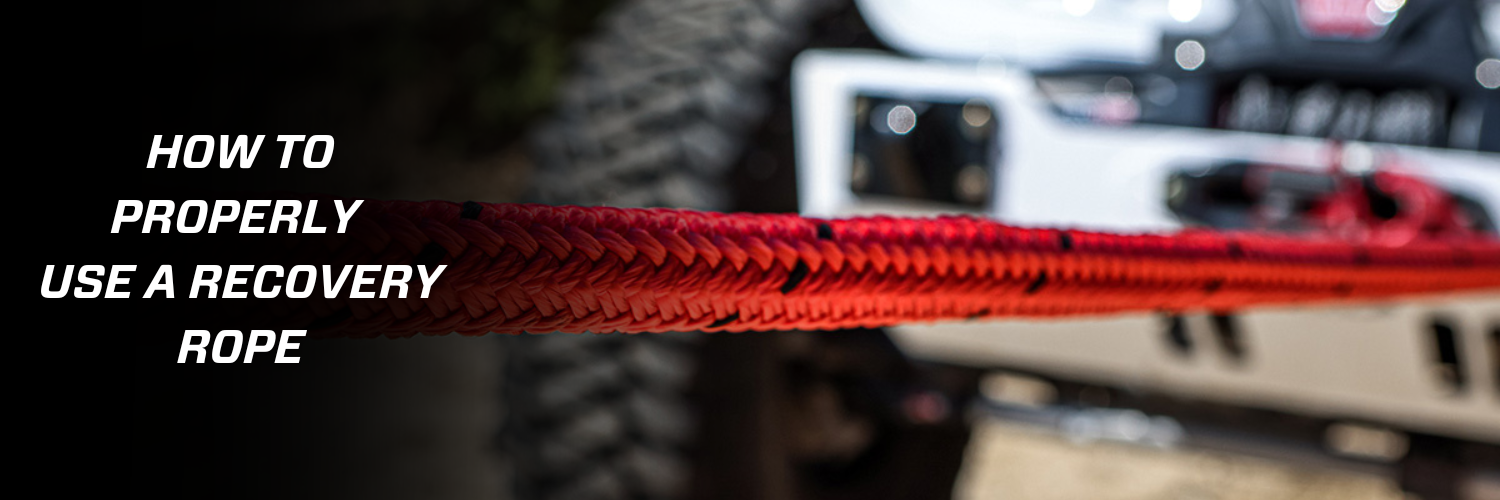
| Recovery straps (snatch straps) | Stretch and pull vehicle free without damaging hooks |
| Winch | Strong pulling power when anchored to a tree or another vehicle |
| D-rings/shackles | Connect straps securely to recovery points |
| Traction boards | Add grip under tires on soft surfaces |
| Shovel | Clear mud from around tires and underbody |
| Gloves | Protect hands during recovery operations |
| Hi-lift jack | Lift vehicle to place boards or fill holes |
| Air compressor | Re-inflate tires after airing down |
| Tire deflator | Lower tire pressure for better traction |
| Tree strap | Anchor winch to trees without causing damage |
Carry at least the basics: a shovel, recovery strap, and traction boards. A winch is best for solo adventures.
Credit: www.prpseats.com
Assessing The Situation Before Recovery
Stop and think before you act. Many Jeep owners make things worse by panicking or rushing.
- Step out and inspect: Check how deep the Jeep is stuck and which wheels have traction.
- Look for hazards: Mud holes may hide rocks, water, or deep ruts.
- Check your surroundings: Identify solid anchor points like trees or rocks.
- Evaluate your recovery options: Decide if you need help or can recover solo.
Sometimes, simply waiting can help. Mud can drain, making recovery easier after a few minutes.
Techniques To Recover A Jeep From Deep Mud
Different situations need different techniques. Below are the most reliable methods, step by step.
1. Reduce Tire Pressure
Lowering tire pressure increases the surface area touching the mud. This spreads the Jeep’s weight and helps tires grip instead of digging.
- Drop pressure to 12–18 psi for most all-terrain tires.
- Use a tire deflator for accuracy.
- Do not go below the tire manufacturer’s safe limit.
Pro tip: Lower pressure before you get stuck, not after. It’s much easier to avoid trouble than fix it.
2. Rocking The Vehicle
“Rocking” means gently moving the Jeep forward and backward to build momentum.
- Shift into low gear (4L if possible).
- Press the accelerator lightly to move forward.
- Switch to reverse and repeat.
- Do not spin the tires fast—this can dig deeper.
- If you move a little, keep rocking until you’re on firmer ground.
If you see the Jeep sinking further, stop and try another method.
3. Use Traction Boards
Traction boards are tough plastic or metal ramps designed to help tires grip.
- Clear mud from in front of (or behind) the tires with a shovel.
- Wedge the boards under the tires.
- Shift into low gear and gently accelerate.
- If you move forward, keep going until you reach hard ground.
Boards can break if used wrong. Place them flat and avoid spinning tires fast.
4. Digging Out
Sometimes, a shovel is your best tool.
- Remove mud from around the tires and under the Jeep.
- Clear a path several feet in front of each tire.
- Fill deep ruts with sticks, rocks, or even floor mats for extra support.
- Dig out the exhaust area if it’s blocked.
This method takes time but is often the safest way to avoid damage.
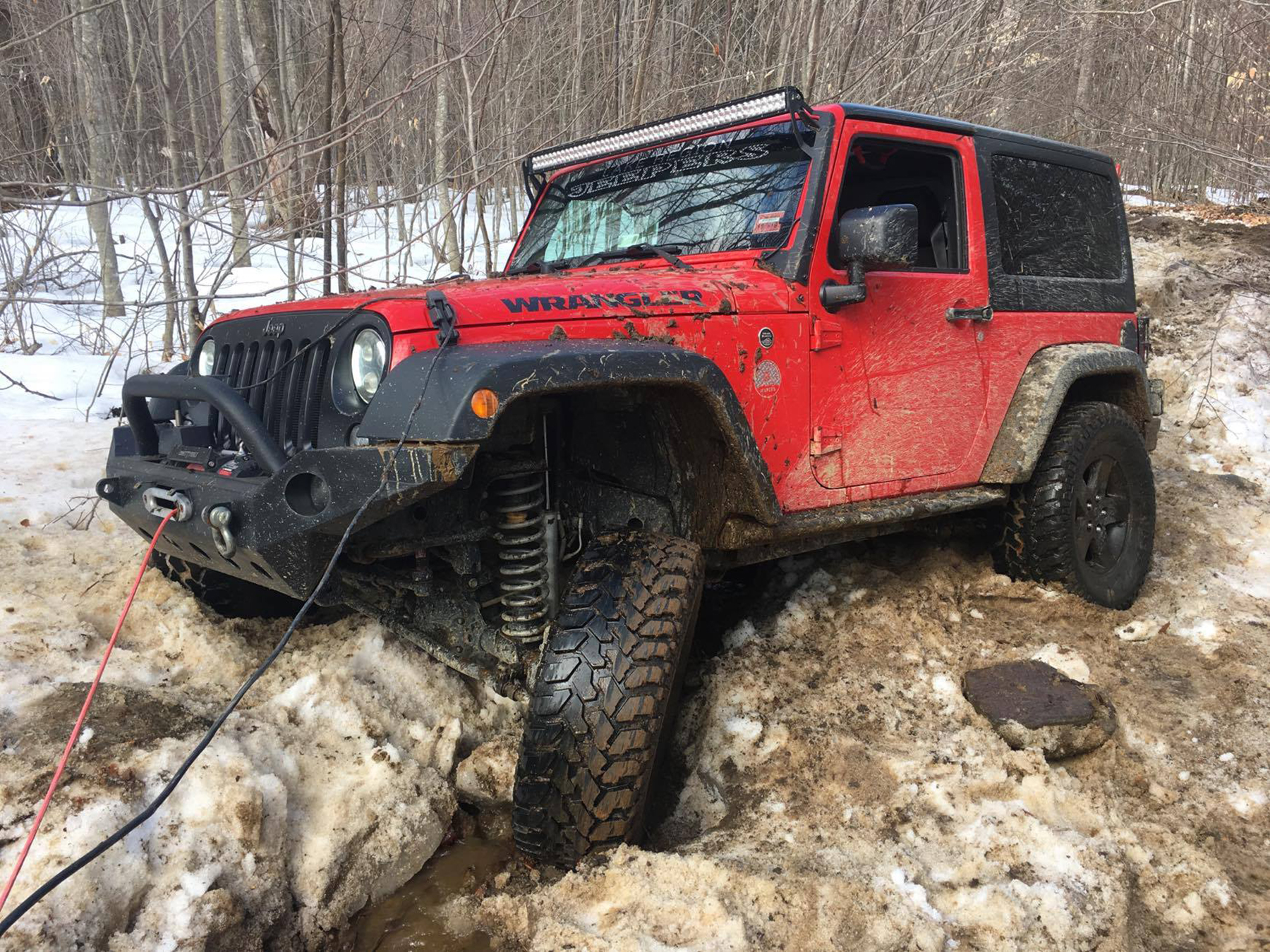
5. Winching
A winch is the most reliable solo recovery tool.
- Find a strong anchor (tree, rock, or another vehicle).
- Attach a tree strap to prevent bark damage.
- Connect the winch cable to the strap with a shackle.
- Keep everyone away from the cable while pulling.
- Winch slowly, stopping if the Jeep starts to slide sideways.
- Use a winch damper (a heavy blanket or bag) on the line for safety.
Winching needs practice. Learn the controls before you’re stuck in mud.
6. Using A Recovery Strap
A recovery strap uses the pulling power of another vehicle.
- Attach the strap to proper recovery points on both vehicles.
- Never use tow balls—they can snap and cause injury.
- The pulling vehicle should move forward slowly, not jerk.
- The stuck Jeep should help by gently accelerating.
- Stop if the strap stretches too much or you feel resistance.
Never stand near a tight recovery strap. If it breaks, it can cause serious injury.
7. High-lift Jack And Fill
A hi-lift jack can raise your Jeep out of deep mud.
- Place the jack on a solid base (a board or traction mat).
- Lift one wheel at a time.
- Fill the hole under the tire with rocks, branches, or anything solid.
- Lower the Jeep onto the new surface.
- Repeat for other wheels if needed.
This method is slow but effective when nothing else works.
Credit: www.quadratec.com
Preventing Damage During Recovery
Mud recovery is risky for both your Jeep and your body. Here’s how to stay safe.
- Never attach straps to bumpers, axles, or steering components.
- Use rated recovery points only.
- Wear gloves when handling cables or winches.
- Keep bystanders at least 1.5 times the length of the recovery strap or winch cable away.
- Check for transmission overheating if you try rocking for too long.
- After recovery, clean mud from brakes, wheels, and undercarriage to prevent rust.
Many beginners forget to inspect for damage after getting unstuck. Mud hides broken parts and leaks.
Common Mistakes To Avoid
Even experienced drivers can make errors in mud. Watch out for these:
- Spinning tires too fast: This digs you deeper and makes recovery harder.
- Improper attachment points: Bumpers and suspension parts can break.
- Using the wrong gear: High gear causes more wheelspin. Use low range (4L).
- Standing near recovery gear: Recovery straps and cables can snap violently.
- Ignoring water depth: Muddy water can hide deep ruts and engine-damaging hazards.
- Not airing down tires: Hard tires cut through mud instead of floating on top.
- Failing to carry recovery gear: Even basic tools can make a big difference.
Real-world Example: Jeep Recovery In Mississippi Mud
Let’s look at a real scenario. In 2021, a group of Jeep owners near Jackson, Mississippi, got stuck in a deep mud hole after heavy rain. They followed these steps:
- Assessed the situation: Walked around the Jeep to check how deep it was.
- Used a shovel to clear mud from the tires.
- Aired down tires to 14 psi.
- Placed traction boards under the rear tires.
- Tried rocking the Jeep but made little progress.
- Used a winch attached to a tree 30 feet away.
- Winched slowly, pulling the Jeep free after five minutes.
The key lessons: patience, proper gear, and teamwork made all the difference.
Table: Comparison Of Mud Recovery Methods
Here’s a quick look at how common recovery methods compare for deep mud situations.
| Method | Solo or Team | Speed | Equipment Needed | Risk Level |
|---|---|---|---|---|
| Winching | Solo or Team | Medium | Winch, anchor, strap | Medium (cable snap risk) |
| Recovery Strap | Team | Fast | Strap, shackles | High (strap recoil) |
| Traction Boards | Solo | Medium | Boards, shovel | Low |
| Rocking Vehicle | Solo | Slow | None | Low |
| Hi-Lift Jack | Solo or Team | Slow | Jack, base | Medium (jack tip risk) |
Each method has pros and cons. Choose based on your tools, location, and how many people you have.
Preparing Your Jeep For Muddy Conditions
Preparation is as important as recovery. Before you hit the trail, make sure your Jeep is ready.
Tire Selection
- Mud-terrain tires have larger gaps and self-clean better than all-terrain tires.
- Check tread depth before every trip.
- Avoid bald or worn tires, which lose grip fast.
Recovery Points
- Install rated recovery points front and rear.
- Never use tie-down loops as recovery points.
- Make sure all bolts are tight and rust-free.
Electrical And Engine Protection
- Use a snorkel if you expect deep water crossings.
- Waterproof important connections with dielectric grease.
- Carry spare fuses and check engine air intake after deep mud.
Packing The Right Gear
- Bring extra traction boards, recovery straps, and a shovel.
- A portable air compressor helps reinflate tires after recovery.
- Carry basic tools and a first aid kit.
Go With A Buddy
- Off-roading is safer with at least one other vehicle.
- If you must go alone, tell someone your route and estimated return time.
What To Do If You Can’t Recover Your Jeep
Sometimes, mud wins. If you’ve tried all standard methods and your Jeep is still stuck:
- Do not keep spinning the tires. You can burn out your transmission.
- Call for professional help. Many tow companies have off-road recovery services.
- Mark your location with GPS.
- Wait safely away from the vehicle if water is rising.
Abandoning your Jeep should be a last resort, but safety comes first.
Credit: offroadportal.org
How Mud Affects Your Jeep After Recovery
Mud doesn’t just slow you down—it can cause lasting damage if not cleaned properly.
Cleaning And Inspection
- Wash the undercarriage, wheels, and brakes as soon as possible.
- Inspect for cracked brake lines, broken sensors, and leaks.
- Grease all joints and moving parts after a deep mud bath.
Maintenance
- Change fluids if water entered the engine, transmission, or differentials.
- Check wheel bearings and CV joints for grit.
- Replace air filters if they got wet or muddy.
Ignoring these steps can lead to expensive repairs months later.
Table: Jeep Components Most Affected By Mud
This overview shows which parts need special attention after a mud recovery.
| Component | Potential Issue | Recommended Action |
|---|---|---|
| Brakes | Mud buildup, reduced stopping power | Flush with water, test brakes |
| Axles/Differentials | Water contamination | Check and change fluids |
| Air Intake | Blocked with mud | Inspect and clean filter |
| Suspension | Grit in joints | Wash and re-grease |
| Undercarriage | Rust, mud packed in corners | Pressure wash thoroughly |
If you often drive in mud, regular checks will keep your Jeep reliable for years.
Advanced Tips For Experienced Off-roaders
Once you master basic recovery, try these advanced strategies:
- Double winching: Use a snatch block to change pull direction or double pulling force.
- Bridging ladders: For extra-soft mud, bridge boards across the worst sections.
- Weighted recovery gear: Carry a heavy bag to place on straps or cables for added safety.
- Mud tire chains: In extreme mud, tire chains can boost traction but may damage trails.
- Remote winch control: Stand safely to the side while operating the winch.
Insider tip: Off-roaders sometimes use “buddy recovery” where two vehicles pull together. This requires strong communication and experience to avoid accidents.
Environmental Considerations
Recovering a Jeep from mud isn’t just about your vehicle. Deep mud holes can damage trails and harm local ecosystems.
- Use tree straps to avoid damaging bark.
- Avoid creating new ruts or widening existing mud holes.
- Pack out all trash, including broken straps or boards.
- Stay on marked trails whenever possible.
If you’re off-roading on public land, follow guidelines from groups like Tread Lightly! to protect the environment for future adventures.
Frequently Asked Questions
What Should I Do First When My Jeep Gets Stuck In Mud?
The first thing is to stop spinning the tires. Get out, inspect how deep you are, and check which wheels have traction. Decide on the safest recovery method based on your tools and surroundings.
Is It Better To Air Down Tires Before Or After Getting Stuck?
It’s much better to air down before entering a muddy area. Lowering the pressure increases grip and reduces the chance of getting stuck. If you forgot, you can still air down after, but you may need to dig out first.
Can I Use A Regular Tow Strap Instead Of A Recovery Strap?
No, you should use a proper recovery strap (also called a snatch strap). Tow straps are not designed to stretch and can snap or damage recovery points. Recovery straps are made to handle the sudden forces involved.
How Do I Know If My Winch Is Strong Enough?
Check your winch’s rating. It should be at least 1.5 times your Jeep’s gross vehicle weight. For example, if your Jeep weighs 4,000 pounds, use a 6,000-pound (or higher) winch for safety.
What Should I Check On My Jeep After Getting Unstuck From Mud?
Clean the undercarriage, brakes, and wheels. Inspect for damage to lines, joints, and the air intake. Change fluids if you suspect water entered the engine or differentials. Regular checks prevent costly repairs later.
Getting stuck in deep mud is part of the adventure for many Jeep owners. With the right gear, techniques, and attitude, you can recover safely and keep exploring. Remember, preparation and patience are your best tools. If you treat every recovery as a learning experience, your skills—and your Jeep—will take you further every time.