
Horse nettle weed is a tough enemy for gardeners, farmers, and anyone who wants a healthy, safe yard or field. With its sharp spines, deep roots, and toxic berries, horse nettle can quickly take over, hurting crops, pets, and even people. Many try to pull it up, only to see it return stronger than before. If you have ever dealt with this stubborn weed, you know it is not a simple problem. But with the right knowledge and tools, you can get rid of horse nettle and keep your land clean and safe.
In this guide, you will learn exactly what horse nettle is, why it is so hard to control, and the most effective ways to remove it for good. Whether you want to use natural methods, herbicides, or a mix of both, you’ll find step-by-step advice, real examples, and answers to common questions.
Say goodbye to confusion and wasted effort—read on to finally win the fight against horse nettle weed.
What Is Horse Nettle Weed?
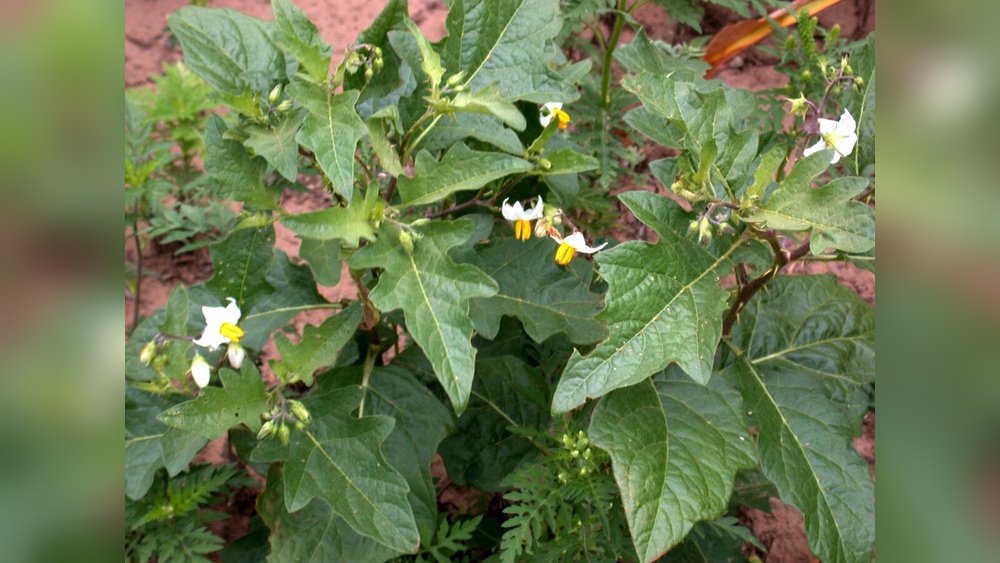
Horse nettle (Solanum carolinense) is not a true nettle but a member of the nightshade family. It is native to North America but now grows in many parts of the world. Horse nettle can be found in fields, gardens, roadsides, and even pastures. Its appearance is often confused with other weeds, but certain features set it apart.
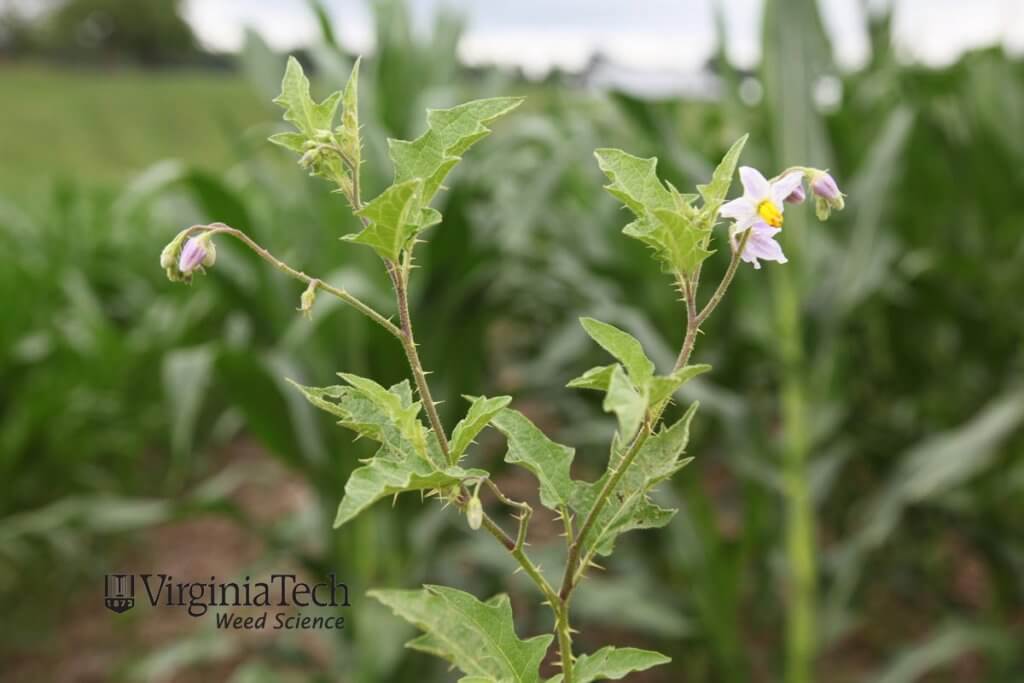
- Leaves: Wavy edges, 2–4 inches long, covered with sharp spines.
- Flowers: Small, star-shaped, white or pale purple with yellow centers.
- Berries: Green when young, turning yellow as they ripen. All parts, especially the berries, are toxic to humans and animals.
- Roots: Deep, spreading, and very hard to pull out completely.
Horse nettle is more than just a nuisance. It can poison livestock, cause painful skin irritation, and reduce the value of crops and land.
Why Is Horse Nettle So Hard To Remove?
Many people wonder why horse nettle is so persistent. The main reason is its strong root system. Unlike weeds that only spread by seed, horse nettle also grows new shoots from underground roots called rhizomes. If you leave even a small piece of root in the soil, it can regrow. Here are some key challenges:
- Deep roots: Roots can reach 2 feet or more underground.
- Resistant to mowing: Cutting it down only removes the top; roots remain healthy.
- Spiny defenses: Sharp thorns discourage hand pulling.
- Toxicity: Handling without gloves can cause skin irritation.
Because of these traits, simple methods like mowing or shallow digging rarely work. A more strategic approach is needed.
Identifying Horse Nettle: Don’t Confuse It
Proper identification is the first step to control. Many people mistake horse nettle for other weeds like nightshade, stinging nettle, or even some thistles. Here’s a quick comparison:
| Feature | Horse Nettle | Stinging Nettle | Nightshade |
|---|---|---|---|
| Family | Nightshade | Nettle | Nightshade |
| Spines | Yes (stiff, on stems and leaves) | No (tiny hairs, not true spines) | No (usually smooth stems) |
| Flower Color | White/pale purple | Greenish | Purple/white |
| Berries | Yellow, round, toxic | None | Black/red, toxic |
| Leaf Shape | Wavy, pointed, spiny | Serrated, soft | Oval, not spiny |
If you are unsure, compare the leaves and stems closely. Horse nettle’s thick spines and yellow berries are unique.
The Dangers Of Horse Nettle Weed
Many people focus on horse nettle’s ugly appearance, but its real risk lies in its toxicity. All parts of the plant contain solanine, a poison that can harm:
- Livestock: Horses, cows, sheep, and goats can suffer from mouth sores, stomach pain, and even death if they eat enough.
- Pets: Dogs and cats may vomit or have seizures after eating berries.
- Humans: Skin contact can cause a rash. Eating berries is dangerous, especially for children.
There are also indirect risks. Horse nettle can crowd out crops, reduce hay quality, and even lower the value of your property.

Credit: extension.psu.edu
Step-by-step: How To Get Rid Of Horse Nettle Weed
Controlling horse nettle takes patience and the right method. Here is a detailed, step-by-step plan that works for yards, gardens, and larger fields.
Step 1: Wear Proper Protection
Before you start, always wear thick gloves, long sleeves, and pants. Horse nettle spines can pierce skin and cause pain or allergic reactions.
Step 2: Remove Young Plants By Hand
If you catch horse nettle early, before it is well-established, you can dig it out. Here’s how:
- Water the soil to soften it.
- Use a sharp shovel or digging fork.
- Dig deep—at least 12–18 inches—to get the whole root.
- Pull slowly to avoid breaking the root.
- Dispose of all plant parts in the trash (not compost).
Tip: If you break the root, new plants can sprout. Revisit the area in a few weeks to check for regrowth.
Step 3: Use Mulch To Block Growth
After removal, cover the area with a thick layer of mulch (wood chips, straw, or cardboard). Mulch blocks sunlight, making it harder for new shoots to grow.
- Use at least 4–6 inches of organic mulch.
- Reapply mulch as it breaks down.
- Monitor for any shoots pushing through.
Step 4: Repeated Mowing For Larger Areas
In fields or large lawns, mowing can help control horse nettle, but it is not a one-time fix.
- Set your mower high to avoid spreading seeds.
- Mow every 2–3 weeks during the growing season.
- Collect and dispose of clippings if possible.
Mowing alone will not kill the roots but will stop the plant from flowering and seeding, reducing spread over time.
Step 5: Targeted Herbicide Application
For stubborn or widespread infestations, herbicides may be needed. Choose a product that is effective against perennial broadleaf weeds.
Common options:
- Glyphosate: Non-selective; kills all plants it touches.
- Triclopyr: Targets broadleaf weeds, less harmful to grasses.
- 2,4-D: Often used in pastures; follow label instructions.
How to apply:
- Wear gloves and protective clothing.
- Apply on a dry, non-windy day to avoid drift.
- Spray only on horse nettle leaves (avoid wanted plants).
- Repeat 2–3 times per season for best results.
Warning: Always read the label. Some herbicides can harm pets, wildlife, or nearby crops.
Step 6: Monitor And Repeat
After treatment, check the area every 2–4 weeks. Remove new shoots quickly. Most infestations take several months or even years to fully control.
Comparing Control Methods: Pros And Cons
Choosing the right method depends on your land size, goals, and safety needs. Here is a quick comparison of common approaches:
| Method | Effectiveness | Cost | Safety | Best For |
|---|---|---|---|---|
| Hand Pulling | High (small patches) | Low | Safe (with gloves) | Gardens, new infestations |
| Mowing | Medium | Low | Safe | Large lawns, fields |
| Herbicide | High (persistent patches) | Medium–High | Use with care | Large or tough infestations |
| Mulching | Medium | Medium | Safe | Garden beds, borders |
Natural And Organic Methods: Are They Enough?
Many people want to avoid chemicals. While natural methods can work, they often require more time and effort. Here are some organic approaches:
- Boiling water: Pour directly onto small plants. Kills leaves but may not reach deep roots.
- Vinegar sprays: High-strength vinegar burns leaves but rarely kills roots.
- Solarization: Cover the area with clear plastic for 4–6 weeks in hot weather. The heat cooks roots, but only works in sunny spots.
Insight: Organic methods are best for small patches or in combination with other controls. For deep, spreading infestations, they may only slow the weed down.
Preventing Horse Nettle From Returning
Even after removal, horse nettle can come back from seeds or leftover roots. Use these tips to keep your property clear:
- Inspect regularly: Walk your land every month, especially in spring and summer.
- Fix bare spots: Weeds love open soil. Reseed grass or plant ground cover to shade out new weeds.
- Rotate crops: In fields, changing crops each year can disrupt horse nettle’s growth.
- Clean tools and equipment: Seeds can stick to mowers, boots, and shovels.
- Check hay and mulch: Make sure they are weed-free before spreading.
Common Mistakes To Avoid
Many people make these errors when fighting horse nettle:
- Pulling too shallow: Leaves root fragments that regrow.
- Ignoring small plants: Young horse nettle is easier to kill; don’t wait.
- Composting horse nettle: Seeds and roots can survive and spread to new areas.
- Overusing herbicide: Damages nearby plants and may cause resistance.
Non-obvious insight: Horse nettle often hides among crops or native plants. Always check hidden corners, under shrubs, or along fences—these are favorite hiding spots.
Safe Disposal Of Horse Nettle
Because of its toxicity, proper disposal is important:
- Place all plant parts in sealed trash bags.
- Do not burn horse nettle (toxins can be released in smoke).
- Do not compost, as seeds and roots may survive.
- Contact your local waste service if you have a large amount.
Some regions have special rules for toxic weeds. Check with your local extension office or government for advice.

Credit: www.youtube.com
When To Call A Professional
Most homeowners can control horse nettle with the steps above. But in some cases, you may need help:
- Large infestations in pastures or fields.
- Horse nettle mixed with valuable crops.
- If you or your animals have been poisoned.
A professional can use advanced tools and safe herbicides, often with better results. They can also test your soil to find out why horse nettle keeps returning.
Real-world Example: A Case Study
Emily, a gardener in Georgia, noticed horse nettle in her vegetable patch. She tried to pull it by hand but saw it return every month. After researching, she switched to deep digging, added mulch, and spot-treated with triclopyr. By the next season, horse nettle was gone, and her tomatoes grew better than ever.
Lesson: Combining methods and sticking with the plan over time is the key to success.
The Science Behind Horse Nettle Control
Researchers have studied different ways to control horse nettle. According to the University of Missouri, repeated mowing can reduce plant numbers by 40–50% in a single season, but complete control often takes two years or more. Herbicides like triclopyr and glyphosate have the highest success when applied during flowering, as the plant is moving nutrients to the roots. Timing is just as important as the product used.
Horse Nettle Vs. Other Tough Weeds
You might wonder how horse nettle compares to other common weeds. Here’s a quick overview:
| Weed | Root Depth | Spread Method | Toxic? | Control Difficulty |
|---|---|---|---|---|
| Horse Nettle | Up to 2 feet | Seeds, rhizomes | Yes | High |
| Canada Thistle | 3–6 feet | Seeds, rhizomes | No | High |
| Dandelion | 1–2 feet | Seeds | No | Medium |
| Poison Ivy | 1–2 feet | Seeds, runners | Yes | Medium |
As you can see, horse nettle is among the toughest weeds to control due to its deep roots and toxicity.
Environmental Impact: Is Herbicide The Best Choice?
Some worry that using herbicides will harm the environment. While chemicals can be effective, they should be used carefully:
- Choose selective herbicides when possible.
- Spot-treat instead of spraying large areas.
- Avoid spraying near water, pollinator plants, or food crops.
- Always follow the label instructions.
For more on safe pesticide use, check out the EPA’s pesticide safety resources.
Final Thoughts: Winning The Battle Against Horse Nettle
Horse nettle weed is more than just an ugly plant—it’s a real threat to your land, animals, and even health. But with the right plan, you can get rid of it and keep it from coming back. Focus on deep root removal, smart herbicide use, and regular checks.
Don’t give up after one try; success takes time and repeated effort. The reward is a safer, cleaner, and more valuable property for you and your family.
Credit: growiwm.org
Frequently Asked Questions
How Toxic Is Horse Nettle To Animals And Humans?
Horse nettle contains solanine, which is highly toxic to both animals and humans. Eating the berries or leaves can cause vomiting, diarrhea, or even death in large amounts. Touching the plant may cause a rash or irritation. Always wear gloves and keep children and pets away from infested areas.
Can I Compost Horse Nettle After Pulling It?
No, do not compost horse nettle. Its seeds and root pieces can survive the composting process and spread to new areas when you use the compost. Always bag and throw away horse nettle in the trash.
What Time Of Year Is Best For Controlling Horse Nettle?
Late spring to early summer is the best time to control horse nettle. The plant is actively growing and most vulnerable to removal or herbicide. However, check for regrowth throughout the season and act quickly if you see new plants.
Are There Any Natural Predators Or Insects That Control Horse Nettle?
There are few natural enemies that eat horse nettle because of its spines and toxins. Some insects may feed on the leaves, but they rarely control the plant. The best control comes from manual removal and herbicides.
Will Horse Nettle Grow Back If I Only Cut The Top?
Yes, cutting just the top will not kill horse nettle. The deep roots can send up new shoots, often within a few weeks. Always dig deep and remove as much root as possible, or use a targeted herbicide for lasting results.