
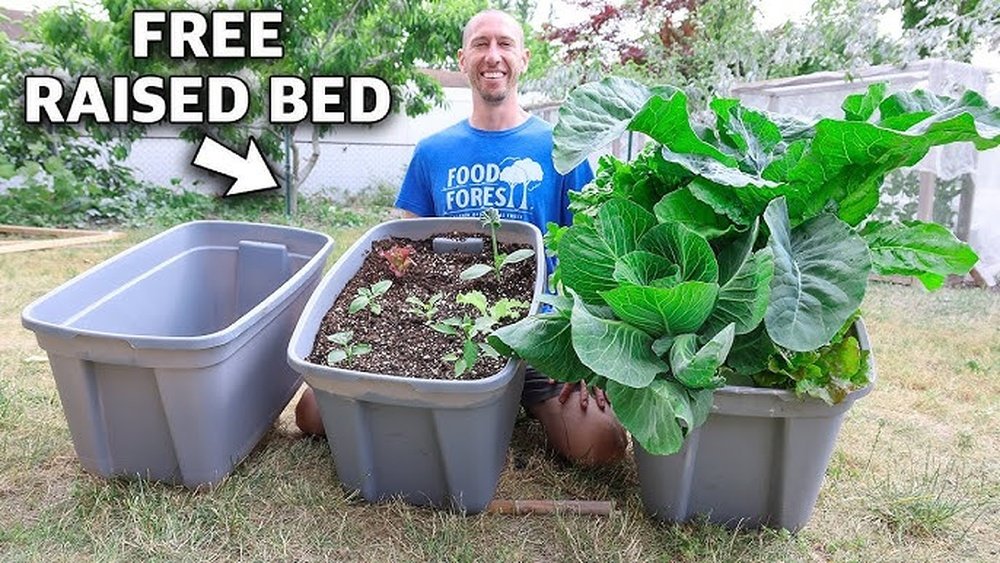
Container gardening is a simple and flexible way to grow plants, even if you have little space or experience. You do not need a big backyard or perfect soil. Instead, you can use pots, tubs, buckets, or any container to create a beautiful and productive garden almost anywhere—on a balcony, a sunny window, or even a doorstep.
For beginners, container gardening offers a chance to learn, experiment, and see quick results. It is also easy to adjust and fix mistakes along the way.
Many people start container gardens for practical reasons: to grow fresh herbs, enjoy flowers, or add greenery to small spaces. But there are other benefits. Container gardens can move with you if you relocate. They also give you control over soil, water, and sunlight—key factors for healthy plants. If you have poor ground soil, containers make it possible to grow nearly anything. Plus, you can arrange them for style or convenience.
This guide will walk you through every step of starting container gardening as a beginner. You will learn how to choose containers, pick the right soil, select easy plants, and care for your mini-garden. Along the way, you’ll discover common mistakes, practical tips, and expert secrets that most beginners miss.
By the end, you’ll feel confident to grow your own container garden, no matter your space or experience.
What Is Container Gardening?
Container gardening means growing plants in containers instead of planting them in the ground. Containers can be made from clay, plastic, wood, metal, or even recycled items. This type of gardening is popular with people who have limited space or want more control over growing conditions.
The idea is simple: Fill a container with suitable soil, add your chosen plant, and place it where it gets the right amount of sun. Water and feed the plants as needed. You can grow almost anything in a container—herbs, vegetables, flowers, and even small fruit trees.
Many city dwellers use container gardening to grow food or flowers on balconies, rooftops, or patios. It is also useful for people with mobility issues, since containers can be raised to a comfortable height. Even in large gardens, containers are great for adding color or moving plants around to catch the sun.
Why Choose Container Gardening?
Container gardening has some unique advantages, especially for beginners. Here are some reasons people choose this method:
- Space flexibility: Perfect for apartments, balconies, or small yards.
- Control over soil: You can use the best soil mix, even if your garden soil is poor.
- Mobility: Move containers to follow the sun or avoid bad weather.
- Pest and disease control: Less risk from ground pests and easier to spot problems.
- Accessibility: Raise containers to avoid bending or kneeling.
- Aesthetic value: Arrange plants for beauty and style.
- Season extension: Start plants indoors or bring them inside to avoid frost.
Some people even use container gardening to experiment with new plant varieties before adding them to their main garden. For renters or those who move often, containers make it easy to take your plants with you.
:strip_icc()/blue-ceramic-container-with-bright-tropical-plants-9756f0d6-bd3a1b5e7f9140e98efc75dbf93550b9.jpg)
Credit: www.bhg.com
Choosing The Right Containers
Picking containers is more than just finding something that holds dirt. The right container helps your plants grow strong and healthy. Here’s what you need to consider:
Material
- Plastic: Lightweight, affordable, holds water well but can heat up in sun.
- Terracotta/clay: Classic look, breathable, but dries out quickly and is heavy.
- Ceramic: Glazed pots are attractive and hold moisture, but can be heavy and expensive.
- Wood: Looks natural, insulates roots, but can rot if not treated.
- Metal: Durable but can overheat roots in hot sun.
Size
The size of the container matters for plant health. Too small, and roots crowd or dry out. Too big, and soil may stay too wet. As a rule:
- Herbs and lettuce: 6–8 inch deep pots are enough.
- Tomatoes, peppers, eggplant: At least 12–18 inch deep and wide.
- Root crops (carrots, radishes): Deeper pots (12+ inches).
- Flowers: Most annuals do well in 8–12 inch pots.
Drainage
Always pick containers with drainage holes at the bottom. Without drainage, water builds up and roots rot. If your container has no holes, drill some. You can also raise the pot on feet or bricks to help water escape.
Appearance And Weight
Choose containers that fit your style and space. Remember, wet soil makes containers heavy. If you plan to move them, pick light materials or use wheels.
Example Table: Container Materials Comparison
Here’s a quick comparison of common container materials:
| Material | Weight | Water Retention | Durability | Cost |
|---|---|---|---|---|
| Plastic | Light | Good | High | Low |
| Terracotta | Heavy | Poor | Medium | Medium |
| Ceramic | Heavy | Good | Medium | High |
| Wood | Medium | Good | Medium (can rot) | Medium |
| Metal | Heavy | Varies | High | Medium-High |
Non-obvious tip: Avoid black pots in hot climates—they heat up faster and can harm roots.
Picking The Best Soil For Containers
Regular garden soil is not suitable for containers. It is too dense and holds too much water, which can suffocate roots. Instead, use potting mix or a container soil blend. Here’s what matters:
What Makes A Good Potting Mix?
- Lightweight: Allows roots to grow and air to flow.
- Drainage: Water should move through easily.
- Nutrient-rich: Contains organic matter for feeding plants.
- Sterile: Free from weeds, pests, and diseases.
Most store-bought potting mixes are made of peat moss or coconut coir, perlite or vermiculite, and compost. Some have added fertilizer.
Pro insight: Cheap mixes dry out fast and can cause problems. Invest in a quality mix for better plant health.
Should You Add Fertilizer?
Many potting mixes come with slow-release fertilizer. But after a few weeks, you’ll need to feed your plants. Liquid fertilizers are easy to use in containers.
Can You Reuse Container Soil?
Yes, but only if you remove old roots and refresh the mix with compost or new potting soil. If plants had disease, start with fresh soil.
Key mistake: Do not use garden soil alone in pots—it compacts and holds too much water.
How To Choose Plants For Container Gardening
Some plants do better in containers than others. For beginners, pick easy-to-grow varieties that suit your climate and sunlight. Here are some top choices:
Best Edible Plants
- Herbs: Basil, parsley, mint, chives, cilantro
- Salad greens: Lettuce, spinach, arugula
- Tomatoes: Cherry or patio types do best
- Peppers: Bell and chili
- Radishes: Grow fast and need little space
- Strawberries: Compact and productive
Best Flowers
- Petunias
- Marigolds
- Geraniums
- Pansies
- Begonias
Shade-loving Plants
- Ferns
- Hostas
- Impatiens
Sun-loving Plants
- Zinnias
- Sunflowers (dwarf types)
- Basil
Matching Plants To Containers
Tall or vining plants need bigger, deeper pots. Small or shallow-rooted plants can share containers. Some people mix herbs and flowers for beauty and usefulness.
Beginner insight: Start with 2-3 types of plants. Too many at once can be hard to manage.
Example Table: Plant Size Vs Container Size
Use this chart to match plants with the right container:
| Plant Type | Minimum Container Depth | Minimum Container Width |
|---|---|---|
| Herbs | 6 inches | 6-8 inches |
| Lettuce/Greens | 6-8 inches | 10-12 inches |
| Tomatoes/Peppers | 12-18 inches | 12-18 inches |
| Radishes/Carrots | 10-12 inches | 10-12 inches |
| Flowers (annuals) | 8-10 inches | 8-12 inches |
Setting Up Your Container Garden
Once you have containers, soil, and plants, it’s time to set up your garden. Here are the main steps:
1. Prepare The Containers
- Clean old pots with soap and water to remove disease.
- Check for drainage holes. Add more if needed.
- Place a thin layer of gravel or broken pottery at the bottom for better drainage (optional, but helpful for large pots).
2. Fill With Potting Mix
- Fill each container up to 1 inch below the rim. This leaves space for watering.
- Do not press the soil down too much—it should stay loose.
3. Planting
- For seeds: Follow the packet instructions for depth and spacing.
- For seedlings: Gently loosen roots, make a hole, and plant at the same depth as in their pot.
- Water well after planting to settle the soil.
4. Position For Sunlight
- Most vegetables and flowers need 6-8 hours of sun per day.
- Herbs and shade plants can tolerate less (3-4 hours).
- Move pots around if needed to catch the right amount of sun.
5. Label Your Plants
Use waterproof labels or markers so you remember what you planted. This is helpful if you’re trying several types.
Non-obvious insight: Group containers with similar water needs together. It makes watering easier and prevents overwatering some plants.
Watering And Feeding Your Container Garden
Proper watering is one of the biggest challenges in container gardening. Here’s how to get it right:
How Often Should You Water?
Container plants usually need more water than garden plants. Check daily, especially in hot weather. Stick your finger in the soil—if the top inch feels dry, it’s time to water.
- Morning is best: Water early to avoid evaporation and disease.
- Water deeply: Keep going until water drains from the bottom.
Avoid mistake: Don’t let pots sit in water trays for too long—roots can rot.
Signs Your Plants Need Water
- Leaves wilt or droop
- Soil pulls away from the sides of the pot
- Leaves turn brown or crispy
Feeding Your Plants
Plants in containers use up nutrients faster than in the ground. Use a balanced liquid fertilizer (like 10-10-10) every 2-4 weeks, or slow-release granules at planting. Always follow label instructions.
Tip: Leafy greens need more nitrogen, while flowering plants need extra phosphorus.
Light, Temperature, And Location
Plants need the right light and temperature to grow well. Here’s how to manage these in container gardening:
Sunlight Needs
- Full sun: 6+ hours of direct sun (tomatoes, peppers, most flowers)
- Partial sun: 3-6 hours (herbs, salad greens, some flowers)
- Shade: Less than 3 hours (ferns, impatiens)
Track sunlight in your space before planting. Balconies and windowsills can have changing light through the year.
Temperature
Most garden plants like temperatures between 60–85°F (16–29°C). Avoid exposing young plants to frost or cold wind. You can bring containers indoors during extreme weather.
Location Tips
- Place pots near a water source for easy care.
- Avoid windy spots—wind dries soil and breaks stems.
- Use plant stands or shelves to fit more plants in small areas.
Pro tip: Reflective surfaces (like white walls) can bounce extra sunlight onto your plants.
Common Mistakes Beginners Make
Starting container gardening is easy, but some mistakes can cause problems. Avoid these pitfalls:
- Overwatering: Containers need regular but not excessive water. Too much can drown roots.
- Using wrong soil: Garden soil is too heavy—always use potting mix.
- Picking the wrong size pot: Small pots dry out fast and restrict roots.
- Ignoring drainage: Without holes, water builds up and kills plants.
- Crowding plants: Too many plants in a pot compete for water and nutrients.
- Poor sunlight: Not enough sun means weak growth and few flowers or fruits.
- Forgetting to feed: Container plants need regular fertilizer.
- Neglecting pests: Check leaves for bugs or disease often.
Advanced tip: Rotate your containers every week so all sides get even light and growth.
Pests And Problems In Container Gardening
Container gardens have fewer pests than ground gardens, but some issues still happen. Here’s what to watch for:
Common Pests
- Aphids: Small green or black insects on stems and leaves.
- Spider mites: Tiny red dots causing webbing and leaf spots.
- Whiteflies: Small white insects that fly up when touched.
How To Manage Pests
- Remove pests by hand or spray with water.
- Use insecticidal soap or neem oil for serious infestations.
- Keep plants healthy—stressed plants attract more bugs.
Diseases
- Powdery mildew: White coating on leaves, often in humid conditions.
- Root rot: Caused by poor drainage or overwatering.
- Leaf spot: Brown spots from fungus or bacteria.
Good airflow, clean containers, and proper watering help prevent most problems.
Table: Quick Pest/disease Guide
| Problem | Sign | Solution |
|---|---|---|
| Aphids | Sticky leaves, small insects | Spray with water or soap |
| Root rot | Wilting, brown roots, wet soil | Improve drainage, reduce watering |
| Powdery mildew | White powder on leaves | Increase airflow, remove leaves, fungicide |
| Leaf spot | Brown or black spots | Remove affected leaves, avoid wetting leaves |

Credit: www.amazon.com
Creative Ideas For Container Gardens
Container gardening is not just about food and flowers. You can use your creativity to design interesting displays:
- Vertical gardens: Hang pots on walls or fences to save space.
- Recycled containers: Use old buckets, boots, or teapots for a quirky look.
- Theme gardens: Make a pizza garden (tomatoes, basil, oregano) or a tea garden (mint, lemon balm).
- Color schemes: Choose plants with matching or contrasting colors for style.
- Sensory gardens: Grow plants for scent (lavender), touch (lamb’s ear), or flavor (herbs).
Growing Through The Seasons
With containers, you can extend the growing season. Start seeds indoors in early spring, then move pots outside when it’s warm. In late fall, bring tender plants inside or protect them with covers.
- Spring: Plant cool-weather crops (lettuce, spinach).
- Summer: Grow tomatoes, peppers, flowers.
- Fall: Plant kale, Swiss chard, or pansies.
- Winter: Grow herbs indoors on a sunny windowsill.
Pro insight: Use rolling plant stands to move heavy pots indoors quickly during bad weather.
Harvesting And Enjoying Your Container Garden
One of the best parts of container gardening is harvesting fresh herbs, vegetables, or flowers. Here’s how to get the most from your effort:
- Pick herbs often to keep them growing.
- Harvest lettuce and greens by cutting outer leaves first.
- Pick tomatoes and peppers when fully colored.
- Remove dead flowers (deadheading) to encourage more blooms.
Extra tip: Keep a small notebook to record what worked well and what didn’t. Over time, you’ll learn which plants thrive in your space.
Sustainable Container Gardening
Container gardening can be eco-friendly if you make smart choices:
- Reuse old containers and avoid single-use plastics.
- Use organic potting mixes and natural fertilizers.
- Collect rainwater for watering when possible.
- Compost kitchen scraps for homemade fertilizer.
By making these small changes, you reduce waste and grow healthier plants.
Where To Learn More
Many universities and garden clubs offer free guides and videos. The National Gardening Association is a trusted resource for learning more about container gardening. You can find detailed guides at National Gardening Association.
Frequently Asked Questions
What Vegetables Grow Best In Containers?
Tomatoes, peppers, lettuce, radishes, and most herbs grow very well in containers. Look for compact or “patio” varieties, which are bred to thrive in small spaces.
How Often Should I Water My Container Plants?
Check your plants daily. Most container plants need watering every 1–2 days in hot weather. Water when the top inch of soil feels dry. In cooler months, you may need to water less often.
Can I Use Garden Soil In My Containers?
It is not recommended. Garden soil is too heavy for pots and may contain pests or diseases. Use a quality potting mix designed for containers.
What Is The Best Fertilizer For Container Gardens?
A balanced liquid fertilizer (such as 10-10-10) works well for most plants. Feed every 2–4 weeks during the growing season. You can also use slow-release granules at planting.
How Do I Prevent Pests In My Container Garden?
Check plants regularly for bugs or disease. Remove pests by hand or spray with water. Keep your garden clean and healthy, and use insecticidal soap if needed.
Container gardening is a rewarding hobby, whether you want fresh food, beautiful flowers, or just some greenery in your life. With the right containers, soil, and a bit of care, anyone can succeed—even in the smallest space. Start small, learn as you go, and enjoy the process of growing your own container garden.

Credit: www.amazon.com