
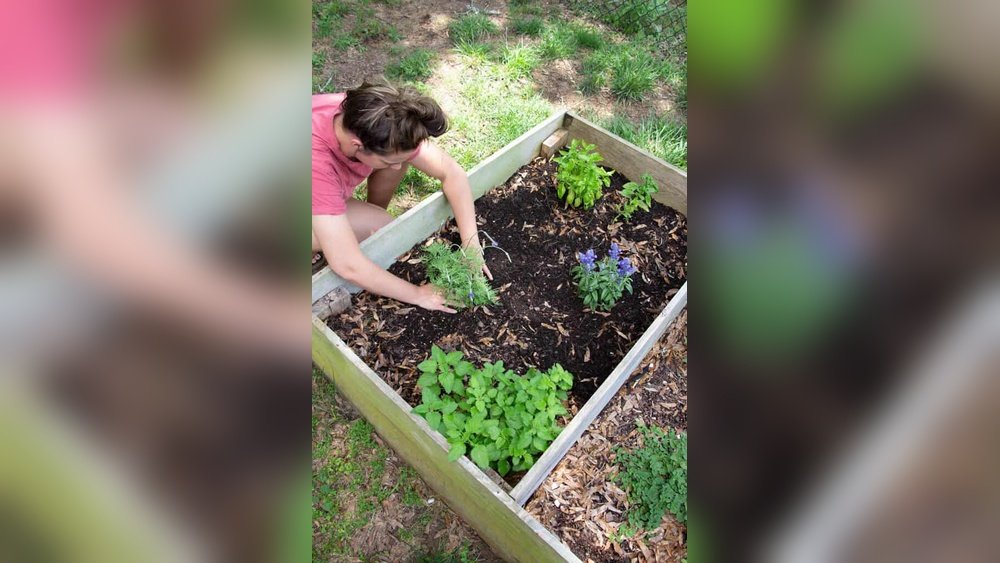
Growing herbs in a raised bed is one of the smartest ways to add fresh flavors to your meals and beauty to your garden. Whether you are new to gardening or have some experience, raised beds make it easier to manage soil, control weeds, and enjoy healthy plants.
Herbs like basil, parsley, and thyme thrive in these environments, and you can harvest them right from your backyard. In this guide, you’ll discover step-by-step advice, practical tips, and common mistakes to avoid, all tailored to help you succeed with your raised bed herb garden.
Why Choose Raised Beds For Herbs?
Raised beds offer several advantages, especially for herb gardens. First, they help create a dedicated space that is easy to reach and manage. The soil in raised beds warms up faster in spring, allowing herbs to grow earlier. Drainage is improved, which is important because most herbs dislike soggy roots. Raised beds also reduce weed problems and keep pests at bay.
If your yard has poor soil or you want to avoid bending over, raised beds are ideal. You can control the soil mix, making sure your herbs get the nutrients they need. Plus, raised beds look attractive and can fit into almost any garden design.
Another benefit is that raised beds keep herbs separated from foot traffic, which helps prevent compacted soil. Compact soil makes it harder for roots to grow and absorb water. With raised beds, you can also install drip irrigation easily or create custom layouts for your favorite herbs.
Raised beds are also great for urban gardeners. If you live in a city, you can place a raised bed on patios, rooftops, or even unused corners. This way, you turn small spaces into productive gardens.
Planning Your Raised Bed Herb Garden
Good planning sets the stage for a successful herb garden. Before building or planting, think about the following:
Picking The Right Location
Herbs need plenty of sunlight. Most grow best with at least 6 hours of direct sun each day. Place your raised bed where it gets morning sun and some afternoon shade if possible. Avoid spots near large trees, as roots may compete for water and nutrients.
Look for areas protected from strong winds, which can dry out herbs quickly. If you have limited space, consider placing your bed against a sunny wall or fence. Walls reflect heat and light, giving herbs a boost in cooler climates.
If you plan to harvest often, make sure the bed is close to your kitchen or main pathway. Easy access encourages you to use fresh herbs more often.
Deciding The Size And Shape
A typical raised bed for herbs is 3 to 4 feet wide and 6 to 8 feet long. The width is important so you can reach every part without stepping into the bed. Most beds are 8 to 12 inches deep, which is enough for herbs. If you want to grow root vegetables too, you can go deeper.
If you have limited space, you can build smaller beds, even 2 feet wide. Square beds are easy to manage, but rectangular beds allow you to grow more varieties in rows. For larger gardens, you can build multiple beds or create creative shapes like L-shaped or U-shaped beds for easier access.
Raised beds can be customized for wheelchair accessibility by building them higher (24–36 inches tall). This makes gardening possible for people with mobility challenges.
Choosing The Best Materials
Raised beds can be made from different materials. Wood is most popular, especially cedar or redwood, which resist rot. Avoid treated lumber for herbs, as chemicals can leach into the soil. Other options include bricks, stones, or metal. Each material has pros and cons:
| Material | Pros | Cons |
|---|---|---|
| Wood (cedar/redwood) | Natural, rot-resistant, attractive | Can be expensive, needs maintenance |
| Bricks/Stones | Durable, decorative | Heavy, higher cost |
| Metal | Modern look, long-lasting | May heat up in sun, costly |
For eco-friendly gardening, consider repurposed materials. Old wooden pallets (untreated), or recycled bricks, can be used to build beds cheaply. Just make sure the materials are safe and clean.
Building Your Raised Bed
Once you have the plan and materials, building your raised bed is straightforward. Here’s how to do it:
Step-by-step Construction
- Mark the Area: Use stakes and string to outline the bed size.
- Level the Ground: Remove grass and debris. Make sure the area is flat.
- Assemble the Frame: Secure the corners with screws or brackets. Check that the frame is square.
- Add Weed Barrier: Place landscape fabric at the bottom to block weeds, but let water drain.
- Fill with Soil: Add your chosen soil mix (see below).
For sloped yards, you may need to dig into the slope or build up one side of the bed higher. This creates a level planting area.
A beginner mistake is not leveling the ground before building. Uneven beds can lead to poor drainage and plant stress.
If you live in an area with moles or burrowing animals, consider adding wire mesh below the bed before filling it with soil. This prevents pests from entering and damaging herb roots.
Choosing The Best Soil For Herbs
Herbs thrive in soil that is well-drained, loose, and rich in organic matter. The right soil mix makes a huge difference in growth and flavor.
Ideal Soil Mix
A basic herb bed soil mix consists of:
- 40% garden soil
- 40% compost
- 20% sand or perlite
Mix these well before filling the bed. This combination creates loose, fertile soil that drains well. Avoid heavy clay or pure sand, as both can harm herbs.
For even better results, add a handful of worm castings or aged manure. These boost nutrients and improve soil structure.
Testing And Adjusting Soil
Before planting, check the pH level. Most herbs prefer a pH of 6.0 to 7.0. You can buy a simple test kit at garden centers. If the pH is too low, add lime. If too high, mix in sulfur.
If your soil is sandy and dries out quickly, mix in more compost. For clay soils, increase sand or perlite. Herbs need air around their roots, so avoid compacted soil.
A common beginner mistake is using bagged potting mix alone. It’s too light for outdoor beds and dries out quickly.
You can test drainage by watering the bed and observing how fast water drains. If water pools for more than 30 minutes, improve drainage by mixing in more sand.

Credit: www.amazon.com
Picking The Right Herbs For Your Raised Bed
Not all herbs grow equally well together. Some need more water, others need less. Choose herbs that suit your climate and cooking habits.
Popular Herbs To Grow
Here are some of the best herbs for raised beds:
- Basil: Loves warm weather, needs regular watering.
- Parsley: Hardy, grows in partial shade.
- Thyme: Prefers dry conditions, very fragrant.
- Rosemary: Needs well-drained soil, dislikes cold.
- Mint: Fast-growing, spreads easily—best in its own section.
- Oregano: Hardy, likes sunshine.
- Cilantro: Cool-season, bolts quickly in heat.
- Chives: Easy to grow, tolerate various conditions.
- Sage: Needs good drainage, best in sunny spots.
If you like Asian cuisine, consider adding lemongrass, shiso, or Vietnamese coriander. For tea lovers, chamomile and lemon balm are good choices.
Herb Compatibility
Some herbs can be planted together, while others should be separated. For example, mint spreads fast and can take over. Keep it in a corner or a separate pot sunk into the bed.
Here’s a comparison of herb water needs:
| Herb | Water Needs | Best Plant Partners |
|---|---|---|
| Basil | Medium | Parsley, oregano |
| Mint | High | Chives (in separate area) |
| Thyme | Low | Sage, rosemary |
| Rosemary | Low | Thyme, sage |
| Parsley | Medium | Basil, chives |
If you want to grow herbs for pollinators, add flowering herbs like lavender or dill. These attract bees and butterflies, helping your garden overall.
Planting Herbs In Raised Beds
Planting herbs correctly ensures strong growth and easy harvesting.
Seeds Vs. Seedlings
You can start herbs from seeds or buy young plants (seedlings). Seeds are cheaper but take longer. Seedlings give faster results.
For beginners, seedlings are easier. Plant them after the last frost date in your area. Space herbs about 8 to 12 inches apart for good airflow.
If you grow herbs from seeds, start them indoors 4–6 weeks before planting outside. This gives you a head start and avoids waiting for warm weather.
Planting Steps
- Dig small holes for seedlings, about the size of their root balls.
- Gently loosen roots if they are packed.
- Place in soil, cover roots, and press soil gently.
- Water well, but do not flood.
For seeds, follow packet instructions. Some herbs, like parsley, need soaking before planting.
If you plant seeds directly, thin seedlings when they reach 2 inches tall. Give each plant enough space to grow.
Practical Tips
- Plant taller herbs (rosemary, sage) at the back or center.
- Place smaller herbs (thyme, chives) near the edges.
- Rotate crops each year to prevent disease.
One insight beginners miss: Herbs like basil and cilantro bolt quickly in hot weather. To keep fresh leaves, sow new seeds every 2–3 weeks.
If you want to combine herbs with vegetables, choose partners carefully. For example, basil grows well with tomatoes, and chives deter pests from carrots.
Caring For Your Raised Bed Herb Garden
Regular care keeps your herbs healthy and productive. Here’s what to focus on:
Watering
Most herbs need regular watering, but not too much. Raised beds dry out faster than ground soil. Check moisture by sticking your finger into the soil. If dry 1 inch down, water.
Avoid overhead watering, which can cause disease. Use a watering can or drip system.
In hot climates, water early in the morning or late in the evening to reduce evaporation. Herbs like rosemary and thyme need less water, while basil and mint prefer moist soil.
Fertilizing
Herbs do not need heavy feeding. Apply organic fertilizer or compost once a month. Too much fertilizer makes herbs grow fast but reduces their flavor.
Liquid seaweed or fish emulsion are gentle fertilizers for herbs. Apply at half strength to avoid burning the plants.
Mulching
Mulch keeps soil moist and prevents weeds. Use straw, leaves, or bark chips. Spread mulch around, but keep it away from stems to avoid rot.
Mulching also helps regulate soil temperature, keeping roots cool in summer and warm in winter.
Pruning And Harvesting
Harvest herbs often. Pinch off leaves and stems to encourage new growth. For woody herbs (rosemary, thyme), prune in spring.
A common mistake: letting herbs flower too early. Remove flower buds to keep leaves tasty.
Another tip: For annual herbs like basil, pinch off the top growth regularly. This keeps the plant bushy and produces more leaves.
Pest And Disease Control
Herbs in raised beds suffer fewer problems, but watch for aphids, slugs, or fungal spots. Remove pests by hand or use organic sprays.
Try companion planting—grow marigolds nearby to deter insects.
If you see powdery mildew, improve airflow by thinning plants. Avoid watering late in the day, which can leave leaves wet overnight.
Extending The Growing Season
Raised beds help you extend your herb harvest. Simple tricks can stretch the season:
Using Row Covers
Install row covers or mini hoop tunnels to protect herbs from cold. These covers keep frost off and let you harvest longer.
Lightweight covers also protect herbs from insects and sudden weather changes.
Mulching For Winter
For perennial herbs (thyme, chives, sage), add extra mulch in fall. This insulates roots and helps plants survive winter.
You can use straw, pine needles, or shredded leaves. In very cold areas, cover beds with burlap or garden fleece.
Starting Early Indoors
You can start herbs indoors in small pots, then transplant them to the raised bed when temperatures warm up.
Grow lights or sunny windows help seedlings develop strong roots before moving outside.
Troubleshooting Common Problems
Even with good care, problems can arise. Here’s how to solve typical issues:
Poor Growth
If herbs grow slowly, check sunlight, soil quality, and water. Most problems come from too little sun or overwatering.
Sometimes, herbs outgrow their space. Divide crowded plants and replant to restore vigor.
Yellow Leaves
Yellowing usually means nutrient deficiency or too much water. Add compost and check drainage.
If only lower leaves turn yellow, it could be normal aging. If all leaves yellow, check for root rot or pests.
Wilting
Wilting may be caused by underwatering or root rot from excess moisture.
Check soil moisture and drainage. Dig gently around roots to check for rot or pests.
Bolting
Bolting is when herbs flower and seeds form too soon, especially in heat. Keep soil cool with mulch and harvest often.
For herbs like cilantro, try planting in partial shade or using taller plants to provide cover.
Pest Damage
If leaves have holes, look for slugs or caterpillars. Hand-pick pests or use safe organic controls.
For aphids, spray with a mix of water and mild soap. Avoid chemical pesticides, which can harm beneficial insects.
Harvesting Herbs For Maximum Flavor
Harvesting herbs at the right time is key to flavor.
Best Time To Harvest
Pick herbs in the morning before the sun gets hot. Essential oils are strongest then.
For perennial herbs, harvest just before flowering for best taste. For annuals, harvest regularly to encourage new growth.
How To Harvest
- Use clean scissors or fingers.
- Take only 1/3 of the plant at a time.
- For leafy herbs, pinch off stems just above a leaf pair.
Avoid tearing leaves, which can stress the plant. Always use clean tools to prevent disease.
Storing Fresh Herbs
Wash herbs gently and dry with paper towels. Store in the fridge for up to a week. For longer storage, dry or freeze herbs.
To dry herbs, tie stems in bundles and hang in a dark, airy place. To freeze, chop herbs and pack in ice cube trays with water or oil.

Credit: shop.gardenary.com
Design Ideas For Raised Bed Herb Gardens
Raised beds can be both practical and beautiful. Here are a few ideas:
- Kitchen garden: Place the bed near your door for easy access.
- Mixed beds: Combine herbs with flowers for color and pest control.
- Tiered beds: Build layers for different herb heights.
- Themed beds: Grow only Italian herbs (basil, oregano, parsley) or tea herbs (mint, chamomile, lemon balm).
One insight: Adding a small trellis allows climbing herbs like nasturtium to grow vertically, saving space.
You can also create spiral beds, which give different microclimates for varied herbs. The top is sunny and dry, the bottom is shady and moist.
Comparing Raised Bed Gardening To Traditional Methods
Raised beds are popular, but how do they compare to regular garden plots? See the differences below.
| Feature | Raised Bed | Traditional Ground Bed |
|---|---|---|
| Soil control | Excellent, customizable | Depends on native soil |
| Drainage | Superior | Varies, can be poor |
| Weed control | Easy, fewer weeds | More weeds |
| Accessibility | Easy for all ages | Requires bending/kneeling |
| Cost | Higher (materials) | Lower |
Raised beds are also easier to cover with frost protection or bird netting. In wet climates, raised beds prevent waterlogging, which is a common issue for ground beds.
Eco-friendly Tips For Raised Bed Herb Gardening
Sustainable gardening is important. Here’s how to make your herb garden greener:
- Use organic seeds and soil.
- Recycle materials for bed frames.
- Collect rainwater for irrigation.
- Compost kitchen scraps to feed your herbs.
- Plant native herbs that need less care.
Solar-powered water pumps and drip systems reduce energy use. Planting a mix of herbs and flowers supports bees and other pollinators.
Seasonal Care Guide For Raised Bed Herbs
Herbs need different care in each season:
Spring
- Prepare soil and beds.
- Plant hardy herbs.
- Add compost and mulch.
Check for winter damage and remove old mulch before adding new. Start seeds indoors for early harvest.
Summer
- Water regularly.
- Harvest often.
- Watch for pests.
Shade tender herbs during heat waves. Mulch deeply to keep soil cool.
Fall
- Mulch perennials.
- Harvest and dry herbs.
- Clean beds for winter.
Remove spent annuals and store seeds. Cover beds to prevent erosion.
Winter
- Protect beds with covers.
- Plan next year’s garden.
Store dried herbs indoors. Order seeds and plan layouts for spring.
Advanced Tips For Experienced Gardeners
If you want more from your raised bed:
- Try succession planting—start new herbs every few weeks for continuous harvest.
- Grow rare herbs like lemon verbena or tarragon.
- Use drip irrigation for precise watering.
- Experiment with vertical gardening for limited space.
Plant herbs for pollinators, like fennel or borage, to improve overall garden health.
If you have extra space, create a seed-saving corner to collect and store seeds for future planting.
Frequently Asked Questions
How Deep Should A Raised Bed Be For Herbs?
A depth of 8 to 12 inches is enough for most herbs. Shallow beds work for leafy herbs, but go deeper for root herbs like parsley.
Can I Grow Herbs In A Raised Bed In Winter?
Yes, but only hardy herbs like chives, thyme, and sage. Use row covers and extra mulch to protect from frost.
What Is The Best Soil For Herbs In Raised Beds?
Mix garden soil, compost, and sand or perlite for good drainage and nutrients. Aim for a pH of 6.0 to 7.0.
How Often Should I Water Herbs In Raised Beds?
Water when soil feels dry 1 inch below the surface. Usually, 2–3 times a week in hot weather, less in cooler months.
Do Herbs Need Fertilizer In Raised Beds?
Herbs need light feeding. Add organic compost monthly. Avoid strong fertilizers—too much can reduce flavor.
With the right approach, growing herbs in raised beds is both fun and rewarding. You gain easy access to fresh flavors, reduce garden chores, and create a beautiful outdoor space. For extra information on herb growing techniques, check out University of Minnesota Extension. Raised bed gardening is adaptable, whether you have a small yard or a big space. Start planning your herb garden today and enjoy the taste and beauty it brings all year.

Credit: www.gardenary.com