
Growing cucumbers in raised beds is one of the smartest ways to enjoy fresh, crisp vegetables right from your garden. If you’ve ever struggled with poor soil, pests, or unpredictable results, using a raised bed can solve many common problems.
Cucumbers are rewarding plants, but they need care, planning, and the right setup to thrive. In this guide, you’ll discover how to grow cucumbers in raised beds, from choosing the best varieties to harvesting. Along the way, you’ll learn practical tips, common mistakes, and strategies that even experienced gardeners sometimes overlook.
Why Raised Beds Are Ideal For Cucumbers
Cucumbers love warmth, loose soil, and steady moisture. Raised beds offer these conditions better than most traditional gardens. When you use a raised bed, you control the soil quality, drainage, and even the height—making maintenance easier and reducing bending. This setup also helps keep pests away, and you can manage weeds with less effort.
A raised bed warms up faster in spring, so your cucumbers get an earlier start. You can also space plants more efficiently, improving air flow and reducing disease risk. For people with limited space, raised beds make it possible to grow cucumbers in patios, balconies, or small yards.
Choosing The Right Cucumber Varieties
Not all cucumbers perform equally well in raised beds. Choosing the right type is essential for success.
Slicing Vs. Pickling Cucumbers
Cucumbers come in two main types:
- Slicing cucumbers: Best for eating fresh. These are longer, thicker, and have smooth skin.
- Pickling cucumbers: Shorter, with bumpy skin. Perfect for pickling and canning.
Bush Vs. Vining Varieties
Bush cucumbers are compact and ideal for smaller beds, while vining types need more space and usually require a trellis.
Here’s a quick comparison:
| Type | Space Needed | Yield | Best Use |
|---|---|---|---|
| Bush | Small (2-3 sq ft) | Moderate | Fresh eating |
| Vining | Larger (needs trellis) | High | Fresh & pickling |
Popular Varieties For Raised Beds
Some excellent choices for raised beds are:
- Bush Champion: Compact, good for containers and small beds.
- Spacemaster: Great for limited space, produces 7-inch fruits.
- Marketmore 76: Disease-resistant, vining, high yield.
- Boston Pickling: Classic for pickles, adapts well to raised beds.
- Sweet Success: Seedless, smooth skin, good flavor.
Seed catalogs and local nurseries often list which varieties are best for containers and raised beds.

Credit: homesteadandchill.com
Preparing Your Raised Bed For Cucumbers
Getting the bed ready is key for strong cucumber growth. Here’s what to focus on:
Size And Depth
A raised bed should be at least 8-12 inches deep for cucumbers. The minimum area for one plant is 2 square feet, but more space is better. Beds that are 3-4 feet wide make planting and harvesting easy.
Soil Mix
Cucumbers thrive in loose, fertile, well-drained soil. Use a mix like:
- 60% garden soil
- 30% compost
- 10% perlite or coarse sand
The ideal pH is 6. 0–7. 0. Test your soil if possible—cucumbers dislike acidic or alkaline extremes.
Fertility And Nutrition
Add a slow-release organic fertilizer before planting. Cucumbers need plenty of nitrogen early, and more potassium when fruiting. For best results, mix in:
- 2–3 inches of compost
- 1–2 cups of balanced fertilizer (NPK 10-10-10) per 10 square feet
Drainage
Raised beds improve drainage, but you can add extra sand or perlite if your soil still holds too much water. Waterlogged soil leads to root rot.
Mulching
Cover the soil with straw, chopped leaves, or wood chips. Mulch keeps moisture in, prevents weeds, and protects roots.
Planting Cucumbers In Raised Beds
You can grow cucumbers from seed or transplants. Timing and technique matter.
When To Plant
Cucumbers need warm soil—at least 60°F (16°C). Wait until after the last frost. In most US regions, this is late spring.
Direct Seeding
Plant seeds 1/2 inch deep. For bush types, space them 12–18 inches apart. Vining types should be 18–24 inches apart, with 36 inches between rows.
Transplanting
Start seeds indoors 3–4 weeks before the last frost. Transplant seedlings when they have 2–3 true leaves and soil is warm.
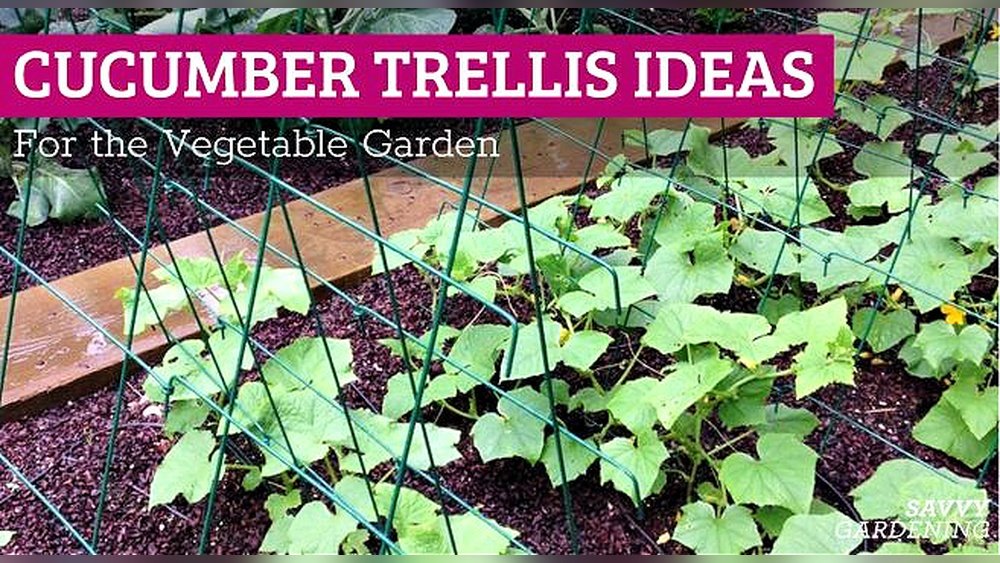
Trellis Setup
Vining cucumbers need support. Use a vertical trellis or A-frame. This keeps fruit off the ground, improves air flow, and makes harvesting easier.
Common trellis ideas:
- Wire mesh
- Wooden stakes
- String netting
Place the trellis at the edge of the bed before planting.
Watering After Planting
Water thoroughly after planting. Keep soil moist but not soggy. Mulch helps keep moisture steady.
Caring For Cucumbers In Raised Beds
Once cucumbers are growing, keep them healthy with these steps.
Watering
Cucumbers are thirsty. Give them 1–2 inches of water per week. If leaves wilt in the afternoon, check soil moisture. Drip irrigation or soaker hoses work well.
An overlooked tip: Water early in the day to avoid leaf diseases.
Feeding
Feed cucumbers every 3–4 weeks with a balanced fertilizer. When fruits appear, switch to a fertilizer higher in potassium.
Mulching And Weeding
Replenish mulch as needed. Pull weeds early—cucumbers compete poorly with weeds.
Pruning And Training
For vining types, train stems up the trellis. Remove side shoots if plants get too dense. Pruning helps air flow and reduces disease.
Disease And Pest Management
Raised beds reduce problems, but you must still watch for:
- Powdery mildew: White spots on leaves; use resistant varieties and good air flow.
- Cucumber beetles: Yellow-green bugs; use row covers early, pick off adults, check under leaves.
- Aphids: Tiny green insects; spray with water, use insecticidal soap.
A key insight: Many gardeners forget to rotate crops. Avoid planting cucumbers (or other squash family plants) in the same bed for at least two years. This prevents soil-borne diseases.
Pollination
Most cucumbers need bees for pollination. If few bees visit your garden, hand pollination is possible: use a small brush to transfer pollen from male to female flowers.
Seedless (parthenocarpic) varieties don’t need pollination.
Managing Common Problems In Raised Bed Cucumbers
Even with good care, issues can arise. Here’s how to tackle them.
Yellow Leaves
Possible causes:
- Overwatering or underwatering
- Nutrient shortage (usually nitrogen)
- Disease
Test soil, adjust watering, and feed as needed.
Poor Fruit Set
Often due to:
- Low pollination
- Cold nights
- Stressed plants
Hand pollinate or protect plants with row covers if weather is cool.
Bitter Cucumbers
Usually caused by:
- Drought stress
- Uneven watering
- Hot temperatures
Keep soil consistently moist, mulch well, and harvest before fruit gets too big.
Pest Damage
Look for holes in leaves, missing fruit, or sticky residue. Use organic sprays or hand-pick pests. Encourage beneficial insects like ladybugs.
Wilting
If leaves wilt despite moist soil, check for root rot or stem damage (often from borers).
Harvesting Cucumbers In Raised Beds
Harvesting at the right time is crucial for flavor and texture.
When To Harvest
- Slicing cucumbers: 6–8 inches long, firm, deep green
- Pickling cucumbers: 3–5 inches long, bumpy skin
Pick early and often. Overripe cucumbers get seedy and bitter.
How To Harvest
Cut cucumbers with a sharp knife or scissors. Pulling can damage the plant. Harvesting every 2–3 days boosts production.
Storage Tips
Store cucumbers in the refrigerator. They last 7–10 days. Don’t wash before storing—moisture speeds spoilage.
Yield Data
A well-managed raised bed (4×4 feet) can produce 20–40 pounds of cucumbers per season, depending on variety and care.
Advanced Tips For Maximizing Cucumber Yield
Experienced gardeners use these tricks to get more cucumbers:
- Succession planting: Sow new seeds every 3–4 weeks for a longer harvest.
- Shade cloth: During heat waves, cover beds to prevent fruit bitterness.
- Companion planting: Grow cucumbers with radishes, marigolds, or nasturtiums to repel pests.
- Soil thermometer: Check temperature before planting; cucumbers hate cold soil.
- Drip irrigation timer: Keeps watering consistent, prevents drought stress.
- Organic foliar feed: Spray leaves with liquid seaweed for stronger growth.
- Regular inspection: Check leaves and stems twice a week for pests and diseases.
- Crop rotation plan: Map your beds to avoid squash family repeats.
- Record keeping: Note planting dates, varieties, yield, and problems. Helps improve next season.
- Harvest early mornings: Fruit is crispest and less stressed.
Many beginners miss the importance of succession planting and record keeping. These steps can double your harvest and help solve future problems.
Comparing Raised Bed Cucumber Growing To Traditional Gardening
Let’s look at how raised beds stack up against in-ground gardens:
| Feature | Raised Bed | Traditional Garden |
|---|---|---|
| Soil Quality | Easy to control | Depends on location |
| Drainage | Excellent | Often poor |
| Pest Management | Better | Harder |
| Yield | Higher | Variable |
| Weeding | Less | More |
| Setup Cost | Higher | Lower |
Most gardeners find raised beds offer more control, higher yields, and easier maintenance. The initial setup is more work, but long-term benefits pay off.
Step-by-step Cucumber Growing Calendar
Timing matters for cucumbers. Here’s a sample schedule for US gardeners:
| Month | Task |
|---|---|
| March-April | Prepare bed, start seeds indoors |
| May | Plant seeds/transplants outdoors |
| June | Install trellis, mulch, water regularly |
| July-August | Harvest, feed, watch for pests |
| September | Remove spent plants, clean bed |
Adjust dates for your climate. In warmer regions, you can plant earlier; in cooler areas, wait until soil is warm.
Building And Maintaining Your Raised Bed
A strong raised bed lasts for years. Here’s how to build and care for it:
Materials
Popular materials include:
- Wood: Cedar, redwood, or untreated pine. Durable and safe.
- Metal: Galvanized steel beds last long but can heat up in summer.
- Plastic/composite: Rot-proof, lightweight, easy to assemble.
Avoid treated lumber—it may contain chemicals harmful to plants.
Size And Placement
Beds should be 3–4 feet wide for easy access. Length can vary. Place beds in a sunny spot—cucumbers need 6–8 hours of sunlight daily.
Assembly Tips
- Level the site before building.
- Use corner brackets for stability.
- Line the bottom with landscape fabric to keep weeds out.
Maintenance
- Check for rot or damage yearly.
- Refill soil and compost each season.
- Clean out plant debris after harvest to prevent disease.
Organic Growing Strategies For Cucumbers
Many gardeners prefer organic methods. Here’s how to grow cucumbers organically in raised beds:
Organic Fertilizers
Use compost, manure, or organic blends. Worm castings boost soil health. Avoid synthetic chemicals.
Pest Control
Try these methods:
- Neem oil: Safe, effective against beetles and aphids.
- Row covers: Keep pests out early in the season.
- Hand picking: Remove bugs by hand.
Encourage beneficial insects—ladybugs, lacewings, bees.
Disease Prevention
Choose resistant varieties, rotate crops, and keep beds clean. Remove infected leaves quickly. Water at the base, not on leaves.
Mulching
Organic mulch (straw, leaves) keeps soil cool and moist. It also adds nutrients as it breaks down.

Credit: www.dripworks.com
Watering Wisdom: Avoiding Common Mistakes
Watering is often misunderstood. Here’s what makes the difference:
- Deep watering: Water so moisture reaches 8–10 inches deep. Shallow watering leads to weak roots.
- Consistent schedule: Cucumbers dislike dry spells followed by heavy watering.
- Morning watering: Reduces disease risk. Avoid wetting leaves late in the day.
- Mulch layer: Keeps soil moisture stable.
An often-missed tip: Use a soil moisture meter. It helps you know exactly when to water.
Fertilizing Cucumber Plants In Raised Beds
Cucumbers are heavy feeders. Fertilize at these stages:
- Before planting: Add compost and balanced fertilizer.
- After first flowers: Use a potassium-rich feed.
- Midseason: Top-dress with compost.
Avoid over-fertilizing—too much nitrogen causes leafy growth and fewer fruits.
Maximizing Air Flow And Sunlight
Proper air flow prevents disease. Here’s how:
- Space plants to avoid crowding.
- Train vines up the trellis.
- Remove damaged leaves.
- Place beds in open, sunny spots.
Sunlight is vital. Cucumbers need full sun for best yield and taste.
Practical Cucumber Growing Mistakes To Avoid
Even experienced gardeners make errors. Here are pitfalls to watch for:
- Planting too early: Cold soil stunts growth.
- Crowding plants: Leads to disease and poor yield.
- Ignoring trellis needs: Vines sprawl, fruit rots on ground.
- Skipping crop rotation: Soil diseases build up.
- Inconsistent watering: Causes bitter fruit.
- Not harvesting often: Overripe fruit stops new cucumbers from forming.
- Using treated wood: Chemicals can leach into soil.
- Neglecting pest checks: Bugs damage plants quickly.
Remember, most problems are preventable with planning and regular care.
Credit: earthbox.com
Frequently Asked Questions
How Deep Should A Raised Bed Be For Cucumbers?
A raised bed should be at least 8–12 inches deep for cucumbers. Deeper beds allow better root growth and hold moisture more evenly. If your bed is shallow, add extra compost and mulch to improve root space.
What Is The Best Soil Mix For Cucumbers In Raised Beds?
The ideal mix is 60% garden soil, 30% compost, and 10% perlite or coarse sand. This combination keeps soil loose, fertile, and well-drained. Cucumbers grow best in soil with a pH of 6.0–7.0.
Can Cucumbers Be Grown Vertically In Raised Beds?
Yes, vertical growing is one of the best ways to save space and boost air flow. Use a trellis, cage, or netting. Vining cucumber varieties climb easily and produce cleaner, healthier fruit.
How Often Should I Water Cucumbers In A Raised Bed?
Water cucumbers 1–2 inches per week, depending on weather and soil. Check soil moisture regularly—if the top 2 inches are dry, it’s time to water. Early morning watering is best.
What Are Some Organic Pest Control Options For Cucumber Plants?
Organic methods include neem oil, row covers, and hand picking. Planting companion flowers like marigolds and nasturtiums helps repel pests. Encourage beneficial insects, and avoid synthetic pesticides.
Growing cucumbers in raised beds is simple once you understand the essentials. With good soil, careful planting, and steady care, you’ll enjoy a steady supply of crisp, delicious cucumbers all summer long. Raised beds make gardening easier, more productive, and less stressful. Whether you’re a beginner or seasoned grower, following these tips will help you get the most from your cucumber plants. For more details and research-backed advice, visit University of Minnesota Extension. Happy gardening!