
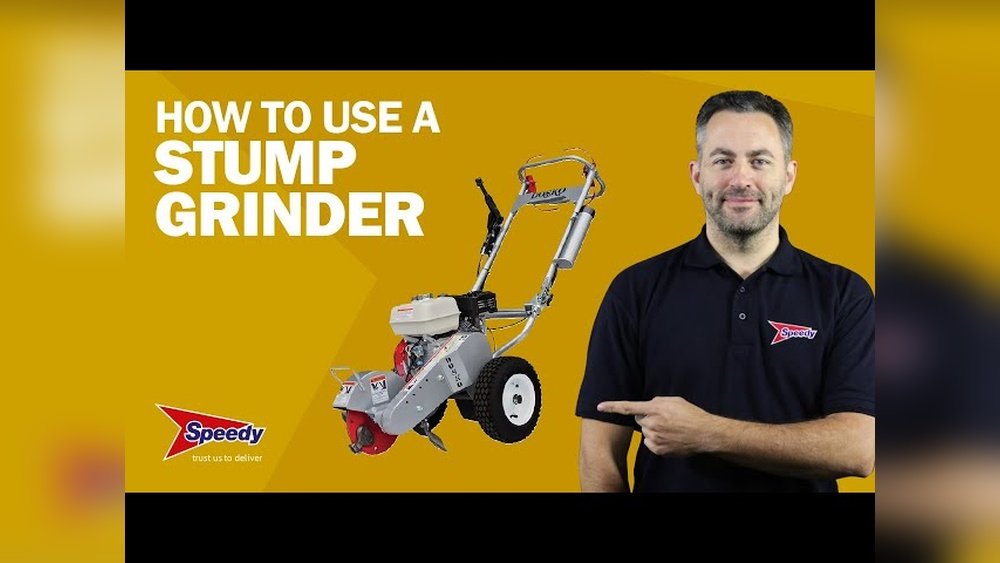
Removing a tree stump from your yard can seem like a big task, but with the right knowledge and a stump grinder, you can do it safely and efficiently. Many homeowners and landscapers use stump grinders to clear land, prevent pests, and improve property appearance. However, using a stump grinder the wrong way can lead to injuries, equipment damage, or poor results. In this guide, you’ll learn everything you need to know about using a stump grinder correctly—from preparation to cleanup. Whether you’re a beginner or you have some experience, you’ll find practical advice, clear steps, and important safety tips to make the process smooth and successful.
Why Remove Tree Stumps?
Leaving tree stumps after cutting down a tree might seem harmless, but it can cause several problems. Stumps are tripping hazards and can ruin the look of your garden or lawn. They also attract insects like termites, ants, and beetles. These pests may spread to healthy trees or even your home. Old stumps can also grow new shoots, making your yard messy and harder to maintain. In some areas, removing stumps is needed for construction, landscaping, or to meet local regulations.
Stump grinding is the most popular method for getting rid of stumps because it’s fast, effective, and leaves your yard ready for new plants or grass. Unlike digging, stump grinding doesn’t create big holes and uses specialized machines to grind the wood into small chips.
What Is A Stump Grinder?
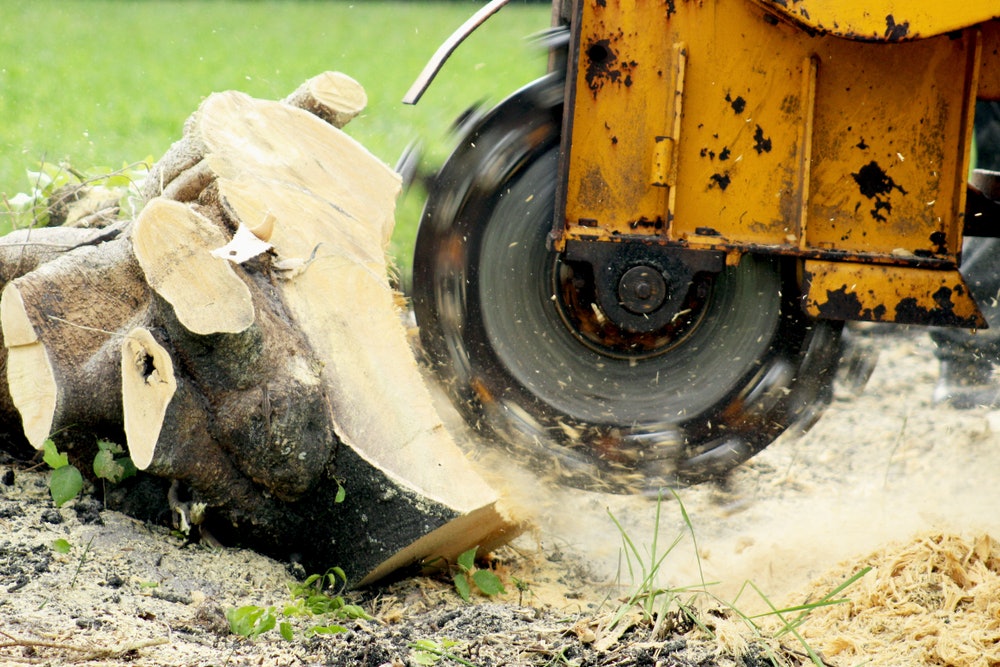
A stump grinder is a powerful machine designed to grind tree stumps and roots below ground level. It uses a rotating cutting wheel with sharp teeth made of steel or carbide. As you move the grinder over the stump, the wheel chips away the wood until the stump is gone. Stump grinders come in different sizes and types:
| Type | Best For | Features |
|---|---|---|
| Handheld/Mini | Small stumps, tight spaces | Lightweight, easy to move, manual or battery-powered |
| Walk-Behind | Medium-sized stumps, home use | Gas-powered, push or self-propelled, moderate cutting power |
| Tow-Behind | Large stumps, professional jobs | Towed by vehicles, high power, heavy-duty |
| Skid Steer/Attachment | Commercial landscaping | Mounted on skid steers, very powerful, expensive |
Choosing the right stump grinder depends on the size of the stump, location, and your experience level.
Credit: www.totallandscapecare.com
Preparing For Stump Grinding
Before using a stump grinder, preparation is crucial. Skipping this step can risk your safety and damage your equipment.
Assess The Area
Start by checking the stump location and surrounding area. Look for rocks, wires, pipes, or debris. Remove anything that could get caught in the grinder or cause injury. If the stump is close to buildings, fences, or trees, measure the space to make sure there’s enough room for the machine.
Check Local Regulations
Some cities and states have rules about tree removal and stump grinding. You may need a permit, especially for large jobs or public areas. Always check with your local government or landscaping authority before starting.
Gather Safety Gear
Stump grinders are loud and throw wood chips at high speed. Protect yourself with:
- Safety goggles
- Ear protection
- Heavy-duty gloves
- Steel-toed boots
- Long sleeves and pants
- Dust mask (if grinding dry wood or in dusty conditions)
Prepare Equipment
Read the grinder’s manual and inspect the machine. Check for:
- Sharp, undamaged cutting teeth
- Proper oil and fuel levels
- Functioning safety switches
- Tight bolts and guards
If you’re renting a stump grinder, ask the rental company to demonstrate operation and maintenance.
Clear The Stump
Use a chainsaw to cut the stump as low to the ground as possible. The lower the stump, the less grinding is needed, saving time and fuel.
How To Use A Stump Grinder Step-by-step
Using a stump grinder correctly means understanding the steps and following them carefully. Here’s a detailed guide:
1. Position The Grinder
Move the grinder close to the stump, making sure it’s level and stable. For walk-behind models, lock the wheels if possible. For tow-behind or skid steer grinders, secure the machine and check all connections.
2. Adjust Settings
Set the grinder’s cutting wheel height just above the stump. Most machines let you adjust the wheel up or down. Read your manual for the exact settings.
3. Start The Machine
Follow the manufacturer’s instructions to start the engine. Most grinders use a key or pull-start system. Let the engine warm up for a minute.
4. Engage The Cutting Wheel
Lower the cutting wheel onto the edge of the stump, not the center. This prevents the machine from bogging down and lets you control the first cut.
5. Grind The Stump
Move the grinder slowly from side to side. The wheel will chip away the wood bit by bit. Don’t rush—moving too fast can damage the teeth or stall the engine. Grind 1–2 inches at a time, lowering the wheel after each pass.
6. Grind Below Ground Level
Most stumps should be ground at least 4–6 inches below the soil surface. For landscaping or construction, grind deeper (up to 12 inches). This prevents new shoots and allows grass or plants to grow over the area.
7. Monitor Progress
Pause regularly to check your progress. Remove excess wood chips if they build up and block your view. If the machine vibrates, makes odd noises, or stalls, stop and check for problems.
8. Turn Off And Clean Up
When the stump is gone, raise the wheel and turn off the machine. Let it cool before moving. Sweep up wood chips and fill the hole with soil or mulch.
9. Inspect The Area
Check for remaining roots or stump pieces. If needed, repeat grinding to finish the job.
Safety Tips For Using A Stump Grinder
Stump grinders can cause injuries if used carelessly. Here are key safety practices:
- Always wear protective gear.
- Keep children and pets away from the work area.
- Never operate a grinder when tired or distracted.
- Don’t wear loose clothing or jewelry.
- Stand upwind to avoid flying debris.
- Hold handles firmly and use both hands.
- Don’t force the machine; let the wheel do the work.
- Stop immediately if you hit rocks, metal, or pipes.
- Store fuel safely and turn off the engine before refueling.
- Clean the grinder after each use to prevent fire hazards.
Many beginners forget to check underground utilities—hitting a wire or pipe can cause injury or damage. Always call your local utility service to mark underground lines before grinding.
Common Mistakes And How To Avoid Them
Even experienced users can make mistakes with stump grinders. Knowing these helps you avoid costly or dangerous errors.
Using The Wrong Grinder Size
Choosing a grinder that’s too small for the stump slows progress and wears out the machine. Pick a grinder that matches the stump’s diameter and hardness. For hardwood stumps (oak, maple), use a heavy-duty model.
Ignoring Maintenance
Grinding with dull teeth or low oil causes poor performance and breakdowns. Check and sharpen teeth regularly. Keep oil and fuel topped up.
Grinding Too Fast
Trying to grind a stump quickly can lead to uneven cuts, machine jams, or broken teeth. Work slowly and steadily.
Not Clearing Debris
Stones, nails, or glass around the stump can damage the grinder. Clear the area thoroughly before starting.
Skipping Safety Checks
Skipping safety gear or ignoring warning signs can lead to injury. Always follow safety procedures.

Credit: www.youtube.com
Stump Grinder Features And Comparison
Different grinders suit different needs. Here’s a comparison of main features:
| Feature | Walk-Behind | Tow-Behind | Skid Steer/Attachment |
|---|---|---|---|
| Power | 10–25 HP | 35–75 HP | Up to 100 HP |
| Cutting Depth | 12–15 inches | 20–24 inches | 24+ inches |
| Mobility | Manual push/pull | Towed by vehicle | Mounted on skid steer |
| Best For | Homeowners, small jobs | Large stumps, professionals | Commercial use |
| Price (USD) | $1,500–$6,000 | $6,000–$20,000 | $12,000–$30,000 |
If you’re renting, expect to pay $75–$250 per day for a walk-behind grinder, and $350–$500 per day for tow-behind or skid steer models.
When To Call A Professional
Some stumps are too big, tough, or close to buildings for safe DIY removal. Professional stump grinding services have powerful machines and experience handling difficult jobs. If your stump is over 24 inches wide, or if you’re unsure about underground utilities, hire a professional.
Professional services also handle cleanup and disposal. In some areas, they can grind stumps below 12 inches for new construction.
After Grinding: What To Do With Wood Chips
Grinding a stump creates a large pile of wood chips. Here’s how to use or dispose of them:
- Mulch: Spread chips around trees, shrubs, or flower beds to keep soil moist and prevent weeds.
- Composting: Mix wood chips with grass clippings and leaves for compost.
- Pathways: Use chips to make garden paths or walkways.
- Fill Holes: Use chips to fill the hole left by the stump, then cover with soil.
- Dispose: If you don’t need chips, ask your local waste service about disposal.
Wood chips from stump grinding decompose slowly. Don’t use fresh chips for vegetable gardens, as they may tie up soil nutrients.
Stump Grinder Maintenance Tips
Proper care keeps your stump grinder working well and extends its life.
Cleaning
After each use, remove dirt, wood chips, and sap from the cutting wheel, guards, and engine. Wash with a hose or wipe with a cloth.
Sharpening Teeth
Grinder teeth dull quickly. Sharpen or replace them every 10–15 hours of use. Dull teeth make grinding slow and strain the engine.
Engine Care
Change oil and filters as recommended by the manufacturer. Check air filters, spark plugs, and belts regularly.
Storage
Store the grinder in a dry, secure place. Cover with a tarp if kept outdoors. Drain fuel if storing for winter.
Inspection
Inspect the grinder before each use for loose bolts, damaged guards, or worn parts. Fix problems before grinding.
Eco-friendly Stump Removal
Stump grinding is more eco-friendly than chemical removal or burning. It avoids harsh chemicals, reduces soil disturbance, and creates reusable wood chips. However, using fuel-powered machines creates emissions. If you want to reduce your footprint:
- Choose electric or battery-powered grinders for small jobs.
- Reuse wood chips for mulch or compost.
- Plant grass or trees over the grinding area to restore soil.
Some cities offer stump grinding services with eco-friendly equipment. Check local options if you prefer green solutions.
Geographic Factors: Stump Grinding In Different Areas
The method and equipment for stump grinding may vary based on your location and climate.
Urban Areas
In cities, space is limited and stumps may be close to sidewalks, buildings, or utilities. Use compact or handheld grinders. Always check local regulations and permit requirements.
Rural Areas
In the countryside, stumps are often larger and far from structures. Heavy-duty, tow-behind grinders are better. You may not need permits, but always check for underground utilities.
Wet Or Rocky Soil
Wet soil can make grinding harder and muddy. Wait for dry weather if possible. Rocky soil can damage grinder teeth—clear rocks before starting.
Cold Climates
Frozen wood is harder to grind. If you live in cold areas, grind stumps in spring or fall. Use grinders with extra power for tough conditions.
Advanced Tips For Efficient Stump Grinding
Experienced users often use techniques to make stump grinding faster and smoother:
Mark The Stump
Use spray paint or chalk to mark the stump’s edge. This helps you see where to grind and avoid missing pieces.
Start At The Edge
Begin grinding at the outer edge and work inward. This reduces strain on the machine and gives better control.
Keep The Area Clean
Remove wood chips regularly so the wheel doesn’t get clogged. Use a rake or leaf blower.
Grind Roots
If you want to remove roots, grind outward from the stump. Some grinders have extra attachments for root removal.
Use Proper Technique
Hold handles firmly and move slowly. Don’t lift or tilt the grinder unless the manual allows it.
Watch For Overheating
Long grinding sessions can overheat the engine. Pause every 20–30 minutes to let the machine cool.
Non-obvious Insights: What Most Beginners Miss
- Soil Type Matters: Hard, dry soil grinds easier than wet, sticky soil. Adjust your grinding speed and depth based on soil conditions to avoid jamming the wheel.
- Root Location: Many tree stumps have roots extending far from the trunk. If you only grind the stump, roots may still send up new shoots. Grinding visible roots prevents regrowth.
- Noise Regulations: Some cities limit noisy equipment use. Grinding is loud—check local noise rules before starting.
- Insurance: If you damage underground pipes or cables, repairs can be expensive. Some homeowner insurance covers stump removal accidents; check your policy.

Credit: www.farmry.com
Troubleshooting Common Stump Grinder Problems
Stump grinders may face issues during operation. Here’s how to handle them:
The Grinder Won’t Start
- Check fuel and oil levels.
- Inspect spark plugs and air filter.
- Make sure safety switches are engaged.
Cutting Wheel Stops
- Check for jammed wood or debris.
- Sharpen or replace dull teeth.
- Don’t force the grinder; let it cut naturally.
Excessive Vibration
- Loose bolts or worn bearings can cause vibration.
- Stop and tighten bolts, check for damaged parts.
Slow Grinding
- Dull teeth are often the cause.
- Sharpen teeth and check engine power.
Overheating
- Let the engine cool every 20–30 minutes.
- Clean air vents and check oil levels.
Choosing A Stump Grinder: Factors To Consider
Picking the right stump grinder is important for safety and efficiency. Here are key factors:
| Factor | Why It Matters | Common Mistakes |
|---|---|---|
| Stump Size | Larger stumps need more power | Using a small grinder for big stumps |
| Location | Tight spaces need compact models | Choosing large machines for small yards |
| Experience | Beginners should use simple grinders | Trying advanced machines without training |
| Budget | Balance cost with features | Overspending on commercial models |
| Maintenance | Easy-to-maintain machines save time | Ignoring maintenance requirements |
If you’re unsure, ask a rental company or landscaping expert for advice.
Stump Grinder Rental Vs. Buying
Should you rent or buy a stump grinder? The answer depends on how often you need to remove stumps and your budget.
Renting
- Good for occasional jobs
- Lower cost ($75–$500 per day)
- No maintenance worries
- Latest models available
Buying
- Best for frequent use
- Higher upfront cost ($1,500–$30,000)
- Maintenance required
- Can choose features and attachments
Most homeowners rent grinders for occasional use. Landscapers and tree removal companies often buy for regular work.
Legal And Insurance Considerations
Grinding stumps may be covered by homeowner insurance if done safely. If you hire professionals, make sure they are licensed and insured. If you damage property or utilities, report it immediately. Some areas require permits for tree removal and stump grinding—check local rules before starting.
For more information on safety and regulations, visit the OSHA Tree Care Resources.
Frequently Asked Questions
What Is The Best Type Of Stump Grinder For Home Use?
For most homeowners, a walk-behind stump grinder works best. It’s easy to use, powerful enough for small to medium stumps, and fits in tight spaces. If you have many stumps or large hardwoods, consider renting a tow-behind grinder.
How Deep Should I Grind A Stump?
You should grind a stump at least 4–6 inches below ground level. For planting grass or landscaping, grind deeper (up to 12 inches). Deeper grinding prevents regrowth and lets you cover the area with soil or mulch.
Can I Grind Stumps Near Buildings Or Fences?
Yes, but be careful. Use a compact grinder and check for underground pipes or wires. Leave a safe distance (at least 3 feet) from structures to prevent damage. Always check local regulations and noise rules.
What Should I Do With Leftover Wood Chips?
Wood chips from stump grinding can be used as mulch, compost, or for garden pathways. If you don’t need them, contact your local waste service for disposal. Don’t use fresh chips in vegetable gardens—they may tie up nutrients.
Is Stump Grinding Eco-friendly?
Yes, stump grinding is more eco-friendly than chemical removal or burning. It avoids harsh chemicals, creates reusable wood chips, and disturbs soil less. For greener options, use electric grinders and reuse chips for mulch.
Removing a tree stump with a grinder is a practical way to clear your yard, prevent pests, and improve safety. By following these steps, safety tips, and choosing the right equipment, you’ll achieve smooth results and avoid common mistakes. With proper preparation and technique, stump grinding is a manageable task for homeowners and professionals alike.