
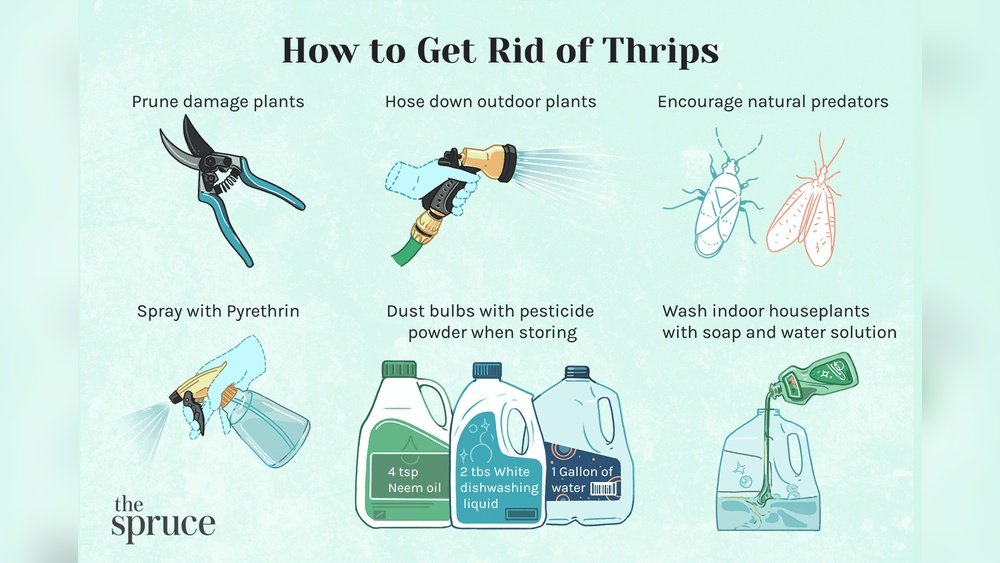
If you’ve ever noticed tiny, skinny insects crawling on your plants and mysterious silver streaks or speckled leaves, you might be dealing with thrips. These almost invisible pests can cause real headaches for gardeners, houseplant lovers, and farmers. Thrips are not just annoying—they can damage plants fast, and even spread diseases that are hard to control. But the good news: you can fight back and win, if you know how.
Understanding how to get rid of thrips on plants is not just about spraying something and hoping for the best. Thrips hide well, reproduce quickly, and damage plants in ways that are easy to miss at first. This article gives you a clear, step-by-step guide to identify thrips, understand their life cycle, and use the best methods—natural and chemical—to control and prevent them.
Whether you grow tomatoes on a farm or keep a single orchid on your windowsill, you’ll learn practical ways to protect your green friends and keep your plants thriving.
What Are Thrips And Why Are They A Problem?
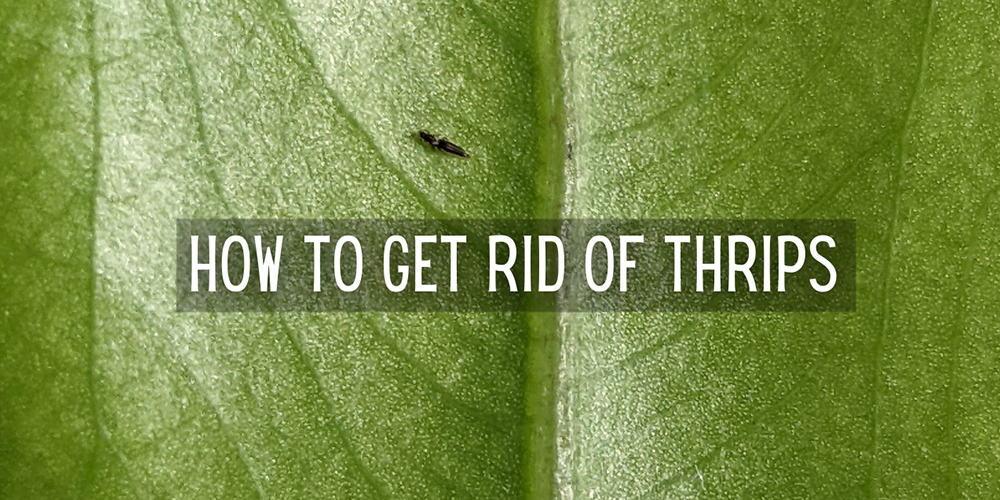
Thrips are tiny insects—usually just 1-2 mm long. Most are pale yellow, brown, or black, and have fringed wings. They are so small that people often mistake their damage for fungal disease, drought, or simple aging. But thrips are not harmless. They feed by puncturing plant cells and sucking out the contents, which leads to discolored patches, distorted growth, and even death in severe cases.
There are more than 6,000 species of thrips, but only a few are major pests for gardens and farms. The most common include:
- Western flower thrips (Frankliniella occidentalis)
- Onion thrips (Thrips tabaci)
- Greenhouse thrips (Heliothrips haemorrhoidalis)
These insects attack many plants, including vegetables, fruits, ornamentals, and even weeds. Besides feeding damage, thrips can spread viruses, such as Tomato spotted wilt virus and Impatiens necrotic spot virus, which can ruin entire crops.
What Makes Thrips Difficult To Control?
- Small size: Hard to see with the naked eye, so infestations often go unnoticed.
- Hiding habits: They tuck into buds, flowers, and leaf folds, making sprays hard to reach.
- Fast reproduction: One female can lay up to 300 eggs, and new generations appear every two weeks in warm weather.
- Wide host range: Thrips eat many kinds of plants, so they can survive even if you remove one type.
Understanding these points helps you use the right tactics, rather than just guessing or wasting time with weak solutions.
How To Identify Thrips And Their Damage
Finding thrips early is the first step toward control. But what should you look for?
Visual Signs Of Thrips
- Silvery or bronze streaks on leaves—this is the result of cell damage.
- Black dots (thrips poop) on leaves or petals.
- Distorted or curled leaves—new growth may look twisted.
- Stippled or faded patches on fruit, flowers, or stems.
- Tiny, fast-moving insects—shake a leaf over white paper and look for crawling specks.
Common Plant Symptoms
Some plants show special signs when thrips attack:
- Roses: Petals become streaked, buds may not open.
- Onions and leeks: Silver lines on leaves, plants may wilt.
- Tomatoes and peppers: Small fruit, scarring, or ringspot patterns.
- Houseplants: Leaves lose shine, new growth looks weak.
If you see these clues, act quickly. The earlier you spot thrips, the easier they are to control.
Using Sticky Traps
Yellow or blue sticky cards are great for detecting thrips. Place them near plants—thrips are attracted and get stuck. Check traps weekly to monitor numbers.
Credit: www.lovethatleaf.co.nz
The Thrips Life Cycle: Why Timing Matters
To beat thrips, you must know their life cycle. This lets you time treatments for maximum effect.
| Stage | Duration | Location | What They Do |
|---|---|---|---|
| Egg | 2–7 days | Inside plant tissue | Invisible, protected |
| Larva (1st & 2nd instar) | 4–7 days | Leaf surfaces, flowers | Feeding on plant sap |
| Pupa | 2–3 days | Soil or leaf litter | Not feeding, transforming |
| Adult | 30+ days | On plants | Feeding, laying eggs |
Key insight: Many sprays only kill larvae and adults, not eggs or pupae. That’s why repeat treatments are needed—one spray is almost never enough.
Step-by-step Guide: How To Get Rid Of Thrips
Dealing with thrips is a process, not a single action. Here’s a complete strategy, combining different methods for best results.
1. Isolate And Inspect
If you find thrips on a houseplant, isolate it right away. Check nearby plants—thrips move easily and can infect others quickly. In a garden, mark affected plants to monitor their progress.
2. Prune And Remove Damage
Cut off heavily infested leaves, buds, or flowers. Dispose of them in the trash, not compost—thrips can survive and spread from garden waste.
3. Use Water Sprays
A strong jet of water can knock thrips off leaves, especially on outdoor plants. Do this in the morning so leaves dry quickly, reducing risk of fungal disease.
4. Apply Biological Controls
Natural enemies can control thrips without chemicals. Some of the best:
- Predatory mites (Amblyseius swirskii, Neoseiulus cucumeris)
- Minute pirate bugs (Orius insidiosus)
- Lacewing larvae
Release these in greenhouses or gardens. They eat thrips at all stages.
5. Try Organic Sprays
Some natural sprays can help, especially for light infestations or on edible plants:
- Insecticidal soap: Breaks down thrips’ outer layer; safe for most plants.
- Neem oil: Disrupts growth and feeding; follow label directions.
- Horticultural oils: Suffocate thrips on contact.
Spray all plant surfaces, including under leaves. Repeat every 4–7 days for two weeks.
6. Use Chemical Insecticides (if Necessary)
For severe cases, chemical sprays may be needed. Always try softer options first, and rotate chemicals to avoid resistance.
| Insecticide Type | Active Ingredient | Advantages | Limitations |
|---|---|---|---|
| Systemic | Imidacloprid | Moves inside plant, kills hidden thrips | Not for edible crops, pollinator risk |
| Contact | Spinosad | Effective, low toxicity to people | Can harm bees, must cover all surfaces |
| Pyrethrin-based | Pyrethrins | Fast knockdown | Short-lived, repeat needed |
Common mistake: Spraying only once or missing leaf undersides. Thrips hide well—thorough, repeated coverage is key.
7. Trap And Monitor
Sticky traps not only detect thrips but can reduce their numbers. Use several traps for large infestations, and replace when full.
8. Improve Plant Health
Healthy plants tolerate thrips better. Water, fertilize, and avoid over-crowding. Stress makes plants more vulnerable.
9. Control Weeds And Remove Debris
Weeds and plant litter can host thrips and their eggs. Keep the area clean, especially under benches in greenhouses.
10. Repeat Treatments And Watch Closely
Because thrips have eggs and pupae hidden away, you must repeat treatments every 4–7 days for at least three cycles. Monitor plants for new damage and adjust your approach as needed.
Natural And Organic Ways To Control Thrips
Many people prefer to avoid chemicals, especially on food crops or houseplants. Here are proven natural strategies:
Biological Control Agents
Releasing predatory insects is one of the most effective and environmentally friendly ways to fight thrips. Minute pirate bugs and predatory mites hunt thrips in their hiding spots and can reduce populations fast.
Tip: Introduce biological controls early, before thrips explode in numbers. They work best as prevention or for light infestations.
Homemade Sprays
Some home remedies can help, though results vary:
- Soap Spray: Mix 1 teaspoon of mild liquid soap (no degreasers) per 1 quart of water.
- Garlic or chili spray: Blend a few cloves of garlic or hot chili peppers in water, strain, and spray.
- Alcohol solution: Dilute isopropyl alcohol (70%) to half strength with water, and dab on leaves.
Always test on a small area first—some plants are sensitive.
Physical Barriers
- Floating row covers: Protect young vegetables in the garden, especially onions and beans.
- Fine mesh screens: On greenhouse vents or windows, keep thrips from entering.
Encourage Beneficial Insects
Planting flowers like alyssum or marigolds attracts natural predators. Avoid broad-spectrum insecticides that kill helpful bugs.
Chemical Control: When And How To Use Safely
Chemical treatments should be a last resort, but sometimes they are necessary for major outbreaks, especially in commercial settings.
Choosing The Right Product
- Spinosad: Effective, approved for organic use in many places.
- Imidacloprid: Systemic; only for non-edible plants due to pollinator risks.
- Pyrethrins: Short-lived, good for quick knockdown.
Always read the label—never use more than recommended.
Application Tips
- Spray early morning or late evening to protect bees and avoid leaf burn.
- Rotate chemicals to prevent resistance. Never use the same product every time.
- Cover all surfaces, especially leaf undersides—this is where thrips hide.
- Wear gloves and a mask when using chemical sprays.
Integrated Pest Management (ipm)
Combining methods—cultural, biological, and chemical—gives the best long-term results. This approach limits chemical use and keeps thrips from coming back.
How To Prevent Thrips Infestation
Prevention is easier than fighting a big infestation. Here are strategies to keep thrips away:
Start With Healthy Plants
Inspect new plants before bringing them home. Look under leaves and in flowers for thrips or their damage.
Quarantine New Arrivals
Keep new houseplants separate for two weeks. This gives time to spot hidden pests before they spread.
Maintain Good Hygiene
Clean up fallen leaves and plant debris regularly. Thrips and their eggs can hide in this material.
Use Resistant Varieties
Some plants and seeds are bred to resist thrips or their viruses. Ask your garden center for advice.
Monitor Regularly
Check plants weekly, especially during warm, dry weather when thrips are most active.
Avoid Over-fertilizing
Too much nitrogen makes plants lush and soft—thrips love this kind of growth. Fertilize only as needed.
Control Weeds
Remove weeds and wildflowers near your garden or greenhouse. These can serve as a breeding ground for thrips.
Encourage Natural Predators
Grow a variety of flowers to attract beneficial insects. Avoid using broad-spectrum insecticides that kill both pests and helpers.
Thrips Management For Indoor Plants
Houseplants are not immune to thrips, and indoor environments can let populations explode if not managed.
Steps For Houseplant Owners
- Isolate infested plants immediately.
- Shower leaves with lukewarm water to knock off thrips.
- Prune away damaged growth and dispose of it.
- Apply insecticidal soap or neem oil every 5–7 days.
- Wipe leaves gently with a damp cloth or alcohol solution for small infestations.
- Use sticky traps near plants for early detection.
- Increase humidity—thrips prefer dry conditions.
Advanced tip: For valuable or rare plants, consider placing them in a clear plastic bag (mini greenhouse) after treating. This keeps new thrips from arriving while you monitor progress.
Special Challenges Indoors
- No natural predators: Indoor environments lack beneficial insects.
- Faster spread: Close plant spacing allows thrips to move easily.
- Chemical caution: Many sprays can harm pets or people—use only products labeled safe for indoor use.
Thrips Control In Greenhouses And Farms
For commercial growers, thrips can cause severe economic loss. Control requires a combination of sanitation, biological control, and careful spraying.
Best Practices For Large-scale Growing
- Sanitize between crops: Clean benches, pots, and tools with disinfectant.
- Use insect-proof screens: Keep thrips out of greenhouses.
- Release beneficial insects: Minute pirate bugs and predatory mites can control outbreaks if used early.
- Scout weekly: Check plants with sticky traps and by examining flowers and new leaves.
- Rotate crops: Don’t plant the same species in the same place each year.
- Chemical rotation: Use different chemical families to avoid resistance.
Monitoring And Record-keeping
Keep records of trap counts, spray dates, and predator releases. This helps spot trends and improves future control.
Insider tip: Many growers fail to control thrips because they spray only when damage is visible. Start early—by the time you see silver patches, thrips have already built up.
Comparing Thrips Control Methods
Which method works best? It depends on your situation: plant type, environment, and infestation level.
| Method | Best For | Advantages | Drawbacks |
|---|---|---|---|
| Biological controls | Greenhouses, gardens | Eco-friendly, long-term | Best for low/moderate infestations |
| Organic sprays | Edible crops, houseplants | Safe, minimal residue | Needs frequent reapplication |
| Chemical insecticides | Severe infestations, commercial | Fast action | Resistance risk, environmental harm |
| Physical barriers | Seedlings, high-value crops | Prevents entry | Can be costly, not foolproof |
| Water sprays | Outdoor plants | No chemicals, immediate effect | Thrips can return fast |
Non-obvious insight: Combining methods is usually far more effective than relying on just one. For example, use biological controls alongside sticky traps and regular plant checks.
Common Mistakes When Fighting Thrips
- Spraying only once: Eggs and hidden stages survive, and thrips rebound quickly.
- Ignoring leaf undersides: Most thrips hide here; missing this allows survival.
- Relying only on chemicals: Resistance builds up. Combine with other methods.
- Skipping monitoring: Not checking traps or leaves means you miss early outbreaks.
- Poor sanitation: Old leaves or weeds nearby can undo all your hard work.
Extra tip: Don’t stop treatments as soon as you see improvement. Continue monitoring and treating for at least two more weeks to prevent a new outbreak.
Thrips-resistant Plants And Varieties
While no plant is fully immune, some are less attractive to thrips or tolerate damage better.
- Marigolds and basil: Often used as companion plants to repel thrips.
- Certain lettuce and onion varieties: Some types are bred for resistance.
- Tough-leaved plants: Thrips prefer soft, thin leaves; succulents and ferns are less affected.
Ask your local extension service for the latest resistant varieties—they often keep lists based on your region.
What To Do If Thrips Keep Coming Back
Sometimes, even after strong efforts, thrips return. Here’s what you can do:
- Review your methods: Are you missing a step? Overlooking weeds or not spraying leaf undersides?
- Change your products: Resistance is common—rotate insecticide classes.
- Improve monitoring: Add more sticky traps or check more often.
- Ask for help: Contact a local garden center, county extension, or a pest control expert. They may spot something you missed.
When To Seek Professional Help
Most home gardeners can manage thrips with the steps above. But seek expert help if:
- You have a valuable collection (rare orchids, commercial greenhouse).
- Thrips spread viruses to your crops.
- You’ve tried all methods and still have a heavy infestation.
Professionals can use advanced methods and offer advice tailored to your situation.
Credit: www.ourhouseplants.com
The Bottom Line On Thrips Control
Thrips are challenging but not unbeatable. The key is early detection, combining methods, and persistence. Don’t rely on a single spray or just one tactic. Monitor regularly, act quickly, and keep your plants strong. Over time, you’ll learn what works best in your environment—and your plants will thank you with healthy, beautiful growth.
For more detailed information on thrips and integrated pest management, you can visit the University of Florida’s Entomology Department.
Frequently Asked Questions
What Are The First Signs Of A Thrips Infestation?
The first signs are silvery streaks or patches on leaves, black specks of thrips feces, and distorted or curled new growth. You might also see tiny moving insects if you shake a leaf over white paper.
Are Thrips Harmful To Humans Or Pets?
Thrips do not bite humans or pets, and they are not dangerous. The main problem is plant damage and the spread of plant viruses.
How Long Does It Take To Get Rid Of Thrips?
It usually takes 2–4 weeks of repeated treatments, depending on how bad the infestation is. Remember to continue monitoring for at least two more weeks after you see improvement.
Can I Eat Vegetables That Had Thrips?
Yes, you can eat vegetables that had thrips, as long as you wash them well. Thrips do not make vegetables unsafe, but check for damaged or scarred areas.
Do Yellow Sticky Traps Really Help Control Thrips?
Yes, yellow sticky traps catch adult thrips and help you monitor their numbers. While traps alone won’t solve a large infestation, they are a useful part of an integrated control strategy.

Credit: www.youtube.com