

When cold weather arrives, outdoor plants face new challenges. Many gardeners worry about frost, snow, and icy winds. But with the right steps, you can help your plants survive winter and thrive in spring. Winterizing outdoor plants is not only about covering them.
It’s about understanding their needs and giving them the best chance to grow again. If you’ve ever lost a favorite plant to a hard winter, you know how important it is to prepare in advance.
This guide will show you how to winterize outdoor plants, from small potted flowers to large shrubs and trees. You’ll learn practical tips, common mistakes to avoid, and get answers to the questions most gardeners have. Even if you’re new to gardening, these steps will make the process simple and clear.
Understanding Plant Hardiness
Every plant has a different level of cold tolerance. This is called its hardiness. Knowing your plant’s hardiness is the first step to winter protection.
What Is The Usda Hardiness Zone?
The United States Department of Agriculture (USDA) created a map that shows different hardiness zones. Each zone is based on the average coldest temperature in your area. For example, Zone 5 can reach -20°F, while Zone 9 rarely falls below 20°F. You can find your zone by searching online or checking local garden centers.
Why Zones Matter
A plant rated for Zone 7 may not survive a Zone 5 winter without help. Some plants are called tender perennials or annuals in cold climates. These need extra care or must be brought indoors.
Beyond The Map
Hardiness zones are a starting point, but other factors matter too:
- Wind exposure: Strong winds can dry out and freeze plants.
- Soil drainage: Wet roots in winter often die from rot.
- Microclimates: Areas near walls or fences may stay warmer.
Tip: Group plants with similar hardiness together. This makes winter care easier.
Preparing Your Garden For Winter
Preparation starts before the first frost. Late fall is the best time to start winterizing outdoor plants.
Clean Up Debris
Leaves, old stems, and weeds can hide pests and diseases. Remove all plant debris from garden beds. This reduces the risk of problems next year.
Prune Carefully
Some plants benefit from light pruning in fall, but others do not. Here’s a quick guide:
| Plant Type | Fall Pruning? | Notes |
|---|---|---|
| Roses | Yes, lightly | Remove dead wood, but save heavy pruning for spring |
| Perennials (e.g., daylilies) | Yes | Cut back to 2-3 inches above ground |
| Spring-flowering shrubs (e.g., lilac) | No | Prune after flowering, not in fall |
| Evergreens | No | Prune in early spring only |
Pruning at the wrong time can stimulate new growth, which is easily damaged by cold.
Water Deeply
Before the ground freezes, water your plants well. Moist soil holds heat longer than dry soil. This helps protect roots from freezing. However, do not overwater—soggy soil causes rot.
Fertilizing: Yes Or No?
Stop fertilizing about six weeks before your first frost. Fertilizer encourages new growth, which will not have time to harden before winter. In some cases, using slow-release organic fertilizers in early fall is safe, but avoid high-nitrogen types late in the season.
Mulching For Winter Protection
Mulch acts as a blanket for your plants. It keeps soil temperatures steady and protects roots from freeze-thaw cycles.
Types Of Mulch
Common mulch materials include:
- Shredded bark
- Straw
- Pine needles
- Compost
- Leaf mold
Each type has its benefits. For example, straw is light and easy to remove in spring. Bark lasts longer and looks neat.
How Much Mulch?
Apply mulch 2-4 inches deep around plants. Keep mulch 1-2 inches away from stems to prevent rot. For tender perennials, you can add more mulch for extra protection.
When To Mulch
Wait until the ground is cold but not frozen. If you mulch too early, mice and other pests may nest in the warm layer.
Special Tip For Young Trees
Young trees are especially sensitive to winter. Place mulch in a wide circle around the trunk, but do not pile it against the bark. This prevents rodent damage and disease.
Protecting Potted And Container Plants
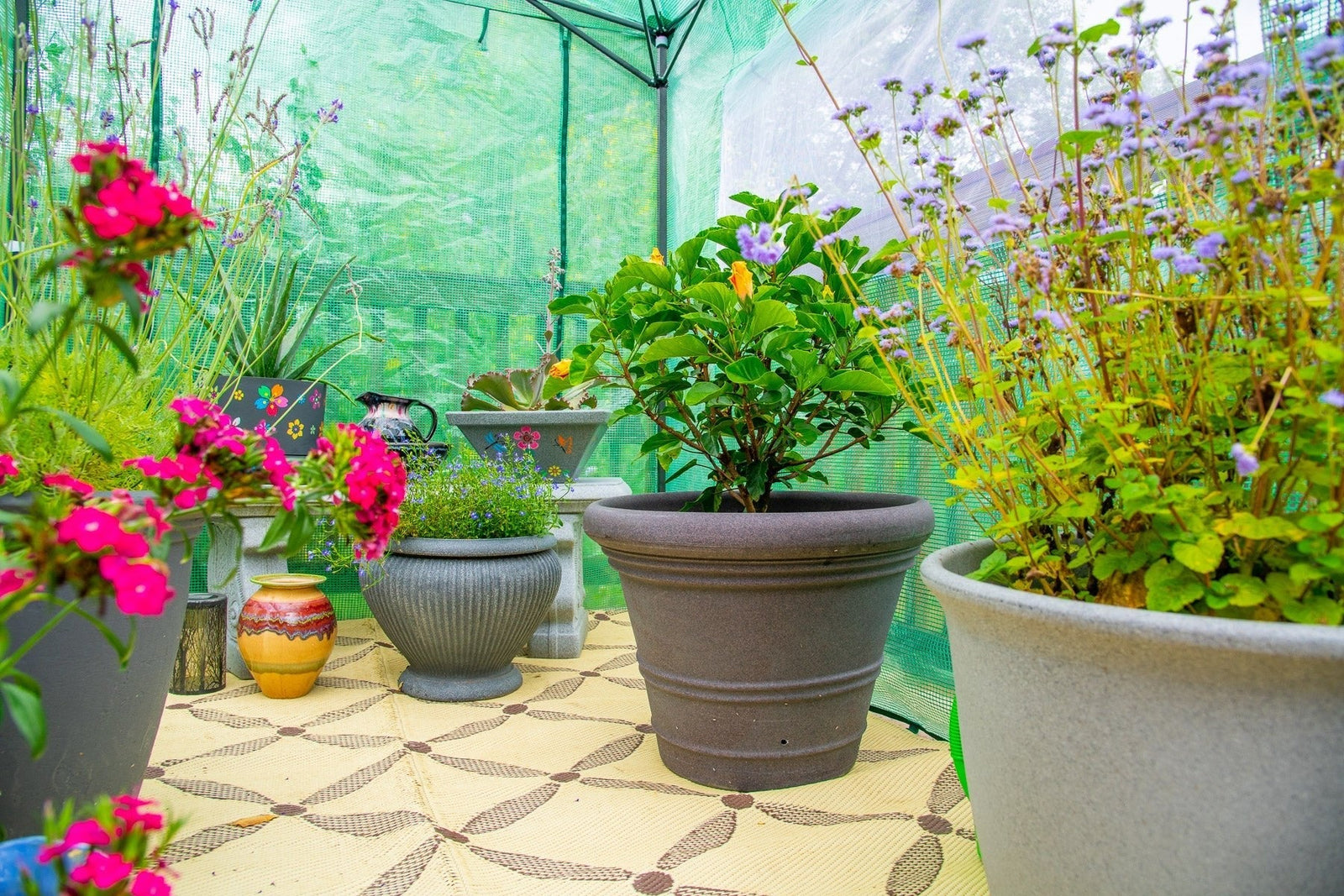
Outdoor pots and containers are more exposed to cold than garden beds. Their soil freezes faster, and roots have less insulation.
Move Pots To Sheltered Areas
Move pots close to the house, under eaves, or into an unheated garage or shed. Even a south-facing wall can add a few degrees of warmth.
Bury Pots In The Ground
For valuable or sensitive plants, dig a hole and bury the whole pot in soil. The earth insulates the roots and reduces temperature swings.
Use Insulating Materials
Wrap pots with bubble wrap, burlap, or old blankets. Some gardeners use foam or straw between pots. Be sure to keep drainage holes open.
Watering Container Plants
Do not let pots dry out completely, but avoid soggy soil. Frozen, dry soil can kill roots, but so can waterlogged soil.
Covering And Wrapping Plants
Covers protect plants from wind, snow, and sudden temperature drops.
When To Cover
Covering is most useful for:
- Frost-sensitive perennials
- Evergreens in windy spots
- Newly planted shrubs or trees
Materials For Covering
You can use:
- Burlap
- Frost cloth (garden fleece)
- Old bedsheets
- Cardboard boxes (for small plants)
Never use plastic directly on plants—it traps moisture and can cause rot. If you use plastic, always allow for air flow and remove it on sunny days.
How To Cover
Build a simple frame with stakes or tomato cages, then drape your material over the top. This keeps the cover off leaves and prevents crushing.
Wrapping Trees And Shrubs
Young trees and thin-barked species (like maples) can be wrapped with tree wrap or burlap to prevent sunscald and frost cracks.
Tip: Remove covers on warmer days to prevent overheating and fungal diseases.
Caring For Evergreens In Winter
Evergreens lose water through their leaves all winter. This is called transpiration. If the soil is frozen, they can’t replace lost water, leading to brown needles and dieback.
Watering Before Winter
Give evergreens a deep soak before the ground freezes, especially during dry falls.
Anti-desiccant Sprays
Garden centers sell anti-desiccant sprays that coat leaves with a thin, waxy layer. This reduces water loss. Apply sprays in late fall, and repeat if needed during thaw periods.
Wind Protection
Wind dries evergreens quickly. Erect a burlap screen on the windy side, or plant windbreaks like dense shrubs.
Salt Damage
Road salt harms evergreens near driveways or streets. Use sand instead of salt for icy paths, and build barriers with burlap or plastic mesh.
Dealing With Snow And Ice
Snow can be both a friend and a foe. Light snow insulates plants, but heavy, wet snow can break branches.
Snow Tips
- Do not shake ice or heavy snow off branches. Wait for it to melt naturally to avoid breaking limbs.
- Gently brush off fresh, fluffy snow with a broom.
- Tie together the branches of upright evergreens to prevent splitting.
Ice Damage
If ice coats branches, let it melt. Trying to remove ice often causes more harm than good.
Special Care For Perennials
Many perennials need little winter care, but some benefit from extra steps.
Cut Back Or Leave Standing?
Some perennials look good in winter and feed birds (like coneflowers and black-eyed Susans). Others, such as hostas, should be cut back to prevent disease.
Dividing And Transplanting
Fall is a good time to divide or move perennials. Do this early, so roots can recover before the ground freezes.
Extra Mulch For Tender Perennials
Add a thick layer of mulch after the first frost. Peonies, dahlias, and cannas may need even more protection or to be dug up and stored indoors.
Credit: www.sproutboxgarden.com
Winterizing Bulbs
Bulbs such as tulips, daffodils, and crocuses are usually hardy. But some need special care.
Planting Depth
Plant bulbs at the correct depth—usually two to three times the bulb’s height. Deep planting protects against frost.
Lifting Tender Bulbs
Bulbs like dahlias, gladiolus, and elephant ears can’t survive freezing. Dig them up after the first frost, let them dry, and store in a cool, dry place.
Protecting Hardy Bulbs
Add a light mulch layer after the ground cools. This keeps temperature steady and prevents early sprouting.
Winterizing Trees And Shrubs
Large plants are often tougher, but young or newly planted trees need help.
Staking Young Trees
Winter winds can uproot young trees. Stake them loosely, allowing some movement, which helps roots grow strong.
Protecting Against Animals
Deer, rabbits, and rodents may chew bark and branches. Use tree guards or wrap trunks with hardware cloth. Remove guards in spring to prevent moisture buildup.
Painting Tree Trunks
In sunny, cold climates, paint the south side of trunks with white latex paint. This prevents sunscald, where bark cracks from temperature swings.
Lawns And Groundcovers
Don’t forget your grass and groundcover plants.
Last Mow
Cut your lawn slightly shorter for the last mow—about 2 inches. This helps prevent snow mold and matting.
Rake Leaves
Remove heavy layers of leaves from grass. Thick leaves block sunlight and trap moisture, causing disease.
Groundcover Tips
Creeping plants like ivy or vinca benefit from a thin mulch layer. Check for signs of rodents, which may hide under dense groundcovers.
Common Mistakes To Avoid
Many gardeners make the same errors when winterizing outdoor plants. Avoid these pitfalls for better results.
- Covering too early: Mulching or covering before hard frost can attract pests.
- Using too much mulch: More is not always better. Thick piles can smother roots or encourage disease.
- Ignoring drainage: Waterlogged soil kills roots faster than cold does.
- Pruning at the wrong time: Late pruning leads to weak new growth.
- Neglecting containers: Pots freeze faster; don’t forget them.
- Leaving covers on during warm spells: Plants need air and light.
Credit: www.eaglepeak.com
Non-obvious Insights For Better Winterizing
While the basic steps are well-known, some advanced tips can make a big difference.
Monitoring Microclimates
Every garden has warm and cool spots. Concrete, stone, or brick walls store heat during the day and release it at night. Placing sensitive plants near these “thermal banks” can add a few degrees of protection.
Timing Is Everything
Don’t rush the process. Allow plants to slow down naturally as days shorten and temperatures fall. Sudden changes, like moving pots indoors too early, can stress plants.
Use Snow As Insulation
Fresh snow is a great insulator. If you get a heavy snow before a deep freeze, let it cover perennial beds. It keeps soil temperatures steady and protects roots.
Check For Pests Before Wrapping
Mice and insects may hide in mulch or under covers. Inspect for signs of pests before adding winter protection. This step is often missed and can save your plants from surprise damage.
Labeling And Mapping
It’s easy to forget what you planted where, especially if you cover beds with mulch or straw. Use weatherproof labels or draw a garden map in fall. This makes spring cleanup faster and helps you spot missing plants.
How Winterizing Differs By Plant Type
Different plants need different approaches. Here’s a quick comparison:
| Plant Type | Main Risk | Best Protection | Special Notes |
|---|---|---|---|
| Evergreens | Water loss, wind | Mulch, anti-desiccant, windbreak | Avoid salt exposure |
| Perennials | Freeze-thaw cycles | Mulch, cut back dead stems | Some can overwinter naturally |
| Bulbs | Deep frost, rot | Correct planting depth, mulch | Lift tender bulbs after frost |
| Potted plants | Root freezing | Move, wrap, insulate | Monitor water closely |
| Trees/Shrubs | Bark damage, animals | Wrap trunks, stake, guard | Protect young trees most |
Climate-specific Winterizing Tips
Your location changes how you approach winterizing outdoor plants.
Cold Climates (zone 6 And Below)
- Use thicker mulch (up to 6 inches) for tender plants.
- Choose hardy varieties when planting.
- Protect evergreens from drying winds.
Mild Climates (zone 7 And Above)
- Watch for wet winters—good drainage is key.
- Some pests stay active all winter; check for signs.
- Mulch mainly for temperature swings, not deep cold.
Mountain Or High Wind Areas
- Windbreaks are essential for exposed plants.
- Water deeply before ground freezes, as wind dries soil fast.
- Use heavier covers to prevent wind damage.
Winterizing Edible Plants And Herbs
Vegetable gardens and herbs need special care.
Annual Vegetables
Pull out old plants after harvest. Add compost and mulch to protect soil life over winter.
Perennial Vegetables (e.g., Asparagus, Rhubarb)
Cut back stems after frost. Add extra mulch to crowns. Remove mulch in spring to avoid rot.
Herb Care
- Rosemary: Bring pots indoors, or insulate well outdoors.
- Thyme, oregano, sage: Mulch lightly, cut back only dead stems.
- Parsley: Can survive light frost but dies in deep cold. Mulch or cover for extra protection.
Fruit Trees And Berries
Mulch around bases, but keep mulch off trunks. Protect young bark from animals. Prune only in late winter or early spring.
Planning For Spring Recovery
Winterizing isn’t just about surviving cold—it helps plants bounce back in spring.
Remove Mulch Gradually
Wait until the soil warms and frosts are past. Removing mulch too early can expose new growth to cold snaps.
Inspect For Damage
Check plants for broken branches, chewed bark, or mold. Prune out damaged parts to help recovery.
Feed And Water
Begin watering as soon as the soil thaws. Add a gentle fertilizer when new growth appears.
Divide And Replant
Spring is the best time to divide crowded perennials or move plants that didn’t thrive.
Tools And Supplies Checklist
Having the right tools makes winterizing outdoor plants easier and faster.
- Pruners: For cutting back stems and branches
- Mulch: Enough to cover all sensitive areas
- Burlap or frost cloth: For covers and windbreaks
- Stakes and twine: To support covers and young trees
- Watering can or hose: For deep watering
- Labels/markers: For keeping track of plants
- Gloves and boots: For cold, wet days
- Tree wrap or guards: For protecting trunks
Tip: Clean and sharpen tools before storing them for winter.
:strip_icc()/BHG-ornamental-kale-1hRoFB304v88AHXM3Wr2gC-a645984cd5e04241b238e2da97c500cc.jpg)
Credit: www.bhg.com
Frequently Asked Questions
How Do I Know Which Plants Need Winter Protection?
Check each plant’s USDA hardiness rating and compare it to your zone. Tender plants, new plantings, and potted plants need the most help. Evergreens and young trees also benefit from extra care.
Can I Use Leaves As Mulch For Winterizing Outdoor Plants?
Yes, shredded leaves are an excellent and free mulch. Whole leaves can mat together and block air, so shred them first if possible. Spread them 2-4 inches deep, keeping them away from plant stems.
Is It Better To Cover Plants With Plastic Or Fabric?
Fabric is safer for most plants. Burlap, frost cloth, or old sheets allow air and moisture to pass through. Plastic traps moisture and heat, which can cause rot unless it’s propped up and removed during sunny days.
When Should I Remove Winter Covers And Mulch?
Wait until the danger of hard frost is past and you see new growth. In most areas, this is mid to late spring. Remove covers on warm days if possible to prevent overheating.
What Should I Do If I See Winter Damage In Spring?
Trim off dead or damaged growth. Give the plant a chance to recover before removing it. Sometimes, perennials and shrubs will regrow from the base even if upper parts look dead.
Taking time to winterize outdoor plants can make all the difference between a garden that struggles and one that bursts with life in spring. By understanding your climate, using the right materials, and paying attention to each plant’s needs, you’ll protect your investment and enjoy a more beautiful, healthy garden year after year.
If you want to learn more about plant hardiness zones and how they affect winter care, you can visit the USDA Plant Hardiness Zone Map for detailed information.