
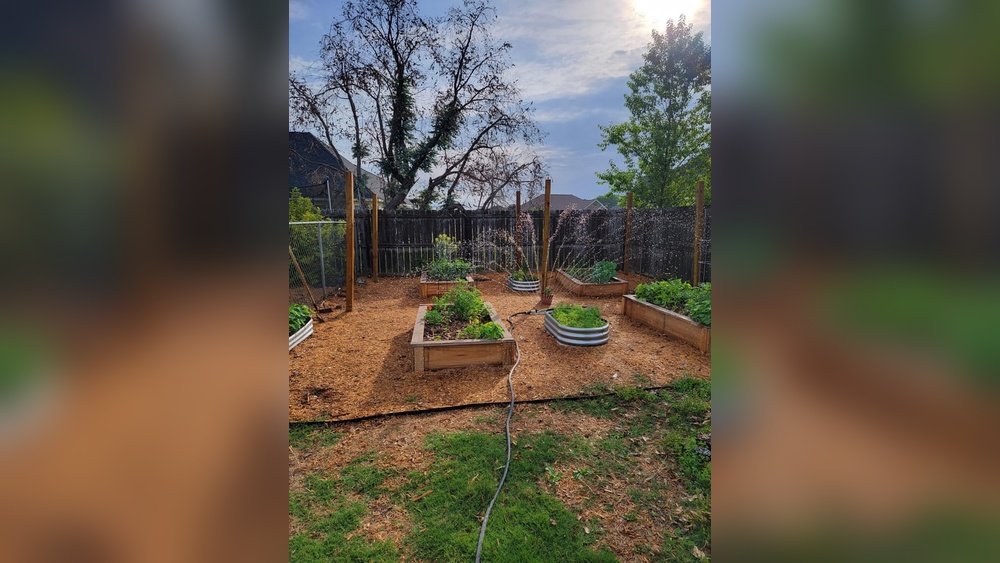
Rabbits look cute hopping through the grass, but if you’re a gardener, they’re often unwanted guests. These animals can destroy young plants, chew on vegetables, and leave your garden looking like a buffet. Many people struggle to keep rabbits out, especially in spring and summer when plants are growing fast.
The challenge is to deter rabbits without harming them or your garden. There are many ways to protect your plants, but not all methods work for every situation. In this guide, you’ll learn practical tips, proven strategies, and even some tricks that most beginners overlook.
Whether you have a small backyard or a large vegetable plot, you’ll find solutions that fit your needs.
Understanding Rabbit Behavior
Before you try to deter rabbits, it helps to know why they’re attracted to gardens. Rabbits are herbivores. They eat grass, leaves, flowers, and vegetables. Gardens offer rabbits easy food and safe hiding spots. Most rabbits visit at dawn or dusk, but they can be active anytime. Understanding their habits lets you plan your defenses more effectively.
Why Gardens Attract Rabbits
- Fresh greens: Young shoots and tender leaves are favorites. Rabbits are drawn to new growth because it’s soft and easy to eat. For example, seedlings, sprouting beans, and lettuce are tempting targets.
- Shelter: Dense plants, shrubs, and piles of debris make good hiding spots. Rabbits need cover from predators, so thick bushes or stacks of wood are attractive for nesting and resting.
- Easy access: Open fences, gaps under gates, or low walls invite rabbits in. They look for places where entry is simple, especially if there are no barriers or if the fence sits above ground.
How Rabbits Damage Gardens
Rabbits bite off stems close to the ground. They often leave clean-cut damage. If you see plants missing leaves or stems, and droppings shaped like small pellets, rabbits are likely the cause. They can ruin crops overnight, especially lettuce, carrots, beans, and peas.
Sometimes, you’ll notice bark stripped from young trees or shrubs, which can kill the plant. Another sign is the missing flower buds—rabbits love to nibble on them, leaving only the stalk behind. It’s important to identify rabbit damage early because repeated feeding weakens plants, making them more likely to die or produce less.
Non-obvious insight: Rabbits have strong teeth and can chew through thin plastic or soft wood. If you use plastic pots or soft edging, be aware they may not last long against persistent rabbits.
Fencing Solutions
One of the best ways to keep rabbits out is physical barriers. Fences work well if installed correctly, but not all fences stop rabbits. Here’s how to make fencing effective.
Choosing The Right Fence
Rabbits are skilled diggers and can squeeze through small holes. The fence should be:
- At least 2 feet high (60 cm): This height stops most rabbits from jumping over.
- Made of wire mesh with openings smaller than 1 inch (2.5 cm): Anything larger lets young rabbits squeeze through.
- Buried 6-12 inches (15-30 cm) below the soil to prevent digging: Rabbits dig tunnels, so a buried fence is essential.
For added security, consider using hardware cloth instead of chicken wire. Hardware cloth has smaller openings and is stronger, making it harder for rabbits to chew or push through. If you live in an area with many rabbits, you might choose a fence that’s even higher, around 3 feet, to protect against larger breeds.
Installation Tips
- Curve the bottom of the mesh outward underground to stop digging. This creates a barrier that’s hard to bypass.
- Make sure gates and corners are tightly closed. Rabbits often target weak spots, so reinforce these areas.
- Check for gaps regularly. Rabbits can exploit even small holes. After heavy rain or wind, inspect your fence to ensure it hasn’t shifted.
When installing, use sturdy posts spaced close together. Over time, fences can sag, so regular maintenance is needed. If you have a sloped yard, adjust the fence height to keep it consistent.
Comparing Fence Types
Here’s a quick comparison of popular garden fences:
| Fence Type | Effectiveness | Cost | Durability |
|---|---|---|---|
| Chicken wire | High | Low | Moderate |
| Hardware cloth | Very High | Medium | High |
| Plastic mesh | Medium | Low | Low |
| Wooden fence | Low | High | High |
Hardware cloth is often recommended for serious gardeners because it’s strong and lasts longer. However, chicken wire is easier to install and cheaper. Plastic mesh may work for temporary protection, but rabbits can chew through it or push it aside.
Common Mistakes
Many gardeners install fences that are too short or forget to bury them. Rabbits can jump or dig, so a tall, buried fence is necessary. Also, some use wide mesh, which lets small rabbits squeeze through.
Another mistake is leaving the gate open or installing it without a buried edge. Rabbits often find the gate area as the easiest entry point. Sometimes, gardeners forget to check the fence after storms, which can create gaps. For larger gardens, using only perimeter fencing and not protecting vulnerable areas inside can lead to losses.
Non-obvious insight: If you have raised beds, don’t assume the walls are enough. Rabbits may jump or climb, so add mesh around the edges, especially for beds with soft soil.
Using Natural Deterrents
Some plants and substances can repel rabbits naturally. This is a smart choice if you don’t want to build fences or use chemicals.
Planting Rabbit-resistant Plants
Certain plants are less appealing to rabbits. Try these around your garden’s edges:
- Lavender: Strong smell deters rabbits. Plant it in sunny spots; it’s also drought-resistant.
- Marigolds: Rabbits dislike their taste and odor. These grow quickly and add bright color.
- Thyme: Not attractive to rabbits. Good for ground cover and borders.
- Geraniums: Bitter leaves discourage feeding. They grow well in pots or beds.
- Onions and garlic: Strong scent keeps rabbits away. Plant them between rows of vegetables.
You can also try sage, chives, and mint. While no plant is 100% rabbit-proof, these reduce damage.
If you want to protect a vegetable patch, surround it with a border of these plants. For example, plant marigolds around lettuce beds or mix thyme with beans. Some gardeners grow rosemary, which also has a strong scent.
Non-obvious insight: Rabbits often avoid fuzzy-leaved plants, so add lamb’s ear or dusty miller to your borders.
Homemade Repellents
You can make sprays at home to protect plants. A common recipe is:
- Mix 2 tablespoons crushed garlic, 1 tablespoon hot pepper flakes, and 2 cups water.
- Let it sit overnight, strain, and spray on leaves.
This solution works because rabbits dislike strong odors and spicy flavors. Reapply after rain.
Some gardeners add a drop of dish soap to help the spray stick to leaves. Another option is mixing eggs with water, which creates a sticky, smelly coating. Be careful, as too much can harm delicate plants.
Commercial Repellents
There are many products in stores. Most use predator scents or strong smells. Look for repellents with:
- Putrescent egg solids
- Blood meal
- Peppermint oil
Always follow instructions. Some repellents wash away easily, so you may need to reapply.
For best results, combine repellents with physical barriers. Spray repellent on fence edges and near entry points. Some products come in granular form, which you can sprinkle around beds.
Data: Effectiveness Of Repellents
| Repellent Type | Duration | Effectiveness | Safe for Plants |
|---|---|---|---|
| Homemade spray | 1-3 days | Medium | Yes |
| Commercial predator scent | 1-2 weeks | High | Yes |
| Blood meal | 2 weeks | Medium | Yes |
| Garlic oil | 3-5 days | Medium | Yes |
Non-obvious insight: Rotate repellents every few weeks. Rabbits can get used to a single scent if it stays the same.
Creating Physical Barriers
Besides fences, you can use smaller barriers to protect individual plants or sections.
Plant Cages And Covers
Wire cages placed over young plants can protect them until they grow strong. Use mesh small enough to block rabbits but large enough for sunlight and rain.
- Row covers: Lightweight fabric covers rows of plants. These prevent rabbits from reaching leaves and stems. Choose breathable material so plants don’t overheat.
- Cloche: Dome-shaped covers for single plants. Great for seedlings and small flowers. Cloches can be made from plastic bottles with the bottom cut out.
These are best for seedlings and vulnerable crops. For larger plants, use mesh tunnels or hoops, which let air and water in but keep rabbits out.
Raised Beds
Planting in raised beds can help. Rabbits have trouble jumping into beds that are 18 inches (45 cm) or higher, especially if sides are smooth.
- Use wood, stone, or brick for bed walls. Make sure the edges are high and vertical.
- Consider adding mesh covers for extra protection. Hinged lids or removable mesh panels make maintenance easier.
Raised beds also improve drainage and reduce weeds, so they’re a good investment for vegetable gardens.
Mulch And Gravel
Some gardeners add gravel or stone mulch around plants. Rabbits avoid rough surfaces. This works best for flower beds, not vegetables.
Mulch made from pine needles or bark is less effective. If you use gravel, create a wide band around the bed. For added protection, use sharp-edged stones.
Non-obvious insight: Combine mulch with scent deterrents for double protection. For example, sprinkle blood meal on the gravel.
Scaring Rabbits Away
Rabbits are easily frightened by movement, noise, and predators.
Visual Deterrents
- Fake owls or snakes: Place plastic models in the garden. Move them every few days so rabbits don’t get used to them. Realistic models work best.
- Reflective tape: Shiny strips flutter in the wind, making rabbits nervous. Hang tape from stakes or branches near vulnerable beds.
Some gardeners use old CDs or aluminum foil strips. These catch the sun and move with the breeze, creating random flashes that rabbits dislike.
Noise Makers
- Wind chimes: Soft sounds startle rabbits. Hang them near entry points or beds.
- Ultrasonic devices: Emit high-frequency sounds. Some people report success, but results vary. Place these devices low to the ground where rabbits roam.
For larger gardens, use motion-activated alarms. These make sudden noises when triggered, which scares rabbits away.
Using Pets
Dogs, especially active breeds, can keep rabbits away. Even the scent of a dog is enough to scare rabbits. Cats may also deter rabbits but can harm birds and other wildlife.
If you don’t have a dog, consider placing dog hair or bedding near the garden. The scent may deter rabbits for a few days, but refresh it often.
Comparing Scare Tactics
| Method | Effectiveness | Cost | Effort Required |
|---|---|---|---|
| Fake predators | Medium | Low | Low |
| Reflective tape | Medium | Low | Low |
| Wind chimes | Low | Low | Low |
| Ultrasonic devices | Medium | Medium | Low |
| Dogs | High | Variable | High |
Non-obvious insight: Change scare tactics every few weeks. Rabbits can get used to static objects or sounds, so rotating methods keeps them uncertain.
Managing Habitat
Sometimes, gardens attract rabbits simply because they offer shelter. Removing hiding spots is a simple but often overlooked method.
Removing Debris
- Clear piles of leaves, branches, and grass. These create ideal hiding places.
- Trim overgrown shrubs and weeds. Rabbits use thick vegetation for cover.
- Store firewood off the ground. Use racks or platforms.
Regular cleanup makes your garden less attractive to rabbits. It also prevents other pests, like mice or insects, from moving in.
Mowing And Trimming
Keep grass short and borders trimmed. Rabbits prefer tall grass for cover. If your lawn is neat, they’re less likely to stay.
For flower beds, thin out dense plantings. Leave space between rows so rabbits can’t hide easily.
Blocking Entry Points
Check fences, walls, and gates for holes. Fill gaps with mesh or bricks. Rabbits can squeeze through spaces as small as 3 inches (7.5 cm).
If you have hedges, check underneath for gaps. Some rabbits burrow under thick hedges to get inside.
Non-obvious Insight: Rabbits Nesting
Rabbits sometimes build nests in mulch or tall grass. If you see a shallow hole with fur and dry grass, it could be a nest. Don’t disturb it if you want to avoid harming wildlife, but fence off the area to protect your plants.
If you find a nest, mark it and avoid mowing or digging nearby. Baby rabbits leave the nest within a few weeks, so temporary fencing can protect both them and your garden.

Credit: www.reddit.com
Protecting Specific Crops
Some vegetables are more attractive to rabbits. It’s important to know which ones are most at risk.
Vulnerable Plants
- Lettuce
- Carrots
- Beans
- Peas
- Spinach
Protect these with extra measures like cages, covers, or repellents. For large plantings, use row covers and border deterrents.
Less Attractive Plants
- Tomatoes
- Corn
- Squash
- Potatoes
Rabbits rarely eat these, but young shoots are still vulnerable. Plant these near borders as a buffer.
If you grow fruit, strawberries and blueberries can attract rabbits. Use netting or cages for protection.
Crop Rotation
Change planting locations each year. Rabbits remember where they found food. Rotating crops confuses them and reduces damage.
For example, move lettuce beds to a new spot each season. This makes it harder for rabbits to find their favorite plants.
Companion Planting
Mix rabbit-resistant plants with vulnerable ones. For example, plant marigolds next to lettuce. This can reduce rabbit visits.
Another option: Combine onions or garlic with beans and peas. The strong scent deters rabbits and protects roots.
Non-obvious insight: Use tall plants, like corn or sunflowers, to shield vulnerable crops. Rabbits avoid dense, tall barriers.
Humane Trapping And Relocation
If rabbits are a big problem, you may consider trapping. Always check local laws before trapping or relocating wildlife.
Safe Trapping
Use live traps with bait like apple slices or carrot pieces. Place traps near rabbit paths or burrows.
- Check traps daily.
- Release rabbits far from your garden, in a safe area.
Trapping works best in late winter or early spring, when rabbits are active and food is scarce.
Legal Considerations
Some areas require permits for trapping or relocation. Always follow rules to avoid fines and protect wildlife.
Contact your local wildlife agency for guidance. They can help you find safe release sites and explain regulations.
Ethical Approach
Trapping should be a last resort. Fencing and deterrents are safer for both rabbits and your garden.
If you must trap, use humane traps and avoid harming the animal. Never relocate rabbits to areas where they might starve or become prey.
:max_bytes(150000):strip_icc()/thecontrolling-and-deterring-rabbits-1402144-final-ce49a60bfa5d45d8834e5cce19aa1081.png)
Credit: www.thespruce.com
Using Technology
Modern devices can help protect gardens. Some are simple, others are high-tech.
Motion-activated Sprinklers
These devices spray water when they detect movement. Rabbits dislike sudden water sprays.
- Place sprinklers near garden entrances.
- Adjust sensitivity to avoid false alarms.
Motion-activated sprinklers also deter other pests, like deer or cats. Install several units for large gardens.
Cameras
Install wildlife cameras to monitor rabbit activity. This helps you spot entry points and times of day when rabbits are most active.
Review footage to find weak spots in your defenses. Some cameras send alerts to your phone, making it easier to respond quickly.
Non-obvious Insight: Combining Methods
Using a mix of technology and traditional methods is more effective. For example, pair motion-activated sprinklers with fencing for maximum protection.
You can also use cameras to track which deterrents work best. If rabbits ignore a scare tactic, try a new one.
Preventing Future Problems
Once rabbits are gone, keep your garden protected.
Regular Inspections
Check fences, covers, and repellents every week. Repair any damage quickly.
If you spot signs of rabbits—like droppings or gnawed stems—act fast to reinforce barriers.
Seasonal Adjustments
Rabbits change habits with the seasons. In spring, they search for tender shoots. In winter, they look for bark and woody plants.
- Increase protection in spring and fall.
- Use tree guards for young trees in winter.
Tree guards are plastic tubes or mesh wraps that protect trunks from chewing. Install them before winter starts.
Community Action
If your neighborhood has many gardens, work together. Share tips and resources. Larger barriers and coordinated efforts can protect everyone’s plants.
For example, organize clean-up days to remove debris and hideouts. Share bulk purchases of fencing or repellents.
Non-obvious insight: Community action can discourage rabbits by reducing habitat and increasing human activity.
Myth-busting: What Doesn’t Work
Some popular advice is not effective. Save time by avoiding these mistakes.
- Mothballs: Not effective and toxic to pets. Their scent fades quickly and can harm soil.
- Human hair: Rabbits ignore it. It has no lasting effect.
- Soap bars: Scent fades quickly. Rain washes away the smell.
- Plastic bottles on sticks: Rabbits don’t mind them. They adapt to static objects.
Focus on proven methods like fencing, deterrents, and habitat management.
Environmental Impact
Every method affects your garden’s environment. Choose options that protect wildlife and plants.
Chemical Repellents
Some chemical sprays can harm beneficial insects or contaminate soil. Always check labels and avoid overuse.
Choose natural or organic products whenever possible. Test new sprays on a small area before full application.
Predator Scents
Commercial products use urine or scent from predators like foxes. These are safe if used properly but can scare pets.
Store predator scent products away from children and animals. Use gloves when applying.
Native Plants
Planting native, rabbit-resistant species helps local wildlife and reduces rabbit interest.
Native plants are often hardier and need less maintenance. They also provide food and shelter for birds and pollinators.

Credit: bonnieplants.com
Data: Rabbit Population And Garden Damage
A study by the University of Nebraska showed that in areas with high rabbit populations, up to 30% of home gardens experience damage. In suburban areas, damage is less frequent but still common.
- Rabbits reproduce quickly: A single pair can produce 20-30 offspring per year.
- Garden losses can reach $200-$400 per season for large vegetable plots.
In rural areas, the risk is higher, especially where wild rabbits are common. Urban gardens may see fewer rabbits, but even one can do a lot of damage.
Expert Recommendations
Garden experts agree: multi-layered protection works best. Combine physical barriers with deterrents and habitat management.
- Install fences and covers.
- Use repellents as backup.
- Remove hiding spots.
- Monitor rabbit activity.
If you have ongoing problems, consult local extension services or wildlife agencies for advice. They can help with advanced solutions, like electric fencing or habitat modification.
Frequently Asked Questions
What Is The Most Effective Way To Deter Rabbits From A Garden?
Fencing is usually the best method. Use wire mesh at least 2 feet high and bury it 6-12 inches deep. Combine with repellents and habitat management for better results.
Are Rabbit Repellents Safe For Vegetable Plants?
Most commercial repellents are safe if used as directed. Homemade sprays with garlic or pepper are also safe. Avoid strong chemicals that may harm edible crops.
Can I Use My Pet Dog To Keep Rabbits Away?
Yes, dogs can deter rabbits. Their scent and presence scare rabbits. However, supervise pets to avoid harming wildlife or plants.
What Plants Are Rabbit-resistant?
Plants like lavender, marigolds, thyme, geraniums, onions, and garlic are less attractive to rabbits. Use these in borders or mixed plantings.
Is Trapping Rabbits Legal In My Area?
Laws vary by location. Always check local wildlife regulations. Trapping and relocation may require permits. Visit Wildlife Management Institute for more information.
Gardening is rewarding, but protecting your plants from rabbits takes effort and patience. By understanding rabbit behavior and using layered deterrents, you’ll keep your garden healthy and productive. Remember, the goal is to create a space that’s safe for plants and humane for wildlife.
With these tips, you’re ready to defend your garden and enjoy your harvest.