
If you’re planning to create a beautiful outdoor space, choosing the right patio furniture material is one of the most important decisions. The furniture you pick will affect how your patio looks, how long it lasts, and how much maintenance it needs. Many people focus only on style, but the material is what makes furniture comfortable, durable, and easy to care for. In this guide, you’ll learn how to choose the best patio furniture material for your lifestyle, climate, and budget. You’ll also get practical tips, expert insights, and useful comparisons to help you avoid mistakes and make a smart choice.
Why Material Matters For Patio Furniture
Patio furniture is exposed to sun, rain, wind, and sometimes snow. Unlike indoor furniture, outdoor pieces must withstand changing weather and still look good after years of use. The right material keeps your furniture strong, clean, and comfortable. The wrong choice can lead to fading, rust, cracks, or even mold.
For example, wood furniture may look elegant but can rot or warp if not properly cared for. Metal chairs might last long but feel hot under the sun. Plastic is lightweight, but cheap options can break or lose color quickly.
Material affects:
- Durability: How long will it last outside?
- Maintenance: How often must you clean or repair it?
- Comfort: Is it pleasant to sit on during hot or cold days?
- Style: Does it match your patio’s look?
- Cost: Is it affordable for your budget?
Many beginners believe all patio furniture works everywhere. In reality, climate, usage, and storage options are critical. For example, coastal homes need materials that resist salt and humidity, while desert areas require UV-resistant options.
Top Patio Furniture Materials: Pros And Cons
Let’s look at the most common materials used for outdoor furniture. Each has unique strengths and weaknesses. Here’s a detailed comparison to help you decide.
| Material | Durability | Maintenance | Comfort | Cost | Best For |
|---|---|---|---|---|---|
| Aluminum | High | Low | Moderate | Medium | Rainy climates |
| Teak | Very High | Medium | High | High | Luxury patios |
| Wrought Iron | High | Medium | Low | Medium | Classic style |
| Plastic/Resin | Low-Medium | Low | Moderate | Low | Budget patios |
| Synthetic Wicker | High | Low | High | Medium | All climates |
| Steel | Medium | Medium-High | Low | Medium | Modern patios |
| Wood (other) | Medium | High | High | Medium-High | Natural look |
Aluminum
Aluminum is a popular choice because it’s lightweight, rust-resistant, and easy to clean. Powder-coated aluminum lasts longer and comes in many colors. However, it can feel hot in summer sun and may dent if handled roughly.
- Pros: Won’t rust, easy to move, low maintenance
- Cons: Can heat up, may dent
- Best for: Humid or rainy areas
Teak
Teak is the gold standard for outdoor wood furniture. It naturally resists water, insects, and rot. Over time, it develops a beautiful silver-gray color unless oiled. Teak is expensive, but it lasts decades.
- Pros: Extremely durable, elegant, ages well
- Cons: Costly, needs occasional oiling
- Best for: High-end patios
Wrought Iron
Wrought iron offers a classic look and is very strong. It can be shaped into decorative designs. Iron is heavy and resists wind, but it can rust if not protected.
- Pros: Strong, wind-resistant, stylish
- Cons: Can rust, heavy, cold to touch
- Best for: Traditional patios
Plastic/resin
Plastic and resin furniture is affordable and easy to maintain. Modern versions can mimic wood or wicker. Cheap plastics can crack or fade, but high-quality resin is UV-resistant.
- Pros: Lightweight, cheap, colorful
- Cons: Can break, fades with sunlight
- Best for: Budget patios or frequent rearranging
Synthetic Wicker
Synthetic wicker, usually made from resin, looks like natural rattan but is weatherproof. It’s comfortable and stylish, but quality varies. Cheap synthetic wicker can unravel or break.
- Pros: Attractive, comfortable, weather-resistant
- Cons: Cheap versions break down
- Best for: All climates, especially covered patios
Steel
Steel is strong and sleek, perfect for modern styles. It’s heavier than aluminum but can rust if not treated. Stainless steel is better, but more expensive.
- Pros: Strong, modern, wind-resistant
- Cons: Prone to rust, heavy
- Best for: Modern patios
Other Woods
Other woods like cedar, eucalyptus, or acacia offer a natural look but need regular care. They’re cheaper than teak but less durable.
- Pros: Natural beauty, affordable
- Cons: Needs sealing, can warp
- Best for: Rustic or natural patios
How Climate Affects Patio Furniture Material Choice
Weather is a major factor. What works in one region might fail in another. Consider the following:
- Rainy/Humid Climates: Aluminum, synthetic wicker, and teak are ideal. Avoid untreated wood and low-quality steel.
- Dry/Hot Climates: UV-resistant plastics, synthetic wicker, and powder-coated metals work best. Wood can dry out and crack.
- Coastal Areas: Salt air is tough on metal. Choose stainless steel, teak, or resin. Avoid iron unless well-coated.
- Cold/Freezing Winters: Materials that resist moisture and temperature swings are key. Teak, synthetic wicker, and aluminum are strong options.
Many people overlook climate and buy based only on style or price. This often leads to disappointment after the first season.
Maintenance Requirements: What You Need To Know
Some patio furniture materials are nearly maintenance-free. Others need regular care to stay attractive and strong. Here’s a comparison:
| Material | Cleaning | Protection | Repair Needs |
|---|---|---|---|
| Aluminum | Soap & water | None | Low |
| Teak | Brush & oil | Oil yearly | Medium |
| Wrought Iron | Soap & water | Rust-proof paint | Medium |
| Plastic/Resin | Soap & water | UV spray | Low |
| Synthetic Wicker | Vacuum & wipe | None | Low |
| Steel | Soap & water | Rust-proof paint | Medium |
| Other Woods | Brush & seal | Seal yearly | High |
Some non-obvious tips:
- Avoid harsh chemicals: They can damage finishes and cause fading.
- Store cushions separately: Even weatherproof materials last longer if stored away during bad weather.
Comfort And Practicality
Comfort is often forgotten until you start using the furniture. Metal and plastic can get very hot or cold. Wood and wicker feel more comfortable but may need cushions. Think about how you’ll use your patio:
- Dining Areas: Look for chairs with armrests and sturdy tables.
- Lounging Spaces: Sofas, sectionals, and padded chairs work best.
- Small Patios: Folding or stackable furniture saves space.
If you have children, choose materials that don’t have sharp edges or rust easily. For frequent gatherings, pick easy-to-clean options.
A common mistake is choosing furniture without testing it. If possible, sit on the pieces before buying. Check for wobbling, rough edges, and comfort.
Style And Appearance
Your patio furniture should match your home’s style and your personality. Materials play a big role in appearance:
- Aluminum: Sleek and modern, available in many colors.
- Teak/Wood: Warm, natural, classic.
- Wrought Iron: Elegant and traditional.
- Synthetic Wicker: Casual, inviting, blends with most settings.
- Plastic/Resin: Bright, contemporary, playful.
Don’t forget about color and finish. Powder-coated metals resist fading and allow for bold colors. Wood can be stained or oiled for different looks.
If you want a timeless style, teak and iron are excellent. For trendy patios, aluminum and synthetic wicker work well.

Credit: www.landscapearc.com
Cost And Value
Price matters, but so does value. Expensive materials like teak last decades, while cheap plastic may only survive a few seasons. Here’s a rough guide to price ranges:
- Low Budget: Plastic/resin ($50–$400 per set)
- Mid Range: Aluminum, synthetic wicker ($300–$1,200 per set)
- High End: Teak, wrought iron ($1,000–$3,000+ per set)
Hidden costs include maintenance, repairs, and replacements. Sometimes, paying more upfront saves money over time.
It’s smart to invest in durable materials if you plan to use your patio often. If you only need furniture for occasional use or temporary events, budget options may work.
Sustainability And Eco-friendliness
If you care about the environment, look for sustainable materials:
- Teak: Make sure it’s certified by the Forest Stewardship Council (FSC).
- Recycled Plastics: Some furniture uses recycled materials, reducing waste.
- Bamboo: A fast-growing, renewable resource, but less durable than teak.
Avoid woods from endangered forests and low-quality plastics that aren’t recyclable.
A growing trend is upcycled furniture, which uses old materials creatively. This is good for the planet and can add unique style to your patio.
Common Mistakes When Choosing Patio Furniture Material
Many people make errors when buying patio furniture. Here are the most frequent:
- Ignoring climate: Buying materials that don’t suit local weather leads to fast damage.
- Choosing based on price alone: Cheap options may break or fade quickly.
- Not checking comfort: Furniture that looks great but feels uncomfortable won’t get used.
- Skipping maintenance checks: Some materials need regular care you may not want to do.
- Forgetting about storage: Heavy pieces are hard to move; some materials can’t be left out year-round.
- Overlooking warranty: Quality furniture often comes with better warranties.
A less obvious mistake is buying sets with mixed materials that don’t age equally. For example, combining iron with untreated wood can lead to uneven wear and color changes.
How To Test Patio Furniture Before Buying
Testing furniture in person is important, but many people skip this step. Here’s what to check:
- Sit on each piece: Check comfort, stability, and height.
- Inspect joints and welds: Look for strong construction.
- Check finish quality: Peeling paint or rough surfaces are warning signs.
- Ask about warranty: Longer warranties usually mean better quality.
- Lift and move pieces: Make sure you can rearrange or store them easily.
Some stores allow you to try furniture outside or under sunlight. This helps you see how materials feel and look in real conditions.
Patio Furniture Material Comparison: Durability And Lifespan
Durability is key for outdoor furniture. Here’s a simple comparison of how long different materials last, assuming average care:
| Material | Expected Lifespan | Notes |
|---|---|---|
| Teak | 20–40 years | Requires annual oiling |
| Aluminum | 10–20 years | Powder coating extends life |
| Wrought Iron | 15–25 years | Needs rust protection |
| Synthetic Wicker | 10–15 years | Quality varies by brand |
| Plastic/Resin | 3–10 years | UV-resistant types last longer |
| Steel | 7–15 years | Stainless lasts longer |
| Other Woods | 5–15 years | Depends on sealing |
Teak is the clear winner for long-term durability, but aluminum and iron also perform well. Synthetic wicker is reliable for most climates if you choose reputable brands.
Tips For Making The Right Choice
Here are practical steps to help you choose the best patio furniture material:
- Assess Your Climate: Check humidity, rainfall, and sun exposure.
- Determine Usage: Will you use your patio daily or only for special occasions?
- Set a Budget: Include maintenance and replacement costs.
- Research Materials: Learn the pros and cons for your region.
- Test Comfort: Try furniture before buying, or read reviews.
- Check Maintenance Needs: Make sure you can handle the care required.
- Consider Storage: If you need to store furniture, pick lighter materials.
- Look for Warranty: Longer warranties mean better quality.
- Think About Style: Choose materials that match your home and taste.
- Ask About Sustainability: Prefer eco-friendly options if possible.
Two insights many beginners miss:
- Powder-coated metals are much more durable than painted metals. Powder coating prevents chipping and rust.
- Synthetic wicker quality varies a lot between brands. Look for high-density polyethylene (HDPE) for the best weather resistance.
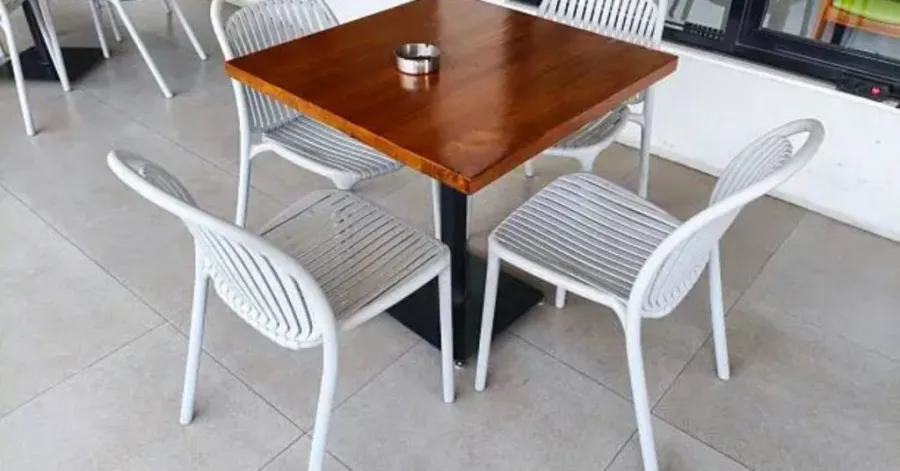
Credit: www.vevor.com
Real-life Examples: Patio Material Choices
Let’s see how different people solved their patio furniture dilemmas:
Example 1: Coastal Home
A family living near the ocean chose aluminum furniture with a powder-coated finish. It resisted salt air and required almost no maintenance. Cheaper steel options rusted quickly in their neighbor’s yard.
Example 2: Mountain Cabin
At a mountain retreat, the owners selected teak and synthetic wicker. Even after snowy winters, their furniture looked new. They oiled the teak each spring, and the synthetic wicker needed only a quick wipe.
Example 3: Urban Apartment
For a small city balcony, a young couple picked plastic resin chairs and a folding table. The lightweight pieces were easy to store and move, and bright colors made the space cheerful.
Example 4: Family with Kids
A busy household chose steel and synthetic wicker for durability. They avoided wood, which can splinter, and tested each piece for comfort and safety.
These examples show there’s no single “best” material—just the best for your needs.
How To Care For Different Patio Furniture Materials
Caring for patio furniture keeps it looking good and extends its life. Here are simple care tips for each material:
- Aluminum: Wash with soap and water. Rinse well. Avoid abrasive cleaners.
- Teak/Wood: Brush off debris. Oil or seal once a year. Store indoors during harsh winters.
- Wrought Iron/Steel: Clean with a damp cloth. Touch up paint to prevent rust. Cover when not in use.
- Plastic/Resin: Hose down regularly. Use mild soap. Avoid pressure washing, which can crack surfaces.
- Synthetic Wicker: Vacuum dust. Wipe with a damp cloth. Store cushions separately.
- Bamboo: Keep dry. Oil occasionally. Avoid direct sunlight.
Always check manufacturer instructions for best results.
Storage Tips For Patio Furniture
Proper storage prevents damage from weather and extends furniture life. Here’s how:
- Use covers: High-quality covers protect from sun, rain, and dust.
- Store indoors: Move furniture inside during extreme weather.
- Stack or fold: Choose stackable or folding pieces for small spaces.
- Elevate: Keep furniture off wet ground to avoid rot and rust.
If you have limited storage, lightweight materials like aluminum or plastic are easier to handle.
Shopping For Patio Furniture: What To Ask
Before buying, ask these questions:
- What is the warranty period?
- Is the material weatherproof or just weather-resistant?
- How is the furniture finished (powder-coating, paint, sealant)?
- Can the pieces be easily stored or moved?
- Are replacement parts or cushions available?
- Is the wood certified sustainable?
Asking these questions helps you avoid surprises and ensures you get the best value.

Credit: palmcasual.com
Where To Find More Information
For deeper research on patio furniture materials and durability, visit Consumer Reports. This site offers unbiased reviews and comparisons.
Frequently Asked Questions
What Is The Most Durable Patio Furniture Material?
Teak is generally the most durable, lasting 20–40 years with proper care. Powder-coated aluminum and quality synthetic wicker are also excellent choices for most climates.
How Do I Protect Patio Furniture From Sun Damage?
Use UV-resistant finishes or sprays, especially for plastics and wood. Store cushions indoors when not in use and use covers to block sunlight. Powder-coated metals resist fading better than painted metals.
Can I Leave Patio Furniture Outside All Year?
Some materials like aluminum, teak, and synthetic wicker can stay outside year-round, but extreme weather shortens lifespan. Always use covers and store cushions separately. Steel and wood should be stored indoors during winter.
What Is The Best Patio Furniture Material For Coastal Areas?
Aluminum and teak are best for coastal climates because they resist salt and humidity. Avoid iron and untreated wood, which can rust or rot quickly.
How Can I Tell If Patio Furniture Is Eco-friendly?
Look for FSC-certified wood or furniture made from recycled plastics. Check for sustainability labels and ask retailers about sourcing. Avoid woods from endangered forests and low-quality plastics.
Choosing patio furniture material isn’t just about looks. It’s about making your patio comfortable, stylish, and strong for years to come. By following these tips and insights, you can enjoy your outdoor space without worry. With the right material, your patio furniture will become a favorite spot for relaxing, dining, and entertaining.