
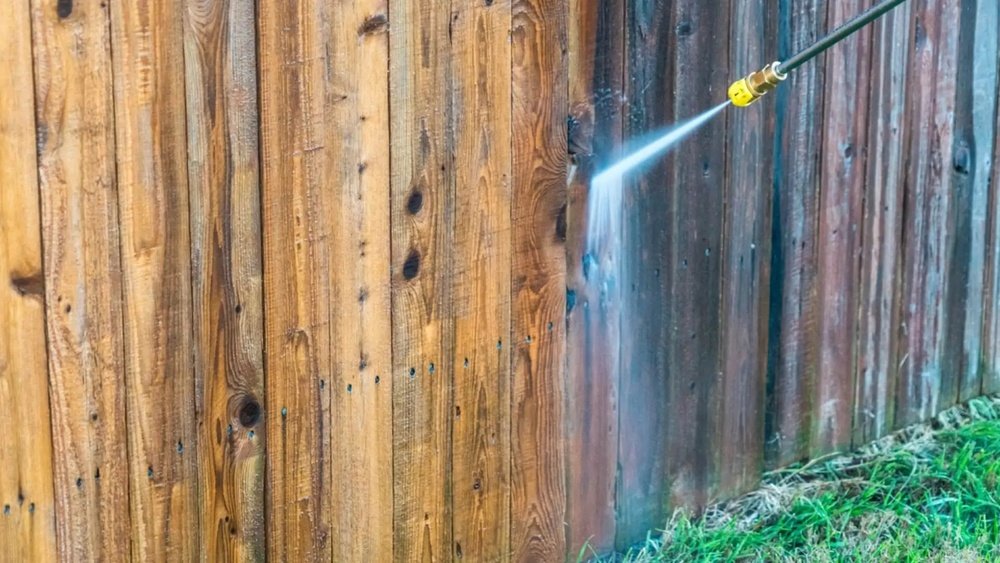
Pressure washing a fence can bring dramatic results—old, gray, or stained wood suddenly looks fresh and inviting again. Whether you want to improve your home’s curb appeal, prepare for painting, or simply remove years of dirt and algae, using a pressure washer is one of the most effective ways to clean a fence.
However, using this powerful tool without proper knowledge can damage the wood or even cause safety risks. This guide will show you step by step how to pressure wash a fence safely and efficiently, including expert tips, practical advice, and solutions for common problems.
If you want your fence to look its best and last longer, read on.
Why Pressure Wash Your Fence?
A fence is constantly exposed to the elements—rain, sun, wind, and pollution. Over time, this exposure leads to:
- Dirt buildup
- Mold and mildew growth
- Discoloration
- Splinters and rough patches
Pressure washing does more than just improve appearance. It helps:
- Prevent rot and decay by removing moisture-trapping mold and algae.
- Extend fence life by cleaning away damaging debris.
- Prepare surfaces for painting or staining, ensuring better adhesion.
- Increase property value by boosting curb appeal.
A clean, well-maintained fence is easier to inspect for repairs and gives you peace of mind.
Understanding Pressure Washers
Not all pressure washers are created equal. Choosing the wrong type or settings can damage your fence. Let’s look at the basics.
Pressure Washer Types
| Type | Power Source | Typical PSI Range | Best For |
|---|---|---|---|
| Electric | Plug-in | 1300–2000 | Wood fences, home use |
| Gas | Gasoline | 2000–4000 | Large or commercial projects |
Electric pressure washers are quieter and lighter—ideal for most residential fences. Gas models have higher power, but can be too strong for soft wood.
Psi And Gpm: What Do They Mean?
- PSI (Pounds per Square Inch): Measures pressure level. For fences, 1200–2000 PSI is usually safe.
- GPM (Gallons per Minute): Measures water flow. Higher GPM cleans faster.
Tip: For old or soft wood, use the lowest pressure possible to avoid splintering.
Nozzle Types
The nozzle changes the spray pattern and power. Here’s a quick comparison:
| Nozzle Color | Angle | Use |
|---|---|---|
| Red | 0° | High-power, tough stains (not for fences) |
| Yellow | 15° | Heavy-duty cleaning |
| Green | 25° | General cleaning (best for most fences) |
| White | 40° | Delicate surfaces, rinsing |
| Black | 65° | Soap application only |
For fences, start with the green (25°) or white (40°) nozzle.
Preparing To Pressure Wash
Preparation makes the job faster, safer, and gives better results. Don’t rush this step.
Inspect The Fence
- Look for loose boards, broken nails, or rotted wood. Fix these before washing.
- Remove any large debris like leaves, vines, or spider webs.
Protect Nearby Areas
- Cover plants and flower beds near the fence with plastic sheeting.
- Move outdoor furniture or decorations away from the fence.
- Close nearby windows and doors.
Gather Materials
You’ll need:
- Pressure washer (electric or gas, 1200–2000 PSI recommended)
- Garden hose and water supply
- Safety goggles and gloves
- Long pants and closed-toe shoes
- Detergent (if needed)
- Scrub brush (for stubborn spots)
- Plastic sheeting or tarps (to protect plants/objects)
- Replacement wood or nails (for repairs)
Safety First
Pressure washers can cause serious injuries. Always:
- Wear eye and hand protection.
- Never point the wand at people or pets.
- Be careful on wet, slippery surfaces.
- Keep children and pets away from the work area.
Insight: Many beginners forget to inspect the fence. Pressure can make loose boards fly off or worsen small cracks.
Choosing The Right Cleaner
Water alone can remove dirt, but using a fence-safe detergent makes a big difference for mold, mildew, and stains.
- Use cleaners marked as “wood safe” or “fence cleaner.”
- Avoid bleach-heavy products, which can weaken wood fibers.
- For eco-friendly options, look for biodegradable detergents.
Pro tip: Test any cleaner on a small, hidden section first to check for discoloration.
Step-by-step: How To Pressure Wash A Fence
Here’s a clear, detailed process for best results.
1. Set Up The Pressure Washer
- Connect the washer to your water supply.
- Attach the right nozzle (start with 25° or 40°).
- Fill the detergent tank if using cleaner.
- Turn on the machine, following the manufacturer’s instructions.
2. Wet The Fence
- Use plain water to soak the fence first.
- This helps loosen dirt and prevents detergent from soaking in too fast.
3. Apply Detergent
- Switch to the black (soap) nozzle.
- Spray detergent from bottom to top (prevents streaks).
- Let it sit for 5–10 minutes, but do not let it dry.
- For tough areas, scrub gently with a brush.
Common mistake: Spraying detergent in direct sun can dry it too quickly, reducing its cleaning power.
4. Pressure Wash The Fence
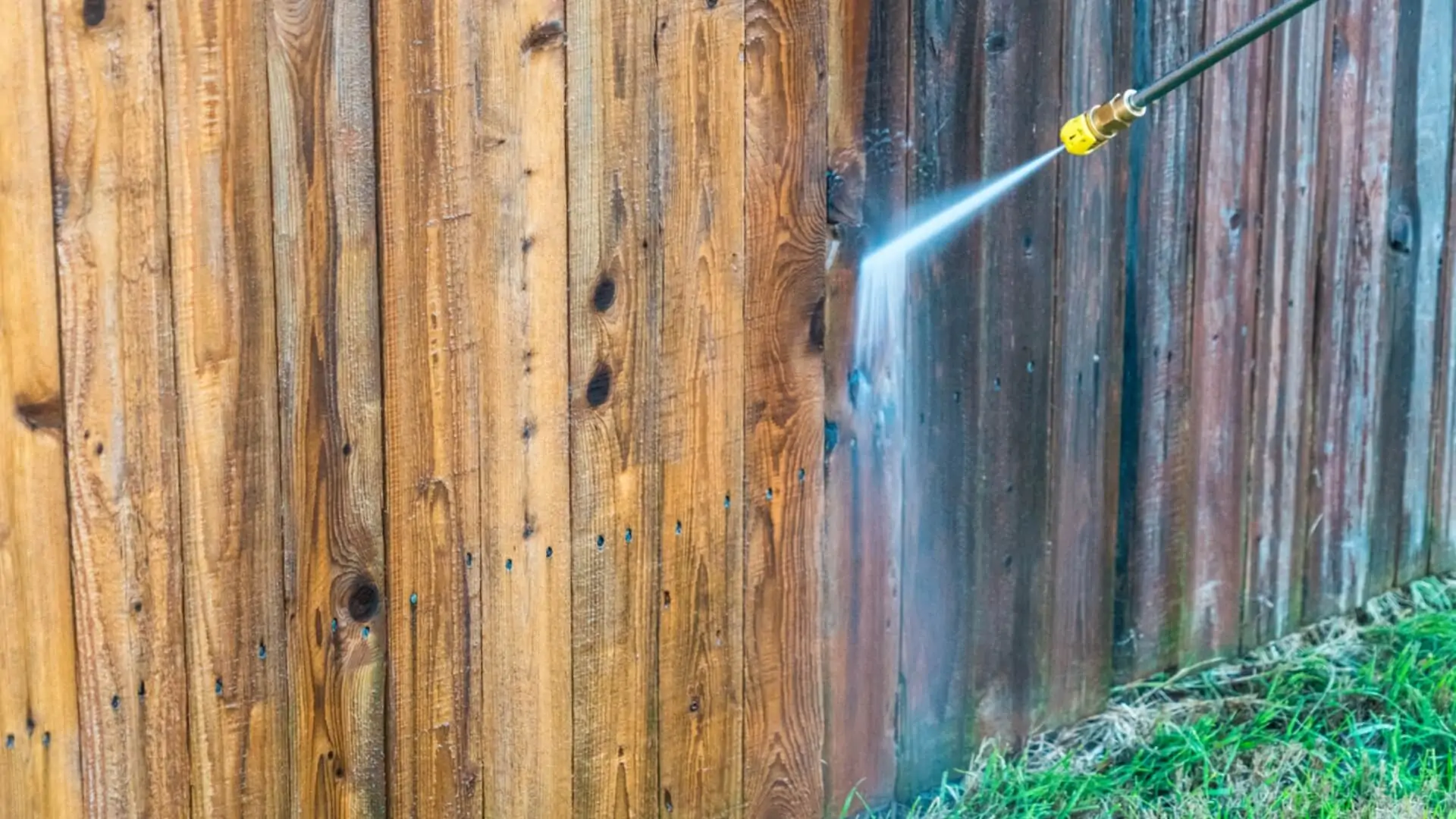
- Switch back to the 25° or 40° nozzle.
- Stand 18–24 inches from the fence to start.
- Move in smooth, even strokes, following the wood grain.
- Overlap each pass slightly for even cleaning.
- Adjust distance for stubborn spots, but never get too close (can gouge the wood).
Non-obvious tip: Always keep the wand moving. Holding it still can create visible marks or damage.
5. Rinse Thoroughly
- Once clean, rinse the fence with plain water.
- Make sure all detergent is washed away.
6. Let The Fence Dry
- Allow at least 24–48 hours for wood to dry before painting or staining.
- Check for any missed spots or repairs needed.
Advanced Tips For Different Fence Materials
Not all fences are the same. Adapt your approach for the best results.
Wood Fences
- Use lower pressure (1200–1500 PSI).
- Wash with the grain to avoid splinters.
- Cedar and redwood are softer; be extra gentle.
Vinyl Fences
- Can handle slightly higher pressure.
- Use a mild soap to remove stains.
- Rinse thoroughly to avoid soap spots.
Metal Fences
- Pressure washing removes rust and old paint.
- Use a rust-neutralizing cleaner if needed.
- Dry quickly to prevent new rust from forming.
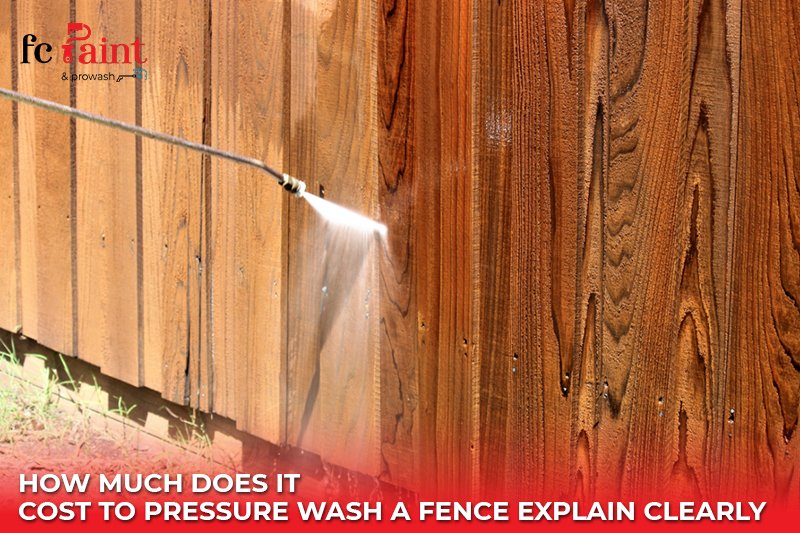
Example: Cleaning a cedar fence with high pressure can leave deep grooves—always test a small area first.
Credit: fcpaintprowash.com
Common Problems And Solutions
Even with care, you might face challenges. Here’s how to solve them.
Stripes Or Uneven Cleaning
- Cause: Holding the wand too close or moving too slowly.
- Solution: Keep a consistent distance and overlap passes.
Fuzzy Or Rough Wood
- Cause: Too much pressure or wrong nozzle.
- Solution: Sand lightly with fine-grit sandpaper after washing.
Mold Returns Quickly
- Cause: Incomplete cleaning or poor drainage.
- Solution: Use a mold-killing detergent and trim plants to improve airflow.
Water Pooling
- Cause: Fence base is below ground level or area slopes toward fence.
- Solution: Improve drainage with gravel or regrade soil.
Insight: Most beginners don’t realize the water runoff can harm plants or pool around fence posts, leading to rot. Always check drainage after washing.
How Often Should You Pressure Wash A Fence?
There’s no universal rule, but most fences benefit from cleaning every 1–2 years. Factors include:
- Climate: Wet or humid areas may need more frequent cleaning.
- Nearby trees or plants: More debris means more cleaning.
- Fence material: Wood shows dirt and mold faster than vinyl or metal.
If you notice the fence looking gray, green, or stained, it’s time to wash.
Credit: spotlesscleaningservicesandmore.com
Mistakes To Avoid
Pressure washing is powerful, but mistakes can be costly. Here are errors to watch out for:
- Using too much pressure. This can gouge wood or strip paint.
- Not checking for loose nails or boards. These can fly off or break.
- Ignoring safety gear. Eye injuries are common.
- Washing in direct sunlight. Cleaner dries too fast, leaving spots.
- Skipping protection for plants. Some detergents can burn foliage.
- Washing too often. Over-cleaning wears down wood fibers.
- Holding nozzle too close. Causes streaks or damage.
- Not allowing wood to dry fully. Paint or stain won’t stick.
- Forgetting to test cleaner. Some products discolor wood.
Non-obvious mistake: Many users forget to clean the pressure washer’s filter. A clogged filter reduces pressure and can damage the pump.
When To Hire A Professional
Sometimes, a DIY job isn’t the best choice. Consider professional help if:
- The fence is very old or fragile.
- You have a large property.
- There are lead-based paints (for older fences).
- You don’t have time or physical ability.
Professionals have industrial equipment and experience with different materials. Compare costs and check reviews before hiring.
Cost Of Pressure Washing A Fence
What Can You Expect To Spend?
- DIY: Renting a pressure washer costs $40–$100 per day. Detergent and safety gear add $10–$30.
- Hiring a pro: National average is $150–$300 for a typical fence (100–200 feet).
Tip: Consider renting if you don’t plan to use a pressure washer often. Buying a quality machine can cost $200–$500.
Maintenance After Pressure Washing
Your fence will look great after cleaning, but a little extra care extends its life.
- Inspect for damage: Check for cracks, loose boards, or rot.
- Seal or stain: After drying, apply sealant or stain to protect against moisture.
- Trim vegetation: Keep plants away to improve airflow.
- Clean annually: Light rinsing prevents buildup.
Pro tip: Applying a wood brightener after washing can restore natural color, especially for older fences.
Pressure Washing Vs. Other Cleaning Methods
How Does Pressure Washing Compare To Alternatives?
| Method | Effectiveness | Time Required | Cost | Best For |
|---|---|---|---|---|
| Pressure Washing | High | Fast | Medium | Most fences |
| Hand Scrubbing | Medium | Slow | Low | Small areas |
| Chemical Cleaners | Varies | Medium | Low–Medium | Tough stains |
| Sandblasting | Very High | Fast | High | Metal fences |
Pressure washing combines speed, effectiveness, and value for most homeowners.
Environmental Concerns
Pressure washing uses water and, sometimes, chemicals. Here’s how to minimize your impact:
- Use biodegradable cleaners.
- Don’t wash directly into storm drains.
- Collect runoff if possible—especially if using chemicals.
- Water plants well before and after to dilute any overspray.
Interesting fact: A typical pressure washer uses 1.5–2 gallons of water per minute, much less than most garden hoses when cleaning.
Pressure Washer Maintenance
Your tool needs care too. After each use:
- Rinse out detergent lines.
- Disconnect and drain hoses.
- Store in a dry place.
- Clean filters regularly.
Proper maintenance means your pressure washer will last for years and perform well every time.
Extra Tips For A Great Finish
Want your fence to stand out? Try these advanced tips:
- Use a wood brightener after washing to even out color.
- For fences with heavy mold, spray vinegar after cleaning and let dry.
- Use painter’s tape to protect metal hardware or decorative accents.
- Clean on a cloudy day to prevent streaks from quick drying.
- Photograph before and after for records and motivation!
Experience-based advice: Don’t rush. Taking your time prevents mistakes and gives a more satisfying result.
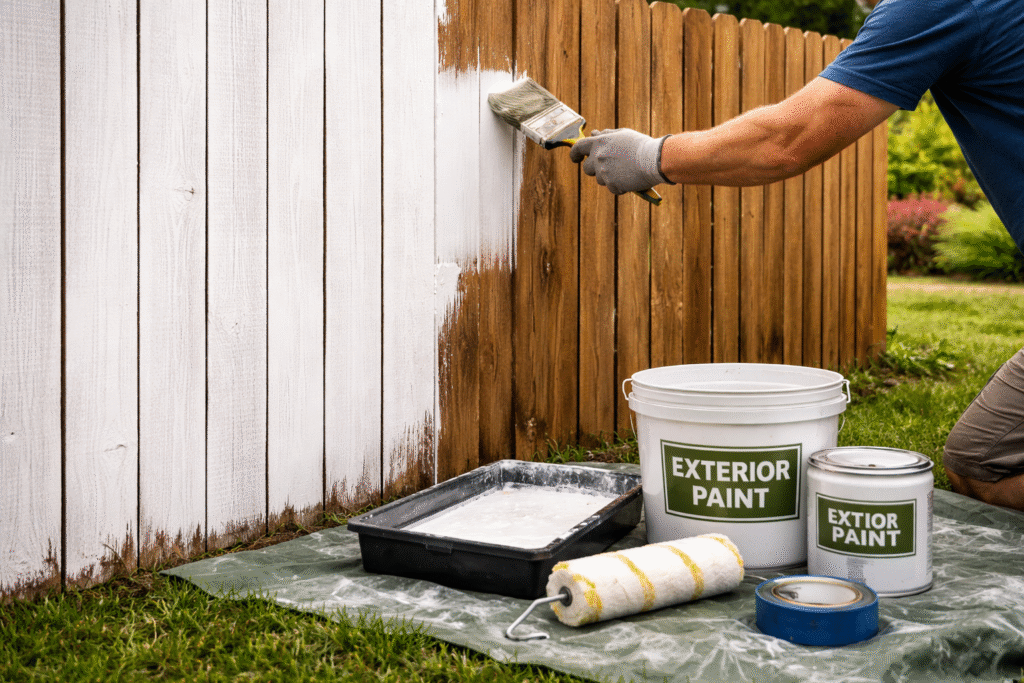
Pressure Washing For Fence Painting Or Staining
If you plan to paint or stain your fence, pressure washing is an essential first step.
- Wait at least 24–48 hours after washing before applying any finish.
- Check the wood moisture level with a moisture meter (should be below 15%).
- Sand any rough spots for a smooth finish.
- Apply primer if required for your paint or stain type.
Key benefit: Clean, dry wood absorbs paint or stain evenly, preventing peeling or patchy color.
Safety Recap
- Always wear goggles and gloves.
- Read the pressure washer’s manual.
- Never spray near electrical outlets or fixtures.
- Store chemicals out of children’s reach.
- Let the fence dry fully before other work.
Credit: spacefencing.ca
Summing Up
Pressure washing a fence is one of the fastest, most effective ways to restore its beauty and extend its life. By choosing the right equipment, preparing carefully, and following proven techniques, you can achieve professional-quality results with minimal risk. Remember, the key is to use the right pressure, keep the wand moving, and protect your fence—and yourself—throughout the process.
If you’re ready to tackle your next outdoor project, pressure washing your fence is a rewarding place to start. With a little planning and care, your fence will look great for years to come.
For more on fence maintenance and outdoor cleaning, you can check resources like the Wikipedia Pressure Washer page for further reading.
Frequently Asked Questions
How Much Pressure Should I Use To Wash A Wood Fence?
For most wood fences, 1200–1500 PSI is safe and effective. Softer woods like cedar or redwood may need even less. Start at a lower pressure and increase only as needed.
Can I Use Bleach To Clean My Fence?
Avoid using straight bleach, as it can weaken wood fibers and harm nearby plants. Use a cleaner labeled as safe for wood, or dilute bleach heavily and rinse thoroughly if you must use it.
How Long Should I Wait To Paint Or Stain After Pressure Washing?
Let the fence dry for at least 24–48 hours. For best results, use a moisture meter to check the wood (should be below 15% moisture) before painting or staining.
Is It Safe To Pressure Wash Vinyl Or Metal Fences?
Yes, but adjust your approach. Vinyl handles higher pressure but needs gentle detergent for stains. Metal fences may require rust removers and quick drying to prevent rust spots.
How Often Should A Fence Be Pressure Washed?
Every 1–2 years is typical for most fences. Clean more often if your area is humid or your fence collects a lot of debris, mold, or algae.
With these tips, you’re ready to transform your fence and make it a highlight of your yard. Happy cleaning!