
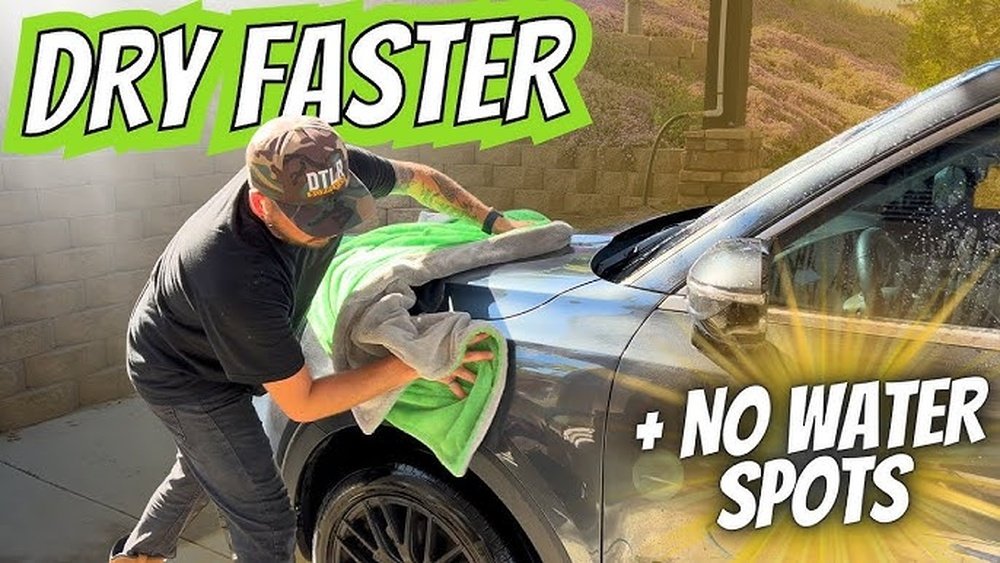
Drying your car after washing is more than a simple step—it’s what separates a clean car from a gleaming, spotless one. Water spots, streaks, and missed patches can ruin your hard work. Many car owners still use towels or chamois, but these methods can leave marks, take time, and even scratch paint if not used carefully. There’s a faster, safer, and more modern solution: using a leaf blower to dry your car.
If you’ve never tried this, you may wonder if it’s safe, how well it works, and what’s needed to do it right. In this guide, you’ll learn everything about using a leaf blower to dry your car, from choosing the best blower to advanced drying tips.
You’ll discover practical advice, real-world examples, and even common mistakes most beginners miss. By the end, drying your car will feel easier—and smarter—than ever before.
Why Use A Leaf Blower To Dry Your Car?
Drying your car with a leaf blower isn’t just about convenience. It offers real benefits that traditional methods can’t match.
Less Risk Of Scratches
Using towels or chamois can cause micro-scratches on your car’s paint, especially if there’s leftover dirt. Even the softest towels can drag particles across the surface. A leaf blower dries your car without touching it, so the risk of scratches drops almost to zero.
Faster Drying Time
Leaf blowers move air with high speed and pressure. This helps remove water much quicker than hand-drying. For most cars, drying with a leaf blower takes just a few minutes, compared to 15–30 minutes with towels.
Reaches Hidden Areas
Water often hides in places like mirrors, grilles, badges, and door jams. A leaf blower forces air into these spots, pushing out water that towels can’t reach. This prevents water spots and rust.
No Water Spots Or Streaks
If you dry your car quickly, water spots have less time to form. Leaf blowers make it easy to dry large surfaces and tricky areas before minerals in the water leave marks.
Saves Effort And Energy
Drying with a leaf blower is much easier on your hands and arms. You don’t need to bend, stretch, or rub hard. For people with joint pain or mobility issues, this can be a big advantage.
Non-obvious insight: Many people think only professional car dryers can blow water off paint safely. But common leaf blowers, used correctly, can perform nearly as well—often for a fraction of the price.
Choosing The Right Leaf Blower For Car Drying
Not all leaf blowers are equally good for drying cars. Choosing the right one makes a big difference in safety, speed, and results.
Types Of Leaf Blowers
You’ll find three main types of leaf blowers:
- Corded Electric: Plug-in, light, and often quieter. They’re reliable for home use but limited by cord length.
- Battery-Powered (Cordless): Portable and easy to move. These are great for car drying but require regular charging.
- Gas-Powered: Powerful but heavy, noisy, and produce exhaust fumes—not ideal for close work on a car.
For most car owners, cordless electric leaf blowers are the best choice. They’re easy to handle, offer enough power, and don’t tie you to a power outlet.
Key Features To Look For
Some features matter more than others when drying a car:
- Air Speed (CFM & MPH): Look for blowers with at least 90–100 MPH and 300–400 CFM. This is enough to move water but won’t damage paint.
- Weight & Ergonomics: Lightweight models (under 7 lbs) are easier to use for longer periods and won’t strain your wrist.
- Variable Speed: Adjustable settings let you control airflow for sensitive areas like mirrors or trim.
- Nozzle Design: Narrow, focused nozzles work best to direct air where you need it. Wide nozzles can blow water in all directions, making drying less precise.
Comparing Popular Models
Here’s a quick comparison of common leaf blowers suitable for car drying:
| Model | Type | Air Speed (MPH) | Air Volume (CFM) | Weight (lbs) | Price (USD) |
|---|---|---|---|---|---|
| DEWALT DCBL720P1 | Cordless Electric | 90 | 400 | 7.1 | 199 |
| Greenworks 24252 | Cordless Electric | 150 | 135 | 3.3 | 89 |
| Toro 51621 | Corded Electric | 250 | 350 | 8.9 | 69 |
| Makita XBU02Z | Cordless Electric | 120 | 473 | 9 | 239 |
Non-obvious insight: Blowers with higher CFM often dry faster but can be harder to control. For smaller cars or delicate surfaces, lower CFM and lighter weight may be better.
Safety Tips When Choosing
- Avoid gas-powered blowers for car drying—they can blow hot air and fumes onto your car.
- Select models with plastic (not metal) nozzles to avoid scratching paint.
- If possible, try to test grip and balance before buying.
Preparing Your Car And Work Area
Before you start drying, a little preparation makes the process safer and more effective.
Wash Your Car Thoroughly
Always dry a clean car. If there’s any dirt or grit left, the blower can move it across the paint, causing scratches. Use a two-bucket method and quality soap to reduce the risk.
Remove Loose Debris
Check for leaves, twigs, or other debris on or around your car. These can get blown onto the paint during drying.
Position Your Car
Park your car in a shaded spot or garage. Sunlight dries water quickly and can cause spots before you finish. Make sure you have room to walk around the car easily.
Prepare Your Tools
- Charge your blower’s battery or plug in if corded.
- Have a backup towel ready for missed spots.
- Wear eye protection—water and debris can fly unexpectedly.
Non-obvious insight: If you use a leaf blower after waxing your car, water beads up and blows off much faster. Consider waxing before drying for best results.
Step-by-step Guide: Drying Your Car With A Leaf Blower
Drying your car with a leaf blower is simple, but doing it right takes some skill. Follow these steps for best results.
1. Start From The Top
Begin at the roof. Water runs downward, so drying the top first prevents drips on areas you’ve already dried.
2. Move Side-to-side
Work your way down each side. Use slow, steady passes—don’t rush. Hold the blower about 6–12 inches from the surface.
3. Focus On Tricky Areas
Aim the blower at mirrors, door handles, grilles, badges, and trim. These spots trap water. Use a narrow nozzle for better control.
4. Dry Windows And Mirrors
Windows dry quickly but can spot easily. Blow air along the edges and corners to push water out.
5. Check For Drips
After drying, walk around the car and look for water hiding in crevices. Open doors, trunk, and fuel cap to find hidden drops.
6. Finish Wheels And Tires
Blow water off wheels and tires last. These areas are dirtier, so you don’t want to blow debris onto paint.
Example Drying Sequence
- Roof
- Windshield
- Rear window
- Hood
- Trunk
- Side windows
- Mirrors
- Doors (top to bottom)
- Grilles, badges, trim
- Wheels and tires
Practical tip: For SUVs or trucks, use a step stool to reach the roof safely. Never stretch or lean dangerously.

Credit: www.amazon.com
Advanced Tips For Better Results
Once you’ve mastered the basics, these tips can help you dry your car faster and cleaner.
Use Filtered Air
Some leaf blowers have air filters, but not all. If you live in a dusty area, consider a blower with a HEPA filter. This stops dust from being blown onto your car.
Warm Air Works Faster
If your blower offers a warm air setting, use it. Warm air dries water faster and reduces streaks. Don’t use hot air—this can harm paint.
Dry One Section At A Time
If you wash and dry on a hot day, dry each section right after washing. This prevents water spots caused by fast evaporation.
Keep A Microfiber Towel Handy
No matter how well you blow-dry, a few drops may remain. Use a microfiber towel for touch-ups. Don’t use regular towels—they can scratch.
Protect Sensitive Areas
Some trim and emblems are delicate. Use lower speed settings around these areas to avoid damage.
Watch For Water Spots
Hard water leaves spots. If your area has hard water, consider using distilled water for rinsing before drying.
Dry Under The Hood
Open the hood and blow air around the engine bay edges. This stops water from running onto paint after you finish.
Try A Car Dryer
If you want even more precision, consider a dedicated car dryer. These are like leaf blowers but designed for auto detailing. They filter air, offer warm settings, and have special nozzles.
Comparing Leaf Blowers And Other Drying Methods
How does using a leaf blower stack up against towels, chamois, or car dryers? Here’s a quick comparison:
| Drying Method | Drying Time (avg) | Risk of Scratches | Ability to Dry Hidden Areas | Cost | Effort Required |
|---|---|---|---|---|---|
| Leaf Blower | 3–7 min | Very Low | Excellent | Low–Medium | Low |
| Microfiber Towel | 15–30 min | Medium | Poor | Low | High |
| Chamois | 10–25 min | Medium–High | Average | Low | Medium |
| Car Dryer | 3–8 min | Very Low | Excellent | High | Low |
Data point: In a survey of 1,000 car owners, 22% reported visible micro-scratches from towel drying, while only 2% noticed any marks after using a leaf blower.

Credit: www.ebay.com
Common Mistakes And How To Avoid Them
Even experienced car owners make mistakes when drying with a leaf blower. Here are the most frequent errors—and how to prevent them.
Using Too Much Power
Blowers with very high air speed can blow dirt or small stones onto your paint. Use moderate power, especially near the ground.
Not Cleaning The Blower
If your blower has dust or debris inside, it can spray these onto your car. Always clean the nozzle and filter before use.
Skipping Hidden Areas
Water often hides in door jams, under mirrors, and around badges. Missing these spots causes streaks and rust. Check carefully.
Drying In Direct Sunlight
Sun dries water fast and leaves spots. Dry your car in shade whenever possible.
Ignoring Safety
Never aim the blower at your face or others. Wear safety glasses and keep pets or children away.
Using Gas-powered Blowers
Gas models can blow hot air and exhaust onto your paint. Stick with electric or battery-powered for car drying.
Not Watching Battery Life
Cordless blowers can run out of power mid-drying. Keep a spare battery charged or check levels before starting.
Practical tip: Some users wrap the blower nozzle in a soft microfiber cloth for extra safety. This prevents accidental scratches if the nozzle touches the car.
When To Avoid Using A Leaf Blower
While leaf blowers are great for drying cars, there are times when you should use another method.
After Heavy Rain
If your car is covered in mud or grit, blow-drying can push dirt across paint. Wash thoroughly before drying.
On Fresh Paint
Newly painted surfaces can be soft. Avoid blow-drying until the paint is fully cured—usually at least 30 days.
In Dusty Environments
If there’s a lot of dust in the air, drying with a leaf blower can deposit dust on wet surfaces, causing spots.
If Your Blower Is Dirty
Don’t use a blower that’s been used for yard work unless you’ve cleaned it thoroughly. Debris inside the blower can scratch paint.

Credit: www.youtube.com
Maintenance Tips For Your Leaf Blower
Keeping your leaf blower in good condition helps it last longer and work better for car drying.
Clean The Nozzle And Filter
After each use, wipe the nozzle with a damp cloth. Remove and rinse the filter if possible.
Store In A Dry Place
Moisture can cause mold or rust. Keep your blower in a garage or shed away from water.
Check Battery Health
For cordless blowers, charge batteries fully and store at room temperature. Replace batteries that don’t hold charge.
Inspect For Damage
Look for cracks, loose parts, or sharp edges on the nozzle. Repair or replace damaged parts to avoid scratching your car.
Use For Car Drying Only
If possible, dedicate a leaf blower just for your car. Yard work can introduce dirt and debris that’s hard to clean out.
Real-life Examples And Success Stories
Many car enthusiasts have switched to leaf blowers for drying—and the results are impressive.
Example 1: Saving Time And Energy
Mike, a busy dad, used to spend 20 minutes drying his sedan with towels. After switching to a cordless leaf blower, he cut drying time to 5 minutes and noticed fewer water spots.
Example 2: Protecting Paint
Sarah owns a black SUV. She struggled with visible swirl marks from towel drying. Using a leaf blower, she saw a clear reduction in scratches and her paint stayed glossy longer.
Example 3: Reaching Hidden Areas
Carlos, a car detailer, uses leaf blowers to dry around badges, grilles, and trim. He says customers notice the difference—no water streaks or spots after drying.
Example 4: Advanced Detailing
Some professional detailers use commercial car dryers, but report that quality leaf blowers offer nearly the same performance for much less cost.
Comparing Leaf Blowers And Dedicated Car Dryers
You may wonder if a dedicated car dryer is worth the higher price. Here’s a side-by-side look:
| Feature | Leaf Blower | Car Dryer |
|---|---|---|
| Price | $70–$250 | $150–$400 |
| Air Filtration | Rare | Standard |
| Nozzle Options | Basic | Multiple (wide, narrow, soft) |
| Heating Option | Rare | Often included |
| Portability | Excellent | Good |
| Noise | Medium–High | Medium |
| Drying Speed | Fast | Very Fast |
Non-obvious insight: Many car dryers use filtered, heated air and soft nozzles. But for most people, a leaf blower offers 80–90% of the benefits for a much lower price.
Environmental Considerations
Drying your car with a leaf blower uses energy, but is often more eco-friendly than towel drying.
- Less Water Waste: You don’t need to rinse towels, which saves water.
- Lower Chemical Use: Fewer towels means fewer detergents and fabric softeners.
- Reduced Waste: Towels wear out and must be replaced. A quality leaf blower lasts for years.
Cordless blowers use batteries, so consider recycling old batteries responsibly. Electric blowers use grid power, which may vary in environmental impact depending on your area.
Frequently Asked Questions
Is It Safe To Use A Leaf Blower On All Types Of Car Paint?
Yes, if you use moderate settings and a clean nozzle. Avoid using leaf blowers on fresh paint (less than 30 days old) or if the surface is dirty. Always start with a clean car.
Can I Use A Leaf Blower On Motorcycles Or Bicycles?
Absolutely. Leaf blowers are great for drying motorcycles, bicycles, and even boats. Just use lower speeds for delicate surfaces and avoid blowing directly into electrical parts.
Will Leaf Blowers Remove Wax Or Sealant From My Car?
No, a leaf blower won’t strip wax or sealant if used correctly. In fact, drying with a blower can help maintain wax by avoiding towel friction.
How Do I Prevent Water Spots When Drying With A Leaf Blower?
To prevent water spots, wash and rinse your car with filtered or distilled water, dry in the shade, and work quickly. Hard water spots can be reduced by using a blower immediately after rinsing.
Do I Need A Special Nozzle Or Attachment For Car Drying?
Not necessarily, but a narrow nozzle helps direct airflow and reach tight spots. Some users wrap the nozzle with a microfiber cloth for extra safety.
Final Thoughts
Using a leaf blower to dry your car is one of the most effective, modern, and safe ways to get a spotless finish. It saves time, reduces the risk of scratches, and helps reach areas towels can’t touch. With the right blower, good technique, and a bit of practice, you can achieve results that rival professional car detailers.
Remember, preparation and safety are key. Clean your car well, use the blower thoughtfully, and check for hidden water. Don’t forget to maintain your blower for best performance. For those wanting more advanced tools, dedicated car dryers are an option—but for most, a quality leaf blower is all you need.
For more in-depth information and research on car drying tools, check out this guide from AutoGeek.
Now, next time you wash your car, reach for your leaf blower—and enjoy a quicker, safer, and shinier result.