
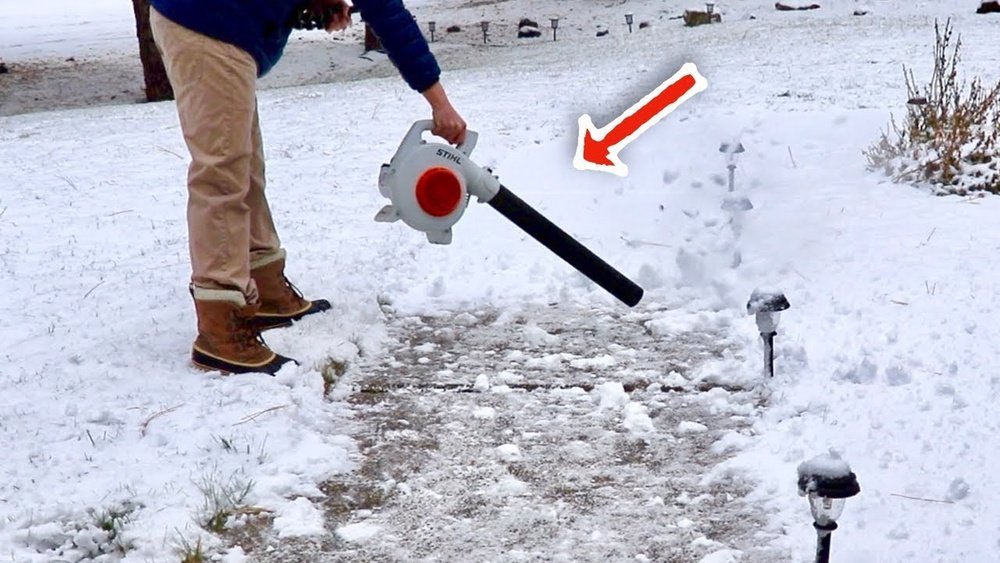
When winter arrives, snow can quickly cover driveways, sidewalks, patios, and decks. Many people grab a shovel or snow blower, but there’s a tool you may already own that can help: the leaf blower. While leaf blowers are designed for blowing leaves, they can also remove light, powdery snow. Used correctly, a leaf blower saves time, reduces strain, and keeps surfaces clear. But it’s not as simple as just turning it on and blasting away. To get results, you need the right strategy and equipment, plus a good understanding of snow conditions and safety.
This guide covers everything you need to know about using a leaf blower for snow removal. You’ll learn which types of leaf blowers work best, step-by-step techniques, practical tips, and how to avoid common mistakes. Let’s clear up the snow and confusion!
Why Use A Leaf Blower For Snow Removal?
Leaf blowers can be surprisingly effective for snow, but not in every situation. Here’s why many homeowners and property managers choose them:
- Speed and convenience: Leaf blowers are lightweight and easy to maneuver, making them ideal for quick snow removal.
- No heavy lifting: Unlike shoveling, you don’t need to bend or strain your back.
- Protects surfaces: Shovels can scratch decks, patios, or cars. Leaf blowers gently push snow away.
- Accessible for most: Many people already own a leaf blower, so there’s no need to buy a new tool.
However, leaf blowers are most effective on fresh, light, powdery snow. Wet, heavy, or packed snow is usually too dense for the airflow to move. Understanding these limitations is important for success.
Types Of Leaf Blowers: Which Ones Work For Snow?
There are three main types of leaf blowers: corded electric, battery-powered, and gas-powered. Each has strengths and weaknesses for snow removal.
| Type | Air Speed (MPH) | Best for Snow? | Pros | Cons |
|---|---|---|---|---|
| Corded Electric | 90-150 | Light, small areas | Lightweight, no fuel | Limited by cord length |
| Battery-Powered | 80-120 | Light, small areas | Portable, quiet | Short battery life |
| Gas-Powered | 150-250+ | Medium-heavy, larger areas | Powerful, long run time | Louder, requires fuel |
Gas-powered leaf blowers offer the highest air speed and volume. For bigger jobs or deeper snow, they’re usually the best option. Corded and battery-powered blowers can handle light snow on small surfaces but may struggle in colder temperatures or with thicker accumulation.
Backpack Vs. Handheld Blowers
- Handheld blowers: Easier to carry and control, best for patios, steps, and cars.
- Backpack blowers: More powerful, suited for large driveways, sidewalks, and commercial spaces.
For most homeowners, a handheld gas blower is sufficient. If you often deal with bigger snowfalls or need to clear large areas, a backpack blower is worth considering.
Before You Start: Assessing Snow And Conditions
Not all snow is the same. The right time to use a leaf blower is shortly after the snow falls, when it’s still light and dry. Wet, crusted, or deep snow won’t budge easily. Here’s how to assess conditions:
- Snow depth: Most leaf blowers can handle up to 2 inches of powdery snow. Some powerful gas models can manage 3-4 inches, but efficiency drops as depth increases.
- Snow type: Powdery snow is best. If you squeeze it and it holds its shape or feels heavy, it’s too wet.
- Temperature: If temperatures rise above freezing, snow becomes denser and harder to move. Below 32°F, snow stays lighter and easier to blow.
If snow has started melting or refrozen into ice, stick to a shovel or snow blower. Leaf blowers are not designed for ice or slush.
Safety Considerations
Using a leaf blower in winter brings unique risks. Here’s how to stay safe:
- Wear warm, layered clothing: Protect your hands, ears, and feet from cold.
- Use eye protection: Snow and debris can fly toward your face.
- Check for ice: Blowers can’t remove ice, and slippery surfaces increase fall risk.
- Avoid electrical hazards: For corded blowers, keep cords away from wet areas.
- Monitor weather: If conditions worsen (high winds, freezing rain), postpone snow removal.
- Keep children and pets away: Leaf blowers are loud and can kick up debris.
Always read your blower’s manual for winter-specific warnings and maintenance advice.
Step-by-step: How To Use A Leaf Blower For Snow Removal
Clearing snow with a leaf blower is easy if you follow a process. Here’s a practical guide:
- Prepare your equipment
- Check fuel or battery levels.
- Inspect for damage or clogs.
- Warm up the blower if temperatures are very low.
- Dress for the weather
- Wear a waterproof jacket, gloves, boots, and a hat.
- Use safety goggles or glasses.
- Plan your route
- Identify where you’ll move the snow (lawn, edge of driveway, away from doorways).
- Start from the highest point and move downhill if possible.
- Start blowing
- Hold the blower at waist level, aiming slightly downward.
- Use slow, sweeping motions side-to-side.
- Work in straight lines, moving snow off the surface.
- Overlap each pass to avoid missing spots.
- Adjust air speed
- For thin snow, use lower speed. For deeper powder, increase speed.
- If snow is too heavy or wet, switch to a shovel.
- Finish edges and corners
- Use the blower to clear steps, corners, and tight spaces.
- Direct snow away from walkways or driveways.
- Clean up
- Remove snow from the blower’s intake and nozzle.
- Let the blower dry indoors if it gets wet.
Pro tip: Try blowing snow early in the morning before sunlight begins melting or packing it. This makes removal easier and keeps surfaces safer.
Practical Tips And Tricks
Using a leaf blower for snow removal isn’t just about blasting away. Small adjustments can make a big difference:
- Start as soon as possible: The longer snow sits, the denser it becomes.
- Clear in layers: If snow is deeper than your blower can handle, clear the top layer first, then repeat.
- Use short bursts: Don’t hold the trigger constantly; use short, directed blasts for control.
- Keep nozzle dry: Wet snow can clog the nozzle. If this happens, stop and clear it out.
- Watch for wind: Blowing snow into the wind will send it back at you. Work with the wind, not against it.
- Maintain your blower: Cold weather can cause parts to stiffen or crack. Lubricate moving parts and check for ice buildup.
Most beginners overlook the effect of humidity and temperature on blower performance. On very cold, dry days, snow stays loose and easy to blow. On warmer, humid days, even light snow can become sticky and difficult.
Areas You Can (and Can’t) Clear With A Leaf Blower
Leaf blowers are best for certain surfaces and jobs. Here’s where they shine:
- Driveways
- Sidewalks
- Patios and decks
- Porches
- Car roofs and windshields
- Stairs
- Garage entrances
But they’re not suitable for:
- Thick or packed snow
- Wet, slushy snow
- Gravel surfaces (can blow loose stones)
- Lawns with deep snow (may damage grass)
- Ice (leaf blowers can’t remove ice)
If you have a gravel driveway, use the blower carefully to avoid kicking up stones. If snow is wet or sticky, switch to another tool.
Comparing Leaf Blowers Vs. Other Snow Removal Tools
How does a leaf blower stack up against traditional snow removal tools? Here’s a quick comparison:
| Tool | Best For | Effort | Speed | Surface Protection |
|---|---|---|---|---|
| Leaf Blower | Light, powdery snow (up to 2–4 inches) | Low | Fast | Excellent |
| Shovel | All types, especially deep/wet snow | High | Moderate | Can scratch surfaces |
| Snow Blower | Deep, wet, heavy snow | Medium | Very fast | Good |
| Broom | Dusting, thin snow | Low | Slow | Excellent |
Leaf blowers are most effective as a first line of defense for light snow. If you expect several inches or mixed precipitation, prepare to use other tools.
Choosing The Right Leaf Blower For Snow
Selecting the right blower makes a big difference. Consider these factors:
- Air speed and volume: Look for blowers with at least 150 MPH and high CFM (cubic feet per minute).
- Power source: Gas models are best for consistent performance in cold weather. Battery models can lose power quickly in freezing temperatures.
- Weight and comfort: Choose a blower you can comfortably hold for 20–30 minutes.
- Nozzle design: Narrow, focused nozzles are better for snow than wide, flat ones.
- Durability: Cold weather can damage plastics and seals. Look for sturdy construction.
Many buyers focus only on air speed, but CFM is equally important. Higher CFM means more air volume, which moves snow faster. Test your blower on leaves or light debris before winter to gauge its power.
Maintenance And Storage In Winter
Snow and cold can damage leaf blowers if not cared for properly. Here’s how to keep your blower running smoothly:
- Dry after use: Moisture can freeze inside the blower, causing damage.
- Store indoors: Keep blowers in a garage or shed away from freezing temperatures.
- Check air filters: Cold, dusty air can clog filters faster.
- Lubricate moving parts: Cold weather can dry out lubricants.
- Inspect for cracks: Plastic parts may crack in extreme cold.
If your blower gets wet, dry it thoroughly before storage. For gas models, use winter-grade fuel and check spark plugs regularly.
Common Mistakes To Avoid
Many people make errors when trying to use a leaf blower for snow. Here’s what to watch out for:
- Waiting too long: Snow becomes too dense if you wait several hours.
- Using on wet snow: Blowers are ineffective on sticky, wet snow.
- Ignoring wind direction: Blowing snow against the wind will cover you and your cleared path.
- Overloading the blower: Trying to clear too much snow at once can clog or damage the blower.
- Skipping safety gear: Cold, flying snow and debris can cause injuries.
- Not cleaning after use: Moisture left in the blower can freeze and cause damage.
One non-obvious mistake: using a leaf blower on salted surfaces. Salt attracts moisture, making snow stickier and harder to move. Clear snow before salting.
Real-world Examples And Case Studies
Let’s look at how people have used leaf blowers for snow removal in real scenarios:
- Suburban homeowner in Ohio: Uses a gas-powered blower for morning snow after storms. Clears driveway, steps, and car in 15 minutes. If snow is too deep, switches to a shovel.
- Property manager in Colorado: Keeps a backpack blower for sidewalks and entrances. Starts blowing as soon as snow stops falling. Saves hours compared to shoveling small areas.
- Retiree in New York: Uses a battery-powered blower for porch and steps. Finds it easier than shoveling and avoids back strain. Only effective for light snowfall.
In each case, the blower saves time and reduces physical effort, but only when snow is light and dry.

Credit: www.youtube.com
Environmental Impact And Noise
Leaf blowers, especially gas models, can be noisy and pollute. Consider these factors:
- Noise levels: Gas blowers can reach 70–90 decibels. Use ear protection and be considerate of neighbors.
- Emissions: Gas models emit carbon monoxide and hydrocarbons. Battery and electric models are cleaner.
- Local regulations: Some cities restrict leaf blower use due to noise and pollution. Check rules before using.
For a quieter, eco-friendly option, try battery-powered blowers. If you use a gas blower, minimize run time and avoid early morning or late night operation.
Weather Patterns And Snowfall Data
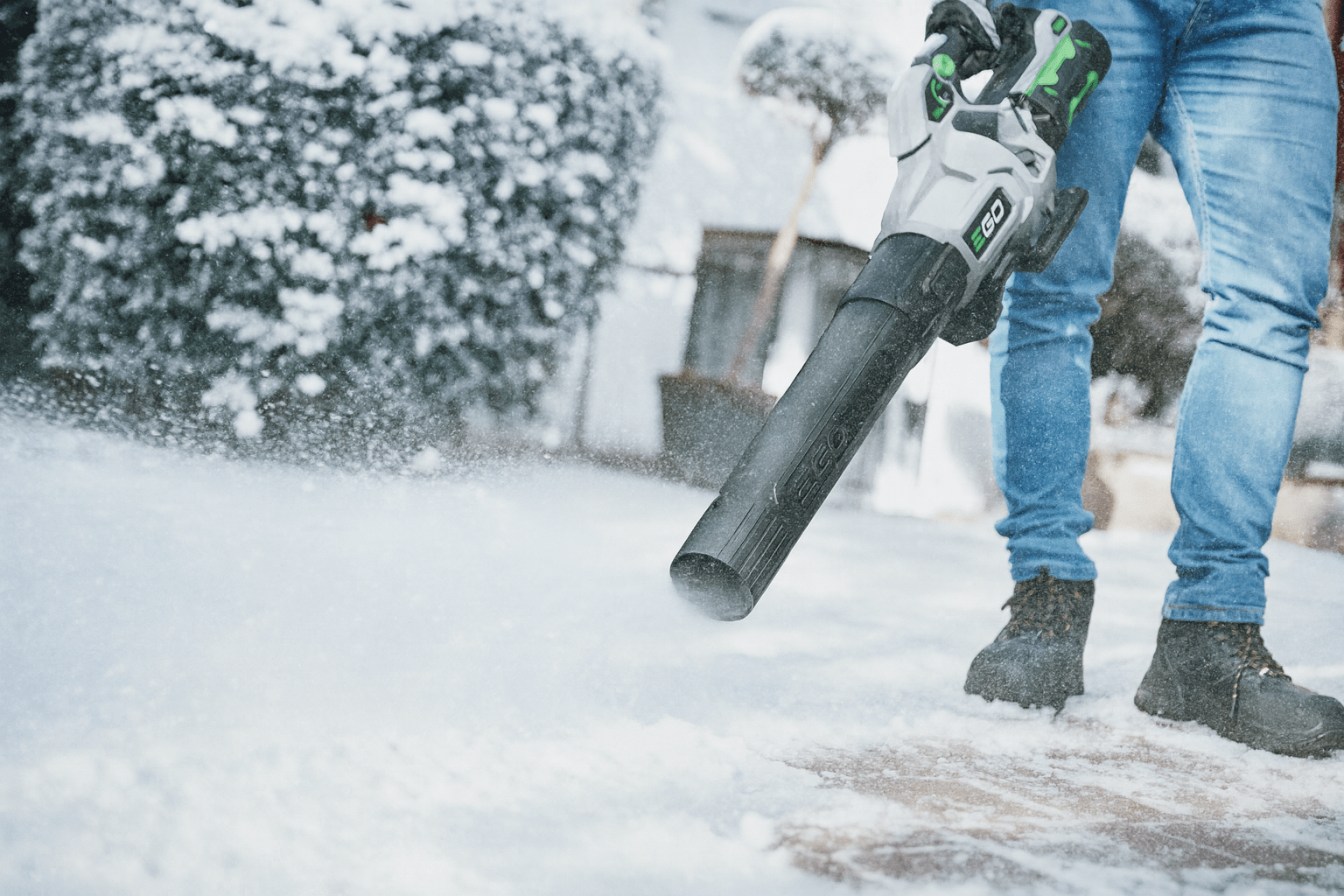
To decide whether a leaf blower is right for your area, consider local snowfall data. In the US, most states east of the Rockies get 10–40 inches of snow per year. Cities like Denver, Chicago, and Boston often see frequent light snowfalls.
According to the National Weather Service, about 60% of snowfalls are less than 2 inches. These light events are ideal for leaf blower use.
If you live in a region with heavy, wet snow (Pacific Northwest, Midwest during spring), expect to use shovels or snow blowers more often.
Credit: egopowerplus.co.uk
When Not To Use A Leaf Blower For Snow
There are times when leaf blowers are not suitable:
- After freezing rain or sleet: Ice cannot be moved by air.
- During heavy snowfalls: More than 4 inches is too much for most blowers.
- On salted or treated surfaces: Snow becomes sticky and harder to move.
- If snow is melting: Wet, slushy snow is too heavy.
- If blower is damaged or clogged: Safety comes first.
If you try to force a blower on unsuitable snow, you risk damaging the tool and wasting time.
Expert Recommendations
For best results, follow these expert tips:
- Check blower specs: Choose models with high CFM and MPH.
- Clear snow quickly: Don’t let snow sit and harden.
- Use safety gear: Protect yourself from cold and flying debris.
- Maintain your equipment: Clean, lubricate, and store indoors.
- Know your limits: Don’t attempt to clear deep or heavy snow with a leaf blower.
According to the Consumer Reports, leaf blowers can move light snow efficiently but are not substitutes for snow blowers or shovels during heavy storms.

Credit: www.leafblowerguide.com
Frequently Asked Questions
Can I Use A Leaf Blower On Wet Snow?
No, wet snow is usually too heavy for a leaf blower to move. Wet snow sticks together and packs down, making it resistant to airflow. If you try, you’ll likely clog the nozzle or waste time. Leaf blowers work best on dry, powdery snow.
How Much Snow Can A Leaf Blower Handle?
Most leaf blowers can handle up to 2 inches of light snow. Some powerful gas models can clear 3–4 inches, but efficiency drops as depth increases. If snow is deeper, clear in layers or switch to a shovel or snow blower.
Is It Safe To Use A Leaf Blower In Freezing Temperatures?
Yes, but take precautions. Cold weather can affect battery life and cause plastic parts to crack. Dress warmly, use safety goggles, and store the blower indoors after use. Always check the blower for ice buildup or damage before starting.
Can I Use An Electric Leaf Blower For Snow?
You can use a corded electric leaf blower for light snow, but avoid using it on wet surfaces. Water and electricity can be dangerous together. Battery-powered blowers are safer but may lose power quickly in cold weather.
Does Using A Leaf Blower Damage The Surface?
No, leaf blowers are gentle and won’t scratch driveways, decks, or cars. Unlike shovels, they simply push snow away with air. However, avoid blowing snow on gravel surfaces, as you may kick up stones.
Snow removal with a leaf blower can be a fast, easy way to clear small amounts of powdery snow. With the right equipment, timing, and technique, you can keep your property safe and accessible without heavy lifting. Remember to assess conditions, use safety gear, and maintain your blower for best results.
When snow falls lightly, your leaf blower can be your secret weapon—saving you time, effort, and back pain all winter long.