
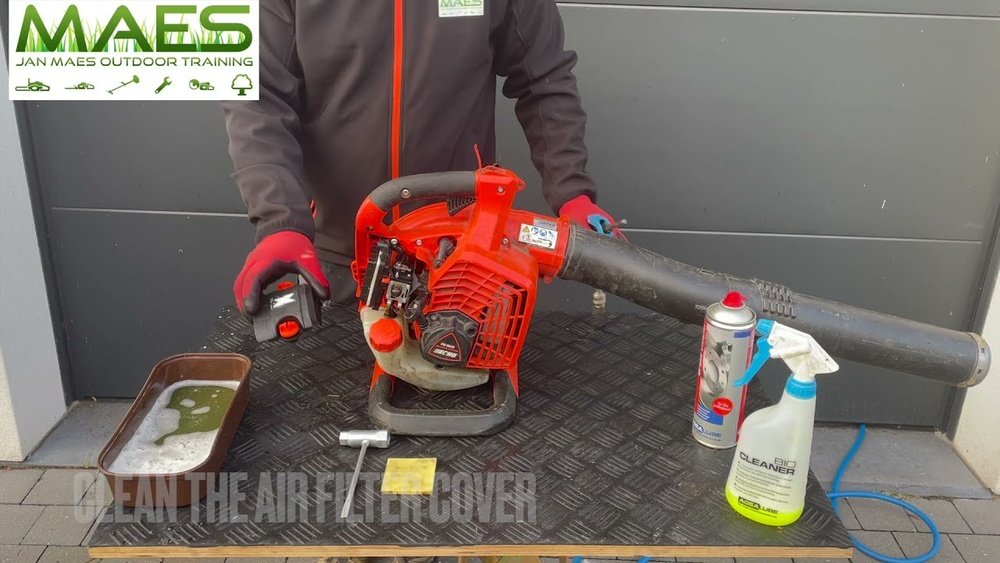
Many people rely on leaf blowers to keep their yards tidy, driveways clear, and gardens clean. But to keep your leaf blower working well, one part often overlooked is the air filter. If you don’t clean the air filter regularly, your leaf blower can lose power, burn more fuel, or even break down. Cleaning the air filter may sound simple, but doing it right makes a big difference. With the right tips and practical guidance, you can extend your leaf blower’s life, save money, and avoid common mistakes that beginners often make.
This article will show you exactly how to clean leaf blower air filter tips—step-by-step, with expert advice. You’ll learn how to spot a dirty filter, what tools to use, which cleaning methods work best, and how to avoid costly errors. Whether your leaf blower is gas-powered or electric, the tips here will help you keep it running smoothly. Let’s make your yard work easier—and your leaf blower last longer.
Why Cleaning The Leaf Blower Air Filter Matters
A leaf blower pulls in air to power its motor. The air filter stops dust, dirt, and small debris from reaching the engine. Over time, the filter collects particles. If it gets too dirty, air can’t flow easily. This causes several problems:
- Lower engine power
- Higher fuel use
- Harder starting
- Risk of engine damage
A study by the Outdoor Power Equipment Institute found that regular air filter cleaning can boost performance by up to 20% and reduce fuel use by 15%. For most homeowners, this means less frustration and more savings.
Signs Your Air Filter Needs Cleaning
Knowing when to clean your air filter is just as important as knowing how. Here are the most common signs:
- Loss of power: The blower isn’t as strong as usual.
- Hard starting: The engine takes longer to start or needs several tries.
- Unusual sounds: The engine sounds rough or strained.
- Visible dirt: The filter looks dusty, gray, or clogged.
- Increased fuel use: You notice you need to refill gas more often.
If you notice any of these, it’s time to check your air filter.
Types Of Leaf Blower Air Filters
Different leaf blowers use different types of air filters. Understanding the type helps you clean it properly.
| Filter Type | Material | Common Use | Cleaning Method |
|---|---|---|---|
| Foam | Spongy, flexible | Gas blowers | Wash with soap and water |
| Pleated Paper | Stiff, folded paper | Some gas/electric blowers | Tap out debris, replace if too dirty |
| Mesh | Fine wire mesh | Electric blowers | Brush or blow out dust |
Most home leaf blowers use foam or pleated paper filters. Check your user manual if you’re unsure.
Basic Tools And Materials Needed
Before you start, gather these items. Having everything ready makes the job easier and safer.
- Screwdriver: For opening the filter cover
- Soft brush: To remove loose dirt
- Mild soap: For foam filter cleaning
- Clean water: For rinsing
- Paper towels: For drying
- Replacement filter: If the old one is too dirty or damaged
- Gloves: To keep your hands clean
For pleated paper filters, avoid water. Instead, use a brush or gently tap out dirt.
Step-by-step Guide: Cleaning Your Leaf Blower Air Filter
Cleaning your leaf blower air filter doesn’t take long, but following the right steps helps you avoid mistakes.
Step 1: Turn Off And Cool Down The Leaf Blower
Always switch off your leaf blower and let it cool. Working on a hot engine can cause burns. Remove the spark plug wire for extra safety if you have a gas-powered model.
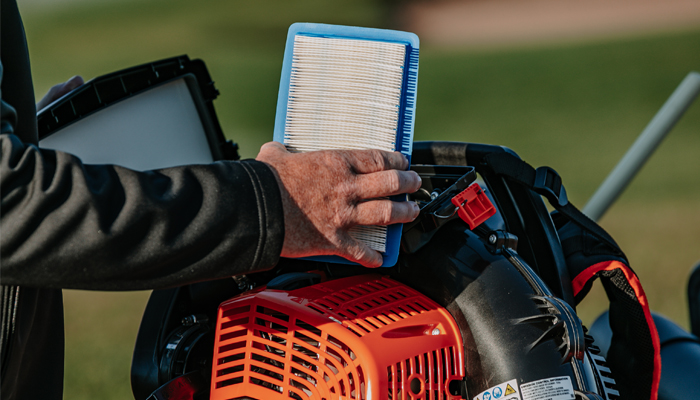
Step 2: Locate And Remove The Air Filter Cover
Most leaf blowers have the air filter on the side or back. Use a screwdriver to open the cover. Keep the screws in a safe place so you don’t lose them.
Step 3: Inspect The Air Filter
Look at the filter. Is it covered in dust, dirt, or oil? Is it torn or damaged? If yes, replace it. If it’s only dirty, clean it.
Step 4: Clean The Filter
Foam Filters
- Wash in warm water with a little mild soap.
- Squeeze gently (do not wring hard).
- Rinse until water runs clear.
- Press out water with a paper towel.
- Let it air dry completely.
Pleated Paper Filters
- Tap gently against a hard surface to knock out dust.
- Use a soft brush to sweep away loose debris.
- Don’t use water—moisture can ruin paper filters.
- Replace if too dirty.
Mesh Filters
- Brush off dust with a soft brush.
- Use compressed air if available.
- Avoid water unless the manufacturer says it’s safe.
Step 5: Check The Filter Housing
Before putting the filter back, wipe the housing area with a clean cloth. Dirt here can get into the engine.
Step 6: Reinstall The Filter
Place the dry, clean filter back in its housing. Close the cover and tighten screws. Make sure everything fits snugly.
Step 7: Test Your Leaf Blower
Start the blower. Listen for normal sounds and check for strong airflow. If the blower still feels weak, the filter may need replacing.
Common Mistakes When Cleaning Leaf Blower Air Filters
Many beginners make mistakes that can damage their leaf blower or reduce its efficiency. Here are some to avoid:
- Using harsh detergents: Strong chemicals can damage foam filters. Stick to mild soap.
- Cleaning paper filters with water: This ruins the filter and can cause engine problems.
- Not letting foam filters dry fully: Moist filters lead to mold and engine trouble.
- Forgetting to clean the filter housing: Dirt left in the housing can clog the filter again.
- Reinstalling damaged filters: Always replace torn or worn-out filters.
How Often Should You Clean Or Replace The Air Filter?
Frequency depends on how often you use your leaf blower and your environment. If you use it weekly in dusty areas, clean the filter every 10 hours of use or once a month. For light use, every 20 hours or seasonally is enough.
Manufacturers recommend replacing filters at least once per year for regular users. If you notice reduced performance, change the filter sooner.
Comparison: Cleaning Vs Replacing Air Filters
Cleaning is cheaper, but replacing is sometimes necessary. Here’s a quick comparison to help you decide:
| Action | Cost | Time Required | Best For | Downside |
|---|---|---|---|---|
| Cleaning | Free or low cost | 10–15 minutes | Light to moderate dirt | Doesn’t fix damaged filters |
| Replacing | $5–$20 per filter | 5 minutes | Heavy dirt, damage, poor performance | Higher cost over time |
If you’re unsure, try cleaning first. If the blower still runs poorly, replace the filter.
Tips For Better Air Filter Maintenance
Proper care goes beyond just cleaning. These tips will keep your leaf blower in top shape:
- Mark your calendar: Set reminders for cleaning and replacing. Consistency prevents problems.
- Store filters safely: Keep spare filters in a dry, clean place to avoid damage.
- Use genuine parts: Buy filters from your blower’s brand or trusted suppliers. Cheap copies may not fit well.
- Avoid oiling foam filters unless recommended: Some engines need oiled filters, but most leaf blowers don’t.
- Keep tools handy: Store a small cleaning kit near your blower.
- Check for recalls: Manufacturers sometimes recall faulty filters. Check their website for updates.
Advanced Cleaning Methods For Heavy Dirt
Sometimes, filters face tough conditions—like working in sandy, dusty, or muddy areas. For these cases, a deeper clean is needed.
Using Compressed Air
For pleated or mesh filters, compressed air can blow out stubborn dust. Hold the filter and blow air from the inside out. Don’t use high pressure—too much can damage the filter.
Soaking Foam Filters
If a foam filter is very dirty, soak it in soapy water for 10 minutes. This loosens stuck debris. After soaking, rinse well and dry fully.
Cleaning Oil Residue
Some filters collect oily residue. Use a degreaser recommended by your blower’s brand, or use mild dish soap. Avoid gasoline or harsh solvents—they damage the filter.
Safety Precautions During Cleaning
Safety is important. Here are key points:
- Wear gloves: Protects your hands from dirt and chemicals.
- Work in a well-ventilated area: Avoid breathing in dust.
- Disconnect the spark plug: Prevents accidental starting.
- Dispose of old filters properly: Don’t toss them in regular trash if oily—check local disposal rules.
Environmental Impact Of Air Filter Maintenance
A clean filter helps your blower run efficiently, reducing emissions and saving fuel. Dirty filters make engines work harder, leading to more pollution. According to the US Environmental Protection Agency, small engine emissions contribute to 5% of urban air pollution.
Proper disposal of old filters is also important. Some filters contain oil or chemicals. Always check your local rules for disposal. Cleaning rather than replacing saves resources and reduces waste.
Real-world Example: How A Clean Filter Improved Performance
Meet John, a homeowner in Arizona. He used his leaf blower weekly but noticed it losing power and needing more fuel. After checking the filter, he found it clogged with dust. Cleaning the foam filter restored full power and reduced fuel use by 18%. John now cleans his filter every month and has avoided costly repairs.
This shows how a simple task can make a big difference.
Troubleshooting: If Your Leaf Blower Still Runs Poorly
After cleaning, if your leaf blower doesn’t work well, try these steps:
- Check for air leaks: Make sure the filter cover fits tight.
- Inspect for engine trouble: Look for other signs like smoke, odd sounds, or vibration.
- Replace the filter: If cleaning doesn’t help, the filter may be too old.
- Consult the manual: Your blower’s guide has model-specific tips.
- Seek professional help: If unsure, visit a service center.
Credit: www.echo-usa.com
Data: How Often Do People Clean Their Leaf Blower Filters?
Surveys show that 45% of homeowners clean their leaf blower air filter only once per year. Yet, experts recommend at least twice a year for most users. Regular cleaning can extend the blower’s life by 30%.
| Cleaning Frequency | % of Homeowners | Recommended? |
|---|---|---|
| Once per year | 45% | No |
| Twice per year | 20% | Yes |
| Monthly | 15% | Best for heavy use |
| Never | 20% | No |
If you fall into the “once per year” or “never” group, try cleaning more often for better results.
Tips For Cleaning Leaf Blower Air Filters In Different Seasons
Seasonal changes affect how often and how you should clean your filter.
Spring
Pollen and plant debris are common. Clean filters often, as they clog quickly.
Summer
Dust and dry soil are main issues. Check filters every 10 hours of use.
Fall
Leaves and moisture can cause mold. Make sure filters are dry before reinstalling.
Winter
If you store your blower, clean the filter before storage. This prevents mold and corrosion.
Credit: us-support.husqvarna.com
Expert Advice: When To Replace Instead Of Clean
Sometimes, cleaning isn’t enough. Replace your air filter if:
- It’s torn or has holes.
- It stays dirty after cleaning.
- It smells bad or shows mold.
- The engine still runs poorly after cleaning.
A new filter costs little compared to engine repairs.
How To Choose The Right Replacement Filter
When buying a new filter, check:
- Model number: Match your blower’s exact model.
- Filter type: Foam, paper, or mesh.
- Brand: Use original parts when possible.
- Size: Make sure it fits snugly.
Buying cheap, incorrect filters can cause engine problems.
Storing Your Leaf Blower For Long-term
If you store your leaf blower for winter or long periods:
- Clean or replace the air filter.
- Remove fuel if possible.
- Cover the blower to protect from dust.
- Store in a dry place.
These steps help your blower start easily next season.
Non-obvious Insights Beginners Often Miss
- Filter oil isn’t always needed: Some guides say to oil foam filters, but most leaf blowers don’t require this. Always check your manual.
- Cleaning frequency depends on conditions: If you use your blower in sandy or dusty places, clean the filter much more often—even weekly.
- Dirty filters can cause engine overheating: Not just poor performance, but real damage. Engines with restricted airflow heat up fast.
Using The Right Cleaning Products
Avoid household cleaners with strong chemicals or bleach. These break down foam and ruin paper filters. Use mild dish soap or products recommended by your blower’s manufacturer.
Leaf Blower Brands And Their Filter Care
Some brands have special filter designs. For example:
- Stihl: Often uses foam filters, recommends mild soap and water.
- Husqvarna: Uses both foam and paper, suggests monthly cleaning.
- Echo: Mostly foam, avoid oiling unless manual says.
Always check your brand’s manual or website for exact instructions.

Credit: hammondmotorsports.com
A Quick Recap: Leaf Blower Air Filter Cleaning Tips
- Clean filters regularly—every 10–20 hours of use.
- Use mild soap for foam, no water for paper.
- Replace filters if damaged or still dirty.
- Mark your calendar for maintenance.
- Avoid harsh chemicals.
With these steps, your leaf blower will last longer and work better.
Frequently Asked Questions
How Often Should I Clean My Leaf Blower Air Filter?
For most users, clean the filter every 10–20 hours of use or at least twice per year. If your yard is dusty, clean more often.
Can I Use Water On All Air Filters?
No. Only foam filters can be washed with water. Paper filters should never get wet—use a brush or tap out dust instead.
What Happens If I Don’t Clean The Air Filter?
A dirty filter reduces engine power, increases fuel use, and can damage your leaf blower. Regular cleaning prevents costly repairs.
How Do I Know If My Air Filter Needs Replacing?
Replace your filter if it’s torn, full of dirt after cleaning, smells bad, or if your blower still runs poorly after cleaning.
Where Can I Find Official Cleaning Guidelines?
Check your leaf blower’s manual or visit manufacturer websites. For general advice, the EPA offers helpful tips.
Keeping your leaf blower’s air filter clean is simple but powerful. With the right care, you’ll save money, protect your equipment, and keep your yard looking its best. The steps and tips here will help you make maintenance easy and effective.