
Last updated: October 2026 · Written by the LawnVibe editorial team.
Hot summers, watering restrictions and sandy soil all make it hard to keep a lawn green. The right seed makes a huge difference: some grasses send roots several feet deep and stay green through dry spells, while others brown within days. Choosing the best grass seed for dry conditions starts with picking the right species for your climate, then giving new seedlings the deep-rooting start they need. This guide compares drought-tolerant seed products and explains what makes a grass survive dry weather.
Our picks are based on published product information and grass species characteristics, not on hands-on testing. For general seed choices beyond drought, see our main guide to the best grass seed.
Our Top Picks

Jonathan Green Black Beauty (Heat Tolerant)
Best for: Cool-season and transition-zone lawns
A heat-tolerant cool-season mix that Jonathan Green describes as containing tall fescue and Texas bluegrass. Deep-rooted tall fescue is one of the most drought-resilient cool-season grasses.
- Tall fescue for deep roots
- Bred for heat tolerance
- Dark green color
- Premium price
- Not for warm-season-only regions
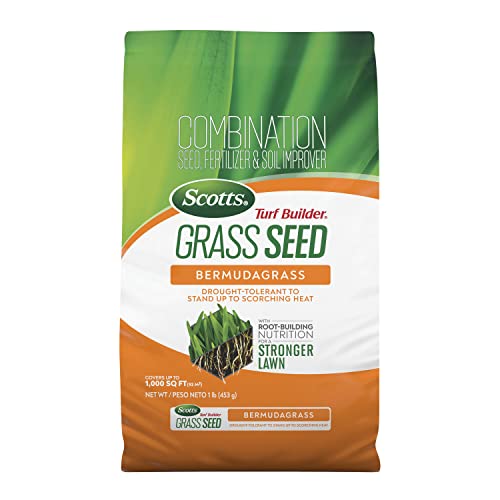
Scotts Turf Builder Bermudagrass Seed
Best for: Hot, sunny southern lawns
Bermudagrass is a warm-season grass known for heat and drought tolerance and fast recovery once rain returns. Best for full-sun lawns in warm climates.
- Excellent heat tolerance
- Recovers quickly after drought
- Handles heavy wear
- Poor in shade
- Goes dormant and brown in cool weather

Pennington Kentucky 31 Tall Fescue
Best for: Large, low-input areas
A tough, economical tall fescue with coated seed. Its deep roots help it survive dry spells, making it a common choice for large, low-maintenance areas.
- Deep-rooted and tough
- Economical for big areas
- Coated seed holds moisture
- Coarser texture
- Bunch-type, slow to fill gaps
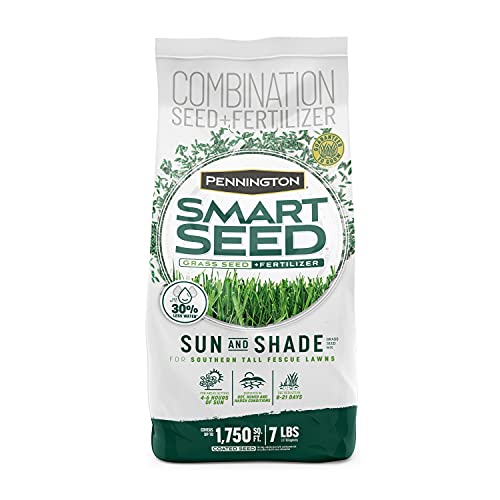
Pennington Smart Seed Sun and Shade (Southern)
Best for: Tall fescue lawns in warmer regions
A seed and fertilizer mix aimed at southern tall fescue lawns with mixed sun and shade, where summer heat and dry spells are common.
- Formulated for southern fescue
- Seed plus fertilizer
- Mixed sun and shade
- Regional formulation
- Fertilizer limits coverage per bag
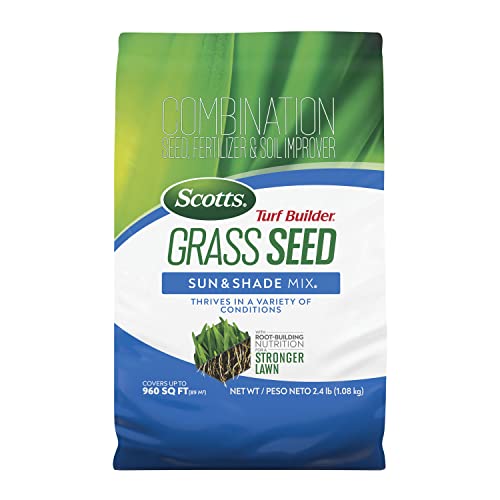
Scotts Turf Builder Sun and Shade Seed
Best for: Thin lawns that dry out in summer
A combination of grass seed, fertilizer and soil improver for sun and partial shade. Thickening a thin lawn helps it shade the soil and hold moisture during dry periods.
- Seed, feed and soil improver
- Versatile sun and shade
- Easy to apply
- Not purely drought-focused
- Lower coverage than seed-only

Pennington Contractors Grass Seed Mix
Best for: New lawns and big overseeding jobs
A general-purpose mix for establishing new lawns, overseeding and repairing damaged areas, sold in contractor-size bags for larger projects.
- Large bag size
- Versatile uses
- Good for big areas
- Check species mix for your region
- Not specialized for drought
Comparison Table
| # | Product | Best for | Link |
|---|---|---|---|
| 1 | Jonathan Green Black Beauty (Heat Tolerant) | Cool-season and transition-zone lawns | Check price |
| 2 | Scotts Turf Builder Bermudagrass Seed | Hot, sunny southern lawns | Check price |
| 3 | Pennington Kentucky 31 Tall Fescue | Large, low-input areas | Check price |
| 4 | Pennington Smart Seed Sun and Shade (Southern) | Tall fescue lawns in warmer regions | Check price |
| 5 | Scotts Turf Builder Sun and Shade Seed | Thin lawns that dry out in summer | Check price |
| 6 | Pennington Contractors Grass Seed Mix | New lawns and big overseeding jobs | Check price |
What Makes a Grass Drought Tolerant?
Drought tolerance comes from a few traits working together. Deep roots reach moisture lower in the soil profile long after the surface dries. Dormancy lets grasses such as Bermuda and Kentucky bluegrass go brown and shut down during drought, then regrow when water returns. Leaf structure matters too: some grasses lose less water through their blades. Finally, heat tolerance keeps grass growing when temperatures soar.
Tall fescue stands out among cool-season grasses because it roots deeply. Warm-season grasses such as Bermuda, zoysia and buffalograss are naturally adapted to heat and recover strongly after dry spells.
A Closer Look at Each Pick
Jonathan Green Black Beauty Heat Tolerant. A cool-season mix that pairs deep-rooted tall fescue with bluegrass for repair ability. It suits northern and transition-zone lawns that face hot, dry summers.
Scotts Turf Builder Bermudagrass. For sunny southern lawns, Bermuda is one of the toughest drought performers, going dormant in severe dry spells and bouncing back quickly. It does not tolerate shade well.
Pennington Kentucky 31 Tall Fescue. An economical, deep-rooted option for large areas where water is limited, accepting a coarser look than turf-type fescue.
Pennington Smart Seed Sun and Shade Southern. A tall fescue-based mix with fertilizer, aimed at southern fescue lawns that endure heat and mixed light.
Scotts Turf Builder Sun and Shade. A seed, feed and soil improver product that thickens thin lawns. Denser turf shades the soil and reduces evaporation, which helps in dry periods.
Pennington Contractors Mix. A large-bag option for new lawns and big overseeding projects; check the species list matches your climate.
Drought-Tolerant Grass Species Compared
| Grass | Type | Drought response | Best region |
|---|---|---|---|
| Tall fescue | Cool | Stays green longer, deep roots | North, transition zone |
| Fine fescue | Cool | Tolerates dry shade | Cool, shady areas |
| Kentucky bluegrass | Cool | Goes dormant, recovers | North |
| Perennial ryegrass | Cool | Less drought tolerant | Mild climates |
| Bermuda | Warm | Very tolerant, fast recovery | South |
| Zoysia | Warm | Good tolerance, slow growth | South, transition |
| Buffalograss | Warm | Very low water | Great Plains, dry West |
How to Plant Drought-Tolerant Grass Seed
Timing is critical. Seed cool-season grasses in late summer to early fall so roots establish before summer heat. Seed warm-season grasses in late spring to early summer.
Prepare the soil by loosening the top few inches and mixing in compost, which improves water holding, especially in sandy soil. On existing lawns, core aerate before overseeding; our guide on how to aerate your lawn for better drainage explains how aeration also helps water soak in.
Spread seed at the label rate and rake lightly for good seed-to-soil contact. Keep the surface consistently moist until germination, then gradually water deeper and less often to push roots down. This training period is what builds drought resistance.
Watering for Deep Roots
Once established, water deeply and infrequently, aiming to wet the root zone rather than the surface. Early morning watering reduces evaporation. An efficient irrigation system with a smart controller and rain sensor helps; see our guide on how to install a Rain Bird sprinkler system. During long droughts with restrictions, letting a healthy lawn go dormant is often better than repeated light watering.
Mowing and Feeding for Drought Resistance
Mow at the high end of the recommended range for your grass. Taller grass shades the soil and supports deeper roots. Leave clippings on the lawn to return moisture and nutrients. Avoid heavy nitrogen in late spring and summer, which pushes leafy growth that the roots cannot support in heat.
How to Choose the Best Grass Seed for Dry Conditions
Start with your climate zone
Cool-season grasses thrive in northern regions with cold winters, warm-season grasses in the South, and the transition zone in between is where tall fescue usually performs best. Choosing a grass that is poorly suited to your region will undermine drought tolerance, however good the seed.
Consider sun and shade
Most drought-tolerant grasses love sun. Dry shade, such as under large trees that compete for water, is particularly challenging; fine fescues are the best choice there, and adding mulch beds may be more practical in the deepest shade.
Look at the species percentages
Seed labels list each species and variety by weight. For drought, look for a high percentage of turf-type tall fescue in cool-season mixes. Mixes heavy in perennial ryegrass establish quickly but are less drought tolerant.
Check purity, germination and weed content
High purity and germination rates and low weed seed content mean you get more of what you paid for. Check the test date; fresher seed germinates better.
Decide between seed-only and seed-and-feed
Seed-and-feed products are convenient for overseeding thin lawns. For big projects, seed-only bags usually offer more coverage, and you can choose a starter fertilizer based on a soil test.
Grass Seed for Sandy Soil
Sandy soil drains quickly and holds little water, so lawns on sand dry out fast. Deep-rooted grasses help, but improving the soil helps more. Mix compost into the top few inches before seeding a new lawn, and topdress existing lawns with a thin layer of compost after aeration. In warm regions, Bermuda and zoysia handle sandy soil well; in cooler regions, tall fescue is a strong choice.
Grass Seed Under Watering Restrictions
If your area often limits lawn watering, choose grasses that can go dormant safely and recover, such as tall fescue, Kentucky bluegrass and Bermuda. During restrictions, the University of Illinois Extension suggests small, occasional watering to keep dormant crowns alive rather than trying to keep the lawn green. Plan seeding for seasons when rain is more reliable.
Alternatives to Traditional Turf in Very Dry Areas
In regions with very low rainfall or strict water limits, consider reducing lawn area. Native grasses such as buffalograss need far less water than traditional turf once established. Low-water ground covers, gravel paths and drought-tolerant planting beds can replace lawn in areas that are hard to irrigate, such as narrow side strips and steep slopes. Keeping turf only where you actually use it, such as play areas and paths, saves water and effort.
How Long Until a New Lawn Is Drought Tolerant?
New grass is not drought tolerant at first. Seedlings have shallow roots and need consistent moisture for the first several weeks. Roots deepen over the first season, and most lawns reach good drought resilience after their first full year, provided they are watered deeply and infrequently once established. Fall-seeded cool-season lawns have a big advantage, because they develop roots through fall and spring before facing their first summer.
Overseeding an Existing Lawn With Drought-Tolerant Seed
You do not need to start over to make a lawn more drought resilient. Overseeding a thin lawn with tall fescue or another drought-tolerant grass gradually shifts its makeup. Mow the lawn short, rake out dead grass, core aerate, spread seed at the overseeding rate on the label, rake it in lightly and keep it moist until it sprouts. Repeating this for a couple of seasons can significantly improve how the lawn handles summer dry spells. Make sure the seed you add is compatible in color and texture with your existing grass.
Mulching New Seed in Hot Weather
When seeding in warm, dry weather, a thin layer of straw or a seed-starting mulch helps hold moisture around the seed and shades the soil surface. Use a light covering so some soil remains visible, and choose weed-free straw. Many patch repair products include mulch for this reason.
Is Drought-Tolerant Seed Worth the Cost?
Premium drought-tolerant blends often cost more per bag than basic mixes, but they can save water, reduce summer browning and cut the need to reseed after dry years, which usually makes them good value.
Signs Your Lawn Needs More Drought-Tolerant Grass
If your lawn browns within days of hot, dry weather, shows footprints that stay visible after walking across it, or thins out every summer, it may be dominated by shallow-rooted grasses. Switching to deeper-rooted species, combined with better watering habits, usually improves resilience noticeably.
Soil Health and Drought Resilience
Healthy soil acts like a sponge. Organic matter from compost and grass clippings increases how much water soil can hold and supports the earthworms and microbes that keep soil open. Core aeration relieves compaction so roots and water can penetrate. A soil test helps you correct pH and nutrient problems that weaken roots. Over time, these steps make any grass more drought tolerant.
Common Mistakes With Drought-Tolerant Seed
Seeding cool-season grass in late spring, just before summer heat. Watering new grass lightly every day for weeks, which keeps roots shallow. Mowing too short. Choosing ryegrass-heavy mixes for hot, dry sites. Expecting any grass to stay green through extreme drought without water. Ignoring compacted or sandy soil that limits root growth.
Recovering From Drought
If drought has already damaged your lawn, check whether grass is dormant or dead before reseeding. Our guide on how to revive a lawn after drought explains the tug test, recovery watering and when to overseed with drought-tolerant seed.
The Bottom Line on the Best Grass Seed for Dry Conditions
The best grass seed for dry conditions is the one that combines drought-tolerant species with your climate. In cool-season and transition regions, tall fescue blends lead the way; in warm regions, Bermuda and other warm-season grasses excel. Plant at the right time, water deeply and infrequently to build roots, mow high and improve your soil, and your lawn will stay greener for longer when the weather turns dry.
Frequently Asked Questions
What grass seed is best for dry conditions?
Turf-type tall fescue is usually the best drought-tolerant choice for cool-season and transition regions. In warm regions, Bermuda, zoysia and buffalograss handle heat and drought well.
Can grass survive without watering?
Many grasses survive drought by going dormant and turning brown, then recover when rain returns. Deep-rooted grasses survive longer. Extended drought without any water can kill even tough grasses.
Is Kentucky bluegrass drought tolerant?
Kentucky bluegrass can survive drought by going dormant, but it browns quickly and needs more water to stay green than tall fescue. Some newer varieties are more drought resilient.
When should I plant drought-tolerant grass seed?
Plant cool-season seed such as tall fescue in late summer to early fall. Plant warm-season seed such as Bermuda in late spring to early summer when soil is warm.
How do I make my lawn more drought resistant?
Choose deep-rooted grass, water deeply and infrequently, mow high, aerate compacted soil, and add organic matter by topdressing with compost.