
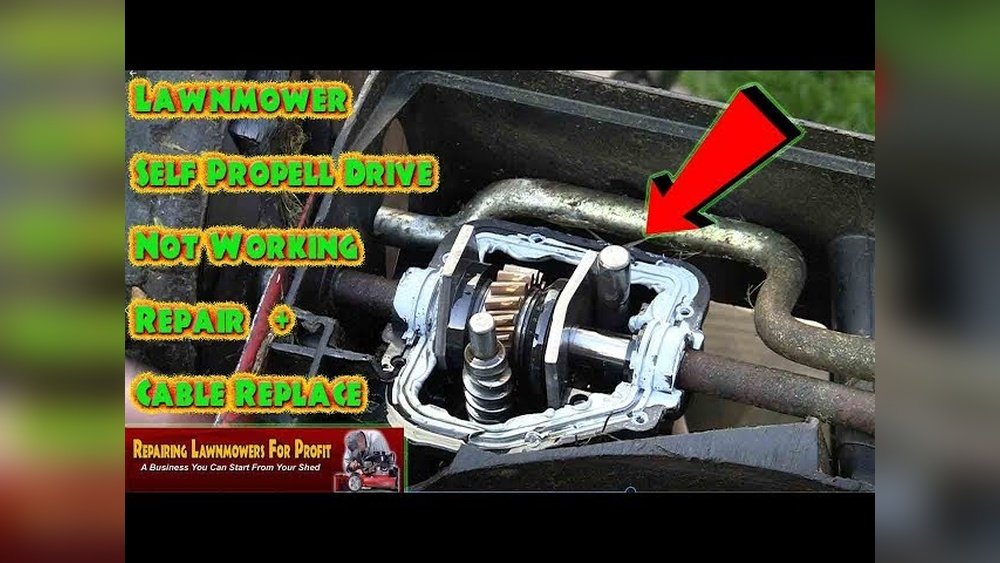
Every spring, lawns start to grow fast. You pull out your self-propelled lawn mower, press the drive lever, and… nothing happens. The wheels don’t move, or they move slowly. You push instead of watching the mower pull itself. Frustrating, right? If your lawn mower self-propel feature is not working, you are not alone. This problem is common, but the good news is, most fixes are simple and can be done at home.
This guide explains how to diagnose and fix a self-propelled lawn mower that won’t move. You will learn about the most likely causes, step-by-step solutions, and tips to prevent future problems. Whether you have a gas, electric, or battery-powered mower, these steps will help you save money and keep your mower running smoothly.
Understanding How Self-propel Works
Before fixing your mower, it helps to know how the self-propel system works. Most self-propelled mowers use a drive belt, transmission (gearbox), drive cable, and wheels. When you press the handle or lever, the cable pulls the transmission, which uses the belt to turn the wheels. If any part fails, the mower may not move.
There are two main types of self-propel systems:
- Front-wheel drive: Easier to turn, but can lose traction on slopes.
- Rear-wheel drive: Better for hills and thick grass, but harder to turn.
Knowing your mower’s drive type helps you find the right fix.
Common Reasons Self-propel Stops Working
Many things can stop the self-propel feature. Here are the most common causes:
- Loose or broken drive belt
- Damaged or stretched drive cable
- Worn-out drive wheels or gears
- Faulty transmission
- Obstructions (grass, dirt, debris)
- Misadjusted drive control lever
- Low or old engine oil (for gas mowers)
- Battery or electrical issues (for electric mowers)
Let’s look at each cause and how to fix it.
Step-by-step Fixes For Self-propel Problems
Follow these steps to get your lawn mower moving again. Always disconnect the spark plug (for gas mowers) or remove the battery (for electric mowers) before doing any repairs.
1. Check The Drive Belt
The drive belt connects the engine to the wheels. If it’s broken or loose, the wheels won’t turn.
How to check and replace the belt:
- Tip the mower on its side (carburetor and air filter up for gas mowers).
- Look under the deck for the belt (usually a black rubber loop).
- If the belt is missing, cracked, or loose, it needs replacement.
- Remove the old belt and install a new one, making sure it’s tight.
Tip: Belts stretch over time. Even if it’s not broken, a stretched belt can slip and cause weak drive.
2. Inspect The Drive Cable
The drive cable connects the lever to the transmission. If it’s stretched or frayed, it can’t pull the transmission fully.
How to check and fix the cable:
- Squeeze the self-propel lever and watch the cable move.
- If the cable feels loose or looks damaged, adjust or replace it.
- Some mowers have an adjustment nut near the handle. Turn it to tighten the cable.
- If adjustment doesn’t help, buy a replacement cable for your mower model.
3. Examine Drive Wheels And Gears
Wheels on self-propel mowers have gears inside that connect to the drive system. If these gears are worn out or filled with debris, the wheels won’t turn properly.
How to check wheels and gears:
- Remove the drive wheels (usually a single bolt holds each wheel).
- Inspect the gears for worn, stripped, or missing teeth.
- Clean out grass, mud, or sticks from the gear area.
- Replace wheels if gear teeth are badly worn.
4. Test The Transmission
The transmission is like the heart of the self-propel system. If it fails, the mower can’t move.
How to test and fix:
- With the drive belt and cable removed, turn the transmission pulley by hand.
- If the wheels spin freely when you turn the pulley, the transmission is likely good.
- If the pulley is stuck or the wheels don’t turn, the transmission needs repair or replacement.
- Replacing a transmission can be tricky. If you’re not confident, ask a professional.
5. Remove Debris And Build-up
Grass, mud, and sticks can jam the self-propel system.
How to clean debris:
- Turn off and unplug the mower.
- Look for stuck grass around the wheels, gears, and under the deck.
- Use a brush, stick, or compressed air to clear out all debris.
- Check if the wheels turn smoothly after cleaning.
6. Adjust The Drive Control Lever
Sometimes the drive control lever is not fully engaging. This can be caused by misadjustment or wear.
How to adjust:
- Find the adjustment nut or screw (usually near the handle).
- Tighten it until the lever feels firm and engages the self-propel system quickly.
- Don’t overtighten, or the system may stay engaged even when you let go.
7. Check Engine Oil And Power
For gas mowers, low or dirty oil can make the engine run weak, affecting the self-propel system. For electric mowers, weak batteries or poor connections can cause similar problems.
For gas mowers:
- Check oil level and quality. Add or change oil if needed.
- Use the oil type recommended in your manual.
For electric/battery mowers:
- Make sure the battery is fully charged.
- Clean battery contacts for a good connection.
- Replace the battery if it no longer holds charge.
8. Inspect For Bent Or Damaged Parts
Sometimes, hitting a rock or root can bend parts of the self-propel system.
How to check:
- Look for bent rods, brackets, or levers.
- Straighten bent parts with pliers if possible.
- Replace badly damaged parts.
9. Lubricate Moving Parts
Friction can slow or stop moving parts. Lubricate the wheels, gears, and cable ends with a spray lubricant.
Tip: Do not use too much oil, as it can attract dust and grass.
10. Examine For Manufacturer Recalls
Occasionally, some mower models have known self-propel issues and may be under recall or warranty.
How to check:
- Search your model number on the manufacturer’s website or the U.S. Consumer Product Safety Commission.
- If you find a recall, contact the manufacturer for a free repair or replacement.
Comparing Common Causes: Quick Reference
Sometimes, it helps to see differences at a glance.
| Problem | Symptoms | Best Fix |
|---|---|---|
| Broken Belt | No movement, loose belt under deck | Replace belt |
| Stretched Cable | Lever feels loose, wheels don’t turn | Adjust or replace cable |
| Worn Wheels | Wheels spin but don’t drive mower | Replace drive wheels |
| Jammed Debris | Wheels stuck, mower hard to push | Clean gears and wheels |
Self-propel Maintenance Tips
A little maintenance prevents most self-propel problems. Here are some key tips:
- Clean after every use. Grass buildup is a main cause of trouble.
- Check and tighten bolts on wheels and handles regularly.
- Replace belts and cables every 2–3 years, even if they look okay.
- Store in a dry place to prevent rust and corrosion.
- Service your mower at the start of each season for best performance.
When To Call A Professional
Most self-propel problems can be fixed at home, but sometimes you need an expert. Call a pro if:
- The transmission is broken and you are unsure how to replace it.
- You see oil leaking from the transmission area.
- There is a burning smell or smoke when you engage self-propel.
- You cannot find the replacement part for your mower model.
Paying for a professional repair can save time and prevent bigger damage.

Credit: www.youtube.com
Real-world Example: Fixing A Honda Rear-wheel Drive Mower
Let’s look at a real situation. John had a Honda rear-wheel drive mower. The self-propel worked for a few minutes, then stopped. He checked under the deck and saw the belt had slipped off. He replaced the belt and adjusted the cable. The mower worked perfectly after that.
Takeaway: Many self-propel problems are simple to fix with a new belt or cable. Always check these parts first.
Cost Comparison: Diy Fix Vs. Professional Repair
Wondering about the costs? Here’s a breakdown.
| Repair Type | DIY Cost | Professional Cost |
|---|---|---|
| Replace Drive Belt | $10–$20 | $50–$100 |
| Replace Drive Cable | $15–$25 | $60–$110 |
| Replace Transmission | $40–$120 | $120–$250 |
| Replace Drive Wheels | $20–$40 (pair) | $60–$120 |
Insight: DIY repairs can save up to 70% compared to professional service.

Credit: theblackstudentadvocatenetwork.com
Two Non-obvious Insights
- Cable adjustment is often overlooked. Many users replace parts when a simple cable tightening could fix the issue.
- Mixing up wheel types. If you accidentally install front-drive wheels on a rear-drive mower (or vice versa), the self-propel won’t work. Always use the correct wheels for your drive system.
Safety Reminders
- Always disconnect the spark plug or battery before repairs.
- Wear gloves to protect your hands from sharp edges.
- Double-check that parts are secure before running the mower.
Frequently Asked Questions
What Causes The Self-propel To Stop Working Suddenly?
A sudden failure is often due to a broken drive belt or a cable that has snapped. Less often, jammed debris or a failed transmission is the cause.

Credit: sportt-tt.com
How Can I Tell If My Drive Belt Is Bad?
Look for cracks, fraying, or missing pieces. If the belt feels loose or falls off easily, it needs to be replaced.
Can I Use A Generic Belt Or Cable For My Mower?
It’s best to use OEM (original equipment manufacturer) parts for your mower brand and model. Generic parts may not fit properly and can cause more problems.
How Often Should I Replace The Drive Belt And Cable?
Plan to replace the belt and cable every 2–3 years or sooner if you notice wear. Regular checks help spot problems before they stop your mower.
Where Can I Find Repair Guides For My Specific Mower Model?
Many manufacturers offer repair manuals online. For example, you can find detailed guides for most brands on the official Home Depot website.
A working self-propelled lawn mower saves you time and effort. By understanding how the system works and following the steps in this guide, you can fix most problems yourself. Regular maintenance and quick repairs will keep your mower running strong for years.
Don’t let a stuck mower slow down your yardwork—get moving again with these practical solutions.