
Aerating your lawn may sound complicated, but it’s one of the most practical ways to keep your grass healthy and vibrant. If you’ve noticed your lawn looking thin, patchy, or water just sits on the surface, it’s probably time to core aerate. This process punches small holes into the soil, letting air, water, and nutrients reach the grassroots. You don’t need to be a professional to do this well. With the right approach and a bit of effort, you can core aerate your lawn yourself and see real results in a single season.
Let’s break down everything you need to know about core aeration, from choosing the right tools to step-by-step instructions, plus tips that most beginners miss. By the end, you’ll feel confident enough to tackle your lawn and enjoy a greener, thicker yard.
What Is Core Aeration?
Core aeration is a lawn care practice where you use a special tool to remove small plugs of soil (cores) from your lawn. Unlike simple spikes that only poke holes, a core aerator actually pulls out pieces of soil, usually about 2-4 inches deep and 0.
5-0. 75 inches wide. This creates open channels, which help your lawn “breathe” and improve root growth.
When soil gets compacted by foot traffic, rain, or heavy equipment, grassroots struggle to get oxygen and nutrients. Core aeration relieves this compaction, leading to a healthier, more resilient lawn. You’ll often see aeration recommended for cool-season grasses in spring or fall, and for warm-season grasses in late spring to early summer.
Why Core Aerate Your Lawn?
Core aeration isn’t just a chore—it’s an investment in your lawn’s health. Here’s why it matters:
- Stronger root systems: Roots grow deeper and absorb more water and nutrients.
- Better water absorption: Reduces pooling, runoff, and dry spots.
- Improved fertilizer uptake: Fertilizer reaches the roots more effectively.
- Reduces thatch: Helps break down layers of dead grass and roots.
- Boosts resilience: Lawns recover faster from drought, disease, and wear.
Many homeowners skip aeration, thinking regular mowing and watering are enough. However, compacted soil sneaks up slowly, causing weak growth and more weeds over time. Aeration gives your lawn a fresh start, often producing visible improvement within weeks.
Signs Your Lawn Needs Core Aeration
Some lawns need aeration more often than others. Here are the key signs your lawn could benefit:
- Heavy foot traffic: Kids, pets, or gatherings compact the soil.
- Thinning grass: Grass grows slowly or looks weak, even with care.
- Water pools after rain: Water doesn’t soak in, causing puddles.
- Hard soil: It’s difficult to push a screwdriver or shovel into the ground.
- Excessive thatch: Thatch layer thicker than 0.5 inch.
- Recent construction: New homes or landscaping compact soil.
- Clay soil: Clay compacts easily and needs aeration more often.
A non-obvious sign: if you notice more weeds, especially dandelions or crabgrass, it can mean your grass roots are struggling due to compaction.
Choosing A Core Aerator: Manual Vs. Machine
Before you start, you need the right tool. There are two main types of core aerators: manual and machine.
| Type | Best For | Pros | Cons |
|---|---|---|---|
| Manual Core Aerator | Small lawns (<2,000 sq ft) | Affordable, easy to store, low maintenance | Labor-intensive, slow for large yards |
| Machine (Gas/Electric) | Medium to large lawns | Fast, efficient, covers large areas | Heavier, rental cost, storage space needed |
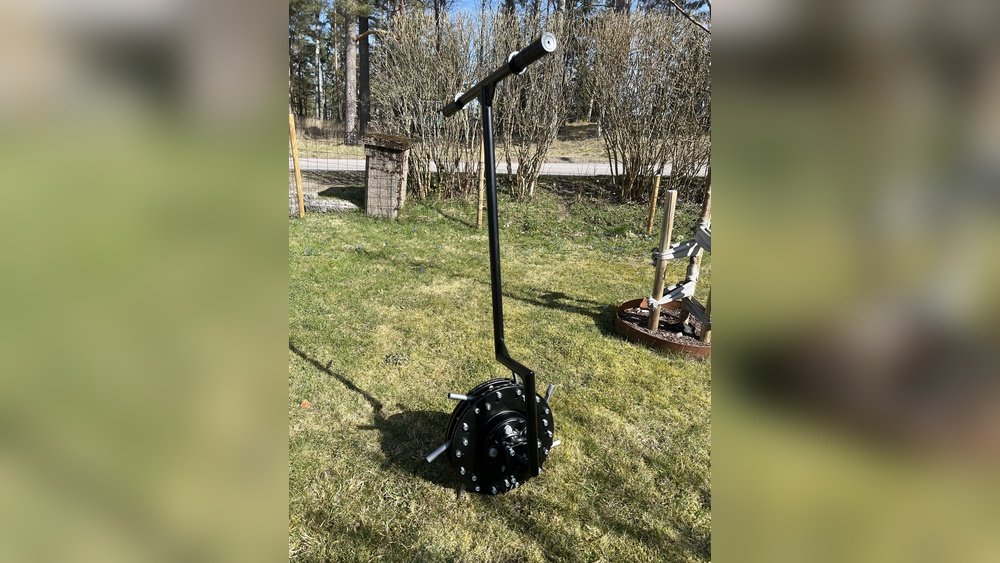
Manual aerators are simple—push them into the ground and pull out soil plugs. They work well for small yards or spot treatments. For bigger lawns, renting a machine from a garden center saves time and energy. Machine aerators pull multiple cores at once and usually have adjustable depths.
Pro tip: If you have an irrigation system, always mark sprinkler heads before using a machine aerator—they can break easily if hit.

Credit: www.homedepot.com
When To Core Aerate
Timing is important for core aeration. Aerate when your grass is actively growing so it can recover quickly.
- Cool-season grasses (fescue, bluegrass, rye): Early spring or early fall is ideal. The soil should be moist, but not muddy.
- Warm-season grasses (Bermuda, zoysia, St. Augustine): Late spring to early summer, when grass is thick and growing strong.
Never aerate during dormancy or stress (drought, extreme heat, or cold). Recovery will be slow, and weeds may take over.
Preparing Your Lawn For Aeration
Good preparation makes aeration easier and more effective. Here’s what you should do:
- Water lawn deeply 1–2 days before: Soil should be moist, not soggy. Dry soil is hard and can damage equipment.
- Mow to normal height: Don’t scalp, but shorter grass helps the aerator work better.
- Remove debris: Clear sticks, rocks, or toys that could block the aerator.
- Mark obstacles: Use flags or paint to show where sprinkler heads, shallow pipes, or cables are located.
Skipping prep can make aeration harder and less effective. Moist soil allows for deeper, cleaner cores.

Credit: www.youtube.com
How To Core Aerate Your Lawn: Step-by-step
Ready to start? Here’s a clear, practical guide to core aeration:
- Choose your tool: Pick a manual or machine aerator that fits your lawn size.
- Test soil moisture: Push a screwdriver 3–4 inches into the ground. If it goes in easily, you’re good to go.
- Aerate in one direction: Start at one corner and work in straight lines, just like mowing.
- Make a second pass (if needed): For compacted or clay-heavy lawns, go over the area again at a 90-degree angle.
- Leave soil plugs on the lawn: They break down in a week or two, returning nutrients to the soil.
- Water lightly: Helps the soil recover and cores dissolve faster.
- Fertilize or overseed: Right after aeration is the perfect time to feed or thicken your lawn.
Beginners often miss: Overlapping your passes a little ensures you don’t leave compacted strips. If you use a machine, move at a steady, moderate speed—rushing can cause shallow holes.
Overseeding And Feeding After Aeration
Core aeration creates the perfect conditions for overseeding and fertilizing. The holes allow seeds to make good contact with the soil, and fertilizer gets to the roots faster.
- Overseeding: Spread seed evenly right after aeration for a thicker, greener lawn. Choose a grass type that matches your existing lawn.
- Fertilizing: Use a slow-release fertilizer. Avoid “weed and feed” products immediately after aeration, as new grass can be sensitive.
Water lightly for the next 2–3 weeks to help seeds sprout and roots grow. You’ll see new growth in about 10–14 days.
What To Expect After Core Aeration
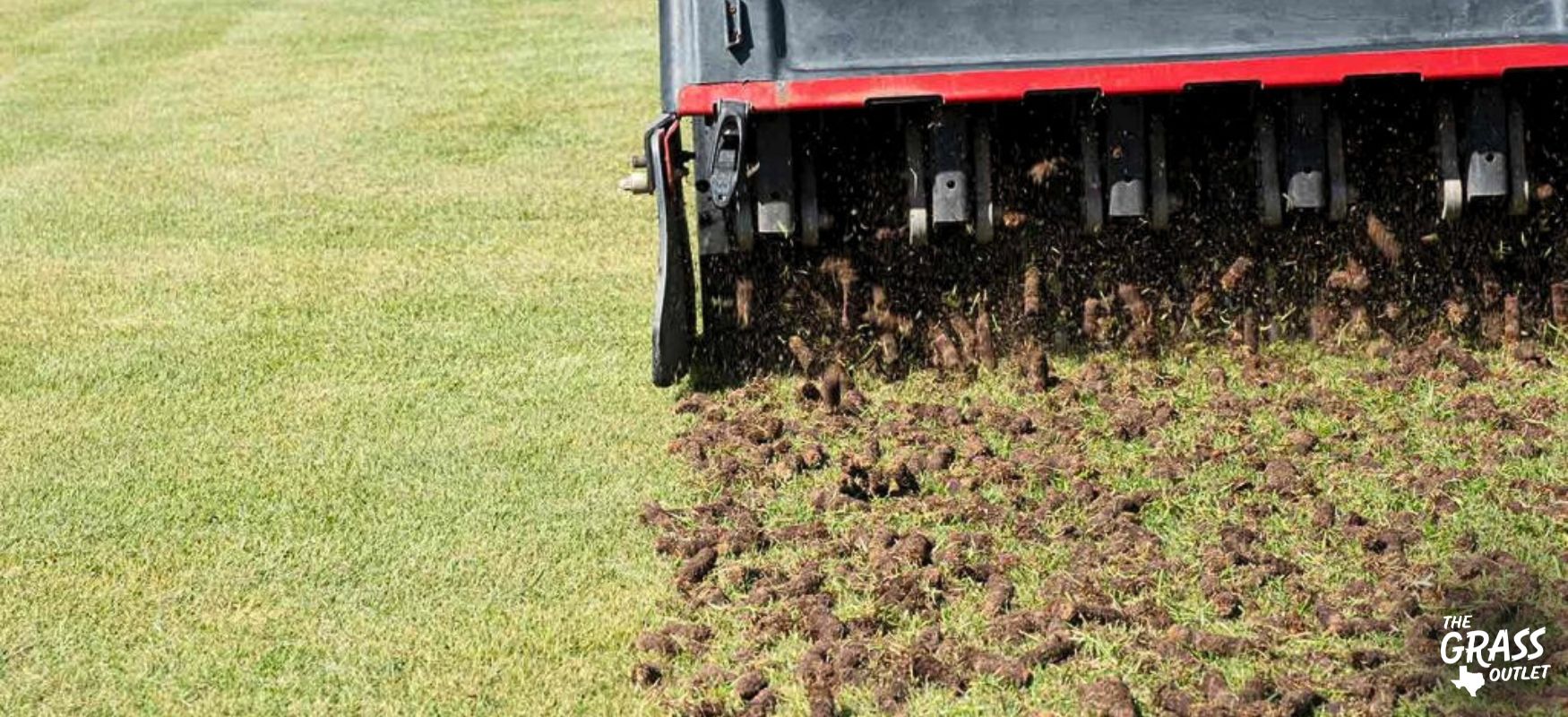
It’s normal for your lawn to look a bit rough for a few days. You’ll see small plugs of soil on the surface—they’ll break down with rain or mowing.
Improvements you’ll notice:
- Faster water absorption (less puddling)
- Thicker, deeper green color
- Fewer bare spots
- Better drought resistance
Pro insight: Many people expect instant results, but the biggest changes show up in 3–6 weeks as roots grow. Consistent care—watering and mowing—helps your lawn recover even faster.
Mistakes To Avoid
Even simple jobs have pitfalls. Here are mistakes to watch for:
- Aerating when soil is dry or frozen: Equipment won’t work well, and you can damage your lawn.
- Skipping compacted areas: Focus on high-traffic spots, not just open grass.
- Removing soil plugs: Leave them—they feed your lawn naturally.
- Aerating too often: Once a year is enough for most lawns; twice for very heavy clay or high traffic.
- Ignoring weather: Don’t aerate right before heavy rain or during heat waves.
Credit: thegrassoutlet.com
How Often Should You Core Aerate?
Most lawns benefit from annual core aeration, but your soil type and usage matter:
| Lawn Type | Recommended Frequency |
|---|---|
| Clay soil, high traffic | Once or twice per year |
| Average residential lawn | Once per year |
| Sandy soil, low use | Every 2–3 years |
If you’re unsure, dig a small section of your lawn. If you see thick roots only in the top 1–2 inches and hard soil below, it’s time to aerate.
Cost And Tool Options
You don’t need to own a core aerator. Most homeowners rent one for the day from hardware or garden centers.
| Tool Type | Typical Cost | Best For |
|---|---|---|
| Manual core aerator | $25–$50 (purchase) | Small yards |
| Gas/electric aerator | $50–$100 (rental/day) | Medium/large yards |
| Professional service | $75–$200 (average yard) | Large or difficult lawns |
Renting is a smart choice—no maintenance or storage needed.
Extra Tips For A Healthy Lawn
- Aerate before heavy rain: Natural moisture helps cores break down.
- Topdress after aeration: A thin layer of compost or sand improves soil quality.
- Sharpen mower blades: Healthy grass heals faster from aeration.
- Monitor results: Take before-and-after photos to track changes.
A non-obvious tip: If you have pets, limit their play on freshly aerated lawns for a few days to avoid damaging new growth.
Resources For Further Learning
If you want to dive deeper into soil health and advanced aeration techniques, check out the Gardening Know How Guide.
Frequently Asked Questions
What Is The Difference Between Core Aeration And Spike Aeration?
Core aeration removes plugs of soil, creating channels for air and water, while spike aeration simply pokes holes without removing soil. Core aeration is more effective for reducing compaction and improving root growth.
Can I Walk On The Lawn After Aeration?
Yes, but try to minimize heavy use for a few days. Walking lightly won’t hurt, but avoid playing sports or letting pets run wild until the grass recovers.
Should I Rake Up The Soil Plugs?
No, leave the soil plugs on your lawn. They break down in about two weeks and return nutrients to the soil. Raking them up wastes natural fertilizer.
How Long Does It Take To See Results?
You’ll usually see thicker, greener grass in 3–6 weeks, especially if you overseed and fertilize after aeration. Some improvements, like better water absorption, can be noticed right away.
Is Core Aeration Safe For All Types Of Grass?
Core aeration is safe for most cool-season and warm-season grasses if done at the right time. Avoid aerating during extreme heat or dormancy, as recovery will be slow.
Caring for your lawn doesn’t need to be complicated. With core aeration, you’re giving your grass a solid foundation for the months ahead. The effort you put in today will reward you with a lush, healthy lawn that stands out in your neighborhood.