
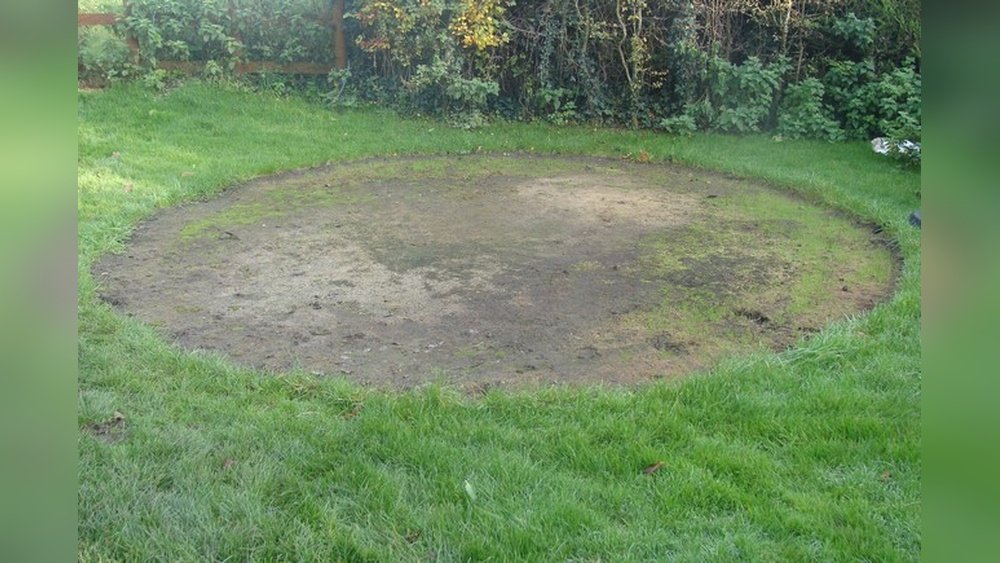
Removing a swimming pool from your backyard is a big job, but it’s only the first step. After the pool is gone, you’re left with a patch of ground that looks barren, uneven, and often lifeless. Many homeowners are surprised at how much work goes into restoring their lawn after pool removal. If you want a green, healthy yard again, you need more than just grass seed. Understanding the process—and the common mistakes—will save you time, money, and frustration. This guide gives you clear, simple steps for bringing your lawn back to life, with practical tips and expert insights that most beginners miss.
Understanding Your Post-pool Soil
Once the pool is out, the soil in that area is different from the rest of your yard. Years of heavy weight and lack of sunlight create compacted soil. Sometimes, you’ll find gravel, sand, or even leftover pool debris mixed in. These conditions make it hard for grass roots to grow. Before anything else, check for:
- Large rocks or broken pool materials
- Poor drainage or standing water
- Hard, dry, or sandy soil
Fixing these problems first is essential. Many people skip this step, but it’s why new grass often fails.
Grading: Leveling The Ground
A smooth, even yard is not just about looks—it also prevents water problems. After pool removal, the ground can sink or develop low spots. Proper grading means shaping the soil so water flows away from your house and doesn’t pool in one place.
Steps for grading:
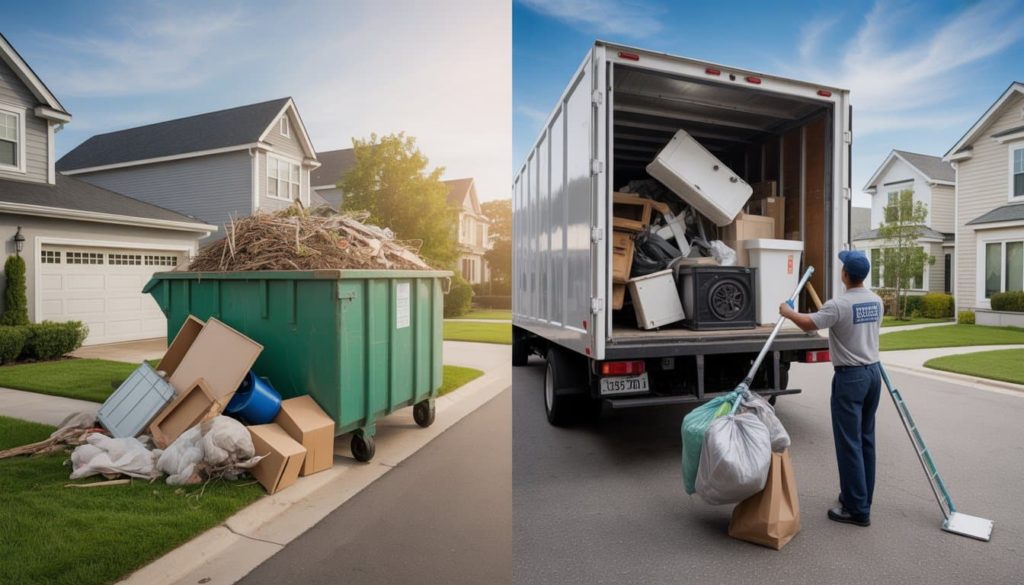
- Remove any debris, rocks, or old roots from the area.
- Use a landscape rake or hire equipment to spread the soil evenly.
- Make sure the soil slopes gently away from buildings.
- Fill any deep holes with quality fill dirt, not just sand.
Pro tip: If you notice water pooling after a rain, fix it right away. Waiting will make it harder to grow grass later.

Credit: www.amazon.com
Improving Soil Quality
Healthy grass starts with healthy soil. Most pool sites have poor soil that needs help. You’ll need to:
- Test soil pH: Ideal grass pH is 6.0–7.0. You can buy a simple soil test kit.
- Add organic matter: Mix in compost, topsoil, or peat moss to boost nutrients.
- Break up compaction: Use a rototiller or garden fork to loosen the top 6–8 inches.
Here’s a quick comparison of soil amendments:
| Amendment | Main Benefit | How to Use |
|---|---|---|
| Compost | Boosts nutrients | Mix 1-2 inches into topsoil |
| Sand | Improves drainage | Only for clay soils, use sparingly |
| Topsoil | Levels and enriches | Add 2–4 inches if soil is poor |
Don’t forget to remove any leftover pool sand before adding new soil. Sand alone is not good for grass because it dries out quickly.
Choosing The Right Grass
Not all grass types will thrive in your newly restored yard. Your choice depends on:
- Climate: Cool-season grasses (like fescue or Kentucky bluegrass) suit northern areas. Warm-season grasses (like Bermuda or Zoysia) are better for hot regions.
- Sunlight: Some areas may be shadier now. Pick shade-tolerant varieties if needed.
- Use: High-traffic lawns need tougher grasses.
Here is a quick look at common grass types:
| Grass Type | Best Climate | Sun/Shade | Durability |
|---|---|---|---|
| Kentucky Bluegrass | Cool | Full sun | Medium |
| Bermuda | Warm | Full sun | High |
| Fescue | Cool | Shade tolerant | Medium |
| Zoysia | Warm | Partial sun | High |
Non-obvious tip: Buy grass seed or sod from a local supplier. Their products are adapted to your area’s weather and soil.
Seeding Or Sodding
You have two main options for planting a lawn: seeding or sodding.
Seeding
- Less expensive
- Takes longer to establish (2–3 months for full coverage)
- Needs regular watering and care
Steps for seeding:
- Spread seed evenly with a broadcast spreader.
- Rake lightly to cover with soil.
- Water gently every day until sprouts appear.
- Keep off the area to avoid disturbing new roots.
Sodding
- Instant green lawn
- More expensive (about $0.30–$0.80 per square foot)
- Roots in 2–3 weeks with proper care
Steps for sodding:
- Lay sod pieces tightly together in rows.
- Press down firmly to remove air pockets.
- Water thoroughly after installation.
- Avoid mowing until the sod is well-rooted.
Insider advice: If you want fast results and less risk of weeds, sod is worth the investment.
Watering And Early Care
New lawns need consistent moisture. The first few weeks are critical. Water deeply but do not flood the area.
- For seed, water lightly 1–2 times a day until grass is 2 inches tall.
- For sod, soak after laying, then water daily for 2 weeks.
Important: Do not let the soil dry out or become muddy. Both extremes can kill young grass.
Fertilizing And Feeding
Your new lawn is hungry for nutrients, but too much fertilizer can burn tender roots.
- Use a starter fertilizer with a balanced N-P-K ratio (like 10-10-10).
- Apply before seeding or sodding, then again 6 weeks later.
- Follow package instructions for amounts.
Common mistake: Many people over-fertilize, thinking more is better. This can damage your lawn and harm local water supplies.
Controlling Weeds And Pests
Weeds love disturbed soil. Right after pool removal, you’ll see more weeds than usual. Here’s how to manage them:
- Use a pre-emergent herbicide before planting, but check that it’s safe for new grass.
- Pull any large weeds by hand.
- Keep the area mowed to stop weed seeds from spreading.
For pests: Watch for ants, grubs, or beetles. These can damage new roots. If you see signs, treat quickly with a targeted pesticide.
Credit: frontierwaste.com
Mowing For The First Time
Wait until the grass is at least 3 inches tall before mowing. Use sharp blades and cut only the top third of the grass.
Tips:
- Don’t mow wet grass.
- Leave clippings to feed the soil.
- Mow in different directions each time.
Ongoing Maintenance
Once your lawn is established, keep it healthy with regular care:
- Water deeply but less often (about 1 inch per week)
- Fertilize 2–4 times per year, depending on grass type
- Aerate the soil once a year to prevent compaction
Non-obvious insight: Aeration is especially important for lawns over old pool sites, which tend to compact again over time.
Fixing Sinking Or Uneven Spots
Sometimes, the ground settles unevenly months after the pool is removed. This is normal. To fix it:
- Add topsoil to low spots
- Re-seed or re-sod as needed
- Water and fertilize to help new grass fill in
Don’t wait too long. Fixing small dips early prevents bigger problems later.
Alternative Lawn Ideas
Not everyone wants a traditional grass lawn. After pool removal, consider:
- Wildflower meadows: Less mowing, great for pollinators
- Groundcovers: Like clover or creeping thyme, which are drought-tolerant
- Mulch beds: For low-maintenance landscaping
These options can save water and give your yard a unique look.

Credit: lawncaredigest.com
Tracking Your Progress
Be patient. A lawn over an old pool site can take a full season to look like the rest of your yard. Take photos every month to track progress. If you see bare spots after 8–10 weeks, reseed them right away.
Here’s a quick timeline for what to expect:
| Time After Pool Removal | What to Do | Expected Results |
|---|---|---|
| Week 1–2 | Grade and amend soil | Level, healthy soil bed |
| Week 3–4 | Seed or lay sod | First grass sprouts or instant green |
| Month 2–3 | Water, mow, fertilize | Thicker, fuller lawn |
| Month 4–6 | Spot fix, aerate | Established, resilient turf |
When To Call A Professional
Some yards need expert help, especially if you notice:
- Standing water that won’t drain
- Large, deep sinking areas
- Unusual weeds or pests
Landscape contractors have tools and experience to solve tough problems. If you’re unsure, a quick consultation can save you money in the long run. For more on this, check out Wikipedia’s landscaping page.
Frequently Asked Questions
How Long Does It Take To Grow A Lawn After Pool Removal?
Most lawns take 2–3 months to fill in after pool removal if you seed, or 3–4 weeks with sod. Full maturity takes about one growing season.
Is It Better To Seed Or Sod After Removing A Pool?
Sod gives instant results and fewer weeds but costs more. Seed is cheaper but takes longer and needs more care. Choose based on your budget and how quickly you want results.
What Type Of Soil Works Best For New Lawns?
A mix of topsoil and organic compost works best. Aim for loose, well-draining soil with a pH between 6.0 and 7.0 for most grass types.
Can I Plant A Garden Instead Of A Lawn After Pool Removal?
Yes, you can plant a vegetable garden, flowers, or groundcovers. Just make sure to improve the soil and check for good drainage first.
What If My Lawn Keeps Sinking After The Pool Is Removed?
Lawn sinking is common as the ground settles. Fill low spots with topsoil, then reseed or resod. If sinking is severe or keeps happening, consult a professional.
Restoring your lawn after pool removal takes patience and the right steps, but the reward is a beautiful, green space you’ll enjoy for years. With attention to soil health, careful planting, and ongoing care, your yard can look as good—or better—than before.