
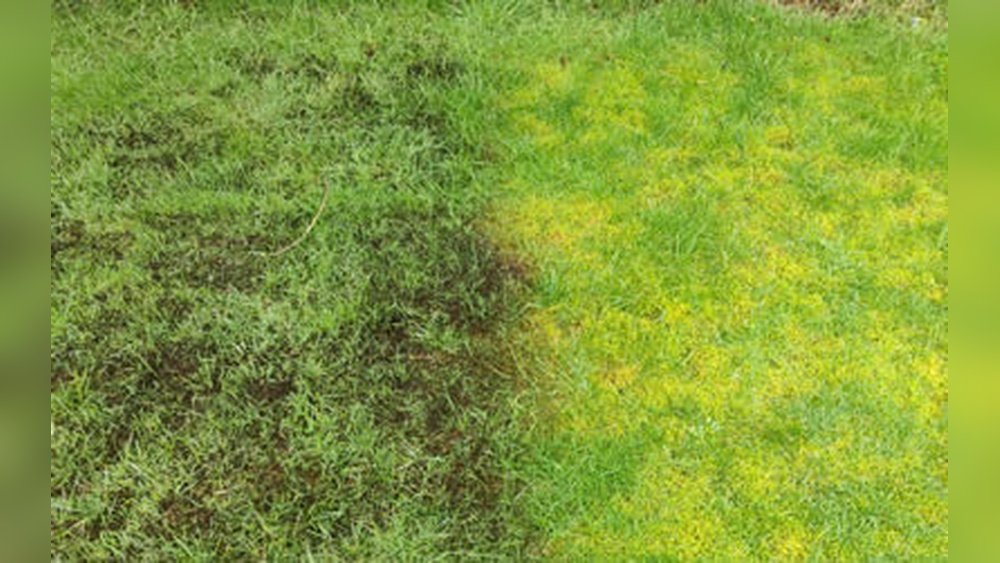
A beautiful, green lawn is the pride of any garden, but moss can quickly turn that dream into frustration. After removing moss, many people find their lawns looking patchy, thin, and sometimes even worse than before. Fixing your lawn after moss removal takes patience, the right steps, and a bit of know-how. If you want a healthy lawn that stays green, it’s important to repair it properly. In this guide, you’ll discover how to restore your lawn step by step, avoid common mistakes, and help your grass outcompete moss in the future.
Why Moss Invades Lawns
Understanding why moss appears in the first place helps you prevent future problems. Moss often grows in areas where grass struggles. This can happen because of:
- Poor drainage: Water sits on the surface, making it hard for grass roots to breathe.
- Low sunlight: Shady spots are moss’s favorite places.
- Acidic soil: Grass likes neutral soil, but moss thrives in acidic conditions.
- Compacted soil: Roots can’t spread, so grass grows weak and thin.
- Low nutrient levels: Starving grass can’t compete with moss.
Knowing the cause helps you fix the problem, not just the symptoms.
Step 1: Remove Moss Properly
If you haven’t removed the moss yet, do it thoroughly. You can use a moss killer product, but always follow the instructions. After the moss turns black or brown, rake it out with a spring-tine rake or a powered scarifier. Remove all moss and debris to give your grass the best chance.
Insight: Many beginners forget to collect all loose moss. If you leave some behind, it can spread again quickly.
Credit: premierlawns.co.uk
Step 2: Assess Lawn Damage
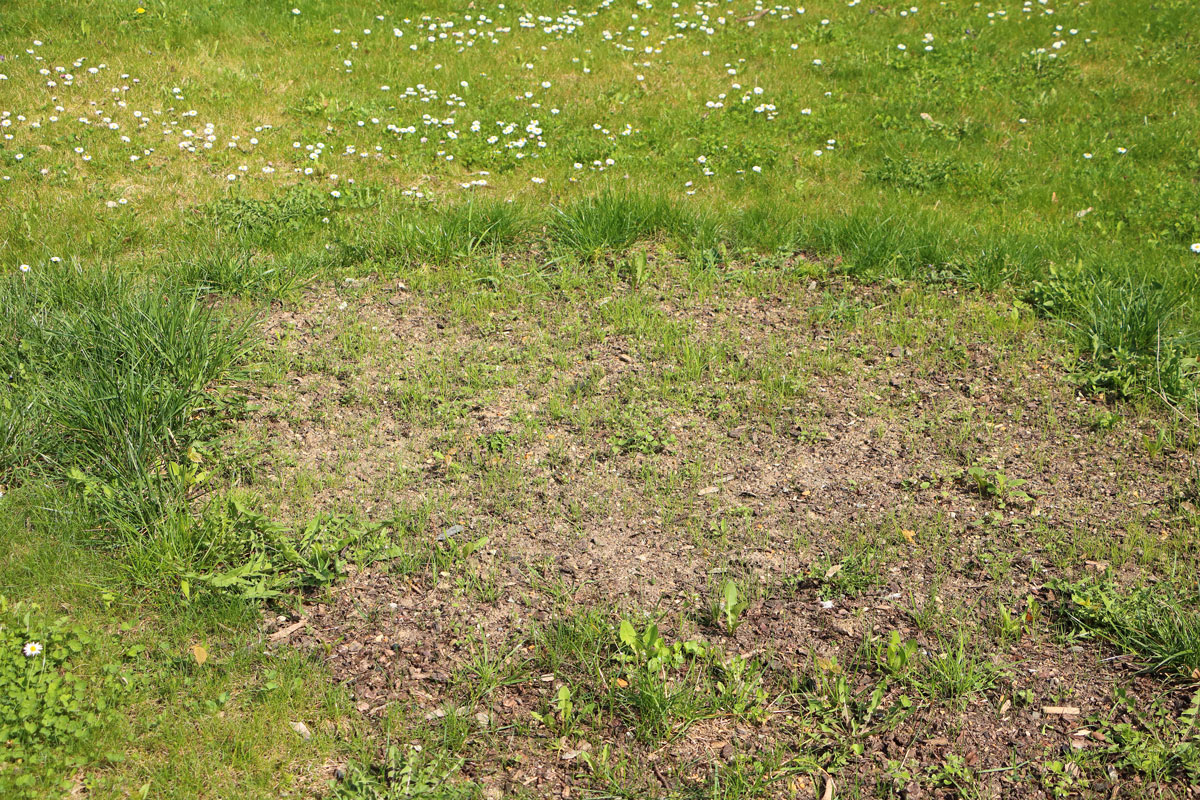
Look at your lawn after moss removal. Is the damage mild, with just a few thin spots, or is it severe, with large bare patches? This will affect what you do next.
- Light damage: You may only need to overseed and feed the lawn.
- Severe damage: You might need to reseed large areas, improve the soil, and even change your mowing habits.
Take a photo of your lawn before you start. This helps you track progress and stay motivated.
Step 3: Improve Drainage And Fix Shaded Areas
Fixing the underlying cause of moss is key. For most lawns, drainage and sunlight are the biggest factors.
Improve Drainage
If water puddles on your lawn after rain, your soil may be compacted or have heavy clay. Use a garden fork or aerator to poke holes across the area. This helps water drain and gives roots more air.
Tip: For very heavy clay, mix in some sharp sand before reseeding.
Increase Sunlight
Trim back overhanging branches or shrubs to let more sun reach the grass. Even one or two extra hours of light can make a big difference.
Non-obvious insight: Some shade-tolerant grass types are better for dark corners. Consider this when choosing seed (more on that later).
Step 4: Test And Improve Your Soil
Healthy grass needs the right soil pH and nutrients.
Test Soil Ph
Grass prefers a pH of 6.0 to 7.0. Moss loves acidic soil (pH below 6.0). You can buy a simple soil test kit from any garden center.
If your soil is too acidic, add garden lime. Follow the package instructions carefully.
Add Nutrients
After moss removal, your lawn is usually low on nutrients. Use a spring/summer lawn fertilizer with a good balance of nitrogen, phosphorus, and potassium. This helps new grass grow strong and fast.
| pH Range | Grass Health | Moss Risk |
|---|---|---|
| Below 6.0 | Poor | High |
| 6.0 – 7.0 | Best | Low |
| Above 7.0 | Variable | Low |
Step 5: Prepare The Surface
Before you reseed or repair, the soil must be ready.
- Rake the area to remove small stones and left-over moss.
- Break up compacted soil with a fork or lawn aerator.
- Level any uneven patches by adding a thin layer of topsoil or compost.
Practical tip: Don’t bury existing grass with too much soil. A thin layer (up to 1 cm) is enough.

Credit: www.youtube.com
Step 6: Choose The Right Grass Seed
Not all grass seed is equal. Choose a mix that matches your lawn conditions.
- Sunny lawns: Use hard-wearing ryegrass and fescue mixes.
- Shady lawns: Look for shade-tolerant varieties like red fescue or creeping bentgrass.
- High traffic: Use tough types like perennial ryegrass.
Check the packaging for coverage rates. Most bags show how many square meters they cover.
Non-obvious insight: Mixing two types of seed can improve results, especially in tricky areas.
Step 7: Sow Grass Seed Correctly
Spread the seed evenly over bare and thin patches. For small areas, use your hand. For larger lawns, a seed spreader gives better coverage.
- Sow at the recommended rate (usually 25–35 grams per square meter).
- Lightly rake the seed into the soil so it makes good contact.
- Water gently but deeply, keeping the soil moist until seeds sprout.
| Grass Type | Best For | Germination Time (Days) |
|---|---|---|
| Perennial Ryegrass | High traffic | 5-10 |
| Red Fescue | Shade | 10-14 |
| Creeping Bentgrass | Fine lawns, shade | 10-14 |
Tip: Cover freshly seeded spots with garden fleece or a thin layer of compost to protect from birds.
Step 8: Apply Top Dressing (optional, But Helpful)
For lawns with many bare patches or uneven surfaces, top dressing helps new grass grow.
- Spread a thin layer (0.5–1 cm) of fine compost or topsoil over the area.
- Rake it in gently.
- Water well after applying.
Top dressing fills gaps and improves soil structure, making it easier for grass roots to establish.
Step 9: Water And Care For New Grass
For the first 2–3 weeks, keep the seeded area moist but not soggy. Water lightly every day if there’s no rain. After the grass sprouts, reduce watering to 2–3 times per week, giving a good soak.
Common mistake: Letting the soil dry out in the first week can kill new seeds.
Avoid walking on the area until the grass is at least 5 cm tall.
Step 10: First Mowing
Once the new grass reaches 7–8 cm, mow for the first time. Set the mower at its highest setting and cut only the top third of the grass blades. This encourages thick, strong growth.
- Keep the blades sharp to avoid pulling up young plants.
- Never mow when the grass is wet.
Insight: Cutting too short (scalping) is a common beginner mistake that weakens new grass.
Step 11: Keep Feeding And Weed Control
About 4–6 weeks after seeding, feed your lawn again with a balanced fertilizer. This boosts growth and helps the grass outcompete any remaining weeds or moss.
- Use a weed and feed product if you notice weeds starting.
- Avoid using strong weed killers on young grass.
Step 12: Long-term Maintenance To Prevent Moss
A healthy, thick lawn is the best way to keep moss away. Here are some long-term strategies:
- Mow regularly: Keep grass at 4–5 cm in shade, 2.5–4 cm in sun.
- Feed twice a year: Once in spring and once in autumn.
- Aerate annually: Poke holes to improve drainage and root health.
- Rake leaves in autumn: Moss loves damp, shaded areas under leaves.
- Monitor pH: Test soil every 1–2 years.
| Task | Best Time | Why It Matters |
|---|---|---|
| Mowing | Weekly (growing season) | Thickens lawn, reduces moss space |
| Fertilizing | Spring and autumn | Feeds grass, discourages moss |
| Aerating | Once a year | Improves drainage, root health |
Extra Tips For Success
- Choose the right time: Early spring or early autumn is best for repairing lawns. Grass germinates quickly in mild weather.
- Don’t overwater: Too much water after seeding can wash seeds away or cause rot.
- Stay patient: It can take 2–3 months for repaired areas to fully blend in. Keep caring for your lawn during this time.

Credit: www.lawnsmith.co.uk
Common Mistakes To Avoid
- Skipping soil testing: You can’t fix pH problems by adding seed or fertilizer alone.
- Using the wrong seed: Shade and sun need different types. Using only one mix can lead to thin patches.
- Not removing all moss: Any moss left behind will quickly regrow.
- Over-fertilizing: Too much fertilizer burns new grass and encourages weeds.
- Walking on new grass: Wait until it’s well established before regular use.
When To Call A Professional
If your lawn has serious drainage problems, very heavy moss, or never seems to improve, it may be time to ask a lawn care expert. They can offer solutions like professional aeration, soil improvement, or even re-turfing.
For more detailed care guides, you can visit Royal Horticultural Society.
Frequently Asked Questions
How Long Does It Take For Grass To Regrow After Moss Removal?
Most lawns show new growth in 7–14 days if the weather is mild and you keep the soil moist. Full recovery can take 2–3 months, especially in large bare patches.
Can I Just Lay Turf Instead Of Reseeding?
Yes, for small areas or if you want instant results, you can lay new turf. Just prepare the soil well and keep it watered. Turf is more expensive but gives a faster green cover.
Will Moss Come Back After Repair?
Moss can return if you don’t fix the underlying cause, such as shade, poor drainage, or acidic soil. Regular maintenance and healthy grass are the best prevention.
What’s The Best Time Of Year To Repair A Lawn After Removing Moss?
Early spring and early autumn are ideal. These seasons offer mild temperatures and enough rain for grass seed to germinate quickly.
Is It Safe To Use Moss Killer And Grass Seed At The Same Time?
No, always wait until the moss killer has done its job and the dead moss is fully removed before sowing new seed. This avoids harming young grass seedlings.
Restoring your lawn after removing moss is a process, but with the right steps, you can enjoy a green, healthy garden again. Remember, prevention is easier than cure—keep your grass strong and moss will struggle to return.