
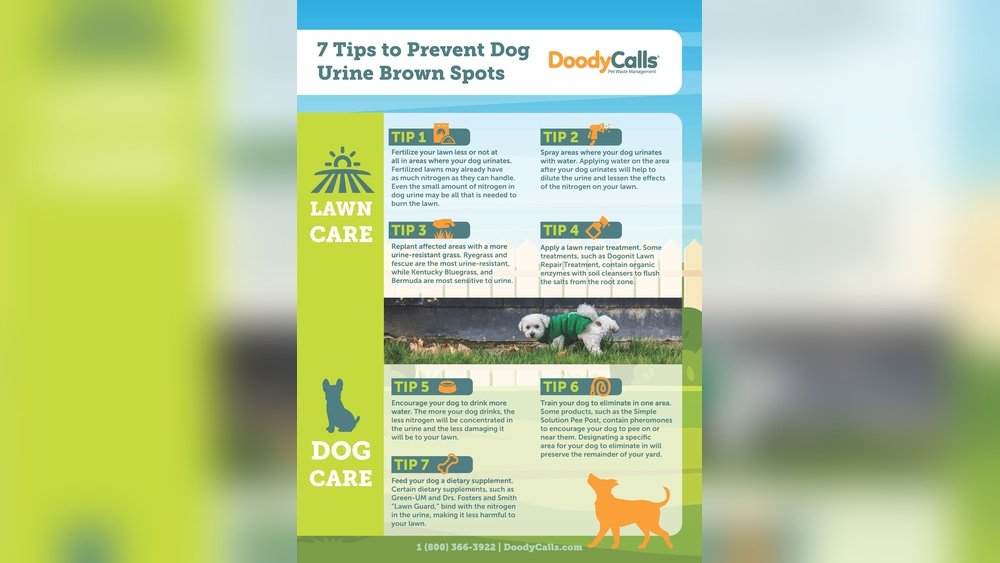
Dog urine spots can quickly turn a beautiful lawn into a patchwork of yellow and brown. Many pet owners know the frustration: you let your dog out to play, and within days, green grass is replaced by ugly, dead areas. The good news? With the right steps, you can grow grass after dog urine spots and restore your yard’s health. Let’s look at why these spots happen and, more importantly, how you can fix them—effectively and permanently.
Why Dog Urine Damages Grass
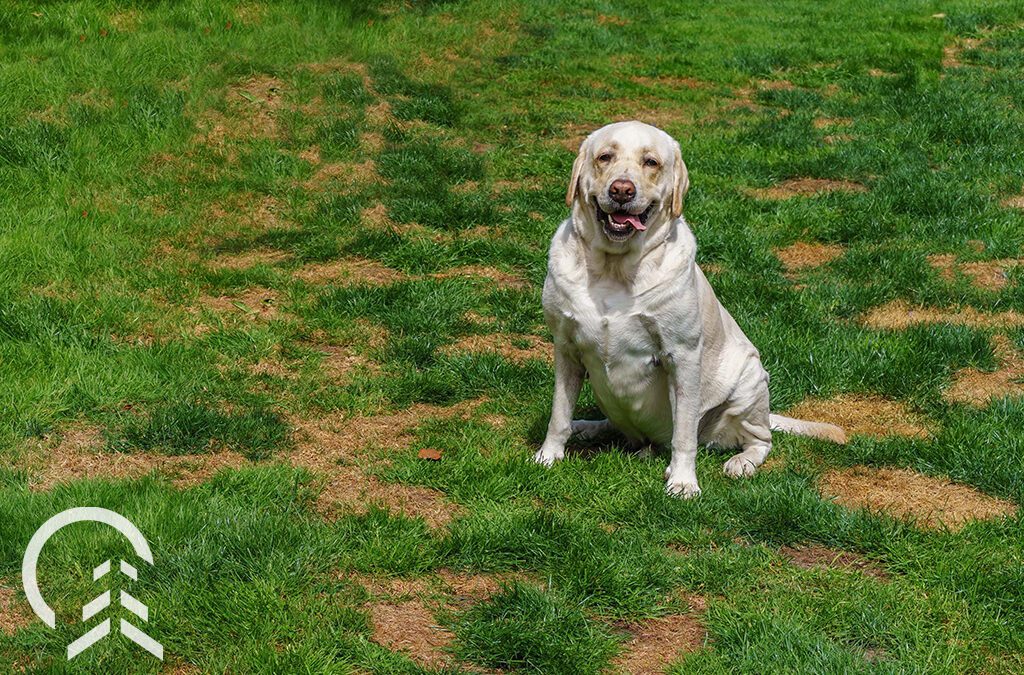
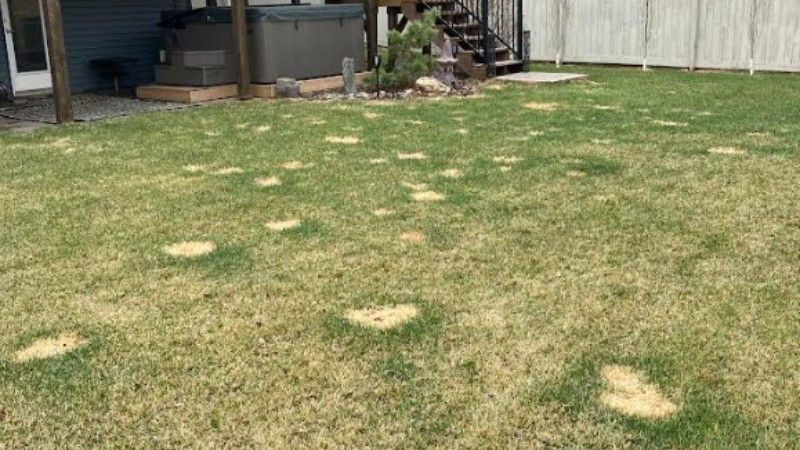
Dog urine contains high levels of nitrogen. While nitrogen helps grass grow in small amounts, too much can burn the roots and blades, leaving behind yellow or brown patches. Female dogs or large breeds often cause more visible spots, not because their urine is different, but because they tend to urinate in one place rather than spreading it out.
What most people miss is that urine damage is not just about the nitrogen. Salt and acidity in the urine also stress the grass, especially if your lawn is already weak or over-fertilized.
Assessing The Damage
Before you start reseeding, you need to check the extent of the damage. Some spots might look dead but can recover with a little care, while others need a complete restart.
- Look for green edges: If the edges of the spot are green, the grass may still be alive underneath.
- Test the roots: Gently pull on the grass in the center of the spot. If it comes up easily, the roots are dead.
- Check soil condition: Dog urine can make the soil compact and acidic. This makes it hard for new grass to grow, even after reseeding.
Knowing the type and severity of the damage will help you choose the best solution.
Credit: platthillnursery.com
How To Repair Dog Urine Spots: Step-by-step
1. Remove Dead Grass
Start by removing the dead grass and any loose debris. Use a metal rake to scrape away the dead patches until you reach bare soil. This gives new grass seed direct contact with the soil, which is critical for germination.
2. Flush The Soil
One non-obvious step many skip is flushing the area with water. Heavily water the spot for a few minutes. This helps dilute the excess nitrogen, salts, and acids left by the urine. Repeat the process for a few days if you want the best results.
3. Test And Amend The Soil
Dog urine often turns soil acidic. Use a soil pH test kit (available at most garden centers) to check the spot. Healthy lawns prefer a pH of 6.0 to 7.0.
If the pH is too low (acidic), sprinkle a small amount of garden lime over the spot and water it in. Lime helps neutralize acidity, making it easier for grass to regrow.
4. Add Fresh Topsoil
Sprinkle a thin layer (about ½ inch) of fresh topsoil or compost over the area. This step is often overlooked but it helps introduce new nutrients, improves soil structure, and boosts seed germination.
5. Choose The Right Grass Seed
Selecting the correct seed type is crucial. Match your new seed to the existing grass for a seamless look. Here’s a quick comparison of popular types:
| Grass Type | Best For | Growth Speed | Drought Tolerance |
|---|---|---|---|
| Fescue | Cool climates, shade | Moderate | Good |
| Ryegrass | Quick cover, overseeding | Fast | Fair |
| Bermuda | Warm climates, sun | Fast | Excellent |
| Kentucky Bluegrass | Cool climates, lawns | Slow | Good |
For areas with frequent dog traffic, fescue or ryegrass often recover the best. Always buy high-quality, disease-resistant seed.
6. Sow The Seed Evenly
Sprinkle the seed evenly over the prepared area. Use about double the amount recommended for new lawns, since the spot needs quick, thick coverage. Lightly press the seeds into the soil with your hand or a flat board to ensure good soil contact.
7. Cover With Straw Or Mulch
Spread a thin layer of weed-free straw or mulch (like coconut coir) over the seed. This keeps seeds moist, protects them from birds, and helps with temperature control. Avoid using hay, as it can introduce weed seeds.
8. Water Consistently
Keeping the area moist is the most important factor for germination. Water lightly 2–3 times a day until seeds sprout, then reduce to once a day. Avoid puddles—too much water can wash seeds away.
9. Fertilize (if Needed)
Apply a starter fertilizer only if your soil test shows a lack of nutrients. Too much fertilizer, especially nitrogen, can repeat the urine burn problem. Use a product labeled for new lawns, and follow the directions carefully.
10. Avoid Traffic
Protect the area from dogs, kids, and heavy foot traffic until the grass is well established—usually 3–4 weeks. Use temporary fencing or garden stakes and string to block off the spot.
11. Mow When Ready
Wait until the new grass reaches about 3 inches before mowing. Make sure your mower blades are sharp, and never cut more than a third of the blade height at once. This keeps new grass strong and healthy.
How Long Does It Take For Grass To Grow Back?
Regrowth time depends on the grass type, weather, and how well you follow the steps above. Most grass seed germinates in 7–21 days. Full recovery, with grass as thick as the rest of your lawn, can take 1–2 months.
Here’s a rough timeline:
| Day | What to Expect |
|---|---|
| 1–3 | Soil prep and watering |
| 4–10 | Seed sown, first sprouts appear |
| 10–21 | Seedlings fill in, keep moist |
| 21–30 | First mow, reduce watering |
| 30–60 | Grass thickens and blends in |
Credit: www.greendrop.com
Preventing Future Dog Urine Spots
Fixing spots is only part of the solution. To keep your lawn green in the long term, you need to prevent new damage.
Train Your Dog
- Teach your dog to use one area of the yard. Place gravel, mulch, or artificial turf in that spot to minimize damage.
- Reward your dog for using the designated area.
Water After Urination
If you see your dog pee, pour a bucket of water over the spot within 8 hours. This dilutes the urine and reduces the risk of burning.
Adjust Your Dog’s Diet
High-protein diets can increase nitrogen in urine. Talk to your vet about a balanced diet that’s safe for your dog but easier on your grass.
Keep Grass Healthy
A thick, healthy lawn resists damage better. Overseed thin areas, mow at the right height, and avoid over-fertilizing. Healthy grass recovers from small urine spots faster.
Consider Grass Alternatives
Some ground covers, like clover or creeping thyme, are more resistant to urine damage. You can also use dog-friendly artificial turf in high-traffic spots.
Common Mistakes To Avoid
- Skipping soil prep: Planting seed without removing dead grass or flushing salts rarely works.
- Over-fertilizing: Too much nitrogen burns new grass and repeats the problem.
- Not matching seed type: Mismatched grass looks patchy and may not survive in your climate.
- Letting pets or kids walk on new grass: This delays recovery and can kill fragile seedlings.
Many new gardeners also believe dog urine only causes cosmetic damage. In reality, repeated spots can weaken the whole lawn, making it more prone to disease and weeds.
Credit: www.reddit.com
Real-world Example
Sarah, a homeowner in Ohio, noticed her dog’s favorite bathroom spot became a large, persistent brown patch. She tried reseeding but skipped the soil flushing and didn’t protect the area from her dog. The new grass never took. After following the full process—flushing, adding lime, reseeding, and fencing off the spot—her lawn finally recovered in about 5 weeks. The key difference: properly preparing the soil and keeping her dog away until the new grass was strong.
When To Call A Professional
If you have large, widespread damage, or your lawn just won’t recover no matter what you try, it may be time to consult a lawn care expert. They can test your soil, recommend the right amendments, and reseed with professional equipment.
This is especially useful for lawns with chronic problems, compacted soil, or poor drainage.
For more guidance, you can find helpful resources at the Turfgrass Producers International website.
Frequently Asked Questions
How Soon Can I Let My Dog On The New Grass?
Wait at least 3–4 weeks or until the new grass is well established and has been mowed once or twice. This prevents damage to fragile seedlings.
Will Dog Urine Always Kill Grass?
Not always. Healthy, well-watered lawns can tolerate small amounts of urine. Large or repeated deposits in one spot are most likely to cause damage.
Is There A Type Of Grass That Resists Dog Urine?
No grass is 100% urine-proof, but fescue and perennial ryegrass are more tolerant than others. Some people choose alternatives like clover for better resistance.
Can I Use Baking Soda To Neutralize Urine Spots?
No, baking soda can harm your soil and grass. It’s better to flush with water and use lime only if a soil test shows acidity.
Is There A Spray To Stop Dog Urine From Burning Grass?
There are products marketed to neutralize dog urine, but most are not proven to work. Training your dog and flushing with water are more effective and affordable.
Growing grass after dog urine spots takes some effort, but with the right steps, you can enjoy a lush, green lawn again—without giving up on your four-legged friend. Remember, the secret is in soil preparation, patience, and a little prevention.