
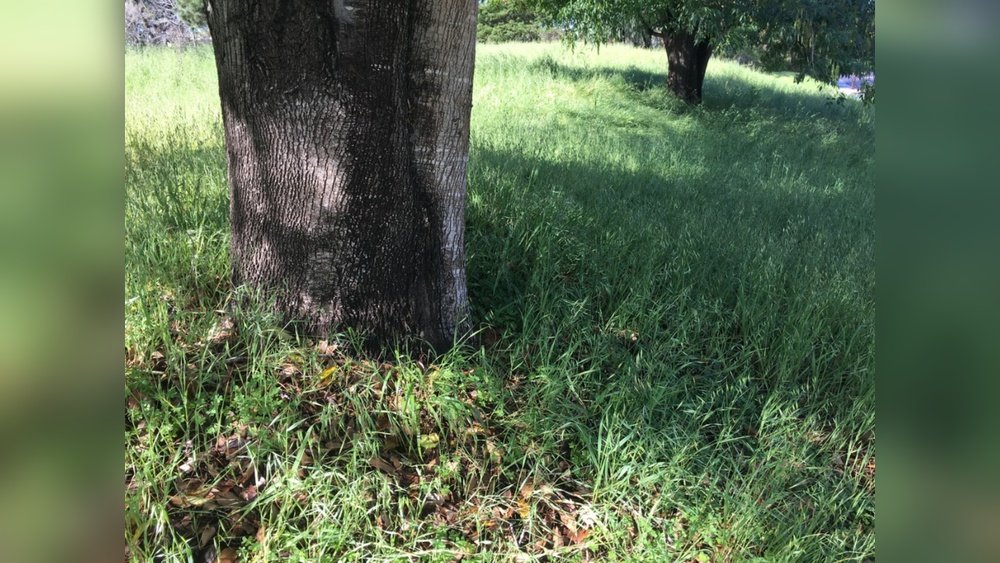
Growing a lush, green lawn under trees is a challenge that tests even the most dedicated homeowners. While shady spots can feel cool and beautiful, they often produce thin, patchy grass. Why? Trees compete with grass for sunlight, water, and nutrients.
Their roots can crowd out turf and their leaves block the sun. Still, with the right strategies and a bit of patience, you can have a healthy lawn even under heavy shade. Let’s explore the key steps, smart choices, and practical tips to help you grow strong, resilient grass beneath your trees.
Understanding The Challenge Of Shady Lawns
Shade under trees is not just about less sunlight. The issue is more complex. First, tree canopies block much of the light grass needs for photosynthesis. Second, tree roots often absorb most of the water and nutrients, leaving little for the grass. Third, fallen leaves can cover grass, smothering it if not removed quickly.
A 2020 study by the University of Minnesota found grass in heavy shade receives only 10-20% of the sunlight compared to open lawn. This dramatically slows growth and thins the turf. Understanding these challenges is the first step toward success.
Choosing The Right Grass For Shade
Not all grasses grow well in shade. Some types are bred to handle low light and root competition better than others. Picking the right variety is crucial.
Cool-season Grasses
If you live in a cooler climate, consider these:
- Fine fescues (like creeping red, chewings, hard, and sheep fescue) are the best choice for shady lawns. They tolerate low light and drought better than most grasses.
- Tall fescue is also more shade-tolerant than Kentucky bluegrass or perennial ryegrass, but it needs some direct sun.
Warm-season Grasses
In warmer regions, options are limited:
- St. Augustinegrass is the most shade-tolerant warm-season grass.
- Zoysiagrass handles partial shade but needs at least 4 hours of sun daily.
- Centipedegrass works in light shade but thins out in dense shade.
Here’s a quick comparison of popular shade-tolerant grass types:
| Grass Type | Shade Tolerance | Climate | Minimum Sunlight Needed |
|---|---|---|---|
| Fine Fescues | High | Cool-season | 3-4 hours |
| St. Augustinegrass | High | Warm-season | 4 hours |
| Zoysiagrass | Medium | Warm-season | 4-5 hours |
| Kentucky Bluegrass | Low | Cool-season | 6+ hours |
Non-obvious insight: Even shade-tolerant grasses still need some sunlight. If your area gets less than 3 hours of filtered sun daily, grass will struggle.
Preparing The Soil For Shady Lawns
Healthy soil is the foundation of a good lawn, especially in shade. Soil under trees is often compacted from foot traffic and tree roots, making it tough for grass to grow.
Steps To Prepare Shady Soil
- Remove debris and leaves: Clear sticks, stones, and fallen leaves. Leaves left on the ground block sunlight and create disease risk.
- Loosen the soil: Aerate the area using a garden fork or aerator to reduce compaction. Focus on 2–3 inches deep, being careful not to damage tree roots.
- Add organic matter: Mix in compost or well-rotted manure. This improves soil structure, helps retain moisture, and adds nutrients.
- Test soil pH: Grass prefers a pH of 6.0–7.0. If your soil is too acidic (common under pine trees), add lime. If too alkaline, add sulfur.
Practical tip: Avoid deep tilling under large trees. You can damage roots and harm the tree. Gentle aeration is safer.
Managing Sunlight And Tree Canopy
Sunlight is the biggest limiting factor for lawn under trees. You cannot control the sun, but you can help more light reach the grass.
Pruning For More Light
- Thin the canopy: Have a certified arborist selectively remove some branches to allow dappled sunlight through. This is called “crown thinning.”
- Raise the canopy: Remove lower branches to increase air flow and light at ground level.
Be careful not to over-prune. Removing too many branches at once can stress the tree.
Adjusting Lawn Area
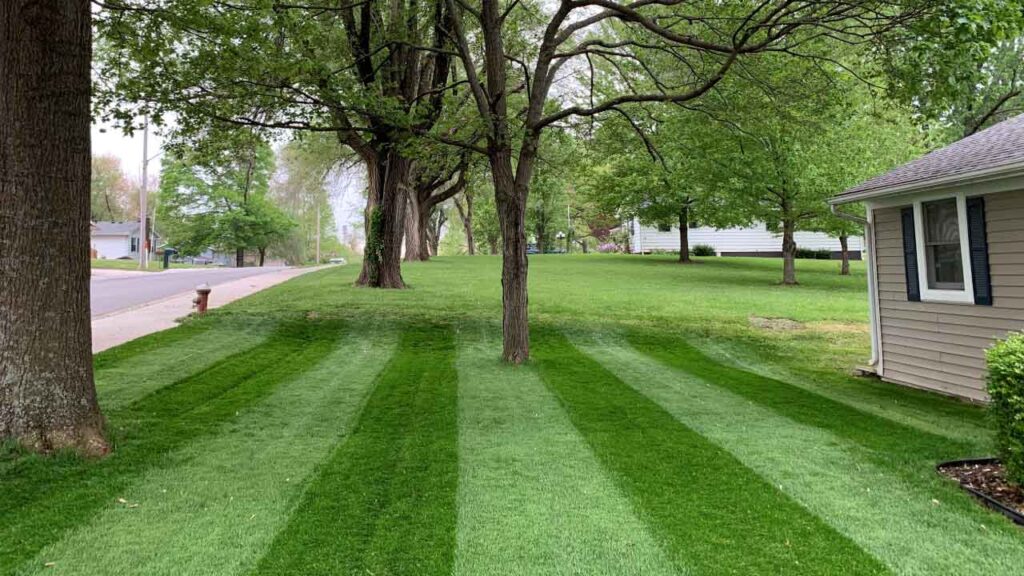
If the shade is too deep for grass, consider alternative ground covers, mulch, or shade-tolerant plants around the tree base. Sometimes, a small mulch ring around the trunk is better than forcing grass to grow in impossible conditions.
Non-obvious insight: Even dappled or filtered sunlight is valuable for grass. Try to maximize every bit of light.
Credit: grasspad.com
Planting The Lawn: Seeding Or Sodding In Shade
The method you use to plant grass matters in shady areas.
Seeding
- Best for fine fescues and cool-season lawns.
- Seed in early fall or spring for best results.
- Lightly rake seeds into the soil and cover with a thin layer of compost for moisture retention.
Sodding
- Works well for St. Augustinegrass and other warm-season grasses.
- Choose sod grown in shade, if possible.
- Press sod firmly into the soil and keep it moist until roots establish.
Overseeding
If you already have thin grass, overseeding with a shade mix every fall helps keep turf thick. Use a slit seeder for good soil contact.
Key point: Always use fresh, high-quality seed or sod. Old seed loses vigor, especially in tough conditions.
Watering Strategies For Shady Lawns
Shady lawns need a different watering approach than sunny areas. Less sunlight means less evaporation, so soil stays wet longer.
- Water deeply, but less often: Give lawns 1 inch of water per week, in one or two sessions. Let the soil dry slightly between waterings.
- Water early in the day: This allows leaves to dry before night, reducing disease risk.
- Watch for fungus: Shady, damp lawns are more prone to fungal diseases. Signs include brown patches and slimy spots.
Mistake to avoid: Do not water lightly every day. This encourages shallow roots and increases disease.
Fertilizing And Feeding Lawns Under Trees
Lawns in shade use less energy but also get fewer nutrients. Too much fertilizer can burn grass, while too little leads to weak turf.
- Apply a slow-release fertilizer in spring and again in fall. Use less than you would for sunny lawns (about half the usual rate).
- Avoid high-nitrogen fertilizers, which promote fast, weak growth. Look for balanced products.
- Supplement with compost: Top-dress with a thin layer of compost each year to add organic matter and gentle nutrients.
Helpful tip: Never fertilize dry or stressed lawns. Water first, then feed.
Mowing And Maintenance Tips
Mowing practices are critical for grass in the shade.
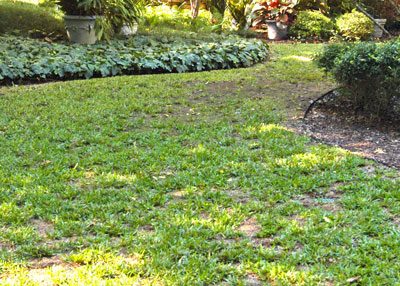
- Mow high: Set your mower height to 3–4 inches. Taller grass blades make more energy from limited light.
- Sharpen mower blades: Dull blades tear grass, making it more prone to disease.
- Leave clippings: Grass clippings return nutrients to the soil. But don’t leave heavy piles, as they block light.
Unexpected insight: You may need to mow shady grass less often because it grows slower.
Credit: neilsperry.com
Managing Competition With Tree Roots
Tree roots and grass roots are always in competition. Here’s how to help your lawn:
- Mulch around tree trunks: A 2–3 foot ring of mulch around the base protects both the tree and grass. Never pile mulch against the trunk.
- Avoid heavy foot traffic: Paths under trees compact soil and weaken grass. Use stepping stones or create a walkway.
- Water deeply: Tree roots steal surface moisture. Deep watering helps grass roots go lower.
Monitoring Lawn Health And Making Adjustments
Shady lawns need regular observation. If you see thin areas, yellow spots, or moss, adjust your care routine.
- If grass thins every year, try overseeding or reducing fertilizer.
- If moss appears, check soil drainage and pH.
- If nothing works, consider shade-loving ground covers like sweet woodruff, pachysandra, or vinca as an alternative.
Here’s a quick comparison of grass vs. ground cover options for deep shade:
| Option | Pros | Cons |
|---|---|---|
| Grass (fine fescue, St. Augustinegrass, etc.) | Traditional lawn look, walkable | Needs some sunlight, regular care |
| Ground covers (pachysandra, vinca, etc.) | Thrives in deep shade, low maintenance | Not as tough for play, different appearance |

Credit: www.lsuagcenter.com
Dealing With Common Problems
Even with the best care, you may face some problems in shady lawns.
Moss Growth
Moss loves shade, moisture, and acidic soil. If you see moss, improve drainage, raise mowing height, and adjust pH.
Disease
Fungal diseases like dollar spot or red thread can appear in damp, shaded turf. Apply fungicide only if needed, and always follow label instructions.
Bare Patches
Overseed with shade mixes each fall. If bare spots persist, try ground covers or mulch.
The Importance Of Patience
Growing a lawn in shade takes time. It may take several seasons to see thick, healthy turf. Consistency is key—don’t get discouraged if progress is slow.
Final tip: Evaluate your shady lawn every year. Make small changes and note what works best in your yard.
Frequently Asked Questions
How Many Hours Of Sunlight Does Grass Need To Grow Under Trees?
Most shade-tolerant grasses need at least 3 to 4 hours of dappled sunlight per day. If your lawn gets less, consider ground covers instead.
What Is The Best Grass Seed For Shade Under Trees?
Fine fescues (creeping red, chewings, hard fescue) are best for cool climates. St. Augustinegrass is best for warm regions with shade.
How Can I Reduce Moss In My Shady Lawn?
Improve drainage, raise your mowing height, and adjust soil pH to neutral (6. 0–7. 0). Remove moss by hand or with a rake, then overseed with shade-tolerant grass.
Should I Fertilize My Shady Lawn Differently Than Sunny Areas?
Yes, use about half the fertilizer amount you’d use in sunny spots. Choose slow-release and avoid high-nitrogen products.
Is It Possible To Have A Perfect Lawn Under Dense Trees?
It’s difficult to achieve a “perfect” lawn under dense shade. With the right grass and good care, you can have a healthy, green area, but expectations must be realistic. In very deep shade, ground covers or mulch may be better choices.
For more in-depth guidance, you can visit the University of Minnesota Extension website.
Creating a beautiful lawn under trees is a rewarding challenge. With patience, smart choices, and regular care, you’ll enjoy a green space even in the shade.