
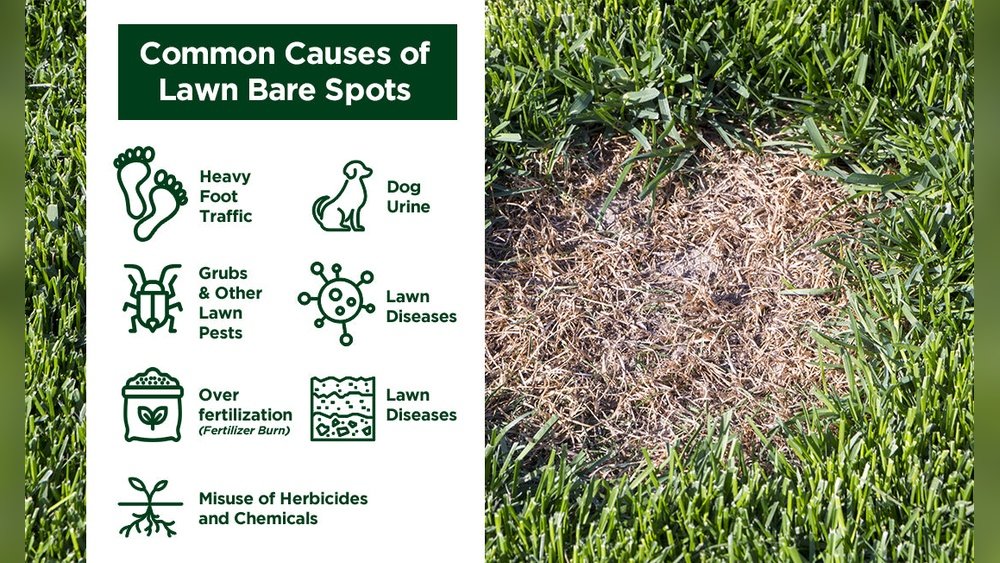
A lush, healthy lawn is a point of pride for many homeowners. But sometimes, heavy foot traffic—like from parties, kids playing, or construction work—can leave your grass looking damaged, thin, or patchy. Fixing your lawn after it’s been trampled is possible, but it takes the right steps and a bit of patience.
Understanding why foot traffic harms your lawn and knowing how to bring it back will help you restore its green, healthy look.
Why Heavy Foot Traffic Damages Lawns
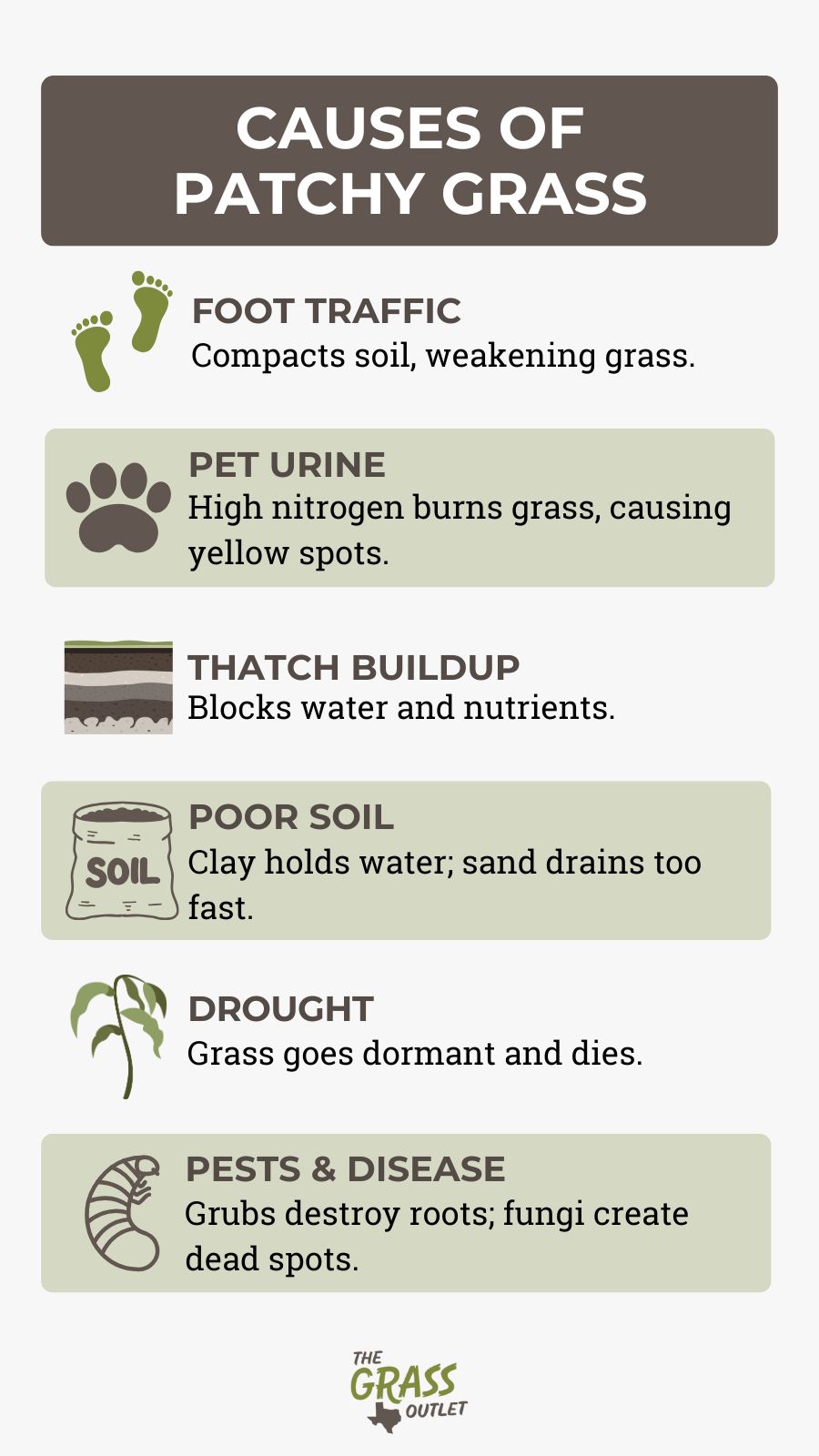
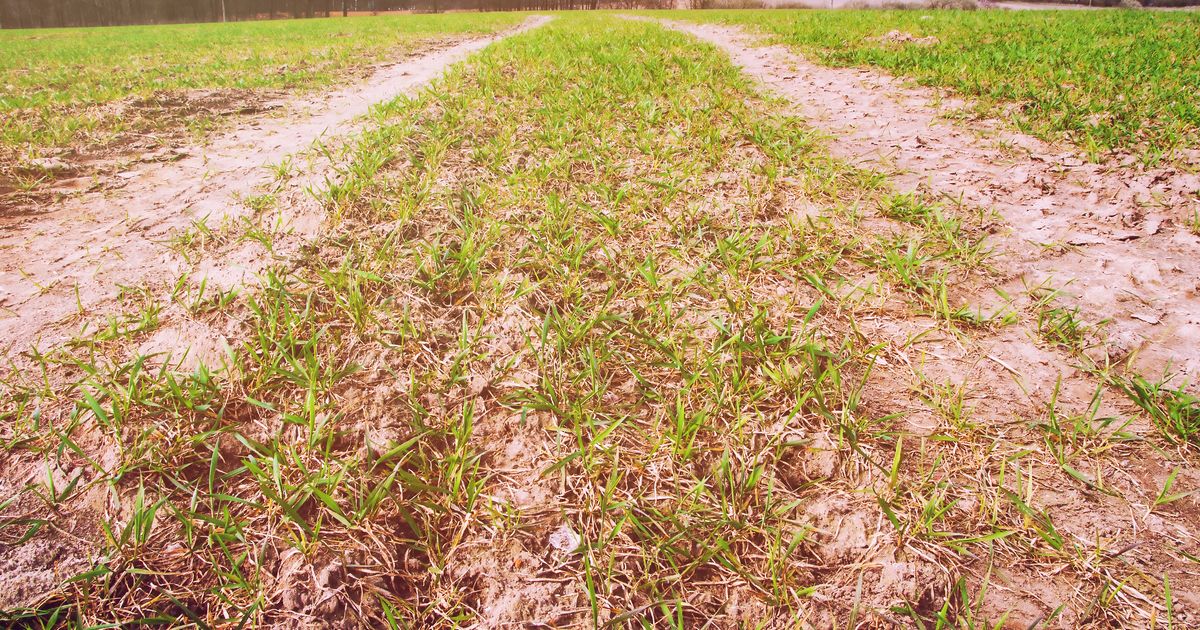
Grass is resilient, but repeated walking or running over the same spots can cause compaction. When soil gets compacted, air and water can’t move through it well. Roots struggle to grow, and the grass above starts to thin out. In some cases, the grass blades themselves are crushed, leaving bare patches or visible trails.
Compacted soil also makes it easier for weeds to take over, causing further problems.
Assessing The Damage
Before you start fixing your lawn, take time to look closely at the affected areas. Walk your yard and check for:
- Bare spots: Places where grass is completely gone.
- Thin grass: Areas where grass is sparse or weak.
- Soil compaction: Hard, crusty patches where soil feels tough underfoot.
- Weed invasion: Weeds taking over damaged sections.
Use a screwdriver or garden fork to test soil hardness. If it’s hard to push in, compaction is likely the main problem.
Step-by-step Guide To Lawn Recovery
Restoring your lawn after heavy foot traffic is a process. Follow these steps to help your grass bounce back quickly.
1. Remove Debris And Weeds
Start by clearing away any sticks, stones, or debris from the damaged area. Pull out weeds by hand or use a weeding tool. If weeds are thick, spot-treat them with a selective herbicide, but avoid using too much, as it can harm recovering grass.
2. Aerate The Soil
Aeration loosens compacted soil, allowing roots to breathe and water to penetrate. For small areas, use a manual garden fork to poke holes 2-3 inches deep every 4-6 inches. For larger areas, rent a core aerator. This machine pulls out plugs of soil, creating channels for air and moisture.
Aeration Methods Comparison
| Method | Best For | Pros | Cons |
|---|---|---|---|
| Garden Fork | Small patches | Low cost, easy to use | Slow for big lawns |
| Manual Aerator | Medium lawns | More holes, less effort | Some cost, still manual |
| Core Aerator | Large lawns | Fast, thorough | Rental cost, heavy |
3. Improve Soil Quality
After aeration, spread a thin layer of compost or topsoil over compacted areas. This adds nutrients and helps grass recover faster. Aim for about 1/4 inch of compost, raked evenly. Good soil gives roots what they need to grow strong.
4. Overseed Damaged Spots
For thin or bare patches, overseeding is key. Choose a grass seed that matches your existing lawn type. Spread seed evenly over affected areas, then gently rake it in so it contacts the soil. For best results, seed after aeration when soil is loose.
Grass Types For Overseeding
| Grass Type | Best Climate | Foot Traffic Tolerance |
|---|---|---|
| Kentucky Bluegrass | Cool-season | Medium |
| Perennial Ryegrass | Cool-season | High |
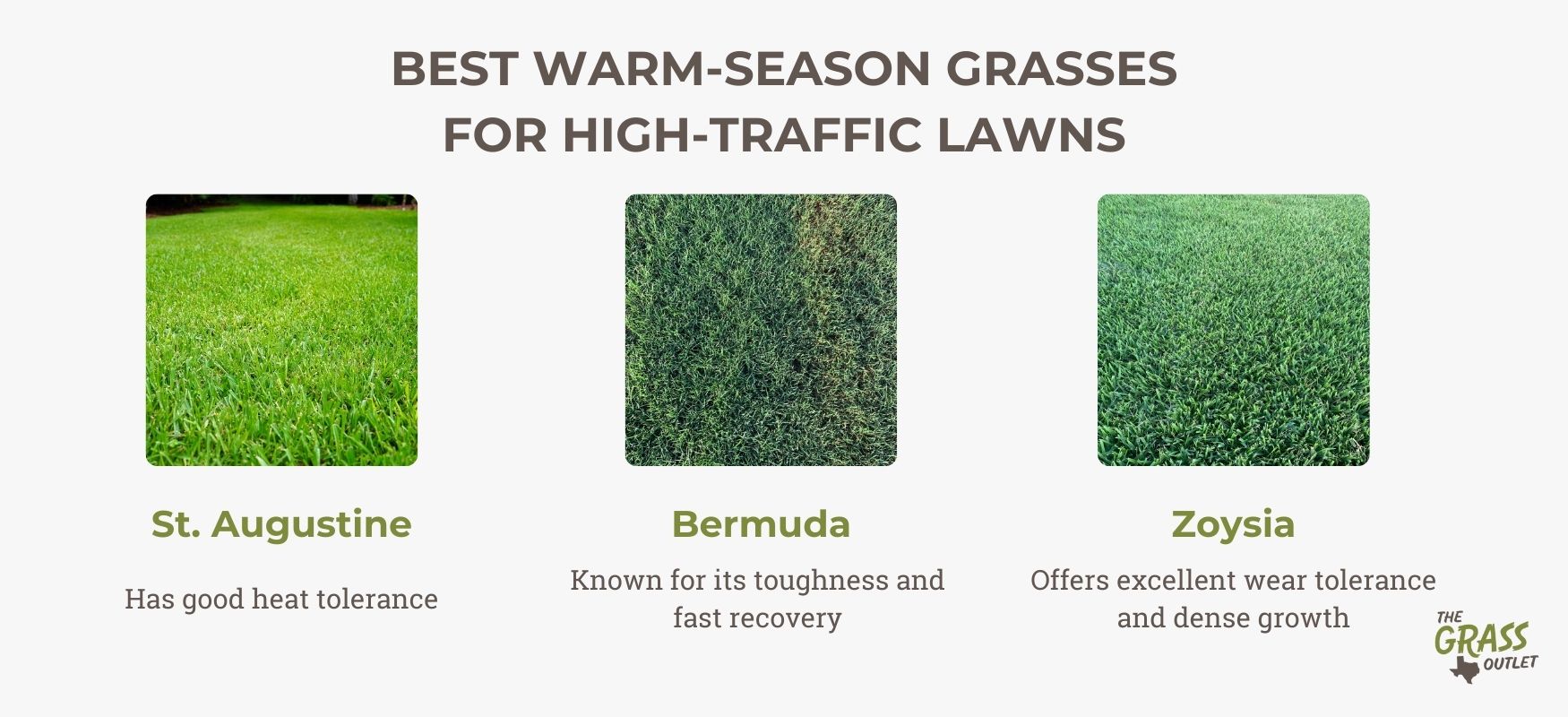
| Bermuda Grass | Warm-season | Very High |
| Zoysia Grass | Warm-season | High |
5. Fertilize Wisely
Fertilizing helps new grass grow strong, but timing matters. Use a starter fertilizer high in phosphorus for new seed. Apply according to package instructions—too much can burn young grass. For established areas, a balanced fertilizer works best.
6. Water Correctly
Water is critical after overseeding and aeration. Keep soil moist but not soaked. Water lightly once or twice a day until grass sprouts, then reduce frequency but increase depth. This encourages roots to grow deeper.
Tip: Early morning is best for watering, as it reduces evaporation and disease risk.
7. Limit Foot Traffic During Recovery
Grass needs time to heal. Keep people and pets off the recovering area for at least 2-4 weeks. If you must cross, lay down stepping stones or boards to spread the pressure.
8. Mow Carefully
Wait until new grass reaches about 3 inches high before mowing. Set your mower blade high, and never cut more than one-third of the blade length at a time. This avoids shocking the new growth.
9. Address Drainage Problems
If water pools in certain spots, it will slow recovery. Consider adding soil to low areas or installing a simple French drain if drainage is a constant problem. Good drainage prevents root rot and disease.
10. Monitor And Repeat As Needed
Check your lawn’s progress weekly. Some spots may need a second round of aeration and overseeding. Be patient—it can take 4-8 weeks for a lawn to fully recover, especially if the damage was severe.
Common Mistakes To Avoid
Even with good intentions, it’s easy to make mistakes that slow down recovery. Watch out for these:
- Skipping aeration: Without it, roots can’t get air or water, and recovery is slow.
- Using the wrong seed: Mismatched grass types look patchy and struggle to blend in.
- Overwatering: Too much water can wash away seeds or cause disease.
- Mowing too soon: Cutting new grass before it’s established can pull it out by the roots.
- Ignoring soil quality: Healthy soil is the foundation for a strong lawn.
Credit: thegrassoutlet.com
Preventing Future Damage
Once your lawn has recovered, you’ll want to keep it healthy. Here’s how:
- Create walkways: Use stepping stones or gravel paths in high-traffic zones.
- Rotate play areas: Change up where kids or pets play to spread out wear.
- Install mulch in problem spots: Shady or high-traffic corners often do better with mulch or ground cover plants.
- Aerate yearly: Regular aeration keeps soil loose and grass healthy.
- Educate family and guests: Ask people to avoid the most sensitive spots.
When To Seek Professional Help
Sometimes, DIY isn’t enough. If your lawn has deep ruts, severe compaction, or large dead zones, you may need expert help. Lawn care professionals have access to specialized equipment and can diagnose underlying problems like grubs or fungal diseases. They can also guide you on the best grass varieties for your yard.
The Science Behind Lawn Recovery
Grass is a living organism. When compressed, its cells are damaged, and roots lose access to air and water. By aerating and reseeding, you help restore the natural balance in the soil. Studies show that aeration can increase root mass by up to 40%, leading to thicker, healthier lawns within a season.
Using the right fertilizer and watering schedule also encourages stronger, more resilient grass.
Real-world Example
Consider a backyard that hosted a summer party. After a weekend of tents, chairs, and guests, several areas were brown and compacted. The homeowner aerated the soil, spread compost, and reseeded with perennial ryegrass. Within six weeks, the bare spots filled in, and the lawn looked even better than before.
Regular aeration and traffic control kept it healthy for the following year.
Credit: thegrassoutlet.com
Cost And Time Estimates
Repairing a lawn after heavy foot traffic doesn’t have to be expensive, but it does take some investment. Here’s a quick look:
| Task | DIY Cost Estimate | Time Needed |
|---|---|---|
| Aeration (manual) | $0-$20 (tool rental) | 1-2 hours (small lawn) |
| Compost/Topsoil | $10-$30 per bag | 1 hour |
| Grass Seed | $10-$40 (depends on type) | 30 mins to spread |
| Fertilizer | $15-$40 per bag | 15 mins to apply |
Most homeowners can repair moderate damage for under $100 and with a weekend of work. Severe cases or professional help will cost more.
Non-obvious Insights
Many people overlook the importance of soil testing. Compacted or damaged lawns may also have pH problems or nutrient deficiencies. A simple soil test kit can reveal what’s missing, allowing you to correct issues before reseeding. Another tip: if you live in a region with clay soil, mix sand into the top layer after aeration. This prevents future compaction and improves drainage.
Credit: www.getsunday.com
External Resource
For more in-depth information on lawn care and repair, you can visit the Royal Horticultural Society.
Frequently Asked Questions
How Long Does It Take For A Lawn To Recover After Heavy Foot Traffic?
Recovery time depends on the level of damage and your climate. Most lawns show improvement within 2-4 weeks after aeration and overseeding, but full recovery can take up to 8 weeks.
Is Overseeding Always Necessary?
If grass is thin or bare, overseeding is recommended. It helps fill in gaps and prevents weeds from taking over. For mild compaction without bare spots, aeration and fertilizing may be enough.
Can I Walk On My Lawn While It’s Recovering?
It’s best to avoid foot traffic for at least 2-4 weeks after repair. If necessary, lay down boards or stepping stones to spread out weight and reduce damage.
What Grass Type Handles Foot Traffic Best?
Perennial ryegrass and Bermuda grass are known for their high tolerance to wear. Choose a grass type suited to your climate and expected lawn use.
How Do I Know If My Soil Needs Aeration?
Soil that feels hard, resists digging, or drains poorly likely needs aeration. Testing with a screwdriver is a quick way to check for compaction.
Bringing your lawn back after heavy foot traffic is possible with the right approach. By fixing the soil, reseeding, and protecting the area during recovery, you’ll enjoy a thicker, greener yard for seasons to come.