

Keeping your lawn green in the summer can feel like a battle. As the sun gets hotter, grass often turns yellow or brown. Many people water more, but still see dry spots. Others add fertilizer, yet their lawn doesn’t improve.
The secret is that summer lawns need the right care, not just more water or chemicals. With some smart steps, you can enjoy a thick, green lawn all season—even during heat waves.
This guide will show you the proven ways to make your lawn green in the summer. You’ll get practical advice, real examples, and clear explanations. Along the way, you’ll learn two things most beginners miss: how mowing height affects summer grass, and why early morning watering is critical. Ready to see your lawn thrive? Let’s dive in.
Choose The Right Grass For Summer
Not all grasses can handle hot, dry summers. Some types stay green even in high heat, while others struggle.
Warm-season grasses like Bermuda, Zoysia, and St. Augustine grow best in summer. They have deep roots and thick blades, which help them survive drought and sun. Cool-season grasses, such as Kentucky bluegrass or fescue, may turn brown in hot climates unless they get a lot of water.
If your lawn struggles every summer, consider overseeding with a more drought-tolerant grass. For example, adding Zoysia plugs can slowly convert a weak lawn into a resilient one. Remember, the best grass depends on your region—local garden centers can recommend the ideal type for your area.
Mow High And Mow Right
Many people mow their lawns too short in summer, trying to keep it tidy. But this actually harms the grass. Longer blades mean deeper roots, which help your lawn resist heat and dry spells.
Set your mower to the highest recommended setting for your grass type. Most warm-season lawns do best at 2. 5–3 inches. Cool-season lawns often need to be 3–4 inches tall in hot weather.
Never cut more than one-third of the blade at a time. Cutting too much stresses the plant and exposes the soil, which can lead to weeds and sunburned roots. Also, keep your mower blades sharp. Dull blades tear the grass, leaving brown tips.
Mowing Height Comparison
Here’s a quick look at ideal mowing heights for common summer grasses:
| Grass Type | Ideal Summer Mowing Height |
|---|---|
| Bermuda | 2–2.5 inches |
| Zoysia | 2–2.5 inches |
| St. Augustine | 3–4 inches |
| Kentucky Bluegrass | 3–3.5 inches |
| Fescue | 3–4 inches |
Water Deeply But Not Too Often
Summer lawns need deep watering, not frequent shallow watering. Deep watering encourages roots to grow down, where soil stays moist longer. Shallow watering makes roots stay near the surface, which dries out fast under the hot sun.
Water your lawn 1 to 1.5 inches per week. This can be done in one or two sessions. The best time to water is early morning—between 4 am and 9 am. This reduces evaporation and helps prevent disease. Avoid watering at night, as wet grass overnight can lead to fungus.
To see how long you should water, set out a few empty tuna cans on your lawn. Time how long it takes for your sprinkler to fill them to 1 inch. That’s how long you need to run your system.
Watering Depth Comparison
| Watering Method | Root Depth Encouraged | Risk of Disease |
|---|---|---|
| Shallow, frequent watering | 1–2 inches | High |
| Deep, infrequent watering | 6+ inches | Low |
Feed Your Lawn Wisely
Fertilizer gives your lawn nutrients to stay green. But using too much, or the wrong kind, can actually burn your grass in hot weather.
In summer, choose a slow-release fertilizer with a balanced N-P-K ratio (like 16-4-8 or 15-5-10). Slow-release formulas feed the lawn gently, avoiding sudden growth that needs more water. If your grass looks pale, a light feeding can help. But avoid fertilizing during drought or extreme heat, as grass is already stressed.
Apply fertilizer in late spring or early summer—then again in late summer if needed. Always follow the instructions on the package. Water in the fertilizer right after application.
Control Weeds And Pests
Weeds steal water and nutrients from your lawn. In summer, some weeds like crabgrass and dandelions grow fast. Hand-pull weeds or use a spot-treatment herbicide. Avoid using harsh chemicals on the whole lawn during high heat, as they can damage grass.
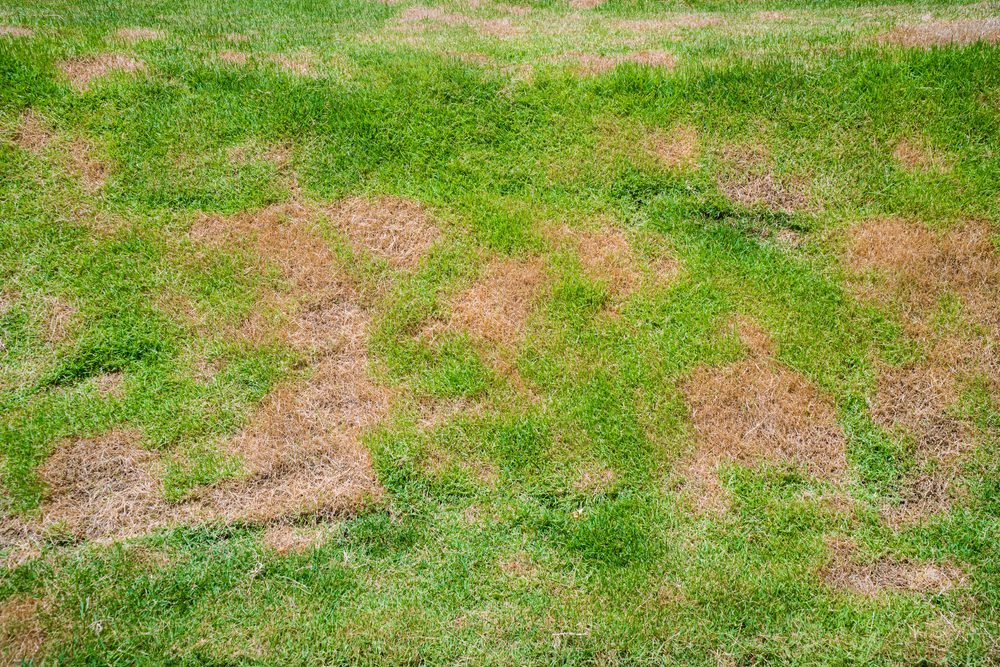
Lawn pests, such as grubs or chinch bugs, can also make grass turn brown. If you notice brown patches that spread quickly, check for signs of bugs under the surface. Applying a lawn-safe insecticide early can prevent major problems.
Aerate Your Soil For Better Growth
Lawns need air as much as water. Over time, soil gets compacted from foot traffic and mowing. Compacted soil stops water, air, and nutrients from reaching the roots.
Aeration means punching small holes in the soil. This helps roots grow deeper and lets water soak in better. The best time to aerate is late spring or early summer for warm-season grasses. For cool-season lawns, early fall is ideal.
You can rent a core aerator or hire a service. Focus on heavy traffic areas—like paths where kids or pets play most.
Mulch Grass Clippings
Many people bag their grass clippings after mowing. But leaving them on the lawn actually helps keep it green. Grass clippings break down quickly, returning nitrogen and organic matter to the soil.
Just make sure clippings are short. If you mow often and never remove more than one-third of the blade, you won’t get clumps. If the grass was overgrown and clippings are thick, rake them up to prevent smothering the lawn.
Address Bare Spots Quickly
Summer heat can turn small bare spots into big problems. Weeds and pests love bare soil. As soon as you see a thin patch, repair it.
Rake the area to loosen the top inch of soil. Sprinkle grass seed or lay a small piece of sod. Cover lightly with soil or compost, then water gently every day until you see new growth. For faster results, use a starter fertilizer made for new grass.

Credit: patuxentnursery.com
Use The Right Lawn Equipment
The right tools can make summer lawn care easier and more effective. Here’s a quick comparison of equipment for a green lawn:
| Equipment | Main Benefit | Best Use |
|---|---|---|
| Sharp mower | Clean cuts, less stress on grass | Weekly mowing |
| Sprinkler system | Even watering | Large lawns |
| Hose-end sprayer | Spot watering | Small areas |
| Soil aerator | Reduces compaction | Yearly aeration |
Don’t Forget About Soil Health
Soil is the foundation of a green lawn. Poor soil leads to weak, yellow grass no matter how much you water or fertilize.
Test your soil every few years. Home test kits are easy to use. They show you if your soil is too acidic or lacks key nutrients. Adjust the pH if needed—most lawns like a pH of 6. 0–7. 0. Lime can raise pH, while sulfur lowers it.
Adding compost every spring or fall improves soil structure and feeds beneficial microbes. Healthy soil means stronger roots and greener blades.
Manage Shade And Sun
Grass needs sunlight to stay green. If you have large trees or lots of shade, grass will struggle in those spots. Trim tree branches to let more light through, or plant shade-tolerant grass varieties like fine fescue.
For areas that stay shaded all day, consider ground covers such as clover or creeping thyme. Sometimes it’s better to accept that grass won’t grow everywhere and choose the right plants for each spot.
Don’t Overdo It
More water, more fertilizer, and more mowing don’t always mean a greener lawn. In fact, overwatering can cause shallow roots and fungus, while too much fertilizer can burn grass. Listen to your lawn. If it looks healthy, stick with your routine.
It’s better to mow, water, and fertilize less often but more deeply. This encourages strong, deep-rooted grass that can handle summer heat.
Credit: experigreen.com
Watch For Signs Of Stress
Even with the best care, hot weather can stress your lawn. Look for signs like:
- Wilting or folding blades
- Footprints that stay visible after walking
- Areas that turn grayish before turning brown
If you see these, water the lawn deeply as soon as possible. Avoid mowing until the grass recovers. Sometimes, a little extra care at the right moment can save your lawn from long-term damage.
Eco-friendly Tips For A Greener Lawn
Caring for your lawn doesn’t have to harm the environment. Here are a few eco-friendly ideas:
- Collect rainwater in barrels and use it for your lawn.
- Use organic fertilizers like compost or seaweed.
- Leave clippings and fallen leaves to enrich the soil.
- Choose native grass types that need less water and chemicals.
These steps reduce your water bill and help local wildlife.

Credit: legacylandpros.com
Common Mistakes To Avoid
Beginners often make these mistakes when trying to green up a summer lawn:
- Watering at night (can cause disease)
- Cutting grass too short
- Over-fertilizing in hot weather
- Ignoring compacted soil
- Using the wrong grass type for their region
If you avoid these errors and follow the tips above, you’ll see a big difference in your lawn’s health.
Frequently Asked Questions
Why Does My Lawn Turn Brown In Summer Even When I Water It?
Brown patches often mean the roots are shallow or the soil is compacted. Watering too often but not deeply is a common cause. Try watering less often, but for longer, to encourage deep roots. Also, check for pests or disease.
How Often Should I Mow My Lawn In Summer?
Mow when the grass is one-third taller than the recommended height. This may be once a week, but it depends on growth. Never cut more than one-third of the blade at a time.
Is It Okay To Fertilize During A Heatwave?
It’s best to avoid fertilizing during extreme heat. Grass is already stressed and can be burned by fertilizer. Wait for cooler days or water well after applying.
What’s The Best Time Of Day To Water My Lawn?
Early morning is best—between 4 am and 9 am. This reduces evaporation and lowers the risk of disease. Avoid watering at night or in the middle of the day.
What’s The Difference Between Organic And Synthetic Fertilizers?
Organic fertilizers, like compost, release nutrients slowly and improve soil health. Synthetic fertilizers give fast results but can sometimes lead to runoff or soil problems if overused. Both can be useful, but organic options are safer for long-term soil health. For more details, check Wikipedia’s lawn care page.
A green summer lawn is possible, even in tough weather. With the right grass, proper mowing, deep watering, and smart feeding, your yard can stay lush and healthy. Pay attention to soil, avoid common mistakes, and make small changes based on what your lawn needs.
Over time, you’ll see a stronger, greener lawn that stands up to summer’s heat.