
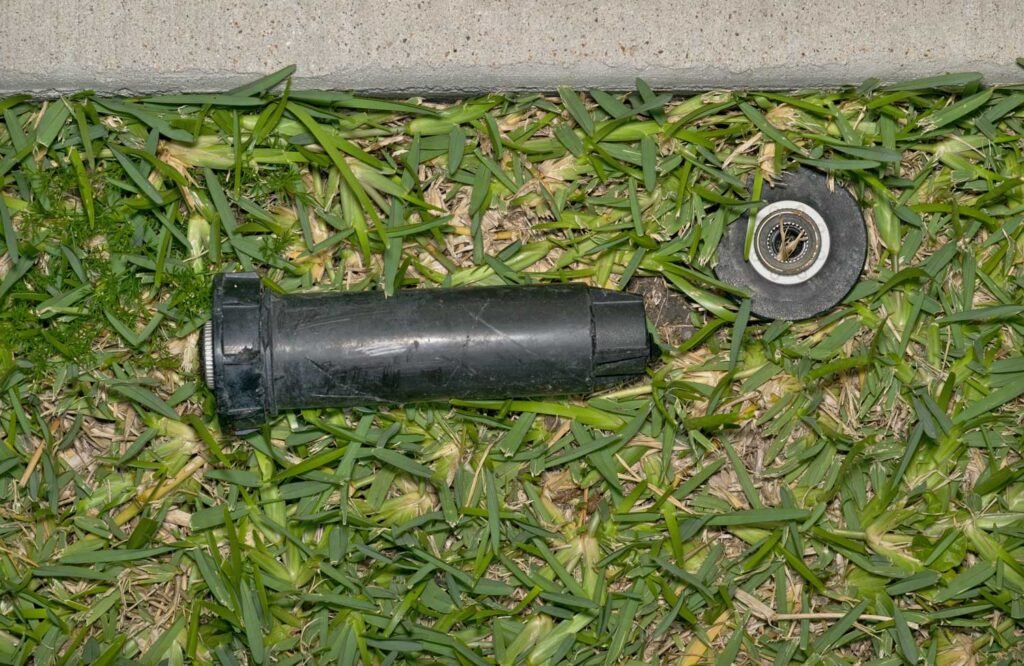
Sprinklers often fail to retract due to dirt buildup or mechanical issues.
Have you ever noticed stubborn sprinklers popping up but refusing to go down after watering your lawn? This can be a puzzling problem for many homeowners. Not only does it affect the aesthetics of your garden, but it can also lead to water wastage and potential damage to your sprinkler system. In this guide, we’ll delve into the common reasons why sprinklers might stick and provide practical solutions to get your system back in working order smoothly. Let’s explore how to fix sprinklers that won’t retract, sharing insights, expertise, and step-by-step instructions to help you maintain a lush and healthy lawn.
Understanding Why Sprinklers Won’t Retract
Sprinklers are an essential part of an efficient irrigation system. When they fail to retract, it can be due to several reasons, which need addressing promptly to maintain the system's efficiency. Understanding the underlying issues will help in effectively solving the problem.
Common Causes of Retraction Failures
-
Dirt and Debris Buildup: This is the most common issue. Dust, sand, or debris can accumulate inside the sprinkler, preventing it from moving freely.
-
Damaged or Worn Seals: With frequent use, the seals that ensure the sprinkler head retracts and pops up smoothly may wear out over time.
-
Water Pressure Issues: Insufficient water pressure can prevent the sprinkler from fully retracting.
-
Mechanical Failures: Sometimes, internal mechanical parts can break, causing the sprinkler to stick.
Step-by-Step Guide to Fixing a Non-Retracting Sprinkler
Here's a comprehensive guide to help you get your sprinkler system back in shape:
Step 1: Inspect and Clean
-
Turn Off the Water: Make sure the water supply to the sprinkler is off.
-
Remove the Sprinkler Head: Gently unscrew the sprinkler head. Be careful to note the position and parts for easy reassembly.
-
Clean the Sprinkler Head: Rinse the head with clean water, making sure to remove any dirt or debris stuck inside.
-
Check for Damage: Examine the seals and other components for wear or damage. Replace any worn parts as needed.
Step 2: Check Water Pressure
-
Assess Pressure: Test the system's water pressure to ensure it's adequate. Low pressure might be due to a leak elsewhere in the system.
-
Adjust Sprinkler Layout: If certain sprinklers are underperforming, you might need to adjust your system layout for even pressure distribution.
Step 3: Test Mechanical Parts
-
Examine Internals: Check for any mechanical failure inside the sprinkler mechanism. Listen for unusual sounds that might indicate a broken part.
-
Replace Faulty Components: If you find broken or stuck parts, replace them with new ones from a similar model to ensure compatibility.
Preventive Maintenance Tips
-
Regular Inspections: Periodically check your sprinkler system for signs of wear or debris buildup.
-
Seasonal Maintenance: Before and after the watering season, perform a thorough system check.
-
Use Screens or Filters: Installing screens or filters can significantly reduce debris ingress.
Frequently Asked Questions of How to Fix a Sprinkler That Won't Retract
How often should I clean my sprinkler heads?
It's advisable to clean sprinkler heads every few months, especially after a storm or heavy soil disturbance.
Can I fix a sprinkler without professional help?
Yes, most sprinkler issues can be fixed by following the steps outlined in this guide. However, for complex repairs, consider consulting a professional.
What should I do if replacing parts doesn’t help?
If replacing parts doesn’t resolve the issue, it might indicate a systemic problem that requires professional evaluation.
What tools do I need for sprinkler maintenance?
A wrench, screwdriver, and a small brush are typically enough for basic maintenance and cleaning.
Is low water pressure always a problem?
Not necessarily. Low pressure in one area might not affect others, but it's best to ensure even pressure throughout the system.
Wrapping Up Your Sprinkler Repair Journey
Fixing a sprinkler that won’t retract can save you time, money, and water. By cleaning, maintaining, and inspecting your irrigation system regularly, you ensure its longevity and efficiency. Tackling these issues head-on not only enhances garden aesthetics but also promotes healthier plant life. Prepare now by exploring more about irrigation systems, subscribe for updates or leave a comment to share your experience and learn together in this gardening journey!
