
You’ve worked hard to create rich, finished compost, but now what? Knowing how to use your finished compost in the garden can transform your plants from just surviving to truly thriving.
Imagine your flowers blooming brighter, your vegetables growing bigger, and your soil becoming a powerhouse of nutrients—all because you applied compost the right way. In this guide, you’ll discover simple, effective techniques to get the most out of your compost and boost your garden’s health naturally.
Keep reading to unlock the secrets that will make your garden flourish season after season!
Benefits Of Finished Compost
Finished compost offers many benefits for your garden. It enriches the soil and helps plants grow stronger. Using compost improves soil health naturally. This creates a better environment for roots and microbes. Healthy soil means healthier plants with better yields.
Nutrient Boost For Plants
Finished compost is full of nutrients plants need. It contains nitrogen, phosphorus, and potassium, essential for growth. These nutrients release slowly, feeding plants over time. This steady supply supports strong stems and vibrant leaves. Compost also adds trace minerals that help plants resist disease.
Improving Soil Structure
Adding compost improves the soil’s texture and structure. It helps sandy soil hold nutrients and water better. Clay soil becomes less heavy and drains well. Compost creates air pockets, allowing roots to breathe. Better soil structure leads to deeper roots and healthier plants.
Enhancing Water Retention
Compost increases the soil’s ability to hold water. This reduces the need for frequent watering. Moisture stays in the soil longer, helping plants during dry spells. Well-hydrated soil supports steady growth and prevents stress. Compost also helps prevent water runoff and erosion.
Preparing Compost For Use
Preparing finished compost for use is an important step for every gardener. It ensures that the compost benefits your plants and soil effectively. Proper preparation improves nutrient availability and prevents any issues in the garden.
Checking Compost Quality
Start by examining the compost closely. It should be dark brown and crumbly. A pleasant earthy smell shows good quality. Avoid compost with a sour or rotten odor. Check for any visible mold or pests. The texture should be fine, without large chunks of undecomposed material. Good compost looks like rich soil and feels soft.
Removing Large Debris
Remove any large pieces that did not break down. This includes sticks, bones, or plastic bits. Use a garden sieve or screen to sift the compost. Large debris can slow plant growth or damage roots. Picking out debris makes the compost easier to mix into your garden soil. It helps create a smooth, uniform soil texture.
Storing Compost Properly
Store unused compost in a dry, shaded place. Use a covered bin or container to keep moisture balanced. Avoid direct sunlight to prevent drying out. Good storage keeps compost fresh and ready for use. Turn the compost occasionally to keep air flowing. Proper storage prevents bad smells and pests from developing.
Applying Compost In Garden Beds
Applying finished compost in garden beds boosts soil health and plant growth. Compost improves soil texture, moisture retention, and nutrient content. Proper use helps plants grow stronger and yield better harvests. Use compost wisely to get the best garden results.
Mixing With Soil
Mix compost directly into garden soil before planting. Use about one to two inches of compost on the soil surface. Then, turn the compost into the top six to eight inches of soil. This blends nutrients evenly and improves soil structure. Plants will absorb nutrients better from mixed compost.
Top Dressing Techniques
Top dressing means spreading compost over the soil around plants. Apply a thin layer, about half to one inch thick. This method slowly releases nutrients as water carries them into the soil. Avoid piling compost against plant stems to prevent rot. Top dressing also helps retain soil moisture and reduce weeds.
Using Compost As Mulch
Compost works well as a natural mulch around plants. Spread a two to three inch layer on the soil surface. Mulching keeps soil cool and moist while stopping weed growth. Compost mulch breaks down slowly, adding nutrients over time. Replace compost mulch each season for continuous benefits.
Using Compost For Seedlings And Transplants
Using finished compost for seedlings and transplants gives young plants a strong start. It supplies essential nutrients and improves soil quality. This helps roots grow deep and healthy. Applying compost properly supports plant growth and increases survival rates.
Potting Mix Additions
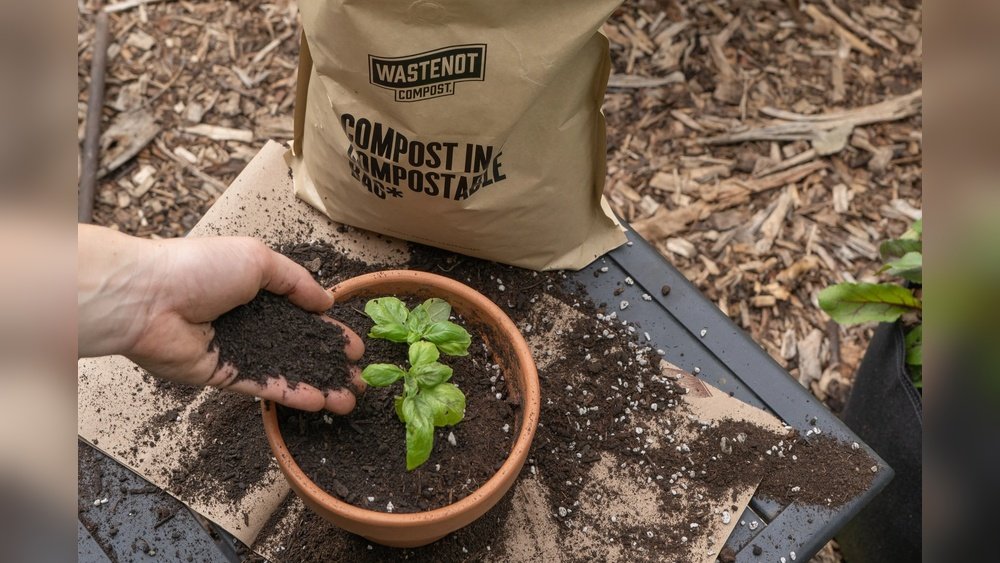
Mix finished compost with potting soil to boost nutrients. Use about one part compost to two parts soil. This blend keeps the mix light and well-draining. Seedlings get enough air and moisture for good growth. Avoid using too much compost to prevent soggy soil.
Improving Root Development
Compost improves soil structure and adds beneficial microbes. These microbes help break down nutrients for plants to absorb. Healthy soil encourages roots to spread and grow stronger. Strong roots mean seedlings and transplants can handle stress better. Compost also helps retain moisture around the roots.
Watering After Application
Water seedlings right after adding compost to the soil. This helps nutrients reach the roots quickly. Keep the soil moist but not soaked. Proper watering prevents transplant shock and promotes root growth. Check soil moisture regularly to support young plants.
Compost For Different Plant Types
Finished compost enriches soil and supports healthy plant growth. Using compost correctly varies by plant type. Different plants need specific nutrients and soil conditions. Applying compost properly helps vegetables, flowers, trees, and shrubs thrive. Understanding these differences improves garden results.
Vegetables And Herbs
Vegetables and herbs grow best in nutrient-rich soil. Mix finished compost into garden beds before planting. This boosts soil fertility and moisture retention. For leafy greens and root crops, use compost as a top dressing during growth. Avoid overloading, which can cause too much nitrogen. Compost also improves soil texture, helping roots grow strong.
Flowering Plants
Flowering plants need compost to enhance blooms and overall health. Work compost into the soil around the base before planting. It provides essential nutrients for vibrant flowers. Apply a thin layer of compost as mulch to keep soil moist and cool. This practice supports steady growth and reduces weeds. Compost encourages beneficial microbes that protect flowers from disease.
Trees And Shrubs
Trees and shrubs benefit from deep soil compost integration. Spread compost in a wide circle around the tree base, avoiding the trunk. Mix it gently into the topsoil to improve water retention. Compost supplies slow-release nutrients for long-term health. Mulching with compost helps protect roots and maintain soil temperature. This encourages strong root systems and resilient plants.

Credit: www.wastenotcompost.com
Common Composting Mistakes To Avoid
Using finished compost in your garden improves soil health and plant growth. Avoiding common composting mistakes is key to creating rich, usable compost. These errors can slow decomposition or cause bad smells. Learning what to avoid helps maintain a healthy compost pile.
Avoiding Harmful Additives
Do not add meat, dairy, or oily foods to your compost. These attract pests and cause odors. Avoid diseased plants to prevent spreading problems. Stay away from treated grass or weeds with herbicides. Plastics, metals, and glossy paper do not break down and ruin compost quality. Only use natural, clean materials for best results.
Maintaining Moisture Balance
Keep compost moist like a damp sponge, not soaking wet. Too much water creates slimy, smelly conditions. Too little water stops the breakdown process. Check moisture often, especially in dry weather. Add water or dry materials like leaves to fix moisture problems quickly.
Ensuring Proper Aeration
Turn your compost regularly to add air. Without air, compost becomes smelly and slow to decompose. Avoid compacting the pile. Fluff materials to keep air flowing. Proper aeration speeds up composting and prevents bad odors.
Troubleshooting Compost Issues
Troubleshooting compost problems helps keep your garden healthy. Compost issues can affect plant growth and soil quality. Identifying and fixing these problems saves time and effort. Here are common compost problems and easy solutions.
Dealing With Odors
Bad smells come from too much moisture or poor air flow. Wet compost becomes slimy and smells like rotten eggs. Turn the pile to add air and dry it if needed. Add dry brown materials like leaves or straw to balance wet greens. Avoid adding meat, dairy, or oily foods that cause odors.
Handling Pests
Pests come for food scraps left on top or uncovered compost. Bury food scraps deep inside the pile to hide them. Use a closed bin or cover the compost with a lid or tarp. Avoid adding meat, bread, or greasy foods to reduce pests. Clean up fallen fruits or vegetables near the compost.
Fixing Slow Decomposition
Slow composting happens if the pile is too dry, cold, or lacks air. Keep the compost moist like a wrung-out sponge. Turn the pile often to add oxygen and speed up breakdown. Chop materials into small pieces to help microbes work faster. Add nitrogen-rich greens like grass clippings to balance carbon-rich browns.

Credit: www.gardenmyths.com
Tips For Maximizing Compost Benefits
Using finished compost correctly enhances your garden’s health and productivity. Applying compost with care boosts soil life and plant growth. Follow these simple tips to get the most from your compost and enjoy a thriving garden.
Regular Soil Testing
Test your soil regularly to know its nutrient levels. Soil tests reveal what your garden needs most. This helps prevent overusing compost or missing key nutrients. Use simple test kits or send samples to a local lab. Adjust compost amounts based on test results for balanced soil health.
Rotating Compost Applications
Apply compost in rotation, not all at once. Spread compost on different garden beds each season. This prevents nutrient build-up and soil imbalance. Rotating also improves soil structure evenly across your garden. It keeps plants strong and reduces pests and diseases.
Combining With Organic Fertilizers
Mix compost with organic fertilizers for better results. Compost adds organic matter, while fertilizers supply specific nutrients. Together, they improve soil fertility and plant growth. Use balanced organic fertilizers suited to your plants. This combination supports long-term garden health and productivity.
Credit: bonnieplants.com
Frequently Asked Questions
What Do I Do With Finished Compost?
Use finished compost by mixing it into garden soil to improve fertility and structure. Apply around plants as mulch or top dressing to retain moisture and suppress weeds. Store any extra compost in a dry, shaded area for future use.
What Compost Is Best For Mediterranean Plants?
Use well-draining, peat-free compost enriched with organic matter and nutrients for Mediterranean plants. Choose Mediterranean or citrus-specific blends to support healthy growth and drought tolerance.
What Are The Simple Mistakes That Could Ruin Your Compost?
Simple mistakes that ruin compost include adding meat, dairy, oils, or diseased plants. Avoid unbalanced green-to-brown ratios, excess moisture, poor aeration, and uncovered food scraps. Regularly turn the pile, maintain dampness like a wrung-out sponge, and bury scraps to prevent pests and odors.
Which Vegetables Don’t Like Compost?
Root vegetables like carrots and potatoes dislike fresh compost due to excessive nitrogen. Leafy greens thrive better with finished compost. Avoid adding acidic compost for vegetables like beans and peas. Use well-rotted compost to prevent root burn and nutrient imbalance.
Conclusion
Using finished compost boosts your garden’s health naturally and easily. Spread it around plants to improve soil and retain moisture. Compost feeds beneficial microbes, helping plants grow strong and resist disease. Mix it into flower beds or vegetable patches for better results.
Remember to apply compost regularly for lasting garden benefits. Simple steps lead to greener, healthier plants all season long. Keep gardening with compost, and watch your garden thrive!