
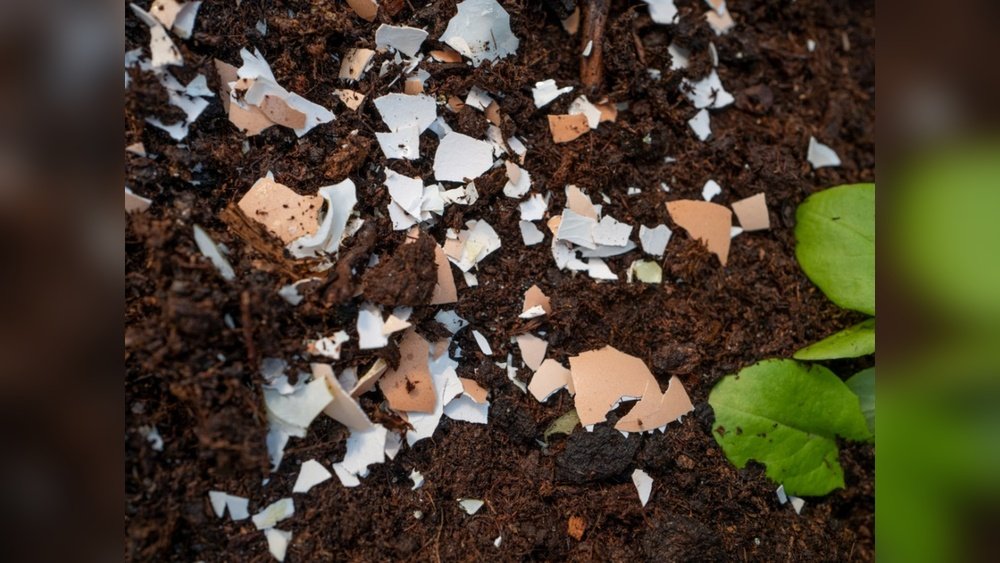
Are you looking for a simple, natural way to boost your garden soil and help your plants thrive? You might be surprised to learn that those leftover eggshells in your kitchen can do wonders for your garden.
Packed with calcium and other minerals, eggshells can improve soil health, protect your plants, and even keep pests away. But how exactly should you use them to get the best results? You’ll discover easy tips on how to prepare and apply eggshells in your garden soil, which plants benefit the most, and important things to avoid.
Keep reading to unlock the full potential of eggshells and watch your garden flourish like never before!
Benefits For Soil Health
Eggshells offer several benefits for garden soil health. They improve soil quality naturally. Using eggshells in your garden helps plants grow stronger. These shells break down slowly, releasing nutrients over time. They support soil life and structure, making the soil healthier for plants.
Calcium Boost For Plants
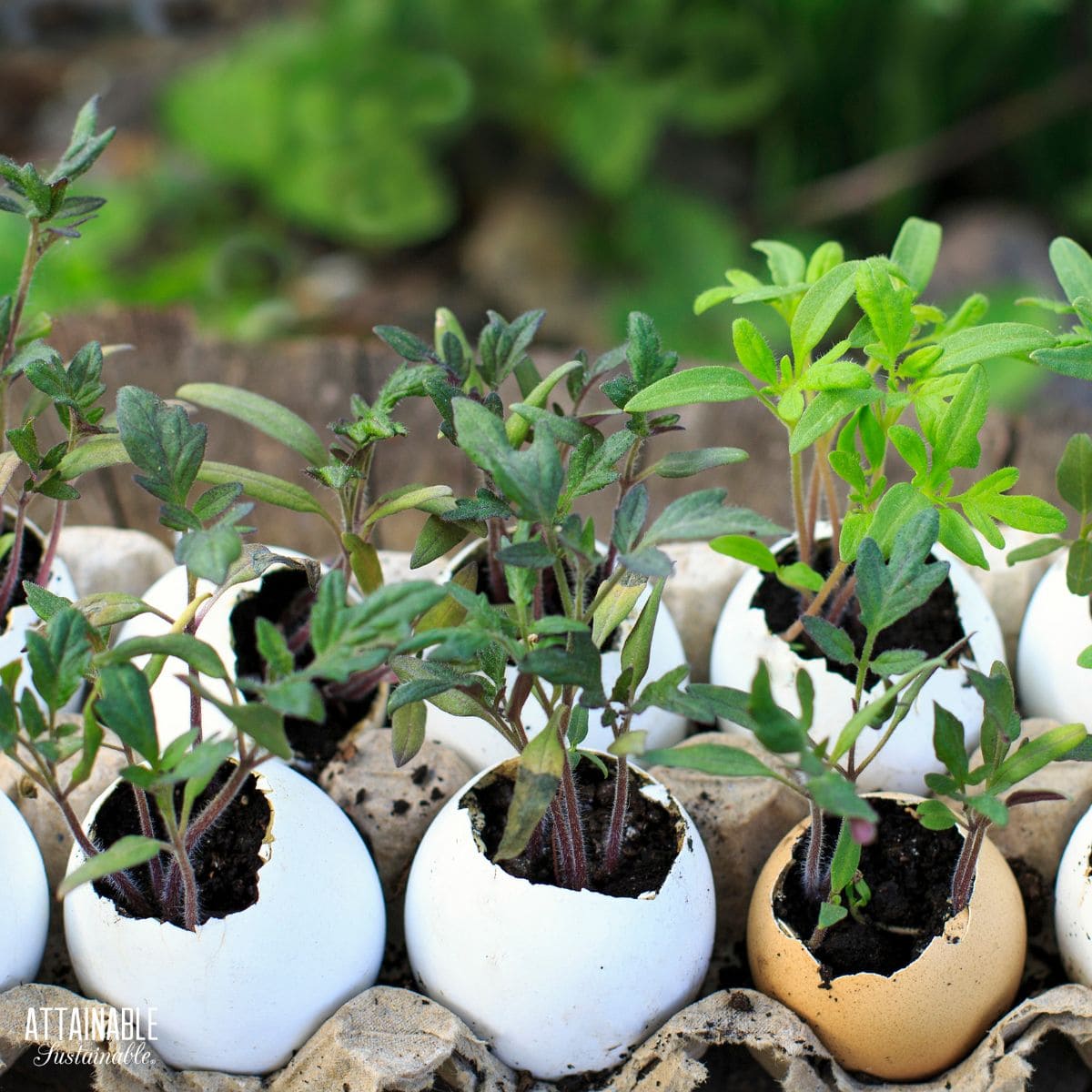
Eggshells are rich in calcium, a vital nutrient for plants. Calcium helps build strong cell walls. It prevents blossom end rot in tomatoes and peppers. Adding crushed eggshells to soil supplies this essential mineral. Plants absorb calcium slowly, improving growth and fruit quality.
Improving Soil Structure
Crushed eggshells help make soil loose and airy. Good soil structure allows roots to grow deeply. It improves water drainage and air circulation in the soil. This creates a better environment for beneficial microbes. Healthy soil structure supports strong, healthy plant roots.
Reducing Soil Acidity
Eggshells have alkaline properties that reduce soil acidity. Lower soil acidity can help plants absorb nutrients better. This is especially helpful for plants that prefer neutral or slightly alkaline soil. Adding eggshells balances soil pH naturally over time. It creates favorable conditions for many garden plants.
Credit: www.attainable-sustainable.net
Preparing Eggshells For Garden Use
Preparing eggshells properly is important before adding them to garden soil. Raw eggshells can carry bacteria and take a long time to break down. Proper preparation improves their effectiveness as a soil amendment. Follow these simple steps to get your eggshells ready for garden use.
Cleaning And Drying
Rinse eggshells under cold water to remove any egg residue. This prevents bad smells and pests in your garden. Let the shells dry completely. Spread them on a paper towel or plate in a warm place. Dry shells crush easier and store better without mold.
Crushing Vs Grinding
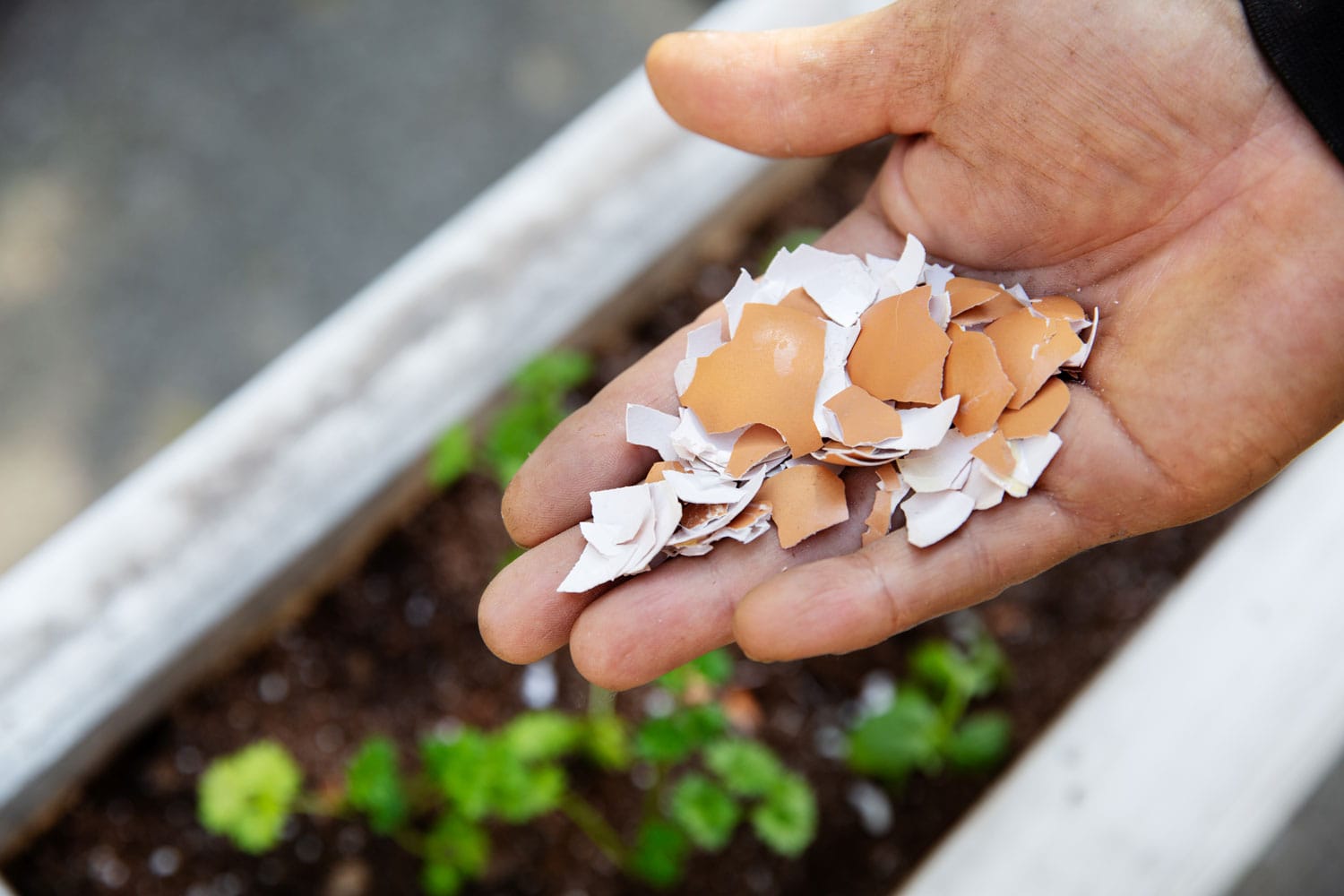
Crushing eggshells by hand creates larger pieces that break down slowly in soil. Grinding shells into a fine powder speeds up nutrient release. Use a mortar and pestle or a coffee grinder for grinding. Finely ground shells mix well with soil and feed plants faster.
Baking To Eliminate Pathogens
Baking eggshells kills bacteria and other pathogens. Preheat your oven to 200°F (93°C). Place clean shells on a baking sheet and bake for 10-15 minutes. Let them cool before crushing or grinding. This step adds safety and extends shelf life.
Ways To Add Eggshells To Soil
Eggshells provide valuable nutrients to garden soil. Calcium, a key mineral in eggshells, helps strengthen plant cell walls. Using eggshells properly improves soil health and plant growth. There are several effective ways to add eggshells to soil. Each method suits different gardening needs.
Direct Soil Application
Crush eggshells into small pieces before adding to soil. Small pieces break down faster and release nutrients quicker. Sprinkle crushed shells around plants or mix them into the soil. This method slowly adds calcium and improves soil texture. Avoid using large shell pieces as they take longer to decompose.
Composting With Eggshells
Add eggshells to your compost pile or bin. Break them into small pieces to speed up decomposition. Composting eggshells balances the pile with calcium and other minerals. Finished compost enriches soil and supports healthy plant growth. Keep eggshells dry before composting to prevent bad odors.
Using As Mulch
Spread crushed eggshells on soil surface as mulch. Eggshell mulch deters pests like slugs and snails naturally. It also helps retain soil moisture and reduce weeds. Replace mulch regularly for best results. This method adds nutrients slowly while protecting plants.
Plants That Benefit Most
Eggshells add valuable nutrients to garden soil, especially calcium. Certain plants thrive better with this natural boost. These plants use calcium to build strong cells and resist diseases. Knowing which plants benefit most helps gardeners apply eggshells wisely. Here are some common garden favorites that love eggshells in the soil.
Tomatoes And Peppers
Tomatoes and peppers need calcium to prevent blossom end rot. This disorder causes black spots on fruits and weak stems. Crushed eggshells slowly release calcium, improving soil health. Using eggshells helps these plants grow strong and produce healthy fruits. Sprinkle crushed shells around the base or mix into soil before planting.
Leafy Greens And Brassicas
Leafy greens like lettuce and spinach and brassicas such as broccoli and cabbage benefit from calcium-rich soil. Calcium supports leaf structure and reduces leaf spots. Eggshells improve soil texture and nutrient content. Adding eggshells helps these plants develop firm leaves and resist common diseases. Work eggshells into the soil or add to compost for best results.
Fruit Trees And Vines
Fruit trees and vines need calcium for strong branches and healthy fruit development. Eggshells provide a slow-release source that supports long-term growth. Applying crushed eggshells around trees and vines enriches the soil naturally. This practice helps prevent fruit drop and supports vibrant harvests year after year.
Plants To Avoid Using Eggshells With
Eggshells add calcium and improve garden soil for many plants. Some plants need acidic soil to grow well. Eggshells raise soil pH and reduce acidity. This change can harm acid-loving plants. Avoid using eggshells near these plants to keep them healthy.
Acid-loving Plants
Plants that thrive in acidic soil do not like eggshells. Eggshells contain calcium carbonate, which is alkaline. Adding eggshells raises soil pH and lowers acidity. This effect blocks nutrients that acid-loving plants need. These plants can show yellow leaves and poor growth. Keep eggshells away from these types of plants.
Azaleas And Blueberries
Azaleas and blueberries need acidic soil to absorb nutrients. Eggshells increase soil alkalinity, which hurts these plants. Using eggshells near azaleas or blueberries can stunt their growth. The plants may develop nutrient deficiencies and weaken. Avoid eggshells to keep these shrubs strong and vibrant.
Strawberries And Rhododendrons
Strawberries and rhododendrons also prefer acidic soil conditions. Eggshells can raise the soil pH too much for them. This change makes it hard for roots to get minerals. Plants can become less productive and show stress signs. For healthy strawberries and rhododendrons, do not use eggshells in their soil.
Pest Control Using Eggshells
Eggshells offer a natural way to control pests in your garden. Their rough texture and sharp edges can stop soft-bodied pests from reaching your plants. Using eggshells helps reduce the need for chemical pesticides. This method is eco-friendly and safe for your garden environment.
Deterring Slugs And Snails
Crush eggshells into small, sharp pieces before spreading them around plants. Slugs and snails find it hard to cross the rough surface. The sharp edges irritate their soft bodies, making them avoid the area. Create a barrier around seedlings and young plants to protect them. Refresh the barrier after rain or watering to keep it effective.
Limitations Of Eggshell Barriers
Eggshells do not kill pests; they only deter them. Heavy rain can wash eggshells away, reducing their protection. Some pests may still find a way through or around the barrier. Eggshells are less effective against larger or stronger pests. Use eggshells as part of a larger pest control strategy for best results.
Testing Soil Before Use
Testing soil before adding eggshells helps ensure the best results. Soil varies in acidity and nutrients. Knowing your soil’s condition prevents problems. This step improves plant health and growth. It also guides how many eggshells to add. Start with simple tests to check soil pH and conditions.
Checking Soil Ph
Soil pH shows if soil is acidic or alkaline. Use a soil pH test kit from a garden store. Take a small soil sample from your garden. Follow the test kit instructions carefully. The test gives a pH number from 1 to 14. Numbers below 7 mean acidic soil. Numbers above 7 mean alkaline soil. Eggshells raise soil pH because they are alkaline. Avoid adding eggshells if soil is already alkaline. For acidic soil, eggshells can help balance pH.
Adjusting Soil Conditions
Adjust soil based on test results. For acidic soil, crushed eggshells add calcium and reduce acidity. Mix eggshells well into the soil for best effect. For alkaline soil, avoid eggshells or use them sparingly. Add organic matter like compost to improve soil texture. Good soil drains well and holds moisture. Test soil moisture and texture before planting. Adjust as needed to create a healthy environment for plants. Proper soil prep helps eggshells release nutrients effectively.
Credit: vitalfarms.com
Common Mistakes To Avoid
Using eggshells in garden soil offers many benefits, but mistakes can reduce their effectiveness. Avoiding common errors helps plants thrive and keeps soil healthy. Understand these pitfalls before adding eggshells to your garden.
Using Large Eggshell Pieces
Large eggshell pieces take a long time to break down. They do not release calcium quickly. This delays benefits to the soil and plants. Crushing or grinding eggshells into small bits speeds decomposition. Smaller pieces mix better with soil, improving nutrient absorption.
Overapplication Risks
Adding too many eggshells can raise soil pH too much. High pH stops some plants from absorbing nutrients. Overuse may cause nutrient imbalances and poor plant growth. Use eggshells in moderation. Test soil pH regularly to keep balance.
Ignoring Plant Preferences
Not all plants like eggshells. Acid-loving plants dislike alkaline eggshells. Examples include blueberries, azaleas, and strawberries. Eggshells raise soil pH, blocking nutrient uptake in these plants. Know your plants’ needs before using eggshells. Avoid eggshells for acid-loving species to prevent damage.
:max_bytes(150000):strip_icc()/GettyImages-1148157575-1be3420e49134e5ba1a3d298e139f454.jpg)
Credit: www.treehugger.com
Frequently Asked Questions
Which Plants Like Egg Shells In The Soil?
Tomatoes, peppers, broccoli, kale, cabbage, roses, and hydrangeas benefit from eggshells in soil due to added calcium.
Which Plants Do Not Like Egg Shells?
Plants that dislike eggshells include azaleas, blueberries, rhododendrons, camellias, strawberries, ferns, and some brassicas. These acid-loving plants suffer because eggshells increase soil alkalinity, hindering nutrient absorption and causing poor growth. Avoid eggshells for these to maintain healthy, acidic soil conditions.
Can I Just Sprinkle Egg Shells In My Garden?
Sprinkling whole eggshells directly in your garden won’t break down quickly. Crush or bake them first to release calcium and improve soil health. Avoid using eggshells around acid-loving plants like blueberries or azaleas, as they raise soil pH and hinder nutrient absorption.
Why Should You Never Throw Away Egg Shells?
Never throw away eggshells because they enrich soil with calcium, improve plant health, and reduce garden pests naturally.
Conclusion
Using eggshells in garden soil helps add natural calcium and nutrients. Crush them well for faster soil absorption. Avoid using eggshells near acid-loving plants like blueberries or azaleas. They work best with tomatoes, peppers, and leafy greens. Eggshells also improve soil structure and reduce pests slightly.
Regular use supports healthier plant growth over time. Try this simple, eco-friendly tip in your garden today. You’ll see benefits with patience and care. Gardening becomes easier with natural, low-cost methods like these. Keep experimenting to find what works best for your plants.