
Choosing the perfect grill can feel overwhelming, especially when deciding between a pellet grill and a gas grill. You want something reliable, easy to use, and capable of delivering mouthwatering flavors every time.
But which one suits your cooking style and lifestyle best? This guide breaks down everything you need to know about pellet grills and gas grills, helping you make a confident choice. By the end, you’ll understand the key differences, pros and cons, and which grill will fire up your backyard gatherings like a pro.
Keep reading to find out which grill earns its spot in your outdoor kitchen!
Credit: www.caribeque.com
Pellet Grill Basics
Pellet grills offer a unique way to cook food using wood pellets as fuel. They combine the flavor of wood smoke with the convenience of modern technology. Many barbecue lovers enjoy the rich taste pellet grills provide. Understanding the basics helps you decide if a pellet grill suits your cooking style.
These grills are known for easy temperature control and consistent heat. They can grill, smoke, bake, and roast. Learning how pellet grills work and their features gives you an edge in choosing the right grill.
How Pellet Grills Work
Pellet grills use small wood pellets as fuel. An electric hopper feeds pellets into a fire pot. A hot rod ignites the pellets, creating heat and smoke. A fan circulates the heat evenly inside the grill. This system cooks food at a steady temperature. The process is mostly automatic, requiring little effort from the user.
Types Of Wood Pellets
Wood pellets come in different flavors. Common types include hickory, mesquite, apple, and cherry. Each type adds a distinct smoky taste to food. Some pellets mix different woods for unique flavors. Choosing the right pellet affects the final taste of your meal. Make sure to use food-grade pellets for the best results.
Temperature Control Features
Pellet grills have digital controllers to set the cooking temperature. You can choose the exact heat level for your recipe. The grill adjusts the pellet feed and fan speed automatically. This keeps the temperature steady during cooking. Some models offer Wi-Fi or app controls for remote monitoring. Precise temperature control helps avoid overcooking or undercooking food.
Gas Grill Essentials
Gas grills offer a straightforward way to cook with heat and flavor. They provide quick start times and easy temperature control. Understanding the key parts of gas grills helps you choose the right model and use it safely. Below are the essentials of gas grills, covering fuel, burners, ignition, heat settings, portability, and setup.
Fuel Types And Burners
Gas grills usually use propane or natural gas. Propane tanks are portable and easy to replace. Natural gas grills connect to your home’s gas line for constant fuel. Burners come in different numbers and sizes. More burners mean better heat control and cooking zones. Stainless steel burners resist rust and last longer. Cast iron burners hold heat well but need care.
Ignition And Heat Settings
Most gas grills have push-button ignition for quick lighting. Some use electronic ignitors or battery-powered systems. Heat settings often adjust with knobs. You can choose low, medium, or high heat. Some grills have built-in thermometers to check temperature. Even heat distribution is key for good grilling results.
Portability And Setup
Gas grills range from small, portable units to large, stationary models. Portable grills fit on patios or trips and use small propane tanks. Larger grills need more space and a gas connection or big propane tank. Setup is usually simple. Connect the gas source, check for leaks, and start grilling. Wheels and handles help move grills easily.
Flavor And Cooking Style
The flavor and cooking style define the grilling experience. Pellet grills and gas grills offer unique tastes and methods. Understanding these differences helps choose the best grill for your needs.
Each grill type suits different cooking styles and flavor preferences. The choice affects the food’s aroma, texture, and overall enjoyment.
Smoke Flavor Differences
Pellet grills use wood pellets that create a rich smoky flavor. The smoke infuses slowly, giving food a deep, natural taste.
Gas grills burn propane or natural gas, producing less smoke. They offer a cleaner flavor without strong smokiness.
Pellet grills suit those who enjoy authentic smoky barbecue flavors. Gas grills work well for simple grilling without added smoke.
Best Foods For Each Grill
Pellet grills excel at low-and-slow cooking like ribs, brisket, and pork shoulder. They keep meats juicy and tender with steady heat and smoke.
Gas grills are ideal for quick cooking tasks like burgers, steaks, and vegetables. They reach high heat fast and allow easy temperature control.
Pellet grills can handle many dishes but shine with smoky recipes. Gas grills fit everyday grilling with less fuss and fast results.
Cooking Techniques
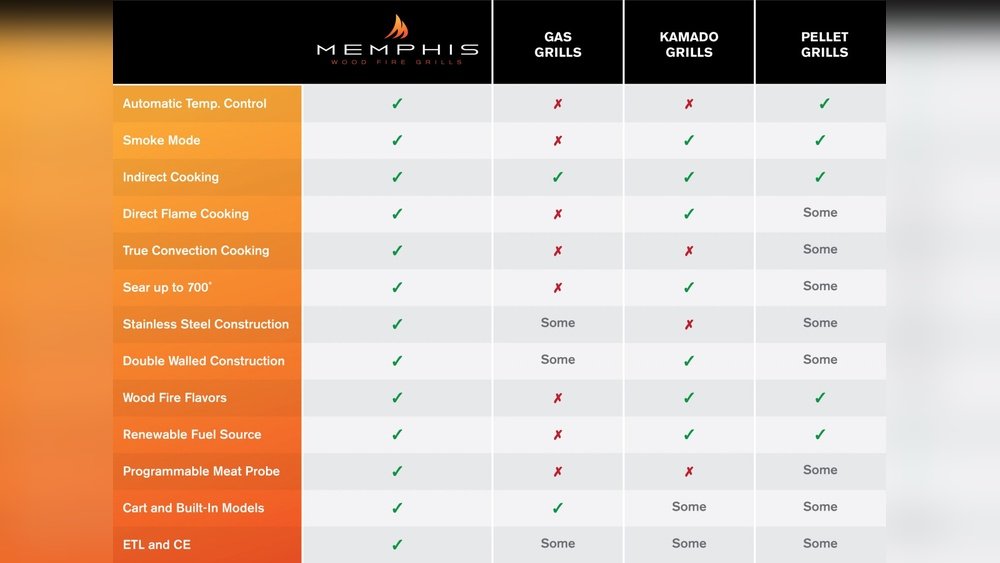
Pellet grills use indirect heat and convection fans to cook evenly. They allow smoking, roasting, and baking with consistent temperatures.
Gas grills use direct flame for searing and fast grilling. They allow quick flips and precise control of heat zones.
Pellet grills suit slow cooks and smoke infusions. Gas grills favor fast, high-heat searing and simple grilling.
Performance And Heat
Performance and heat are key factors when choosing between a pellet grill and a gas grill. Both types offer different cooking experiences. Understanding how each grill handles heat helps you pick the right one. This section breaks down their heat distribution, temperature levels, and cooking times.
Heat Distribution And Consistency
Pellet grills use fans to circulate hot air evenly inside the cooking chamber. This creates a consistent heat around the food. Gas grills heat up quickly but often have hot spots. These spots can cause uneven cooking. Pellet grills maintain steady heat better over long cooking sessions. Gas grills may require more attention to keep heat even.
Maximum Temperature Levels
Gas grills can reach higher temperatures faster, often up to 600°F or more. This is good for searing steaks and quick grilling. Pellet grills usually max out around 450°F to 500°F. They excel at low-and-slow cooking rather than high-heat searing. The temperature range affects the types of dishes you can cook best.
Preheat And Cooking Times
Gas grills preheat very fast, often in five to ten minutes. This saves time when you want to grill quickly. Pellet grills take longer to preheat, sometimes up to 15 minutes. Cooking times on pellet grills tend to be longer due to lower heat. They are ideal for slow cooking and smoking. Gas grills suit fast meals and quick turnarounds.
Ease Of Use And Maintenance
Choosing between a pellet grill and a gas grill involves understanding how easy they are to use and maintain. Both types have unique features that affect daily grilling and upkeep. Ease of use saves time and effort, making grilling more enjoyable. Maintenance impacts how long your grill lasts and how well it performs.
Cleaning Requirements
Pellet grills require regular ash removal from the firepot. This helps keep airflow steady and combustion clean. Gas grills need less ash cleanup but require cleaning grease trays and burner tubes. Both grills benefit from wiping down grates after cooking. A clean grill prevents flare-ups and improves flavor.
Startup And Shutdown Process
Pellet grills start by feeding wood pellets into the firepot and igniting automatically. They take a few minutes to reach temperature. Gas grills light instantly with a push of a button or knob. Shutdown on pellet grills includes letting the fire go out and the fan cool the grill. Gas grills turn off immediately by closing the gas valve.
User-friendly Features
Pellet grills often include digital controllers to set and maintain temperature. Many models offer Wi-Fi control for remote monitoring. Gas grills have simple knobs for adjusting heat quickly. Some gas grills feature side burners and built-in thermometers. Both types focus on making grilling straightforward and fun.
Credit: www.bbqguys.com
Cost And Operating Expenses
The cost and operating expenses of pellet grills and gas grills vary. Understanding these costs helps you choose the right grill for your needs. Some grills cost more upfront but may save money later. Others have lower initial prices but higher fuel costs. This section breaks down the costs into three parts for clear comparison.
Initial Purchase Price
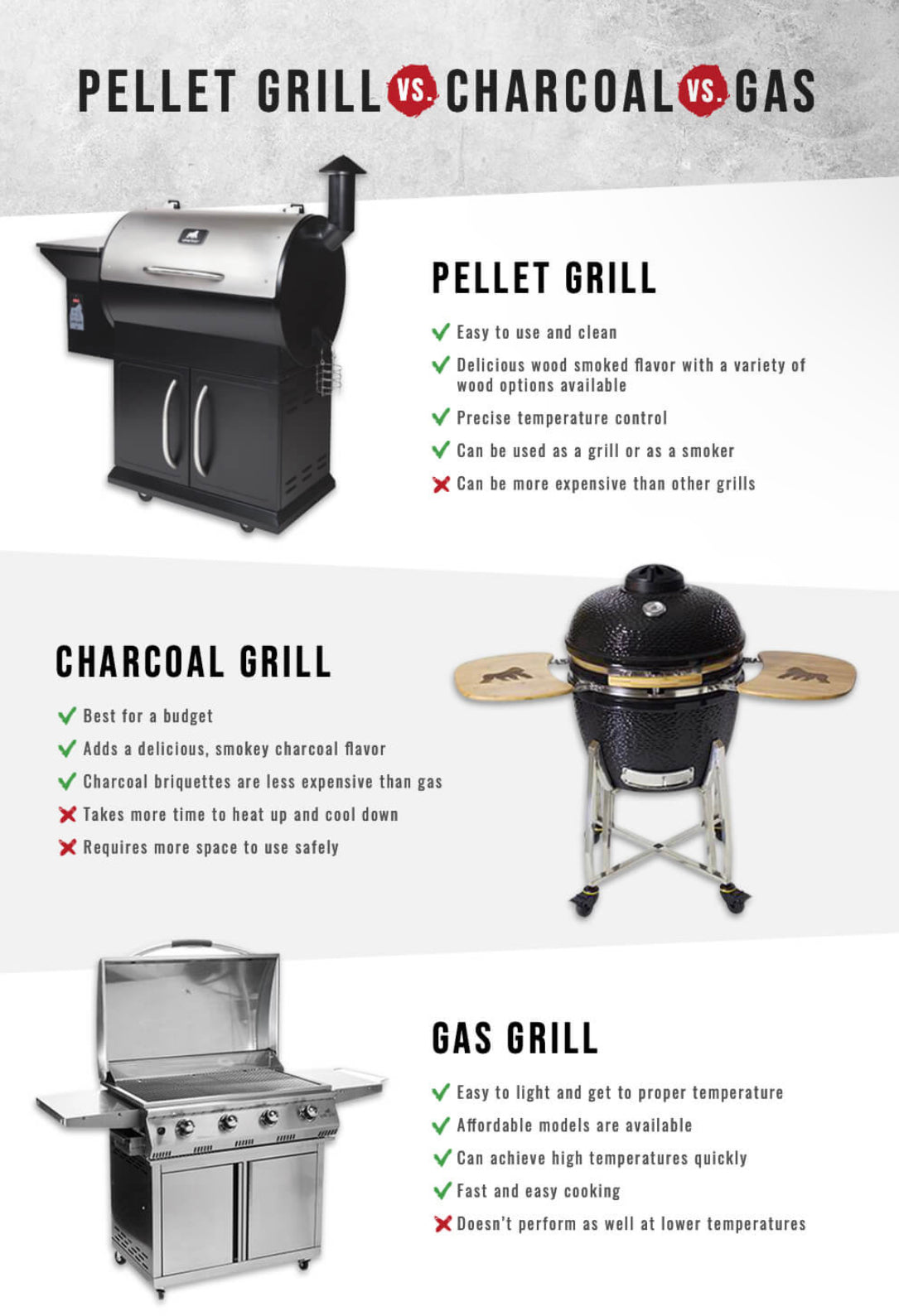
Pellet grills usually have a higher initial price than gas grills. Quality pellet grills start around $500 and can go above $1500. Gas grills often start lower, with many models priced between $200 and $800. The price depends on size, brand, and features. Pellet grills have built-in electronics and motors, raising their cost. Gas grills are simpler, which often lowers the price.
Fuel Costs Over Time
Pellet grills use wood pellets as fuel. Pellets cost about $3 to $5 per 20-pound bag. Fuel costs depend on how often you grill and heat settings. Gas grills use propane or natural gas. Propane tanks cost around $15 to refill. Natural gas grills connect to home lines, so fuel cost depends on local gas rates. Generally, gas grills cost less to operate per cook than pellet grills.
Repair And Replacement Parts
Pellet grills have more parts that may need repair. Motors, augers, and controllers can break or wear out. Replacement parts for pellet grills can be costly. Gas grills have fewer electronic parts, making repairs simpler. Common repairs include burners, igniters, and valves. Gas grill parts are usually cheaper and easier to find. Pellet grills might need more maintenance to keep running well.
Versatility And Accessories
Versatility and accessories play a key role in choosing between a pellet grill and a gas grill. Both types offer unique features that can enhance your cooking experience. Understanding these differences helps you pick the grill that fits your style.
Additional Cooking Options
Pellet grills excel in offering a variety of cooking methods. You can smoke, roast, bake, and grill with just one device. Gas grills mainly focus on direct grilling but some models include side burners or rotisserie kits. Pellet grills provide slow cooking and smoking, which adds flavor to your food. Gas grills heat up quickly, ideal for fast cooking like searing steaks.
Compatible Tools And Attachments
Pellet grills have many compatible tools such as temperature probes and smoke tubes. These help monitor and control the cooking process closely. Gas grills support a range of accessories including griddles, rotisseries, and smoker boxes. These attachments expand your cooking options and make grilling more fun. Both grill types work with standard grilling tools like tongs and brushes.
Customization Possibilities
Pellet grills often allow digital control and preset cooking programs. You can adjust smoke levels and temperature precisely. Gas grills offer manual control with knobs for instant heat adjustment. Many gas grills allow adding extra burners or shelves. Pellet grills tend to have fewer physical add-ons but more digital features. Both types let you tailor your grill to match your cooking needs.

Credit: grillgirl.com
Environmental Impact
Understanding the environmental impact of pellet grills and gas grills helps in making a better choice. Each grill type uses different fuel sources, which affects energy use and pollution. Knowing these differences can guide you toward a greener option. The following sections break down key factors like fuel efficiency, emissions, and sustainability.
Fuel Efficiency
Pellet grills burn compressed wood pellets that produce steady heat. They use electricity to power fans and augers. This means they consume both fuel and electricity during use. Gas grills rely on propane or natural gas, which burn cleanly and heat quickly. Gas grills generally use fuel more efficiently because they reach cooking temperatures faster. Pellet grills may use more energy overall due to electric components. However, pellets provide even cooking temperatures, which can reduce wasted fuel from overcooking.
Emissions And Smoke Output
Pellet grills create smoke from burning wood pellets, adding flavor but also releasing particulates. This smoke contains carbon monoxide and other organic compounds. Gas grills produce almost no smoke, releasing mainly carbon dioxide and water vapor. Gas grills emit fewer particulates and less carbon monoxide than pellet grills. Pellet grills may contribute more to local air pollution due to smoke. Gas grills have a cleaner burn, making them better for air quality.
Sustainability Considerations
Wood pellets come from compressed sawdust, often a byproduct of lumber production. Using pellets helps recycle wood waste that might otherwise be discarded. However, pellet production and transportation use energy and resources. Propane and natural gas are fossil fuels, which release carbon when burned. Natural gas burns cleaner than propane but is still non-renewable. Pellet grills use renewable wood fuel but rely on electricity, which may come from fossil fuels. Choosing sustainably sourced pellets or using green electricity can reduce impact. Gas grills may have a smaller footprint if connected to efficient natural gas lines.
Popular Brands And Models
Choosing between a pellet grill and a gas grill often involves examining the popular brands and models available. Each type offers distinct features and benefits, appealing to different grilling styles. Understanding the top brands helps identify reliable options that fit your needs and budget.
Brands in the pellet grill market focus on precision cooking and smoky flavors. Gas grill manufacturers emphasize convenience and fast heat-up times. Comparing these brands reveals what each grill type excels at and what you can expect in terms of performance and durability.
Top Pellet Grill Brands
Pellet grills are known for their ability to maintain steady temperatures. Traeger is a leading name in pellet grills, offering user-friendly models with Wi-Fi controls. Camp Chef provides versatile pellet grills with large cooking areas. Green Mountain Grills focuses on quality and affordability, making pellet grilling accessible to many. These brands combine technology and flavor to create a unique grilling experience.
Leading Gas Grill Manufacturers
Gas grills are popular for quick cooking and ease of use. Weber is a top brand, known for durable grills with even heat distribution. Char-Broil offers budget-friendly gas grills with solid performance. Broil King produces heavy-duty grills with powerful burners and good heat control. These manufacturers focus on reliability, speed, and straightforward operation for everyday grilling.
Comparative Features
Pellet grills provide consistent smoke flavor and precise temperature control. They usually take longer to heat but excel in slow cooking and smoking. Gas grills heat up fast and offer direct flame cooking, perfect for searing steaks. Pellet grills often have digital controllers, while gas grills rely on knobs for burner adjustment. Cooking space varies widely in both types, allowing choices from compact to large models. Fuel costs and maintenance also differ, with pellet grills needing wood pellets and gas grills running on propane or natural gas.
Choosing The Right Grill
Choosing the right grill can make your cooking more enjoyable and satisfying. Each type of grill offers unique benefits. Understanding your needs helps you pick the perfect one.
Consider how you like to cook and what fits your space and budget best. These factors will guide you to the right choice between a pellet grill and a gas grill.
Lifestyle And Cooking Preferences
Your cooking style matters a lot. Pellet grills provide a smoky flavor and steady heat. They suit slow cooking and smoking meats. Gas grills heat quickly and offer easy temperature control. They work well for fast grilling and searing. Choose the grill that matches how you enjoy cooking.
Space And Portability Needs
Look at where you will place your grill. Pellet grills are usually larger and heavier. They need a stable spot and a power source. Gas grills come in many sizes, including portable models. They are easier to move for picnics or camping. Pick a grill that fits your space and travel plans.
Budget Considerations
Think about how much you want to spend. Pellet grills often cost more upfront and require pellets to operate. Gas grills tend to be cheaper and use propane or natural gas. Consider both the initial price and running costs. Find a grill that fits your budget comfortably.
Frequently Asked Questions
What Are The Main Differences Between Pellet And Gas Grills?
Pellet grills use wood pellets for fuel, creating smoky flavors. Gas grills run on propane or natural gas, offering quick heat and easy control. Pellet grills excel in slow cooking, while gas grills are better for fast grilling and searing.
Which Grill Offers Better Flavor, Pellet Or Gas?
Pellet grills provide richer, smoky flavors due to wood combustion. Gas grills produce a cleaner, less smoky taste. If authentic smoky barbecue flavor is important, pellet grills are the preferred choice.
Are Pellet Grills More Expensive To Operate Than Gas Grills?
Yes, pellet grills typically cost more to operate because wood pellets are pricier than propane or natural gas. However, the price difference is moderate and depends on usage frequency and pellet brand.
Which Grill Is Easier To Use For Beginners?
Gas grills are generally easier for beginners, offering instant heat and simple controls. Pellet grills require monitoring pellet levels and a learning curve for temperature management but provide consistent results once mastered.
Conclusion
Choosing between a pellet grill and a gas grill depends on your cooking style. Pellet grills offer rich smoky flavors and steady heat. Gas grills provide quick start-up and simple temperature control. Consider how often you grill and what flavors you prefer.
Both grills have unique benefits that fit different needs. Think about your budget and space before deciding. Either choice can help you enjoy delicious grilled meals. Keep your cooking goals in mind for the best fit.