
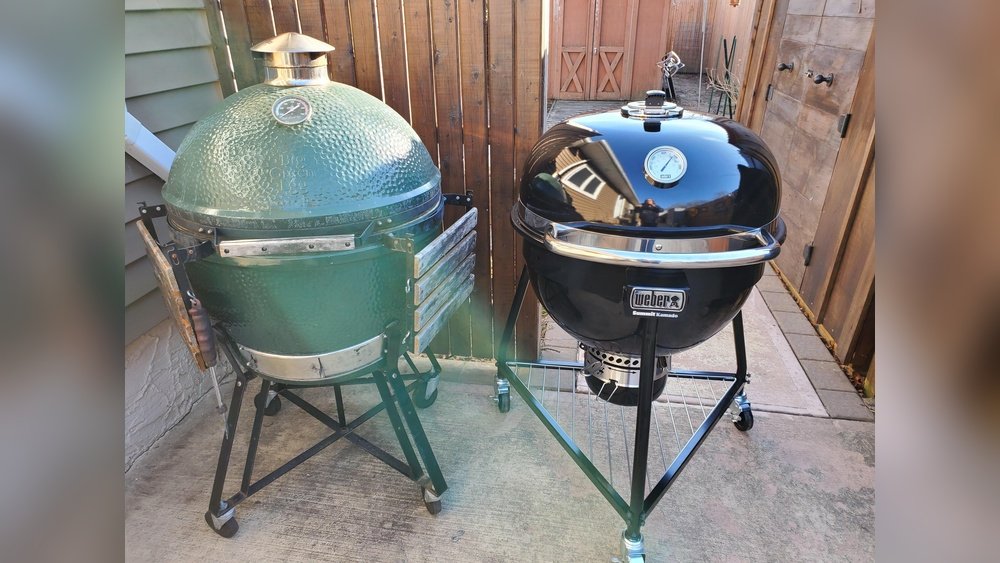
If you’re trying to decide between a Kamado grill and a Kettle grill, you’re not alone. Both offer unique ways to enjoy outdoor cooking, but they work very differently.
Understanding these differences can save you time, money, and frustration. Are you looking for precise temperature control and heat retention, or do you want something lightweight and quick to use? This guide will help you figure out which grill fits your cooking style and needs.
Keep reading to discover the key contrasts that make each grill special—and find the perfect match for your backyard BBQ.
Kamado Grill Features
Kamado grills offer unique features that set them apart from other grills. They combine traditional design with modern technology. These grills provide excellent cooking performance and versatility. Understanding their features helps in choosing the right grill for your needs.
Below are key features of kamado grills that highlight their benefits and differences from kettle grills.
Ceramic Construction
Kamado grills are made from thick ceramic material. This ceramic shell holds heat evenly. It also resists weather and rust better than metal grills. The heavy ceramic walls provide durability and stability during cooking. This construction helps keep the grill hot for a long time.
Heat Retention
The ceramic body traps heat inside the grill efficiently. This means kamado grills use less fuel to maintain temperature. Heat stays steady, so food cooks evenly without hot spots. This feature is great for slow cooking and smoking. It also reduces the need for constant checking.
Temperature Control
Kamado grills have adjustable vents at the top and bottom. These vents control airflow and temperature precisely. You can set low heat for smoking or high heat for searing. The ceramic walls help keep the temperature stable once set. This makes cooking easier and more predictable.
Fuel Requirements
Kamado grills use lump charcoal as fuel. Lump charcoal burns hotter and cleaner than briquettes. It produces less ash, which helps with airflow and temperature control. Using quality charcoal is important for best results. Avoid cheap briquettes that create more residue and reduce performance.

Credit: backyardsmokemaster.com
Kettle Grill Features
The kettle grill offers a straightforward and classic grilling experience. It suits beginners and casual grillers. Its simple features make outdoor cooking easy and enjoyable. Below are the key features that define the kettle grill’s design and use.
Metal Body Design
Kettle grills have a round metal body, usually made of steel. This design helps keep the grill light and durable. The metal reflects heat inside, improving cooking efficiency. It also resists rust when coated with enamel paint. The lid fits tightly to trap heat and smoke.
Heat Distribution
Heat spreads evenly across the kettle grill’s cooking surface. The round shape allows air to circulate well inside. This helps maintain steady temperatures for grilling and smoking. The vents on the lid and bottom control airflow. You can adjust them to increase or lower the heat.
Ease Of Use
Kettle grills are easy to set up and operate. Lighting the charcoal takes just a few minutes. Cleaning is simple due to the removable ash catcher. The grill grate is easy to remove for washing. Many models include built-in thermometers to monitor temperature.
Fuel Flexibility
Kettle grills mainly use charcoal as fuel. You can choose briquettes or lump charcoal depending on taste and burn time. Some users add wood chips for extra smoky flavor. The grill can also work with natural lump charcoal for cleaner burning. This flexibility suits different cooking styles and preferences.
Performance Comparison
Comparing the performance of Kamado grills and Kettle grills reveals clear differences. Each grill offers unique strengths in cooking speed, temperature stability, smoke production, and cooking versatility. Understanding these factors helps choose the right grill for your needs.
Cooking Speed
Kettle grills heat up faster due to their simple design and thinner metal walls. They reach cooking temperature within 10 to 15 minutes. Kamado grills take longer to heat because of their thick ceramic walls. It can take 20 to 30 minutes or more. The ceramic material holds heat well but slows initial warming. Kettle grills suit quick grilling tasks better.
Temperature Stability
Kamado grills excel in maintaining steady temperatures. Their ceramic build traps heat and moisture inside. This creates a consistent cooking environment for hours. Kettle grills lose heat more quickly and need frequent adjustments. Wind and outside temperature affect their stability more. Kamados offer better control for low and slow cooking.
Smoke And Flavor
Both grills produce good smoky flavor but differ in smoke retention. Kamados trap smoke inside the sealed ceramic chamber. This enhances flavor and moisture in food. Kettle grills allow more smoke to escape through vents. They still add smoky taste but less intensely. Kamado grills provide richer, deeper smoky flavors.
Versatility In Cooking Styles
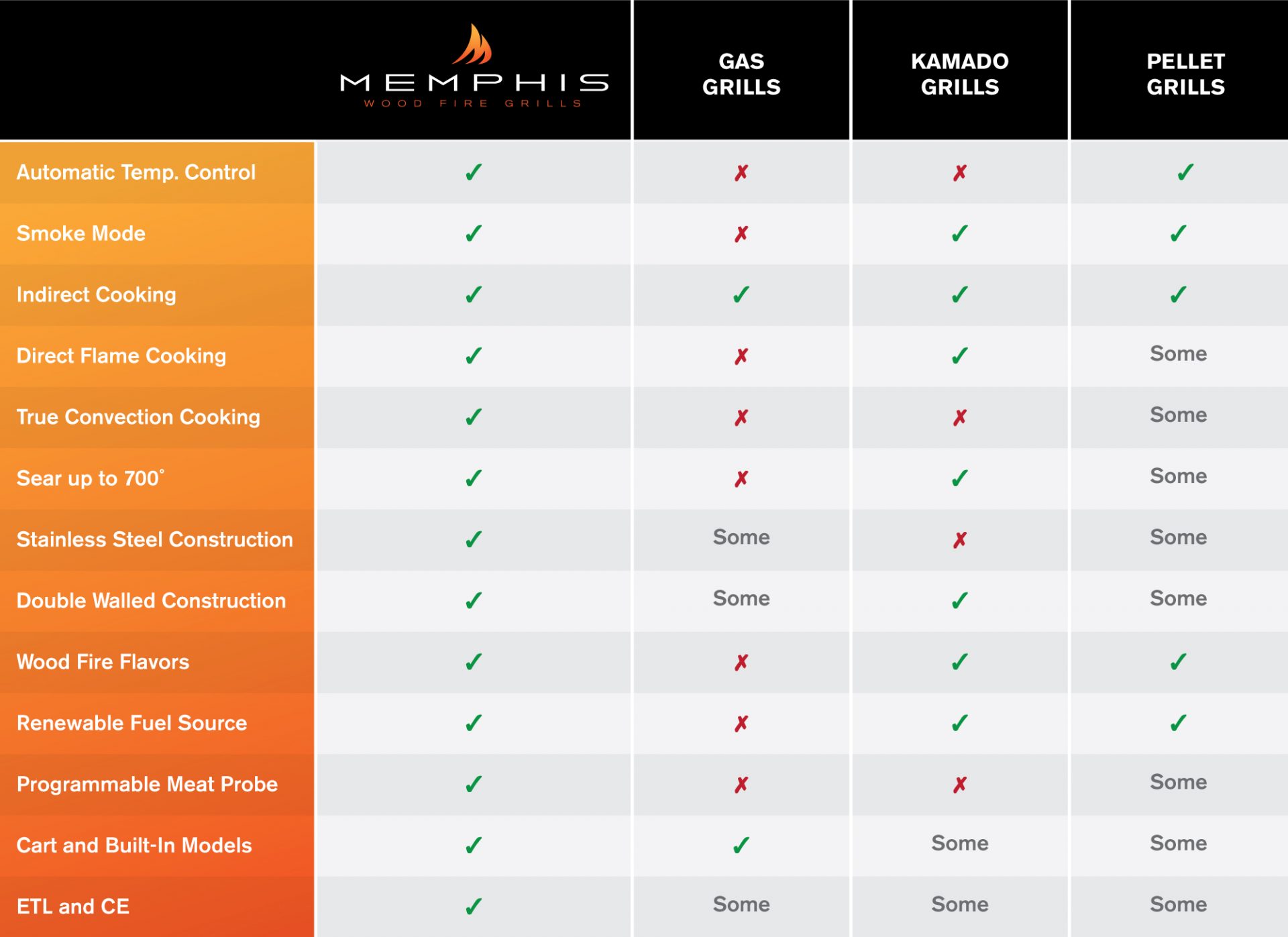
Kamadо grills work well for grilling, smoking, roasting, and baking. Their temperature control allows many cooking methods. Kettle grills focus mostly on direct grilling and simple smoking. They struggle with baking or very low heat cooking. Kamados handle diverse recipes and cooking styles better.
Credit: memphisgrills.com
Maintenance And Durability
Maintenance and durability play key roles in choosing between a Kamado grill and a Kettle grill. Both have unique features that affect how you care for them and how long they last. Understanding these differences helps you keep your grill in top shape and enjoy it for years.
Cleaning Requirements
Kamado grills need regular ash removal to keep airflow smooth. The ceramic interior traps ash, so clean it often. Kettle grills have a simple ash catcher under the bowl. Empty it after each use to avoid buildup. Both grills benefit from cleaning the grates after cooking. Use a grill brush to remove food residue. Kamado grills sometimes require deep cleaning of vents and seals. Kettle grills are easier to clean overall due to their simpler design.
Material Fragility
Kamado grills are made mostly of ceramic. Ceramic holds heat well but can crack if dropped or shocked. Avoid moving a hot Kamado suddenly. Kettle grills use metal, usually coated steel. This makes them less fragile but prone to rust if not stored properly. Kamado grills resist rust but must be handled carefully. Kettle grills are more rugged but need paint touch-ups to prevent corrosion. Treat each grill according to its material for longer life.
Weight And Portability
Kamado grills are heavy due to thick ceramic walls. They stay stable in wind but are hard to move. Most Kamados stay in one place in your yard or patio. Kettle grills are lighter and often come with wheels. This makes them easier to move around for picnics or camping. If you need a grill to carry or store frequently, the kettle is a better choice. Weight affects how and where you use your grill daily.
Cost And Value
Understanding the cost and value differences between Kamado and Kettle grills helps you make a smart choice. Both grills serve outdoor cooking well but vary in price and long-term worth. Evaluating the initial cost, ongoing benefits, and part replacements clarifies which grill fits your budget and needs.
Initial Investment
Kamado grills often cost more upfront than kettle grills. Their ceramic build and advanced design raise the price. Kettle grills usually come at a lower price point and are simpler in construction. Buyers on a tight budget may prefer kettle grills for this reason. Kamado grills offer more features, which can justify their higher cost.
Long-term Benefits
Kamado grills hold heat better and use fuel efficiently. This can save money on charcoal over time. Their durable ceramic also means fewer replacements. Kettle grills are lighter and easier to move but may need more fuel. They may also wear out faster due to metal parts. Both grills offer good cooking results but differ in maintenance costs.
Replacement Parts
Kamado grill parts tend to be pricier but last longer. Ceramic components resist rust and heat damage well. Kettle grill parts are cheaper and widely available. Metal grates and lids may need frequent replacement due to rust. The cost of parts impacts long-term value. Choosing a grill with easy-to-find parts avoids future hassles.

Credit: www.tasteofhome.com
Common Challenges
Choosing between a Kamado grill and a Kettle grill means facing some common challenges. Each grill type has its own quirks. Knowing these can help you avoid frustration and improve your grilling experience.
Learning Curve
Kamado grills require careful airflow control. Adjusting vents to keep steady temperatures takes time to learn. Kettle grills are simpler but still need some practice to manage heat zones. Beginners often find both grills need patience and experience to use well.
Start-up And Cool-down Times
Kamado grills heat up slowly because of their thick ceramic walls. They also cool down very slowly, sometimes taking hours. Kettle grills heat faster and cool down quicker. This makes kettles better for quick meals and last-minute grilling plans.
Fuel Considerations
Kamado grills work best with lump charcoal. Lump charcoal burns cleaner and hotter but costs more. Kettle grills can use briquettes or lump charcoal. Briquettes burn evenly but produce more ash. Fuel choice affects cooking quality and cleanup effort.
User Experience Insights
Understanding user experience helps choose the right grill for your needs. Both Kamado and Kettle grills offer unique benefits and challenges. Their design and cooking style affect how you interact with each one.
Ideal Use Cases
Kamado grills excel at slow cooking and smoking. Their ceramic walls hold heat for hours. This makes them perfect for low-and-slow recipes like brisket or ribs. Kettle grills work well for everyday grilling. They heat up fast and handle burgers, hot dogs, and steaks easily. If you want versatile, quick meals, a kettle grill suits you better.
Quick Grilling Suitability
Kettle grills reach cooking temperature quickly. This lets you start grilling without delay. Kamado grills need more time to heat up. The ceramic design traps heat but causes slower start times. Quick meals fit better on kettle grills. For spontaneous barbecues, the kettle is more user-friendly.
Multi-zone Cooking
Kamado grills offer excellent multi-zone cooking. Their adjustable vents control airflow precisely. You can create different heat zones for grilling and smoking at once. Kettle grills also allow indirect cooking. Moving coals to one side creates a cooler zone. However, Kamados provide more consistent temperature control. This helps cook complex dishes with multiple heat levels.
Choosing The Right Grill
Choosing the right grill is essential for great outdoor cooking. Each grill type suits different needs and habits. Understanding your lifestyle and preferences helps pick the best fit. Consider how you cook, where you grill, and your budget. This guide breaks down key factors to ease your decision.
Lifestyle And Cooking Habits
Your cooking style affects the grill choice. Kamado grills excel at slow cooking and smoking. They hold heat well for long sessions. Kettle grills work best for quick, direct grilling. They heat up faster and are easier to control. Think about how often you grill and what foods you prefer.
Space And Portability Needs
Consider the space available in your yard or patio. Kamado grills are heavy and bulky. They need a stable spot and are hard to move. Kettle grills are lighter and often have wheels. They fit smaller spaces and travel well. Match your grill size to your storage and transport needs.
Budget Considerations
Price plays a big role in your choice. Kamado grills usually cost more upfront. Their ceramic build and features add to the price. Kettle grills are more affordable and simpler. Think about how much you want to spend now and in the future. Remember, quality matters for durability and performance.
Frequently Asked Questions
What Are The Cons Of Kamado Grills?
Kamado grills have a learning curve for temperature control and take longer to heat and cool. They are heavy, bulky, and ceramic parts may crack. Maintenance requires regular cleaning. They need specific lump charcoal and can be costly. Quick grilling is less convenient compared to other grills.
What Is The Difference Between A Kamado Grill And A Charcoal Grill?
A kamado grill uses ceramic for superior heat retention and precise control. A charcoal grill heats faster but offers less temperature stability and insulation.
What Is The Difference Between Kettle Joe And Kamado Joe?
Kettle Joe is a traditional kettle-style charcoal grill. Kamado Joe is a ceramic, insulated grill with better heat retention and precise temperature control. Kamado Joe cooks slower but offers versatile smoking and grilling options. Kettle Joe heats faster and is simpler to use, ideal for quick grilling.
What Are The Pros And Cons Of Kettle Grills?
Kettle grills offer easy temperature control and portability. They are affordable and great for direct or indirect cooking. Drawbacks include limited heat retention and less precise temperature management compared to ceramic grills. Cleaning can be tricky due to ash buildup.
They suit casual grilling but lack advanced features.
Conclusion
Choosing between a Kamado grill and a Kettle grill depends on your grilling style. Kamados offer excellent heat retention and flavor but need more time and care. Kettle grills heat up faster and are easier to use for quick meals.
Each grill has strengths and weaknesses. Think about what fits your cooking habits and budget best. Both can create tasty grilled food with some practice and patience. Enjoy grilling with the right tool for your needs.