
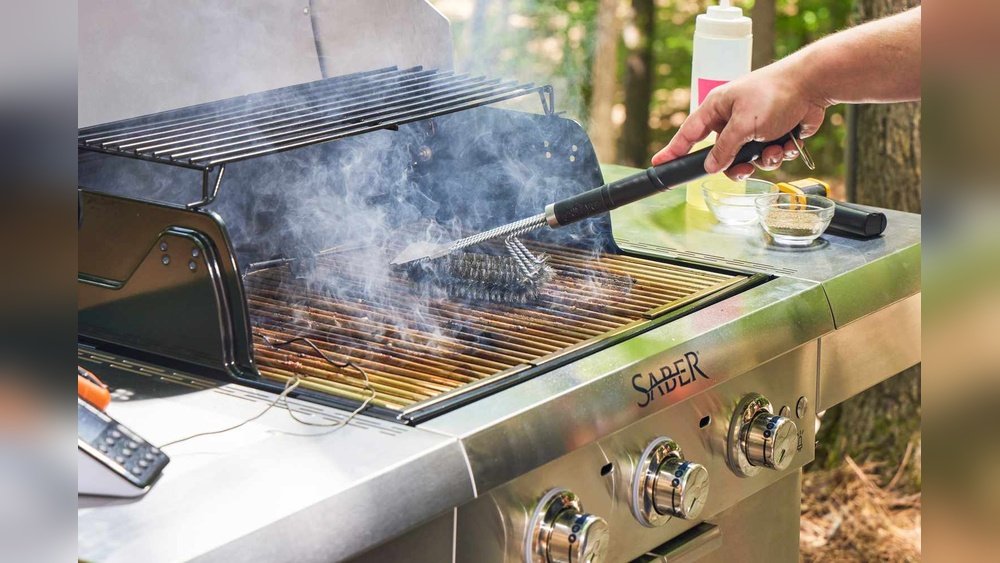
You love firing up your gas grill for delicious meals, but when was the last time you gave it a proper cleaning? A clean grill doesn’t just look better—it cooks better and lasts longer.
If you want juicy steaks and perfectly grilled veggies every time, you need to know how to clean your gas grill the right way. In this guide, you’ll discover simple, effective steps to keep your grill spotless and working like new.
Stick with me, and you’ll be ready to impress your friends with not only great food but a grill that’s in top shape season after season. Let’s dive in!
Safety First
Safety is the top priority before cleaning any gas grill. Proper steps reduce risks of accidents. Follow simple safety rules to protect yourself and your home.
Gas grills use flammable fuel. Careless handling can cause fires or injuries. Take time to prepare safely.
Turn Off Gas Supply
Always turn off the main gas supply valve. This stops fuel flow to the grill. Check the valve handle is fully closed. Never clean with gas running.
Disconnect Gas Line
Unplug the gas hose from the grill. This prevents accidental leaks during cleaning. Use a wrench if needed to loosen the connection. Place the hose safely away from heat and water.
Wear Protective Gear
Put on heat-resistant gloves to protect your hands. Wear safety glasses to shield your eyes from debris. Use a mask if you work with strong cleaners or dust. Dress in old clothes to avoid stains.
Cleaning Grill Grates
Cleaning grill grates is essential for tasty, safe grilling. Grease and food bits build up after every use. This buildup can cause flare-ups and affect the flavor of your food. Regular cleaning keeps your grill working well and extends its life. Follow these simple steps to clean your grill grates properly and enjoy better grilling results.
Remove And Soak Grates
First, make sure your grill is cool. Carefully remove the grates from the grill. Place them in a large container or sink. Fill it with warm water and a mild detergent. Let the grates soak for at least 30 minutes. Soaking loosens stuck-on food and grease, making scrubbing easier.
Scrub With Non-metal Brush
After soaking, use a non-metal brush to scrub the grates. Non-metal brushes prevent damage to the grate’s coating. Scrub all sides to remove any remaining residue. Pay extra attention to corners and edges. This step helps remove tough grime without scratching the surface.
Use Hot Soapy Water
Next, prepare hot soapy water in a bucket or sink. Use a sponge or cloth to clean the grates thoroughly. Rinse with clean water to remove soap and dirt. Dry the grates completely with a towel. Drying prevents rust and keeps your grill ready for the next use.
Burner Maintenance
Burner maintenance is crucial for a gas grill’s performance and safety. Clean burners burn fuel evenly and produce consistent heat. Clogged or dirty burners cause uneven flames or fail to light. Regular checks and cleaning keep your grill ready for cooking any time.
Check For Clogs
Turn off the gas and remove the burner. Look inside the burner holes for blockages. Use a thin wire or pipe cleaner to clear any debris. Dirt, spider webs, or grease often clog the tubes. Clear blockages to ensure proper gas flow and flame.
Clean Burner Tubes
Remove the burner tubes from the grill. Wash tubes with warm, soapy water and a soft brush. Avoid using metal brushes that can damage the surface. Rinse well and dry completely before reinstalling. Clean tubes prevent rust and buildup that affect heat output.
Inspect Electrodes
Electrodes create the spark that lights the burner. Check for dirt, grease, or damage on the electrode tips. Use fine sandpaper or a soft cloth to clean them gently. Dirty electrodes may fail to spark or cause weak ignition. Replace damaged electrodes for safe and reliable lighting.
Cookbox And Interior
The cookbox and interior of a gas grill need regular cleaning to keep your grill safe and efficient. Grease and food debris build up inside. This can cause flare-ups and affect the flavor of your food. Cleaning the inside helps your grill last longer and work better.
Scrape Debris With Plastic Tool
Use a plastic scraper to remove loose debris inside the cookbox. Avoid metal tools that can damage the surface. Gently scrape off burnt food and grease. This clears the base for a deeper clean. Make sure to reach corners and crevices.
Clean Flavorizer Bars
Flavorizer bars sit above the burners and catch drips. Remove them carefully and brush off grease and food bits. Wash with warm soapy water if needed. Dry them fully before placing back. Clean bars help distribute heat evenly and prevent flare-ups.
Empty Grease Management System
Check the grease tray or drip pan under the cookbox. Remove and empty any collected grease. Wash the tray with warm water and mild soap. Dry it well before reinserting. A clean grease system prevents dangerous grease fires and keeps your grill hygienic.
Grease Tray Care
The grease tray is a key part of your gas grill. It catches drips and grease while you cook. Proper care of this tray keeps your grill safe and clean. Regular cleaning stops grease build-up that can cause flare-ups. Follow these steps to keep the grease tray in top shape.
Remove And Dispose Liners
Start by taking out the grease tray liners. These liners collect most of the grease and food bits. Remove them carefully to avoid spills. Wrap the liners in a paper towel or newspaper. Throw them in the trash to keep your grill clean.
Clean Grease Tray Thoroughly
After removing the liners, clean the tray itself. Use warm water and mild soap for best results. Scrub the tray with a soft brush or sponge. Avoid harsh tools that can damage the tray. Rinse well and dry the tray before putting it back.
Avoid Using Foil Liners
Foil liners seem handy but cause problems. They can block grease from draining properly. This leads to grease build-up and fire risks. Use proper grill liners made for grease trays. These help grease flow and keep the tray cleaner longer.
:max_bytes(150000):strip_icc()/how-to-clean-gas-grill-4x3-5b62e9e70e6744a3801396fd46cab07c.jpg)
Credit: www.allrecipes.com
Exterior Cleaning
Keeping the exterior of your gas grill clean helps it look great and last longer. Dirt, grease, and weather can dull the finish and cause damage. Regular cleaning prevents rust and keeps your grill safe to use. Focus on gentle care to protect the surfaces, especially stainless steel parts.
Use Mild Cleaner For Stainless Steel
Choose a mild cleaner made for stainless steel surfaces. Avoid harsh chemicals that can damage the finish. Diluted dish soap and warm water work well for most grills. Apply the cleaner with a soft sponge or cloth. Gently scrub away dirt and grease without scratching.
Wipe With Microfiber Cloth
Use a clean microfiber cloth to wipe down the grill’s exterior. Microfiber traps dirt and grease better than regular cloths. Wipe in the direction of the metal grain to avoid streaks. Rinse the cloth often and change it if it gets too dirty. This step removes residue and leaves the surface smooth.
Polish For Shine
Apply a stainless steel polish or a light oil for extra shine. Use a small amount and spread it evenly with a soft cloth. Polishing protects the surface from fingerprints and water spots. Buff the grill gently until it gleams. This step keeps your grill looking new longer.
Common Mistakes To Avoid
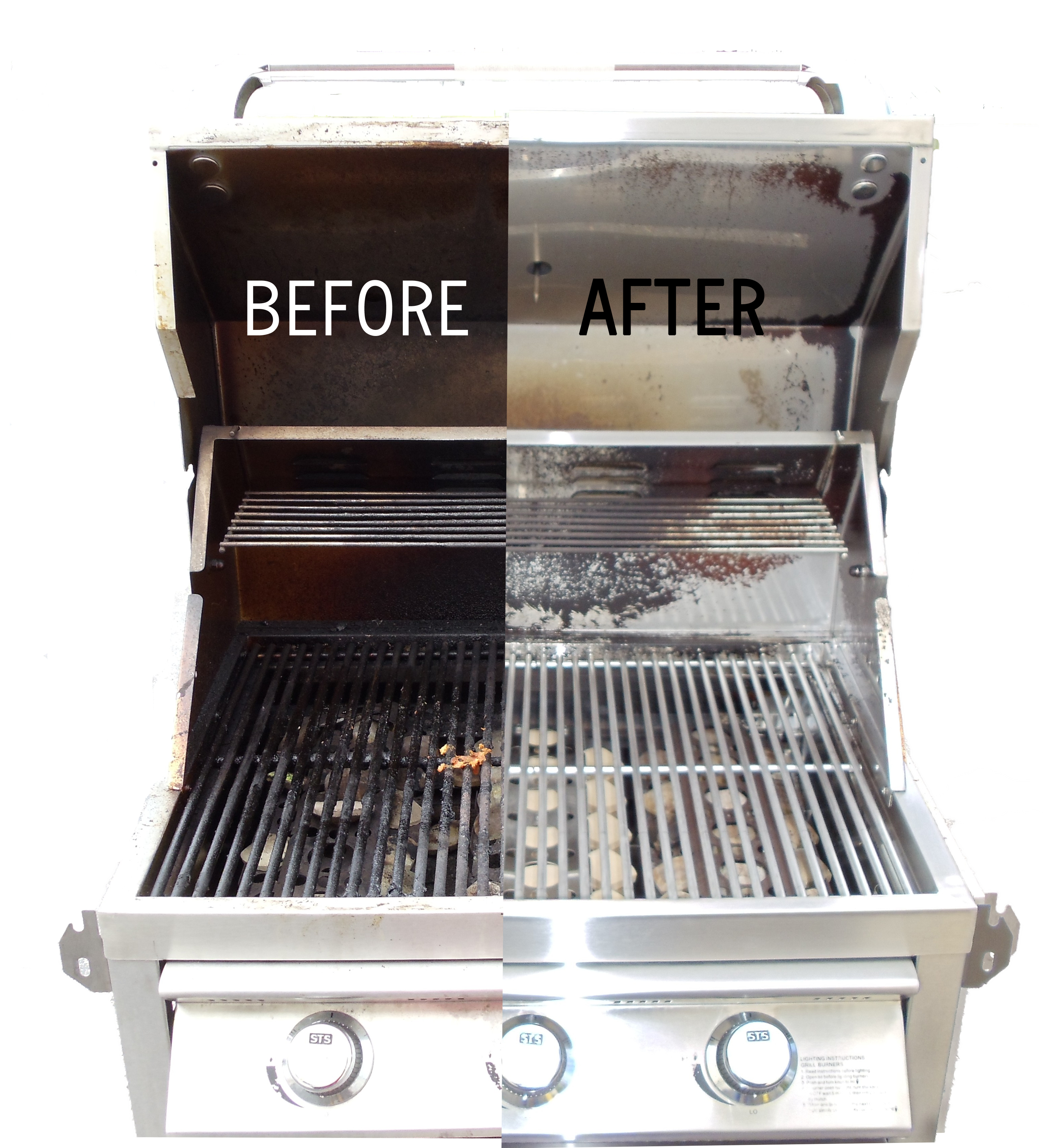
Cleaning a gas grill properly keeps it safe and working well. Many people make simple mistakes that harm their grill or make cleaning harder. Avoiding these mistakes saves time and protects your grill’s parts. Understanding what not to do helps keep your grill in top shape for every cookout.
Using Harsh Chemicals
Strong chemicals can damage your grill’s finish and parts. Avoid bleach or oven cleaners. These can corrode metal and leave harmful residue. Use mild soap or special grill cleaners instead. They clean well without hurting your grill or food safety.
Neglecting Grease Trays
Grease trays catch drippings and fat during cooking. If you ignore them, grease builds up and causes flare-ups. Clean trays regularly to prevent fires and bad smells. Removing old grease also helps keep your grill clean and hygienic.
Scrubbing With Metal Brushes
Metal brushes can scratch grill grates and leave small metal bits behind. These bits may stick to food and pose health risks. Use a nylon or brass brush instead. They clean well without damaging your grill or risking metal contamination.
Credit: www.thebbqdepot.com
Pro Tips For Longevity
Keeping your gas grill in top shape extends its life and improves cooking. Pro tips help maintain your grill for many seasons. Simple habits protect parts and avoid costly repairs. Follow these expert steps to keep your grill safe and efficient.
Regular Deep Cleaning Schedule
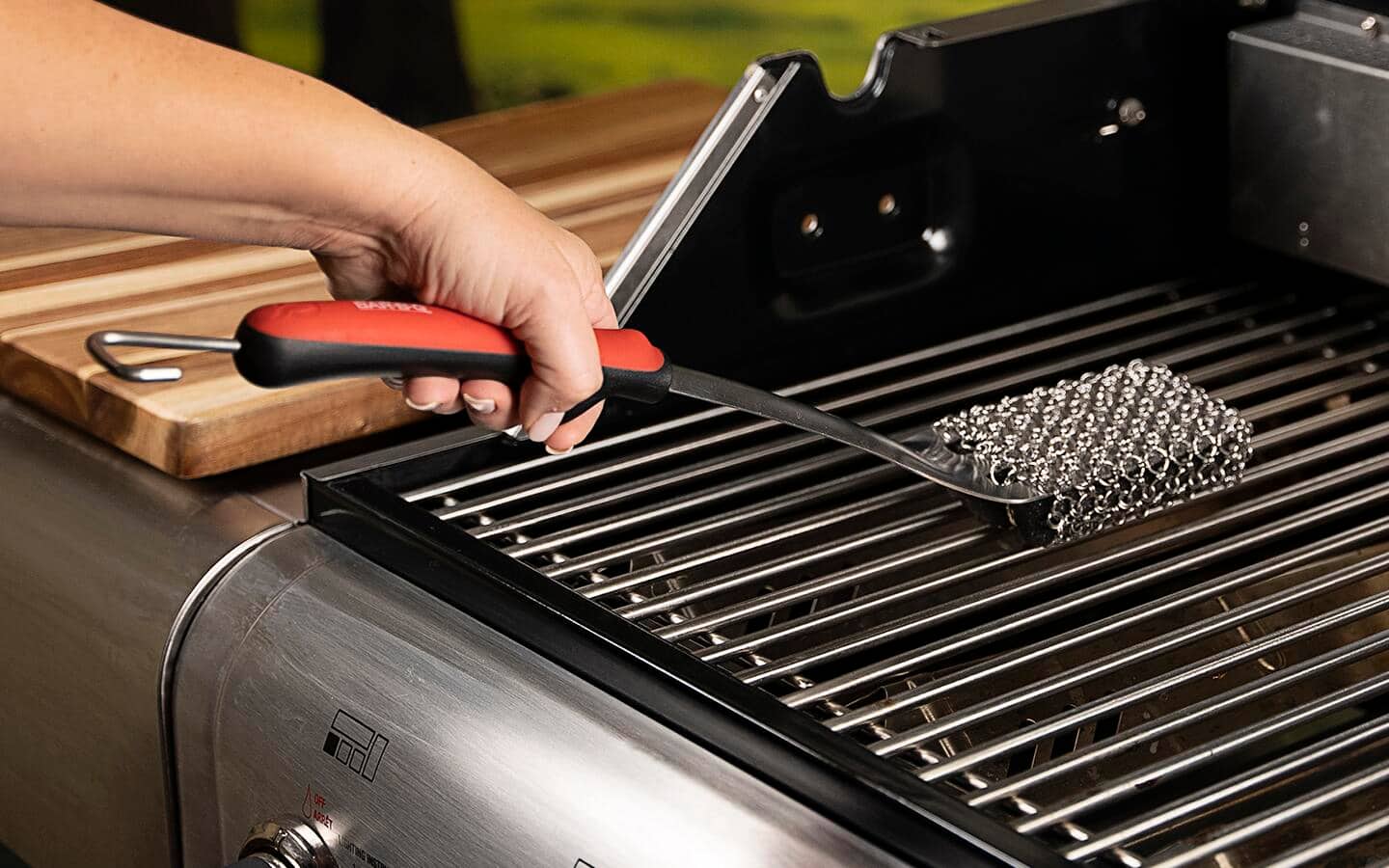
Set a deep cleaning routine every few months. Remove grates, burners, and flavorizer bars for thorough scrubbing. Use a grill brush to clear grease and food scraps. Clean the drip pan and interior surfaces to avoid buildup. A clean grill heats evenly and lasts longer.
Inspect For Leaks
Check gas connections regularly to find leaks early. Mix soap and water, then apply to hoses and joints. Look for bubbles that show escaping gas. Fix leaks immediately to prevent hazards. Proper inspection keeps your grill safe and working well.
Replace Worn Parts
Monitor parts like burners, hoses, and ignition systems for wear. Rust or cracks reduce performance and safety. Swap old parts with new ones from trusted brands. Regular replacement keeps your grill reliable and ready to use. Don’t ignore worn pieces—they affect cooking and safety.
Credit: www.homedepot.com
Frequently Asked Questions
What Is The Easiest Way To Clean A Gas Grill?
Turn off the gas and disconnect it. Scrub grates with a stiff brush and soapy water. Clean burners and scrape the interior. Empty grease tray and wipe the exterior with mild cleaner. Repeat regularly for best results.
What Are Some Common Grill Cleaning Mistakes?
Common grill cleaning mistakes include using harsh chemicals, neglecting grease trays, ignoring burner clogs, cleaning while hot, and skipping gas disconnection.
How To Clean A Napoleon Grill?
Turn off the gas and disconnect the supply. Remove grates and flavorizer bars; scrub with hot, soapy water. Clean burners with a wire brush and scrape the cookbox. Empty and clean the grease tray. Wipe exterior with a mild cleaner and microfiber cloth.
Are You Supposed To Clean The Inside Of A Gas Grill?
Yes, clean the inside of a gas grill regularly to remove grease and debris. This prevents flare-ups and maintains performance.
Conclusion
Cleaning your gas grill regularly keeps it safe and working well. Always turn off the gas and let the grill cool first. Scrape grates and burners to remove leftover food and grease. Don’t forget to clean the grease tray and outside surfaces.
Using simple tools and mild cleaners protects your grill’s parts. A clean grill cooks better and lasts longer. Follow these easy steps to enjoy tasty, safe BBQs every time. Simple care makes grilling more fun and stress-free.