
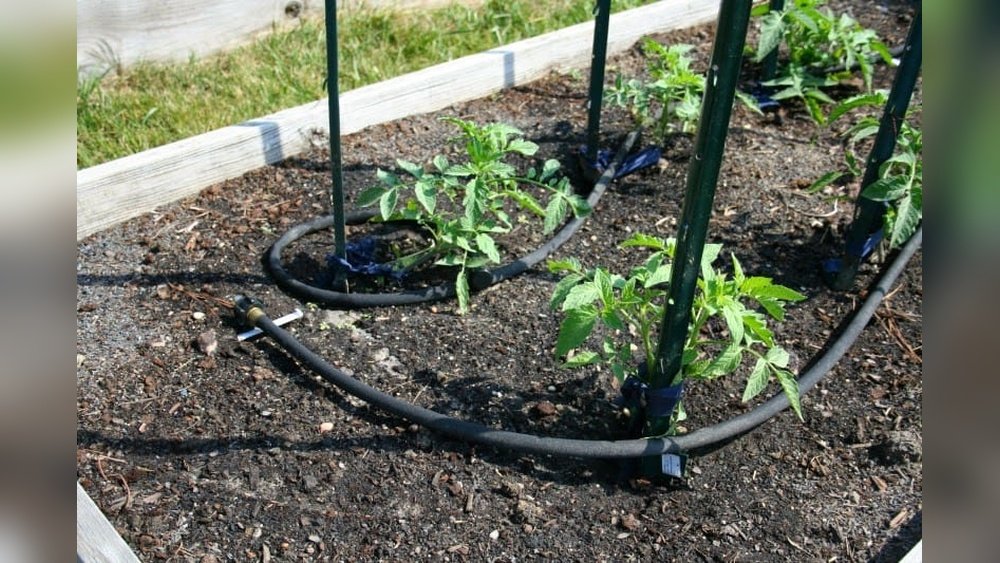
Are you tired of spending hours watering your vegetable garden, only to see uneven growth and wasted water? Setting up a soaker hose could be the simple solution you’ve been searching for.
With the right setup, a soaker hose delivers water directly to your plants’ roots, keeping your garden healthy and your watering routine hassle-free. In this guide, you’ll learn exactly how to install a soaker hose step-by-step, so your veggies get the moisture they need without any fuss.
Keep reading to discover easy tips that will save you time, water, and effort while boosting your garden’s growth.
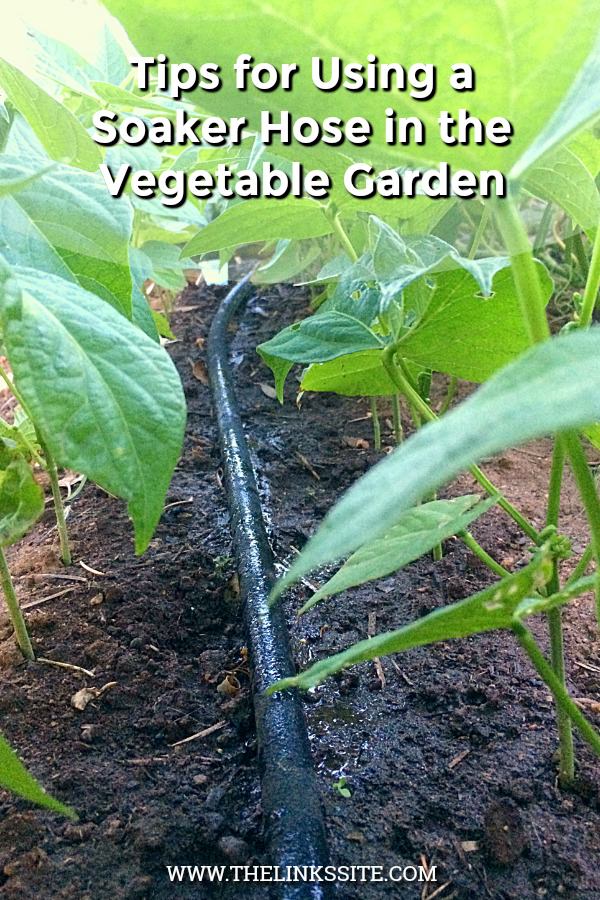
Credit: thelinkssite.com
Choosing The Right Soaker Hose
Choosing the right soaker hose is key for a healthy vegetable garden. The hose must deliver water evenly and safely to your plants. Picking the right hose means understanding different materials, sizes, and safety factors. This helps your garden grow strong and saves water.
Material Options
Soaker hoses come in various materials. Common types include rubber and vinyl. Rubber hoses last longer and resist cracking. Vinyl hoses are lightweight and often cheaper. Some hoses have a fabric cover to protect them from damage. Choose a material that fits your budget and garden needs.
Length And Diameter
Measure your garden beds before buying. Length matters to cover all plants without gaps. Choose a hose long enough to reach all areas. Diameter affects water flow. Common sizes are 1/2 inch or 5/8 inch. Larger diameters deliver more water but need higher pressure. Match hose size to your water source and garden layout.
Water Safety Considerations
Use hoses safe for edible plants. Some hoses contain harmful chemicals like lead or BPA. Look for hoses labeled “food-safe” or “drinking water safe.” These do not leach toxins into soil or plants. Safe hoses protect your vegetables and family health. Always check the product details before purchase.
Planning Your Garden Layout
Planning your garden layout is the first step to a successful soaker hose setup. It helps you water plants evenly and saves water. A clear plan reduces waste and keeps your vegetables healthy. Organize your space carefully before installation.
Measuring Garden Beds
Start by measuring each garden bed’s length and width. Use a tape measure for accuracy. Note down the dimensions on paper. This helps you buy the correct hose length. Measure all beds where you want to water plants.
Mapping Hose Placement
Draw a simple map of your garden beds. Mark where each soaker hose will go. Plan the hose to run near plant roots for best watering. Avoid crossing hoses or leaving gaps without coverage. Keep hose lines straight and close to plants.
Water Source Location
Identify the water source, usually an outdoor faucet. Check its distance from your garden beds. This affects hose length and placement. Plan a path for the hose to reach all beds without kinks. Consider adding a timer or pressure regulator near the source.
Preparing The Garden Bed
Optimizing watering efficiency is essential for a healthy vegetable garden. It saves water and ensures plants get the right amount. Setting up your soaker hose correctly helps reduce water waste. Follow these simple tips to get the best results.
Adjusting Water Pressure
Water pressure affects how well your soaker hose works. Too much pressure can cause water to spray out quickly. Too little pressure means water may not reach all plants. Use a pressure regulator to keep water flow steady. Check your hose often for leaks or blockages. Adjust the pressure until water seeps out evenly along the hose.
Using Timers And Valves
Timers make watering easier and more consistent. Set your timer to water early in the morning or late at night. This reduces water loss from evaporation. Valves help control which parts of your garden get water. Use valves to turn off sections that do not need watering. This saves water and targets plants that require more moisture.
Burying Or Covering Hose
Covering your soaker hose keeps water where plants need it. Bury the hose slightly under mulch or soil. This reduces evaporation and helps water reach roots. Mulch also keeps soil cool and moist. Avoid burying the hose too deep to prevent clogging. Covering your hose protects it and improves watering efficiency.
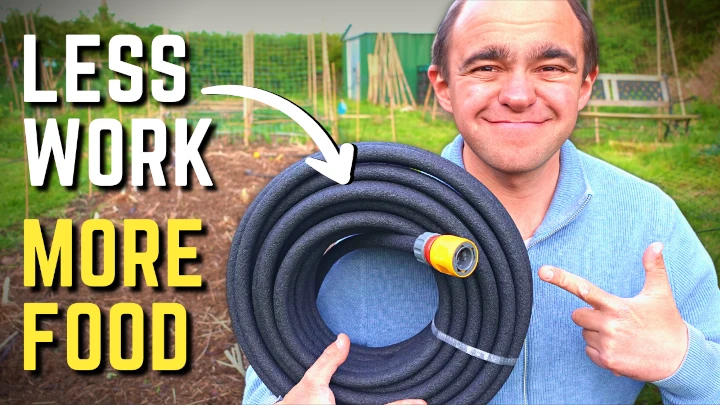
Credit: www.alexgrowsfood.com
Installing The Soaker Hose
Maintaining your soaker hose ensures consistent watering and a healthy vegetable garden. Regular checks help spot problems early. Troubleshooting keeps the system running smoothly all season.
Checking For Leaks
Inspect your soaker hose for wet spots along its length. These indicate leaks or holes. Turn on the water and watch carefully. Repair small leaks with waterproof tape or hose menders. Replace sections with large damage to avoid water waste.
Cleaning The Hose
Flush the soaker hose to remove dirt and mineral buildup. Disconnect it from the faucet and run clean water through it backward. This clears blockages inside the tiny pores. Clean your hose at least once a season for steady water flow.
Seasonal Storage Tips
Drain all water from the hose before storing. Coil the hose loosely to prevent kinks. Store it in a cool, dry place away from direct sunlight. Proper storage extends the hose life and prevents cracking during cold months.
Optimizing Watering Efficiency
Maximizing vegetable growth in your garden starts with proper watering techniques. A soaker hose delivers water slowly and evenly, helping roots absorb moisture well. This method reduces water waste and keeps plants healthy. Follow these key steps to get the most from your soaker hose setup.
Watering Schedule
Water your vegetable garden early in the morning. This allows plants to dry during the day and prevents disease. Soaker hoses work best with deep, infrequent watering. Aim for 30 to 60 minutes per session, two to three times per week. Adjust timing based on weather and soil type. Consistent watering encourages strong root growth and steady vegetable production.
Soil Moisture Monitoring
Check soil moisture regularly to avoid over or underwatering. Stick your finger about two inches into the soil near plants. The soil should feel moist but not soggy. Use a soil moisture meter for more accuracy. Proper moisture levels keep vegetables healthy and prevent root rot. Adjust watering times based on these readings.
Combining With Fertilization
Use liquid fertilizer through the soaker hose to feed plants efficiently. Dilute fertilizer according to package instructions before adding it to the water source. This method delivers nutrients directly to the root zone. Fertilizing while watering saves time and promotes better nutrient absorption. Be sure not to over-fertilize, which can harm your vegetables.
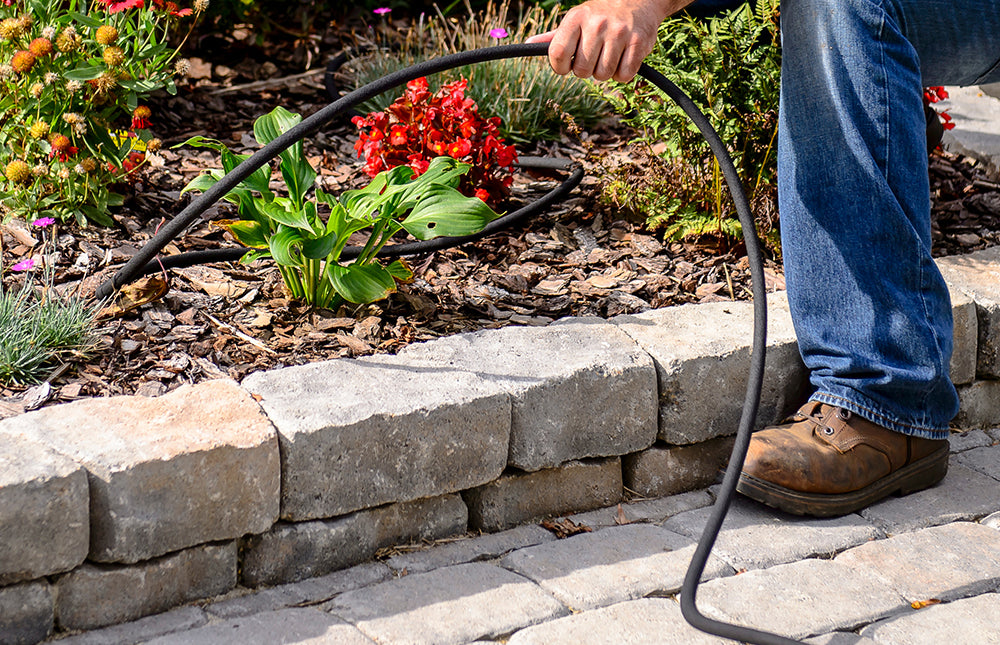
Credit: swanhose.com
Frequently Asked Questions
How To Use A Soaker Hose In A Vegetable Garden?
Lay the soaker hose along vegetable rows, connecting it to a faucet with a garden hose. Cover with mulch. Turn on water low to soak soil evenly. Water for 30-60 minutes depending on soil type and plant needs.
Are Soaker Hoses Safe For Vegetable Gardens?
Soaker hoses are safe for vegetable gardens when made from non-toxic materials like FDA-grade polyurethane. They deliver water directly to roots, reducing disease risk and conserving water. Ensure proper installation and avoid hoses with harmful chemicals for healthy, safe vegetable growth.
How Long Should You Water A Vegetable Garden With A Soaker Hose?
Water your vegetable garden with a soaker hose for about 1 to 2 hours per session. Adjust time based on soil type and plant needs. Soaker hoses deliver slow, deep watering that promotes healthy roots and conserves water. Check soil moisture regularly to avoid overwatering.
How Deep Should A Soaker Hose Be Buried?
Bury soaker hoses 1 to 2 inches deep to protect them and ensure water reaches plant roots efficiently.
Conclusion
Setting up a soaker hose helps water plants evenly and saves time. Measure your garden and plan the hose layout carefully. Connect the hose to a water source and check for leaks. Cover the hose with mulch to keep moisture in the soil.
Water your vegetables early in the morning or late afternoon for best results. With simple steps, you can keep your garden healthy and hydrated. Give your plants the water they need without waste or fuss.