
Losing power unexpectedly can disrupt your day and cause frustration. If you have a generator, you already know it’s a reliable backup—but do you know how to safely transfer that generator power to your home’s circuits?
Getting this right means you can keep essential appliances running without risking damage or danger. In this guide, you’ll learn simple, clear steps to connect your generator to your circuits using a transfer switch or manual methods. By following these tips, you’ll gain control over your power supply and avoid costly mistakes.
Ready to keep your lights on no matter what? Let’s dive in.
Generator Basics
Understanding the basics of generators is key to safely transferring power to circuits. Generators produce electrical energy by converting mechanical energy. This energy can power homes, tools, and appliances during outages or remote work. Knowing how generators work helps prevent damage and ensures efficient use.
Types Of Generators
There are several types of generators. Portable generators are small and easy to move. They suit outdoor activities and emergency power. Standby generators are larger and connect directly to a home’s electrical system. They start automatically during power loss. Inverter generators produce clean power, ideal for sensitive electronics.
Generator Components
A generator has key parts working together. The engine burns fuel to create motion. The alternator converts motion into electrical energy. The fuel system supplies gasoline, diesel, or propane. The voltage regulator controls output voltage. The cooling system prevents overheating. The control panel allows monitoring and operation.
Power Output And Capacity
Generators have different power outputs measured in watts. The capacity determines how many devices can run simultaneously. Running too many devices can overload the generator. Always check the wattage of appliances before connecting. Choose a generator with enough capacity for your needs.
Credit: www.homedepot.com
Safety Precautions
Safety is the top priority when transferring generator power to circuits. Improper handling can cause serious injury or damage. Follow key precautions to protect yourself and your home. Simple steps help ensure a safe power transfer process.
Avoiding Back-feed
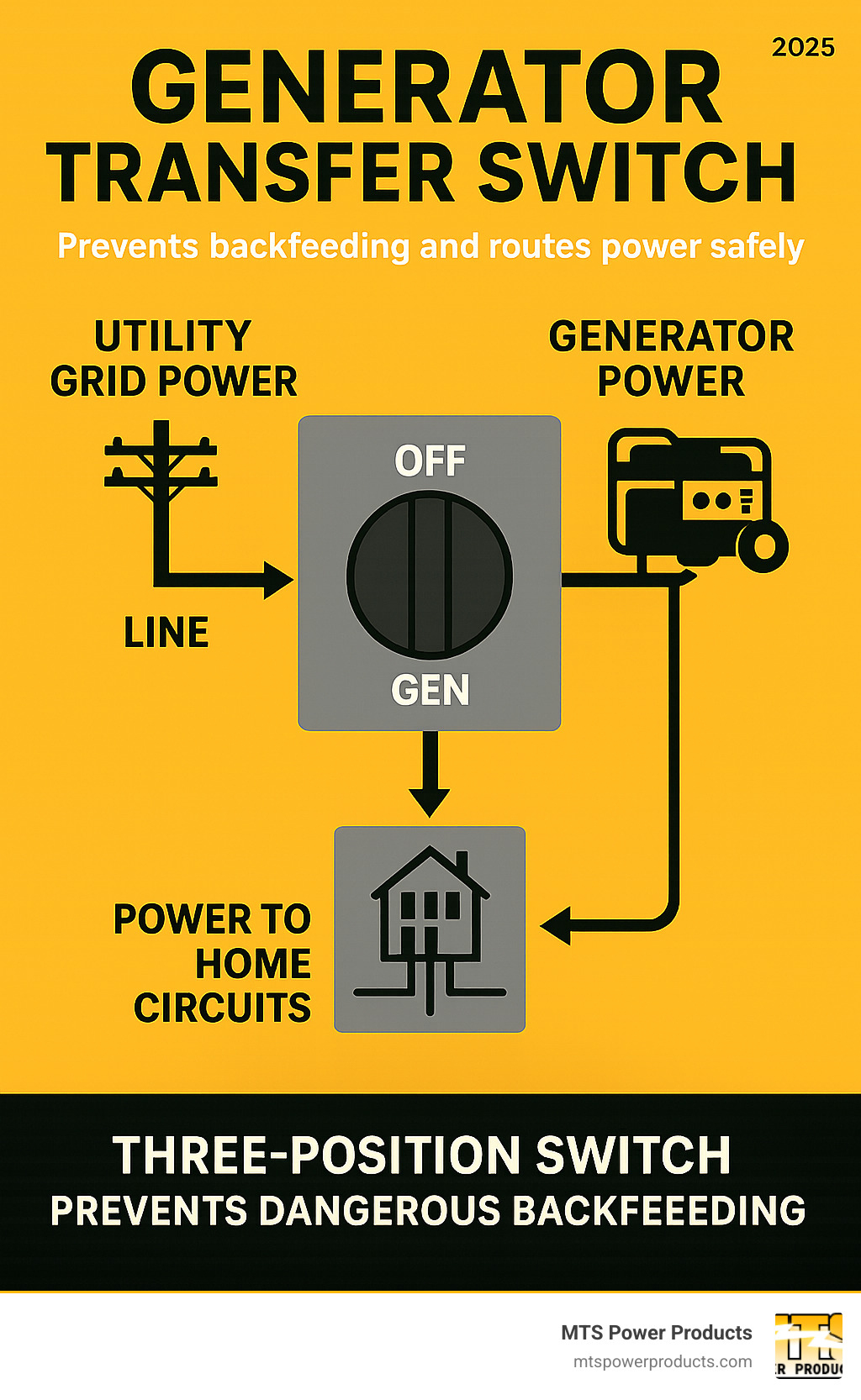
Back-feed happens when generator power flows back into the utility lines. This creates a risk for utility workers and neighbors. Always use a transfer switch to isolate your circuits from the grid. Never plug a generator directly into a wall outlet. This prevents dangerous back-feed and keeps everyone safe.
Proper Grounding
Grounding the generator is essential to avoid electric shock. Connect the generator’s ground wire to a proper grounding rod or system. Check the manual for grounding instructions specific to your model. Proper grounding stabilizes electricity and protects you from faults.
Outdoor Placement
Generators produce harmful exhaust gases like carbon monoxide. Always place the generator outdoors in a well-ventilated area. Keep it away from doors, windows, and vents. Avoid using a generator inside a garage or basement. Outdoor placement reduces the risk of poisoning and fire hazards.
Transfer Switch Options
Choosing the right transfer switch is key to safely powering your circuits with a generator. Transfer switches control the flow of electricity from your generator to your home. They prevent backfeeding, which can be dangerous for utility workers and your equipment. There are three main types: manual transfer switches, automatic transfer switches, and interlock kits. Each option fits different needs and budgets.
Manual Transfer Switch
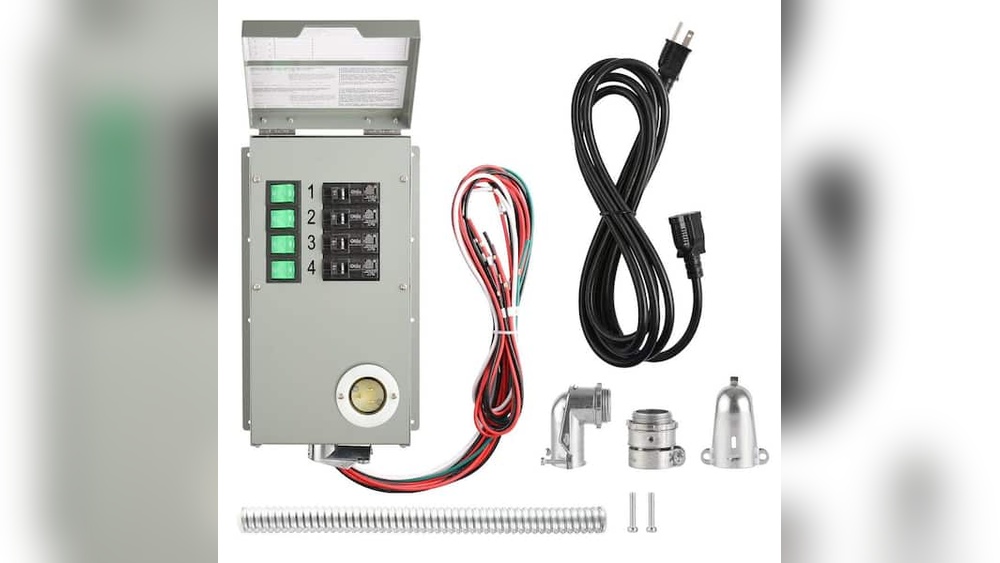
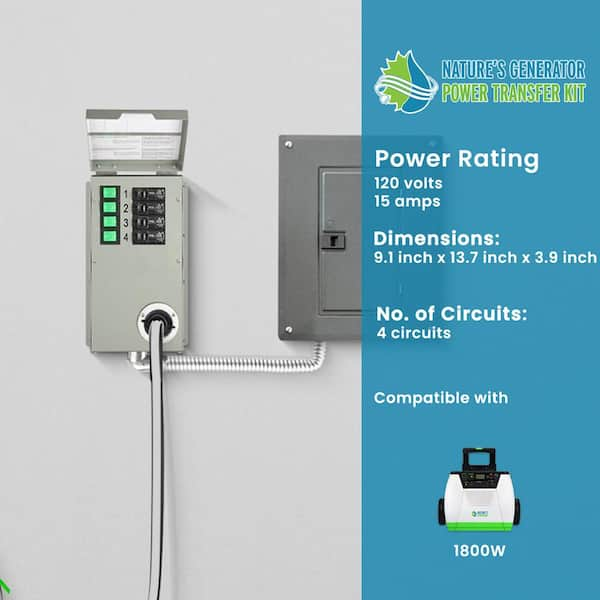
A manual transfer switch requires you to switch power sources by hand. You connect the generator to the switch using a power cord. Then, you turn off the main breaker and flip the transfer switch to generator mode. This method is simple and affordable. It works well for powering only essential circuits during an outage.
Automatic Transfer Switch
An automatic transfer switch senses power loss and switches to generator power on its own. When utility power returns, it switches back automatically. This option offers convenience and safety. It keeps your home powered without any action needed from you. Automatic switches are common in whole-house backup systems.
Interlock Kits
Interlock kits are a budget-friendly way to connect a generator to your main panel. They use a mechanical device to prevent the main breaker and generator breaker from being on simultaneously. This ensures safe power transfer without a separate transfer switch. Installation is simpler but requires careful attention to electrical codes.
Preparing Your Home Circuits
Preparing your home circuits is a crucial step before transferring generator power. This process ensures safety and efficient power distribution. Taking the time to prepare prevents overloads and damage. It also helps you keep essential appliances running during outages.
Identifying Critical Circuits
First, list the circuits that need power during an outage. Focus on essentials like refrigerators, lights, and medical devices. Mark these circuits on your panel for easy access. This prioritization helps you manage power use effectively. Only power what is necessary to avoid overloading the generator.
Turning Off Heavy Loads
Switch off appliances that draw a lot of power. Examples include air conditioners, water heaters, and electric ovens. Turning these off reduces the risk of tripping breakers. It also prevents damage to your generator. Keep heavy loads off until utility power returns.
Panel Inspection
Check your electrical panel for any signs of damage or wear. Look for loose wires, rust, or burned areas. Ensure all breakers are labeled clearly. This inspection helps you avoid hazards during power transfer. If unsure, consult a licensed electrician for help.
Connecting Generator To Transfer Switch
Connecting a generator to a transfer switch is a safe and effective way to supply power during outages. The transfer switch acts as a bridge between your generator and home circuits. It prevents backfeeding, which can be dangerous to utility workers and your equipment. This section explains the key steps to connect your generator properly.
Using Generator Cords
Choose a heavy-duty generator cord rated for your generator’s output. The cord must match the transfer switch inlet size. Always use cords designed for outdoor use and weather resistance. Plug one end of the cord into the generator outlet. Connect the other end to the transfer switch inlet. Ensure the cord is free from damage or cuts before use.
Wiring Steps
Turn off the main breaker in your home electrical panel. Connect the transfer switch to your home circuits by following the manufacturer’s wiring diagram. Attach the transfer switch wires to the circuit breakers you want to power. Connect the transfer switch inlet to the generator cord connection. Double-check all connections for proper placement and tightness. Keep wiring neat to avoid confusion and hazards.
Securing Connections
Use wire nuts or terminal connectors to secure all wire ends. Tighten screws firmly on the transfer switch terminals. Cover exposed wires with electrical tape for extra safety. Ensure the generator cord connection is snug and locked in place. Avoid loose connections that can cause sparks or power loss. Regularly inspect connections for wear and corrosion.

Credit: ca.naturesgenerator.com
Operating The Transfer Switch
Operating the transfer switch is a key step in safely powering your circuits with a generator. This device controls the flow of electricity from the generator to your home’s wiring. It prevents dangerous back-feed to the utility lines and ensures only selected circuits receive power. Understanding how to use the transfer switch correctly helps protect your home and electrical system.
Starting The Generator
Place the generator outdoors in a well-ventilated area. Check fuel and oil levels before starting. Turn on the fuel valve, then switch the engine to the “On” position. Pull the starter cord or press the electric start button. Let the generator run for a few minutes to stabilize.
Switching Circuits To Generator Power
Open your main electrical panel and locate the transfer switch. Flip the switch from “Line” to “Generator” position carefully. This action disconnects the home from the utility power. Turn on the circuits you want to power one by one. Only these circuits will receive electricity from the generator.
Managing Load Distribution
Check the generator’s wattage rating and avoid overloading it. Prioritize essential circuits like refrigerators and lights first. Turn off heavy appliances that consume a lot of power. Spread out the load evenly across circuits to keep the generator stable. Monitor the generator during use to prevent overheating or shutdown.
Load Calculation Tips
Calculating the electrical load is a key step before transferring generator power to your circuits. Knowing how much power your devices need helps avoid damage and power failures. Accurate load calculation ensures your generator runs smoothly and safely.
Use these tips to measure and manage your power load effectively. This helps protect your generator and keeps essential circuits powered.
Estimating Power Needs
Start by listing all appliances and devices you want to power. Check each item’s wattage on the label or manual. Add up the wattage of all devices to get your total power need. Include starting watts for motors, like refrigerators or pumps. This number is usually higher than running watts. Always round up to give your generator extra capacity.
Avoiding Overloads
Never run your generator beyond its rated capacity. Overloading causes the generator to shut down or damage circuits. Turn off non-essential devices before starting the generator. Use a transfer switch to control which circuits get power. Monitor the load regularly to keep it within limits. This practice extends the generator’s life and prevents blackouts.
Prioritizing Circuits
Identify the most important circuits to power first. Essential circuits include refrigerators, lights, and medical devices. Less critical circuits, like air conditioning, can wait. Use your transfer switch to select circuits based on priority. This approach ensures you have power for vital needs during outages. Plan your load so essential devices never lose power.
Common Issues And Troubleshooting
Transferring generator power to your home’s circuits can face some common issues. Knowing how to troubleshoot these problems helps keep your power running smoothly. This section covers typical problems and simple solutions.
Generator Won’t Start
Check the fuel level first. Empty tanks cause no start issues. Make sure the choke is in the correct position. Old or stale fuel can block the engine. Inspect the spark plug for dirt or damage. Tighten any loose connections on the starter. Sometimes, a weak battery can prevent startup. Try a fresh battery or charge the existing one.
No Power To Circuits
Confirm the generator is running steadily. Check that the transfer switch is set to generator power. Look for tripped breakers in the main panel. Make sure the circuits you want powered are switched on. Inspect generator outlets and cords for damage or loose plugs. Avoid overloading the generator with too many devices. Disconnect some loads and test the power again.
Transfer Switch Problems
Transfer switches can fail or get stuck. Listen for unusual noises during the switch operation. Check for loose wiring connections inside the switch box. Reset or replace any tripped breakers in the transfer switch. Dirt and dust can block contacts; clean them carefully. If the switch does not transfer power, call a qualified electrician. Do not attempt major repairs without proper knowledge.
Maintenance And Testing
Maintenance and testing keep your generator and transfer system reliable. Regular care prevents unexpected failures. It ensures safe power transfer to your circuits. Follow these steps to maintain and test your setup effectively.
Regular Generator Checks
Check the generator oil level before use. Inspect fuel and coolant to avoid damage. Clean or replace air filters regularly. Look for leaks or loose parts. Tighten connections to prevent power loss.
Transfer Switch Inspection
Examine the transfer switch for wear or damage. Ensure all switches move smoothly without resistance. Check wiring for corrosion or loose connections. Clean contacts to maintain good electrical flow. Replace faulty parts immediately.
Test Runs
Run the generator under load every month. Simulate a power outage to test transfer switch function. Listen for unusual noises or vibrations. Check voltage output matches your circuit needs. Record test results for future reference.
Credit: mtspowerproducts.com
Frequently Asked Questions
How To Power A Circuit With A Generator?
Connect the generator to a transfer switch or inlet box. Start the generator outside. Flip breakers to generator power. Activate desired circuits only.
What Is The 80% Rule For Generators?
The 80% rule for generators means running them at no more than 80% of their rated capacity. This prevents overheating and extends generator life.
What Is The 20/20/20 Rule For Generators?
The 20/20/20 rule for generators means running the generator at 20% load for 20 minutes every 20 days. This maintains engine health and prevents fuel issues.
How To Connect Generator To House Circuit?
Connect the generator to a manual transfer switch using a generator cord. Start it outdoors. Switch the transfer from “Line” to “Generator. ” Turn on desired circuits one by one.
Conclusion
Transferring generator power to circuits keeps your home safe during outages. Always use a transfer switch to avoid electrical risks. Start the generator outside for safety and connect it properly. Switch circuits one by one to control power flow. This simple process ensures essential devices stay powered.
Following these steps helps maintain comfort and security. Remember, careful setup prevents damage and keeps everyone safe. Stay prepared and confident during power interruptions with the right approach.