
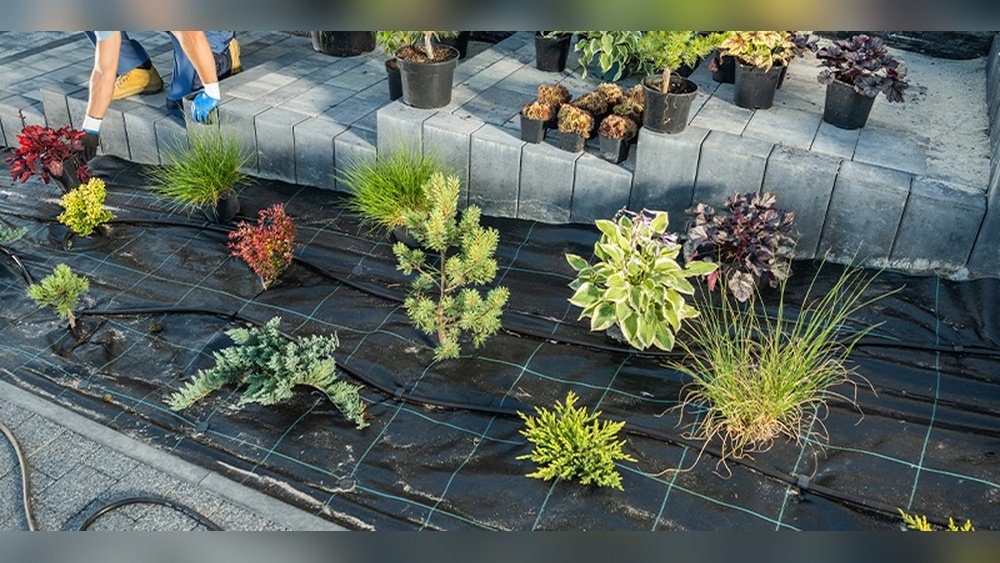
When you look at a garden with clean, weed-free beds and healthy plants, there’s a good chance that landscape fabric plays a role. Many homeowners and landscapers use it to save time, reduce work, and maintain a neat appearance. But if you ask around, you’ll hear mixed opinions—some say it’s a miracle, others call it a problem. The truth is, using landscape fabric correctly makes a world of difference. Done right, it can help you control weeds, conserve water, and improve plant health. Done wrong, it can create headaches and even harm your garden.
This guide will show you how to use landscape fabric the right way. You’ll learn which types to choose, how to install them, and smart tips most beginners miss. Along the way, you’ll find practical advice, real examples, and clear steps.
Whether you want to cover a flower bed, a pathway, or a vegetable plot, these insights will help you get the most from your efforts.
What Is Landscape Fabric?
Landscape fabric is a material used to block weeds while letting water and air reach the soil. Most types are made from woven or non-woven polypropylene, polyester, or other synthetic fibers. You may also see biodegradable options made from natural fibers.
Gardeners use it under mulch, gravel, or decorative stones. It’s popular because it can keep weeds down for several years with little maintenance. It also helps the soil keep moisture and temperature steady.
Types Of Landscape Fabric
Choosing the right type is key for your project. Here’s a comparison of common types:
| Type | Main Material | Best For | Pros | Cons |
|---|---|---|---|---|
| Woven | Polypropylene/Polyester | Flower beds, shrubs | Strong, durable, good water flow | Can fray when cut |
| Non-woven | Bonded synthetic fibers | Paths, rock gardens | Blocks more weeds, easy to cut | Poorer water flow |
| Biodegradable | Jute, coir, paper | Vegetable gardens | Eco-friendly, breaks down | Short lifespan, less durable |
Woven fabric is the most popular for home gardens. It’s strong and allows water through, but it may fray at the edges. Non-woven fabric is thicker and blocks more weeds, but sometimes it holds water on top, which can be a problem for some plants. Biodegradable fabric is best if you want to add it to your compost later or avoid plastics.
Why Use Landscape Fabric?
Many gardeners wonder if landscape fabric is worth it. Here are some reasons it’s often a good investment:
- Weed control: It reduces the need for chemical herbicides and hours of manual weeding.
- Moisture conservation: It helps soil hold water, reducing the need for frequent irrigation.
- Soil temperature: It keeps roots cooler in summer and warmer in winter.
- Cleaner beds: Mulch or stone stays in place longer, making beds look tidy.
- Erosion prevention: It holds soil in place on slopes or in heavy rain.
However, landscape fabric is not magic. It doesn’t stop all weeds forever, and it must be installed and maintained properly. Roots, debris, and certain weeds can break through or grow on top if ignored.
When Should You Use (or Avoid) Landscape Fabric?
Before you buy and install, it’s smart to think about when landscape fabric is the right solution—and when it’s not.
Good Times To Use It
- Under mulch in shrub and flower beds: It works well for permanent plantings where you don’t dig often.
- Beneath gravel or decorative stone: Keeps rocks clean and stops weeds from popping up.
- On garden paths: Reduces mud, weeds, and maintenance.
- In erosion-prone spots: Holds soil on slopes or banks.
When To Avoid
- Vegetable gardens: If you plant different crops each year, fabric can get in the way.
- Annual flower beds: Moving and replanting can damage the fabric.
- Areas with spreading perennials: Plants like mint or strawberries send out runners that can get trapped.
A common mistake is using fabric where you plan to change or dig often. It’s also not a good idea in places with very heavy clay or poor drainage. Water can build up and create soggy, unhealthy soil.
Choosing The Right Landscape Fabric
Not all landscape fabrics are equal. Here’s how to pick the best one for your needs:
Consider Your Project
- For mulched beds with shrubs or perennials, go for medium-weight woven fabric (usually 3–5 oz per square yard).
- For gravel paths or driveways, choose heavy-duty woven or thick non-woven geotextile.
- For vegetable gardens, try biodegradable options like paper or natural fiber.
Check The Permeability
Water and air must pass through to reach plant roots. Avoid plastic sheets or very dense fabrics unless you want to block all moisture (for example, under stone paths).
Uv Resistance
If the fabric will be exposed to sunlight before you add mulch or stone, pick a UV-resistant type. Sunlight breaks down regular fabrics quickly.
Size And Roll Length
Most landscape fabric comes in rolls from 3 to 6 feet wide and up to 300 feet long. Buy enough to cover your area with some extra for overlap and trimming.
Look For Quality Marks
Check for reputable brands and read reviews. Cheap, thin fabric often tears or breaks down after one season.
Credit: www.wa-rock.com
Preparing The Area For Landscape Fabric
How you prepare your garden or path before installing fabric makes a big difference in the results. Here’s what to do:
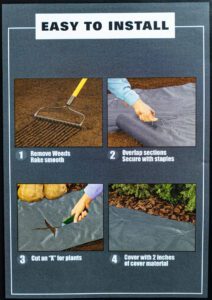
1. Clear The Area
Remove all weeds, grass, roots, and debris. Use a hoe, rake, or even a flame weeder if needed. Do not skip this step—fabric does not kill established weeds; it only slows new ones.
2. Level The Ground
Smooth out bumps and fill low spots so the fabric lays flat. This avoids water pooling and keeps mulch or stone even.
3. Amend The Soil
If you want to add compost, fertilizer, or soil amendments, do it now. Once the fabric is down, it’s hard to add anything below.
4. Water The Soil
Lightly water the soil so it’s moist but not muddy. This helps settle the surface and gives plants a good start.
5. Edging (optional)
Consider adding edging (like metal, plastic, or stone) around the area. This helps hold fabric and mulch in place and gives a clean border.
Step-by-step: How To Install Landscape Fabric
Getting this right the first time saves hours of trouble later. Here’s a detailed guide:
1. Measure And Cut
- Measure the area to cover.
- Unroll the fabric and cut to fit with sharp scissors or a utility knife.
- Leave 3–6 inches extra around the edges for overlap.
2. Lay Out The Fabric
- Place the fabric with the smooth side up (most brands print “this side up”).
- Overlap seams by at least 6 inches to block weeds.
3. Secure The Edges
- Use landscape pins or staples every 12–18 inches along edges and seams.
- On windy days, pin as you go to keep fabric from blowing away.
4. Cut Holes For Plants
- For existing plants, cut an X or slit just big enough to slip over the base.
- For new plantings, plant first, then cut a cross in the fabric, fold back the flaps, and tuck them under after planting.
5. Cover With Mulch Or Stone
- Spread 2–3 inches of mulch, bark, gravel, or stone on top.
- This holds the fabric down, blocks UV light, and improves appearance.
6. Water And Finish
- Water well to help mulch settle and start the growing season strong.
- Check that all edges are buried and seams are tight.
Here’s a quick overview of the main steps:
| Step | Action | Key Tip |
|---|---|---|
| 1 | Clear/level area | Remove all weeds and roots |
| 2 | Cut fabric to size | Leave extra for overlap |
| 3 | Lay and pin fabric | Use plenty of pins |
| 4 | Plant and cut holes | Cut just big enough for stems |
| 5 | Cover with mulch | 2–3 inches for best results |
Common Mistakes (and How To Avoid Them)
Many people use landscape fabric, but not everyone gets good results. Here are mistakes to watch out for:
1. Skipping Weed Removal
Fabric does not kill weeds already in the soil. If you leave roots or shoots, they can grow right through or under the fabric.
2. Not Overlapping Seams
If you butt two pieces together, weeds can slip through the gap. Always overlap by at least 6 inches.
3. Using Too Little Mulch
Thin mulch lets sunlight reach the fabric, causing it to break down. Use at least 2–3 inches of cover for protection.
4. Choosing The Wrong Fabric
Heavy-duty types are good for paths, but too dense for flower beds. Match the fabric to the use.
5. Ignoring Edges
If you leave edges exposed, wind, rain, and weeds will find their way in. Always bury or secure edges.
6. Forgetting Long-term Care
Fabric can get clogged with soil or mulch over time, reducing water flow. Check and refresh mulch each year.
7. Planting Mistakes
Cutting holes too large lets weeds in. Always cut just enough to fit the plant’s stem.
How To Maintain Beds With Landscape Fabric
Once you’ve installed landscape fabric, it’s not “set and forget.” Here’s what you need to do to keep it working:
Refresh Mulch
Each year, add a thin layer of new mulch to keep coverage at 2–3 inches. This blocks sunlight and keeps the fabric hidden.
Inspect For Weeds
Check the surface for weeds, especially near plant holes and edges. Pull any weeds as soon as you see them—roots are usually shallow.
Fix Damaged Spots
If animals, tools, or wind lift the fabric, pin it back down right away. Patch small holes with leftover fabric.
Watch For Soil Buildup
Over time, mulch breaks down and forms a thin layer of soil on top of the fabric. This “mulch soil” can support weeds. Rake off excess mulch and replace it as needed.
Check Drainage
If you see puddles or slow water absorption, gently lift the mulch and clear any blocked spots. In heavy clay soils, consider poking small holes to improve drainage.
:strip_icc()/placing-landscaping-fabric-ground-95954a32-b7d29d8115f3482da51077f4783a59e8.jpg)
Credit: www.bhg.com
When And How To Replace Landscape Fabric
Good landscape fabric lasts 5–10 years, depending on quality and use. Over time, it can clog, tear, or break down. Here’s when and how to replace it:
Signs It’s Time
- Frequent weeds growing through or on top
- Mulch won’t stay in place
- Fabric tears easily when touched
- Water pools or soil smells sour
How To Remove And Replace
- Remove mulch or stone: Use a rake or shovel.
- Pull up old fabric: Wear gloves—it may be brittle or stuck to roots.
- Fix the soil: Remove roots, add compost, and level the area.
- Install new fabric: Follow the same steps as before.
- Add fresh mulch or stone: This is a good time to refresh your bed’s look.
Many gardeners are surprised by how much better beds look and perform after replacing old fabric. Plants often grow better, and maintenance gets easier.
Landscape Fabric Vs. Other Weed Barriers
Landscape fabric is not the only way to block weeds. Here’s how it compares to other common options:
| Barrier Type | Weed Control | Water/Air Flow | Lifespan | Best Use |
|---|---|---|---|---|
| Landscape fabric | Very good | Good | 5–10 years | Mulched beds, paths |
| Plastic sheeting | Excellent | Poor | 3–5 years | Under rock, no plants |
| Cardboard/newspaper | Good (short-term) | Excellent | 1 season | Vegetable beds, quick fixes |
| Bare mulch | Fair | Excellent | 1–2 years | Annual or perennial beds |
| Natural fiber mats | Good | Good | 1–2 years | Organic gardens |
Landscape fabric stands out for durability and low maintenance. However, for eco-friendly gardens or annual beds, cardboard, newspaper, or natural fiber mats can be better.
:max_bytes(150000):strip_icc()/install-landscape-fabric-for-weed-control-3a-12d3d7ebc35140519f03841f32694dea.jpg)
Credit: www.thespruce.com
Non-obvious Tips For Using Landscape Fabric
Many people miss these simple but powerful tips:
1. Use Double Layers In Tough Spots
In areas with aggressive weeds like Bermuda grass or bindweed, use two layers of fabric or a layer of cardboard under the fabric. This adds extra protection.
2. Label Planting Spots
When you cut holes for plants, mark their spots with small stakes or tags. This makes future replanting or dividing much easier.
3. Avoid Fabric Around Trees
For large trees, avoid placing fabric close to the trunk. It can hold moisture against the bark, causing rot.
4. Don’t Cover Drip Irrigation Lines
Install drip or soaker hoses under the fabric, not on top. This puts water right at the roots and keeps hoses out of sight.
5. Leave Room For Growth
Plants and shrubs grow wider over time. Cut holes big enough for future growth, but not so large that weeds can sneak in.
6. Use Sharp Tools
Dull scissors or knives can fray fabric edges, making them weak. Use a sharp utility knife for clean cuts.
7. Plan For Access
If you need to reach buried pipes, cables, or valves, leave an “access path” or mark the location before installing fabric.
Real-world Examples: Successes And Lessons Learned
Seeing how others use landscape fabric can help you avoid mistakes and get the results you want.
Example 1: Flower Bed Makeover
A home gardener installed woven landscape fabric under 3 inches of bark mulch in a 100-square-foot flower bed. After 2 years, weeds were almost zero, and the mulch stayed neat. The key was removing all roots before starting and using plenty of pins.
The only weeds appeared along the edges where mulch was thin.
Example 2: Pathway Failure
Another gardener used thin, cheap non-woven fabric under a gravel path. After one year, weeds appeared in the seams, and the fabric tore when walked on. Replacing it with heavy-duty woven geotextile solved the problem. The lesson: match the fabric type to the use, and don’t skimp on quality.
Example 3: Vegetable Garden Mistake
A family tried landscape fabric in a raised vegetable bed. They found it blocked new plantings, tangled with roots, and made crop rotation hard. They switched to cardboard mulch, which worked better for their changing crops.
Environmental Impact And Sustainability
Many people worry about using synthetic fabric in the garden. Here’s what you need to know:
- Synthetic fabrics can last 5–10 years, reducing the need for herbicides and plastic mulch. However, they are not biodegradable and must be removed at the end of life.
- Biodegradable fabrics made from jute, coir, or paper break down in 1–2 seasons. They’re ideal for annual beds or where you want to avoid plastic.
- Always remove synthetic fabric at the end of its life to prevent plastic pollution. Avoid burying scraps in the soil.
- Some cities offer recycling for clean, used landscape fabric.
If you want to learn more about sustainable gardening and alternatives, visit the EPA’s Sustainable Landscaping Guide.
Frequently Asked Questions
How Long Does Landscape Fabric Last?
Most landscape fabrics last 5–10 years if used under mulch or stone and protected from sunlight. Cheaper or thinner fabrics may last only 1–2 years. Biodegradable types break down in 1–2 seasons.
Can Weeds Grow Through Landscape Fabric?
Some weeds can grow through small holes, seams, or tears in the fabric, especially if you use thin or low-quality material. Weeds can also grow on top if mulch breaks down into soil. Removing all weeds before laying fabric and refreshing mulch each year helps prevent this.
Is Landscape Fabric Safe For Vegetable Gardens?
Landscape fabric can be safe for vegetable gardens, but it’s often not practical. It can block direct seeding, make planting harder, and tangle with roots. Biodegradable paper or cardboard is usually better for annual vegetable beds.
How Much Mulch Should Go Over Landscape Fabric?
A layer of 2–3 inches of mulch, bark, or stone is best. This blocks sunlight, protects the fabric, and keeps beds looking tidy. Too little mulch lets weeds grow and sun break down the fabric.
Does Landscape Fabric Affect Soil Health?
Landscape fabric can slow down the exchange of organic matter and reduce earthworm activity. To keep soil healthy, add compost before installing, and use biodegradable fabric or leave some beds uncovered if you rotate crops or need high fertility.
Using landscape fabric the right way brings years of clean, weed-free beds and less work. With careful planning, the right materials, and good maintenance, it’s a reliable tool for gardeners and landscapers. If you follow these tips, you’ll enjoy strong, healthy plants and tidy paths—without the stress of weeds taking over.