
Last updated: October 2026 · Written by the LawnVibe editorial team.
Learning how to put out a fire pit properly is as important as knowing how to light one. The safe method is simple: stop adding wood about an hour before you plan to finish, let the fire burn down, then slowly pour water over every ember while stirring the ashes, and repeat until everything is cool to the touch. "Drown, stir and feel" is the rule wildland and fire safety agencies teach, and it applies just as much to backyard fire pits as it does to campfires. Leaving a fire pit that only looks out is one of the most common causes of backyard fires.
This guide follows outdoor fire safety recommendations from fire services and manufacturers. Always follow local rules and your fire pit maker's instructions. For choosing a fire pit, see our guide to the best wood burning fire pit.
Why Properly Extinguishing a Fire Pit Matters
Embers can stay hot for many hours after flames disappear. Ash acts as insulation, hiding glowing coals underneath a gray surface that looks safe. A gust of wind can carry embers into dry leaves, a wooden deck, a fence or overhanging branches. Hot ashes dumped into a plastic bin or onto a compost pile have started countless garage and house fires. A few extra minutes to extinguish the fire completely removes that risk.
Top picks from our guide: Best Wood Burning Fire Pit : Bowls, Cooking Pits and Fire Pit Tables

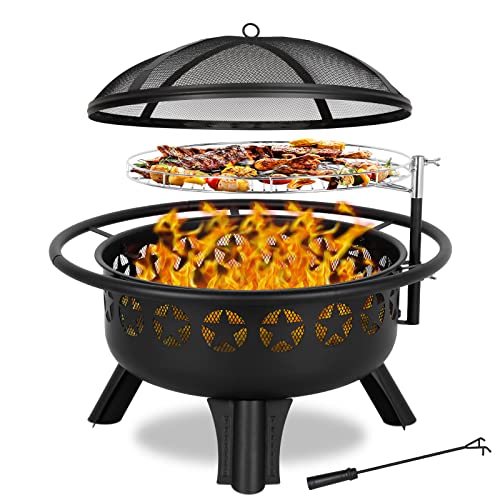
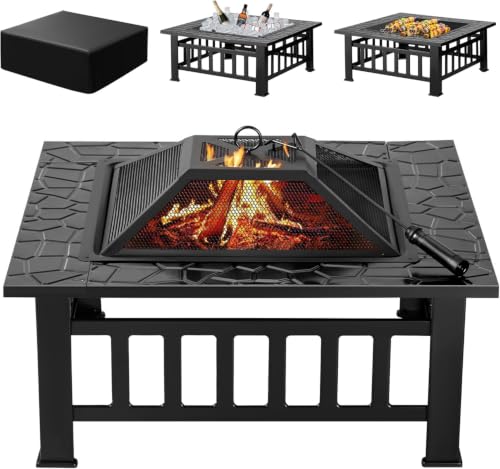
As an Amazon Associate we earn from qualifying purchases. Prices and availability can change; check the current price on Amazon.
What You Need Before You Light the Fire
Plan the end of the fire at the start. Have these within reach before lighting: a bucket of water or a garden hose with a spray nozzle, a long metal poker or a small shovel, heat-resistant gloves and a metal ash container with a lid. A fire extinguisher rated for ordinary combustibles is a smart addition. If water is not available, keep a bucket of sand or loose dirt and a shovel.
Step-by-Step: How to Put Out a Wood Fire Pit
1. Plan the Burn-Down
Stop adding wood 45 minutes to an hour before you want to go inside. Let the logs burn down to ash and small coals. Smaller embers are much easier to extinguish completely than large half-burned logs.
2. Spread the Embers
Use the poker or shovel to spread the coals and remaining wood across the bottom of the pit. Spreading them out exposes more surface area to air and water, so they cool faster and you can see any glowing pieces.
3. Pour Water Slowly
Sprinkle or pour water gently over the embers rather than dumping a full bucket at once. A gentle approach limits the burst of steam and flying ash, and reduces thermal shock to the metal bowl. Stand back and keep your face away from the steam.
4. Stir the Ashes
Stir the wet ashes and coals thoroughly with the poker or shovel. Stirring exposes hot material hidden underneath that the water did not reach.
5. Add More Water and Repeat
Pour more water and stir again. Keep going until the hissing stops and no steam rises. Turn over any partially burned logs and soak both sides.
6. Feel for Heat
Carefully hold the back of your hand near the ashes. If you feel any warmth, keep adding water and stirring. When the ashes feel cool, the fire is out. Fire safety agencies such as the U.S. Fire Administration stress this final check.
7. Check Again Before Bed
If possible, check the fire pit once more before going to sleep, especially on windy nights.
How to Put Out a Fire Pit Without Water
If water is not available, sand or loose mineral soil can smother a fire by cutting off oxygen. Spread the embers, cover them completely with sand or dirt, then stir the mixture with a shovel and add more. The risk is that buried embers can stay hot for many hours and reignite if uncovered by wind or an animal, so check carefully for heat and, if possible, add water later. Never use leaves, grass clippings or other organic material to smother a fire.
Putting Out Stainless Steel and Smokeless Fire Pits
Double-walled stainless smokeless fire pits are designed differently. Many manufacturers recommend letting the fire burn out completely instead of pouring water into the pit, because sudden cooling can warp or discolor the steel and water mixed with ash creates a corrosive sludge in the base. The usual advice is to stop adding wood, let it burn down, then place the lid or a manufacturer-approved cover on top once the fire is low to starve it of oxygen, and leave it until fully cool. If you must extinguish quickly, a light misting is gentler than dumping water. Always follow your brand's guidance. Our explainer on how smokeless fire pits work covers their airflow design, and our guide to the best smokeless fire pit lists popular models.
Putting Out a Gas or Propane Fire Pit
Propane and natural gas fire pits are much simpler: turn off the burner control, then close the valve on the propane tank or gas supply. Let the lava rock or fire glass cool before covering. Never pour water on a gas fire pit's burner or media while hot.
Fire Pits on Decks and Patios
If your fire pit sits on a deck, extra care is needed. Use a heat-resistant mat beneath it, avoid splashing hot water or embers onto deck boards and check the surface under and around the pit for scorching or smoldering after extinguishing. Read our guide on whether you can put a fire pit on a deck before using one there.
How to Dispose of Fire Pit Ashes
Wait until ashes are completely cold, which may take a day or more. Scoop them into a metal container with a tight lid and store it outside, away from the house, deck, garage and anything combustible. Never put ashes in plastic bins, paper bags or cardboard boxes. Once cold, small amounts of hardwood ash can be used sparingly in compost or on garden beds where soil is acidic, as wood ash raises pH. Do not use ash from treated or painted wood.
Fire Pit Safety Habits
Keep the fire small and manageable. Never leave a burning fire unattended, even briefly. Keep children and pets at a safe distance. Avoid burning on windy days or during burn bans. Use a spark screen. Never use gasoline or lighter fluid to start or revive a fire. Keep a hose or water bucket nearby from the moment you light the fire until it is completely out.
How Long Do Fire Pit Embers Stay Hot?
There is no single answer, because it depends on the type of wood, how large the coals were, how deep the ash bed is and the weather. Dense hardwoods such as oak and hickory produce long-lasting coals that can hold heat far longer than softwoods. A thick blanket of ash insulates embers, which is why a pit can look dead on top while glowing underneath. Many fire departments warn that buried embers can remain hot enough to reignite for many hours and sometimes into the next day. That is why the feel test matters more than appearance. If you used sand or soil instead of water, assume the embers are still hot until you have stirred and checked them carefully.
Water Bucket vs Garden Hose
A garden hose with an adjustable spray nozzle is the most convenient option because it gives you a steady, controllable supply. A shower or mist setting lets you wet the embers gradually without blasting ash out of the pit. A bucket works well too, especially at a campsite or in a yard without an outdoor tap, but keep at least two full buckets nearby so you do not run short halfway through. Whichever you use, set it up before you light the fire, not when you are ready to go inside. In freezing weather, drain and store the hose afterward so it does not crack.
Different Fire Pit Types and How to Handle Them
Steel Fire Rings and Bowls
Simple steel rings and bowls are the most forgiving. The standard drown, stir and feel method works well. Pour gently to reduce warping, and empty the wet ash once it is cold so moisture does not sit against the steel and cause rust.
In-Ground and Stone Fire Pits
Stone and block fire pits can hold heat in the surrounding masonry. Sudden cold water on very hot stone can occasionally crack it, so let the fire burn down well first and apply water gradually. Stir thoroughly, because embers can settle into gaps between stones and gravel at the bottom.
Chimineas
Clay chimineas are vulnerable to cracking from rapid temperature changes. Most makers recommend letting the fire burn out on its own rather than dousing it with water. Keep the area around the chiminea clear and do not leave it unattended until the embers are fully out. Cast iron chimineas tolerate water better, but the gradual approach is still wise.
Tabletop and Portable Fire Pits
Small tabletop fire pits that burn gel or bioethanol fuel are usually put out with a snuffer lid supplied by the manufacturer. Never pour water onto burning alcohol-based fuel, and never refill a burner while it is warm.
Weather, Wind and Burn Bans
Check the weather and local fire restrictions before lighting a fire. Many areas issue burn bans during dry, windy periods, and some municipalities restrict open burning altogether. Wind can lift embers well beyond the fire pit, so if gusts pick up while the fire is going, start the extinguishing process early. Dry conditions also mean surrounding grass and mulch ignite more easily, so wet the ground around the pit as an extra precaution after putting out the fire. Your local fire department or city website is the best source for current rules in your area.
Cleaning the Fire Pit After Extinguishing
Once ashes are cold, scoop them out with a metal shovel into your lidded metal container. Removing old ash improves airflow for the next fire, reduces smoke and helps prevent corrosion in steel bowls because wet ash holds moisture and is mildly caustic. Brush out the drain holes if your pit has them. A fitted cover keeps rain out between uses. For stainless smokeless pits, follow the manufacturer's cleaning steps, which usually involve tipping out the cooled ash and wiping the interior.
Keeping Children and Pets Safe Around a Cooling Fire Pit
A fire pit remains a burn hazard long after the flames disappear. The metal rim, stones and ash can all stay hot. Keep children and pets away until you have confirmed everything is cool, and consider placing a spark screen or cover on the pit even after extinguishing it. Teach kids that a fire pit is never safe to touch, whether or not they see flames.
Tools That Make Putting Out a Fire Pit Easier
A few inexpensive accessories make extinguishing safer. Details come from Amazon listings; we have not hands-on tested them.

32-Inch Heavy Duty Fire Pit Poker
Best for: Spreading and stirring embers
A long steel poker with a 16 mm shaft for stirring embers at a safe distance.
- Long reach
- Heavy-duty shaft
- Basic finish

Annie Garden 5.2 Gallon Metal Ash Bucket with Lid and Shovel
Best for: Safely holding cooled ashes
A metal ash bucket with lid and shovel for storing cold ashes away from the house.
- Metal with lid
- Shovel included
- Only for fully cooled ashes

JXLXYY 36-Inch Fire Pit Spark Screen
Best for: Containing sparks in 36-inch pits
A round spark screen with handle to contain embers while the fire burns.
- Handle for lifting
- Reduces flying embers
- Measure your bowl before buying
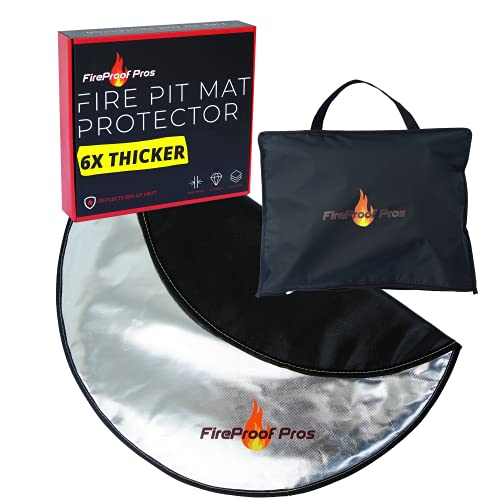
Fireproof Pros 36-Inch Fire Pit Protector
Best for: Fire pits on decks and patios
A heat-resistant mat designed to sit under a fire pit on a deck or patio.
- Helps protect surfaces from heat and embers
- 36-inch size
- Not a substitute for clearance rules
Still choosing a fire pit? See our best wood burning fire pit picks.
Common Mistakes When Putting Out a Fire Pit
Common mistakes include going inside while embers are still glowing, assuming gray ash is cold, dumping a full bucket on a roaring fire and creating a burst of steam and scattered embers, burying embers in sand without checking for heat, leaving half-burned logs unsoaked, dumping ashes into plastic bins and pouring large amounts of water into stainless smokeless pits against the manufacturer's advice.
Final Thoughts on How to Put Out a Fire Pit
Putting out a fire pit safely takes a little planning and a few minutes: let it burn down, spread the embers, drown them slowly, stir, repeat and feel for heat. Use the manufacturer's method for smokeless and gas pits, and store cold ashes only in a covered metal container away from the house. With these habits, your backyard fires stay fun and safe.
More Questions People Ask
Is it okay to let a fire pit burn out on its own?
Letting a fire burn down is a good first step, but do not leave it unattended until all embers are cool. If you are going inside, extinguish it fully with water or follow the manufacturer method.
Can you put out a fire pit with a lid?
A solid lid or snuffer can starve a fire of oxygen and is the preferred method for some smokeless and tabletop pits. Embers can still stay hot underneath, so leave it covered until fully cool.
How much water do you need to put out a fire pit?
Keep at least one or two full buckets or a garden hose ready. The amount depends on fire size; keep adding water and stirring until there is no steam and the ashes are cool.
Why does my fire pit keep smoldering?
Usually because embers are buried under ash or large logs were not soaked on all sides. Spread everything out, soak again and stir thoroughly.
Frequently Asked Questions
What is the safest way to put out a fire pit?
Let the fire burn down, then pour water slowly over all the embers, stir them with a poker or shovel, pour more water and repeat until everything is cool to the touch.
Can I put out a fire pit with sand or dirt?
Sand or dirt can smother flames, but buried embers can stay hot for hours and reignite. Use water and stirring when possible, and if you must use sand, stir and check for heat afterward.
Should I pour water on a stainless steel smokeless fire pit?
Many manufacturers advise against dumping large amounts of water into stainless smokeless pits because of thermal shock and ash sludge. Let it burn out with the lid on or follow the brand's instructions.
How long do fire pit embers stay hot?
Embers and ash can stay hot enough to start a fire for many hours, sometimes more than a day if insulated under ash. Always check with the back of your hand before leaving.
Where should I dispose of fire pit ashes?
Only once completely cold, in a covered metal container stored away from the house, deck and anything combustible.