
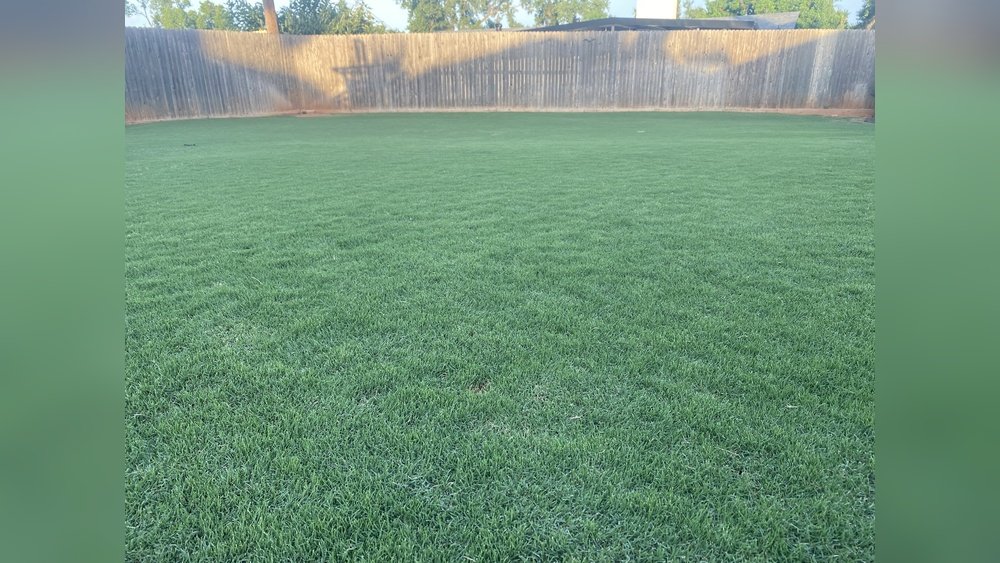
Bermuda grass is a favorite for lawns in warm regions because it’s tough, grows fast, and stays green most of the year. But when fall arrives, some homeowners notice their Bermuda lawn starts to thin, fade, or collect bare spots.
Overseeding in the fall is a smart way to keep your grass lush and green, even as temperatures drop. This guide will show you exactly how to overseed Bermuda grass in fall, with expert tips, step-by-step instructions, and practical advice for the best results.
Why Overseed Bermuda Grass In Fall?
Fall is the perfect time to overseed Bermuda grass for a few reasons. As the weather cools, Bermuda grass naturally slows down and may turn brown or go dormant. Overseeding with a cool-season grass, such as perennial ryegrass, helps your lawn stay green all winter. It also fills in thin or bare spots and makes your lawn more resistant to weeds and diseases.
Another key reason is that fall brings milder temperatures and more rain, which helps new seed germinate quickly. Overseeding now means you’ll have a thick, green lawn during the months when Bermuda alone would look dull.
Understanding Bermuda Grass And Cool-season Grasses
Bermuda grass is a warm-season grass, meaning it thrives in hot weather. But in fall and winter, it goes dormant and loses its color. To keep your lawn green, you need to overseed with a cool-season grass.
The most common choices for overseeding are:
- Perennial ryegrass: Fine texture, bright green color, fast germination.
- Annual ryegrass: Cheaper but less durable, fades faster in spring.
- Fescue: Sometimes used, but less common for Bermuda lawns.
Perennial ryegrass is the top choice for most homeowners because it blends well with Bermuda and stays green all winter.
| Grass Type | Growth Season | Color in Winter | Durability |
|---|---|---|---|
| Bermuda | Warm | Brown/Dormant | High |
| Perennial Ryegrass | Cool | Green | High |
| Annual Ryegrass | Cool | Green | Low-Medium |
When Is The Best Time To Overseed Bermuda Grass In Fall?
Timing is critical. You want to overseed after Bermuda slows growth but before the first frost. For most southern states, this means late September to early October. If you overseed too early, the Bermuda grass will compete with the new seed. If you wait too long, cold weather can stop seed germination.
Check your local forecast. When daytime highs are between 75–85°F and nighttime lows are 55–65°F, it’s time to overseed.
Essential Tools And Materials
Before you start, gather these items:
- Grass seed (perennial ryegrass is recommended)
- Fertilizer (starter type with higher phosphorus)
- Lawn mower
- Rake or dethatcher
- Seed spreader (broadcast or drop type)
- Sprinkler or hose
- Soil thermometer (optional but helpful)
Having the right tools makes the process smoother and improves results.

Credit: www.youtube.com
Step-by-step Guide: How To Overseed Bermuda Grass In Fall
Overseeding is not difficult, but attention to detail makes all the difference. Follow these steps for the best outcome.
1. Mow Your Bermuda Grass Short
Begin by mowing your Bermuda lawn as short as possible without scalping. Set your mower to about 0.5 to 1 inch. This removes excess thatch and helps the new seed reach the soil.
Tip: Bag or remove the clippings, so they don’t block the seed.
2. Dethatch Or Rake Thoroughly
Bermuda grass can build up a thick layer of thatch—a mix of dead grass and roots. Use a rake or dethatcher to loosen the top layer and clear out debris. This step lets new seed contact the soil.
A power rake works well for bigger lawns, but a manual rake is fine for small areas.
3. Aerate The Lawn (optional But Helpful)
Aerating creates small holes in the soil, letting air, water, and seed penetrate deeper. It’s not required, but aerating before overseeding can boost germination rates.
If you have compacted soil or heavy traffic spots, aeration is highly recommended.
4. Spread The Grass Seed
Use a broadcast or drop spreader to spread seed evenly over the lawn. For perennial ryegrass, aim for 8–10 pounds per 1,000 square feet. Check the package for exact rates.
Spread half the seed north-south and the other half east-west. This double pass ensures even coverage.
5. Lightly Rake Or Drag The Lawn
After seeding, gently rake or drag the lawn with a mat to help the seed settle into the soil. Don’t bury the seed too deep—just cover it lightly.
6. Fertilize
Apply a starter fertilizer high in phosphorus to encourage strong root growth. Avoid using a fertilizer with too much nitrogen, as this can boost Bermuda growth at the expense of your new seedlings.
| Nutrient | Role | Recommended Amount |
|---|---|---|
| Nitrogen (N) | Leaf Growth | Low–Medium |
| Phosphorus (P) | Root Development | High |
| Potassium (K) | Stress Tolerance | Medium |
7. Water Carefully
Water is critical in the early days. Keep the soil consistently moist (not soggy) until the new grass is well established. This usually means watering 2–3 times per day for short periods, just to keep the top layer damp.
After 10–14 days, as the new grass grows, reduce watering to once per day, then 2–3 times per week.
8. First Mow And Maintenance
When the new grass reaches about 2–3 inches, mow for the first time. Use a sharp blade and never cut more than one-third of the grass height at once.
After mowing, continue regular lawn care—water, mow, and feed as needed.
Key Tips For Overseeding Success
- Use fresh, high-quality seed. Old seed may not germinate well.
- Don’t skip dethatching—a thick layer of thatch blocks seed contact.
- Water lightly but often. Dry soil kills new seed fast.
- Keep foot traffic off the lawn for 2–3 weeks after seeding.
- Fertilize only as directed. Too much fertilizer can burn new grass.
- Plan overseeding for a day with no heavy rain expected. Heavy downpours can wash away seed.

Credit: www.aces.edu
Common Mistakes To Avoid
Even experienced homeowners make errors when overseeding. Here are pitfalls to watch out for:
- Overseeding too early or too late: Timing is everything. Seed too early and Bermuda chokes out the new grass. Too late and seedlings may not survive winter.
- Ignoring soil prep: Skipping dethatching or aeration leads to poor germination.
- Using the wrong seed: Annual ryegrass is cheaper, but fades fast in spring. Use perennial ryegrass for longer color.
- Applying too much fertilizer: New seedlings are sensitive. Follow label rates closely.
- Letting soil dry out: Inconsistent moisture slows or stops seed germination.
- Cutting grass too short after seeding: Wait until ryegrass is well established before the first mow.
Overseeding Vs. Lawn Renovation
Overseeding is adding new seed to an existing lawn. It thickens grass and covers bare spots. Lawn renovation is more intense—removing old turf, tilling, and starting over. For most homeowners, overseeding is enough to keep Bermuda lawns looking great.
| Feature | Overseeding | Lawn Renovation |
|---|---|---|
| Labor | Low–Medium | High |
| Cost | Low | High |
| Time | 1–2 Days | Weeks |
| Results | Improved Lawn | New Lawn |
| When Needed | Minor Thin/Bare Spots | Severe Damage/Weeds |
Real-world Example
Imagine a Bermuda lawn in Georgia that turns brown each November. The homeowner overseeds with perennial ryegrass each fall. By late October, the lawn is green again and stays lush until spring. Neighbors who skip overseeding have brown, patchy lawns.
This simple step means a green lawn year-round, even in the colder months.
Non-obvious Insights For Better Results
Many beginners forget that seed-to-soil contact is more important than just spreading seed. Pressing seed lightly into the soil, or using a lawn roller, greatly improves germination.
Another detail is watering timing. Early morning is best, so grass dries by evening—reducing disease risk. Also, avoid heavy watering that causes runoff; light, frequent watering is more effective for new seeds.
What To Expect After Overseeding
Within 7–10 days, you should see ryegrass seedlings sprouting. By 3–4 weeks, your lawn will look thicker and greener. The ryegrass will dominate through winter, keeping your yard beautiful.
In spring, as temperatures rise above 80°F, Bermuda grass wakes up and starts to outgrow the ryegrass. The ryegrass fades away on its own, and Bermuda takes over again.
Sustainable Practices For Overseeding
If you’re eco-conscious, look for certified seed with low weed content. Avoid over-fertilizing, which can harm local waterways. Use organic fertilizers or compost where possible. By overseeding, you also reduce bare spots where weeds might take hold, cutting down on herbicide use.
For more on sustainable lawn care, check resources such as EPA Lawn and Garden Soil Management.

Credit: twincityseed.com
Frequently Asked Questions
How Long Does It Take For Overseeded Ryegrass To Grow?
Ryegrass seed usually sprouts in 7–10 days if the soil is kept moist. Full coverage takes about 3–4 weeks, depending on temperature and watering.
Can I Overseed Bermuda Grass With Fescue?
You can, but fescue is less common for overseeding Bermuda. Fescue doesn’t blend as well and may compete with Bermuda in spring. Perennial ryegrass is preferred for a smooth transition.
Do I Need To Stop Mowing After Overseeding?
After overseeding, wait until the new grass reaches 2–3 inches. Then mow lightly with a sharp blade. Avoid scalping or mowing too soon, as seedlings are fragile.
Will Overseeding Help Control Weeds?
Yes, a thicker lawn from overseeding crowds out weeds. New seedlings fill bare spots where weeds often grow. However, overseeding is not a substitute for proper weed control.
Can I Use A Weed Killer Before Or After Overseeding?
Avoid using pre-emergent weed killers right before or after overseeding—they can prevent your new grass from sprouting. Wait until the new grass is well established (about 8 weeks) before applying any herbicides.
—
A healthy, green lawn through fall and winter is possible with proper overseeding. Follow these steps, avoid common mistakes, and enjoy a lush Bermuda grass yard all year long. Overseeding is a simple, cost-effective way to boost your home’s curb appeal and make your neighbors wonder how you do it.