
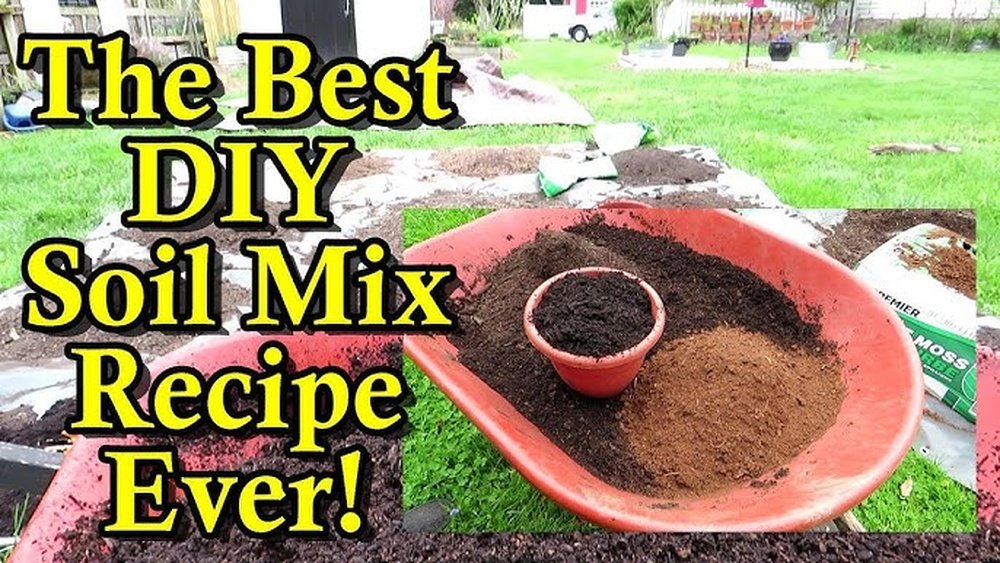
Are you ready to transform your garden into a thriving green paradise? It all starts with the soil beneath your feet.
Knowing how to make garden soil from scratch gives you full control over what your plants grow in, ensuring they get the nutrients and structure they need to flourish. Whether you’re working with poor soil or starting a new garden bed, creating your own soil mix can save you money and boost your garden’s health.
In this guide, you’ll discover simple steps to turn everyday materials into rich, fertile soil. Keep reading to unlock the secrets of homemade garden soil that will make your plants happy and your garden grow like never before.

Credit: www.youtube.com
Garden Soil Basics
Understanding garden soil basics is the first step in creating a healthy garden. Good soil supports plant growth and helps roots absorb water and nutrients. Knowing what soil is made of and its types can guide you in making your own garden soil from scratch.
Soil quality affects how well plants grow. Learning about soil components and types will help you improve your garden soil effectively.
Soil Components
Soil is made of minerals, organic matter, air, and water. Minerals come from tiny rocks that break down over time. Organic matter includes decomposed plants and animals. Air and water fill the spaces between soil particles. These parts work together to feed plants and keep roots healthy.
Soil Types
There are three main soil types: sandy, clay, and loamy. Sandy soil drains water quickly but holds fewer nutrients. Clay soil holds water well but can be heavy and hard to work with. Loamy soil is a balanced mix of sand, clay, and organic matter. It is best for most plants because it holds nutrients and drains well.
Importance Of Soil Quality
Good soil quality means healthy plants and better harvests. Soil with many nutrients helps plants grow strong and resist disease. Well-drained soil prevents root rot. Soil rich in organic matter improves its texture and water retention. Healthy soil creates a natural environment for beneficial insects and microbes.
Choosing Materials
Choosing the right materials is a key step to making good garden soil from scratch. The materials decide soil quality, drainage, and fertility. Pick components that nourish plants and keep soil healthy. Focus on natural, safe ingredients. Avoid anything that harms plants or soil life. Proper choices lead to strong, productive gardens.
Organic Matter Sources
Organic matter feeds soil microbes and improves texture. Use compost, aged manure, leaf mold, or kitchen scraps. These materials add nutrients and help soil hold water. Peat moss and coconut coir are good for moisture retention. Chop and mix organic matter well for faster breakdown. Fresh materials can attract pests or tie up nitrogen. Aged or composted is always better.
Mineral Additives
Minerals balance soil pH and provide essential nutrients. Sand improves drainage in clay soils. Clay helps sandy soil hold moisture and nutrients. Lime raises soil pH if it is too acidic. Sulfur lowers pH for alkaline soils. Rock phosphate and greensand add phosphorus and potassium slowly. Use minerals sparingly and test soil before adding. Proper mineral balance supports healthy plant growth.
Avoiding Harmful Substances
Keep soil free from harmful chemicals and contaminants. Avoid treated wood chips or mulch with chemicals. Stay away from soil with heavy metals or pollutants. Do not add weeds with seeds or diseased plants. Avoid fresh manure that may burn plants or carry pathogens. Use clean, tested materials to protect soil life. Safe soil means stronger plants and better harvests.
Composting Techniques
Composting is a key step in creating rich garden soil from scratch. It turns kitchen scraps and yard waste into nutrient-rich material. This material feeds plants and improves soil health. Different composting techniques suit various needs and spaces. Understanding simple methods helps you choose the best one for your garden.
Layering Browns And Greens
Start by layering brown and green materials. Browns include dry leaves, straw, and paper. Greens are fresh grass clippings, vegetable scraps, and coffee grounds. Alternate thin layers of browns and greens in your compost bin or pile. This balance helps break down the material faster. Keep the pile moist, but not soggy. Turn the pile every few weeks to add air. This method is easy and works well in small spaces.
Amish Composting Method
The Amish composting method uses large piles of organic material. It starts with a thick base of coarse materials like straw. Then add layers of greens, manure, and soil. Cover the pile with a tarp to keep moisture in. The pile heats up naturally, breaking down materials quickly. This method needs more space but produces rich compost fast. It is ideal for gardeners with a lot of yard waste.
Hot Composting
Hot composting creates heat by mixing greens and browns in large amounts. The pile reaches temperatures between 130°F and 160°F. This heat kills weed seeds and harmful bacteria. To start, build a pile at least 3 feet wide and 3 feet tall. Turn the pile every few days to keep it hot. Hot composting works well for gardeners who want compost quickly. It requires regular attention and good material balance.
Sheet Composting
Sheet composting means layering organic materials directly on garden beds. Spread kitchen scraps, leaves, and grass clippings in thin layers. Cover with a layer of soil or mulch. Over time, the materials break down right where plants grow. This method improves soil health without turning or moving compost. It is perfect for gardeners who want a simple, low-effort way to enrich soil.
Mixing Your Soil
Mixing your own garden soil lets you control its quality and nutrients. It helps create a healthy base for plants to grow strong. The process involves combining various materials to get the right texture and fertility. Good soil holds water, drains well, and provides air to roots. Below are simple steps to make a balanced garden soil mix.
Basic Soil Recipe
Start with three main ingredients: garden soil, compost, and sand.
- Use 2 parts garden soil for minerals and structure.
- Add 1 part compost to supply nutrients and improve fertility.
- Mix in 1 part coarse sand to improve drainage and aeration.
Combine these thoroughly until the mix looks even. This basic recipe suits most plants. It balances water retention and airflow.
Adjusting For Plant Needs
Change the mix based on the plants you want to grow. For vegetables, increase compost for more nutrients. For succulents, add extra sand for better drainage. Acid-loving plants need peat moss or pine needles to lower pH. Test your soil and adjust these ingredients to fit your garden’s needs.
Testing Soil Texture
Feel the soil to check its texture. It should be crumbly and moist, not sticky or dry. Squeeze a handful; it should hold shape but break apart easily. If soil is too heavy, add more sand or organic matter. If too light, add garden soil or compost. Good texture helps roots breathe and absorb water well.
Enhancing Soil Fertility
Enhancing soil fertility is key to growing healthy plants. Rich, fertile soil supports strong roots and abundant growth. Improving your garden soil boosts nutrient content and water retention. This creates an ideal environment for your plants to thrive. Simple natural methods help build soil fertility step by step.
Adding Manure And Worm Castings
Manure is a natural source of nutrients for soil. It adds nitrogen, phosphorus, and potassium. These nutrients help plants grow strong and green. Use well-rotted manure to avoid burning plants.
Worm castings are another excellent soil amendment. They improve soil texture and provide beneficial microbes. Castings hold moisture and nutrients well. Mix them into your soil for a natural fertility boost.
Using Natural Boosters
Natural boosters like compost and seaweed extracts enrich soil without chemicals. Compost adds organic matter that feeds soil life. It improves soil structure and water retention. Seaweed extracts supply trace minerals and growth hormones. These help plants resist stress and grow better.
Applying these boosters regularly keeps soil fertile over time. They work gently and safely to support plant health.
Incorporating Microbes
Healthy soil teems with beneficial microbes. These tiny organisms break down organic matter into nutrients plants can use. Microbes also protect plants from diseases. Adding microbial inoculants or compost introduces helpful bacteria and fungi.
Encouraging microbial activity improves nutrient cycling and soil structure. Avoid overusing chemical fertilizers, which harm soil microbes. A lively microbe population makes your garden soil alive and productive.
Soil Preparation Steps
Preparing garden soil from scratch requires clear steps to ensure healthy plant growth. Proper soil preparation improves drainage, nutrient availability, and root development. Each step builds a strong foundation for your garden’s success.
Cleaning And Screening Materials
Start by removing rocks, sticks, and debris from your soil materials. Use a garden sieve or screen to filter out large particles. This creates a fine, even texture that plants prefer. Clean soil allows roots to spread easily and access nutrients.
Mixing And Aerating
Combine organic matter like compost with your base soil for better fertility. Mix thoroughly to distribute nutrients evenly. Turn the soil regularly to add air and prevent compaction. Well-aerated soil encourages healthy root growth and beneficial microbial activity.
Moisture Management
Check soil moisture by squeezing a handful; it should feel damp but not wet. Adjust water content by adding dry materials if too wet or water if too dry. Proper moisture keeps soil structure stable and supports plant roots. Avoid overwatering to prevent root rot and nutrient loss.
Maintaining Healthy Soil
Using homemade soil lets you control what your plants receive. It saves money and reduces waste. You can create soil that fits your garden’s needs perfectly. Homemade soil boosts plant health and growth by providing balanced nutrients and good drainage. It is a great way to recycle kitchen scraps and yard waste into something useful.
Filling Raised Beds
Raised beds need light, rich soil that drains well. Mix compost, topsoil, and coconut coir or peat moss. This blend holds moisture but does not get soggy. Add worm castings or aged manure for nutrients. Fill the bed fully and mix the layers gently. This homemade soil supports strong roots and healthy plants.
Potting Mix For Containers
Container plants need soil that drains quickly and holds some moisture. Combine equal parts of compost, perlite, and coconut coir. Perlite helps keep the soil airy. The compost feeds the plants slowly. Avoid heavy garden soil that compacts in pots. Use this potting mix for flowers, herbs, and vegetables in containers.
Amending Existing Garden Soil
Old garden soil may lack nutrients or have poor texture. Improve it by mixing in homemade compost and aged manure. Spread a 2-3 inch layer over the garden and turn it into the top 6 inches of soil. This enriches the soil, improves drainage, and encourages earthworms. Regular amending keeps your garden soil healthy year after year.

Credit: www.stellaswardrobe.com
Using Homemade Soil
Troubleshooting soil issues is key to making healthy garden soil from scratch. Soil can have many hidden problems that stop plants from growing well. Knowing how to spot and fix these problems helps you build strong soil for your garden.
Careful attention to soil quality makes a big difference. Small fixes can turn poor soil into rich, fertile earth. Let’s explore common soil problems, how to balance pH levels, and ways to revive bad soil.
Common Soil Problems
Soil may have poor drainage, causing water to pool and roots to rot. It can be too sandy or too clayey, making it hard for roots to grow. Lack of nutrients also stops plants from thriving. Soil that is too compacted limits air and water flow. Watch for these signs early to avoid bigger problems later.
Balancing Ph Levels
Soil pH affects how plants absorb nutrients. Most plants prefer a pH between 6.0 and 7.0. Acidic soil (low pH) can be fixed by adding lime. Alkaline soil (high pH) improves with sulfur or peat moss. Test soil pH with a simple kit to know what adjustments it needs.
Reviving Poor Soil
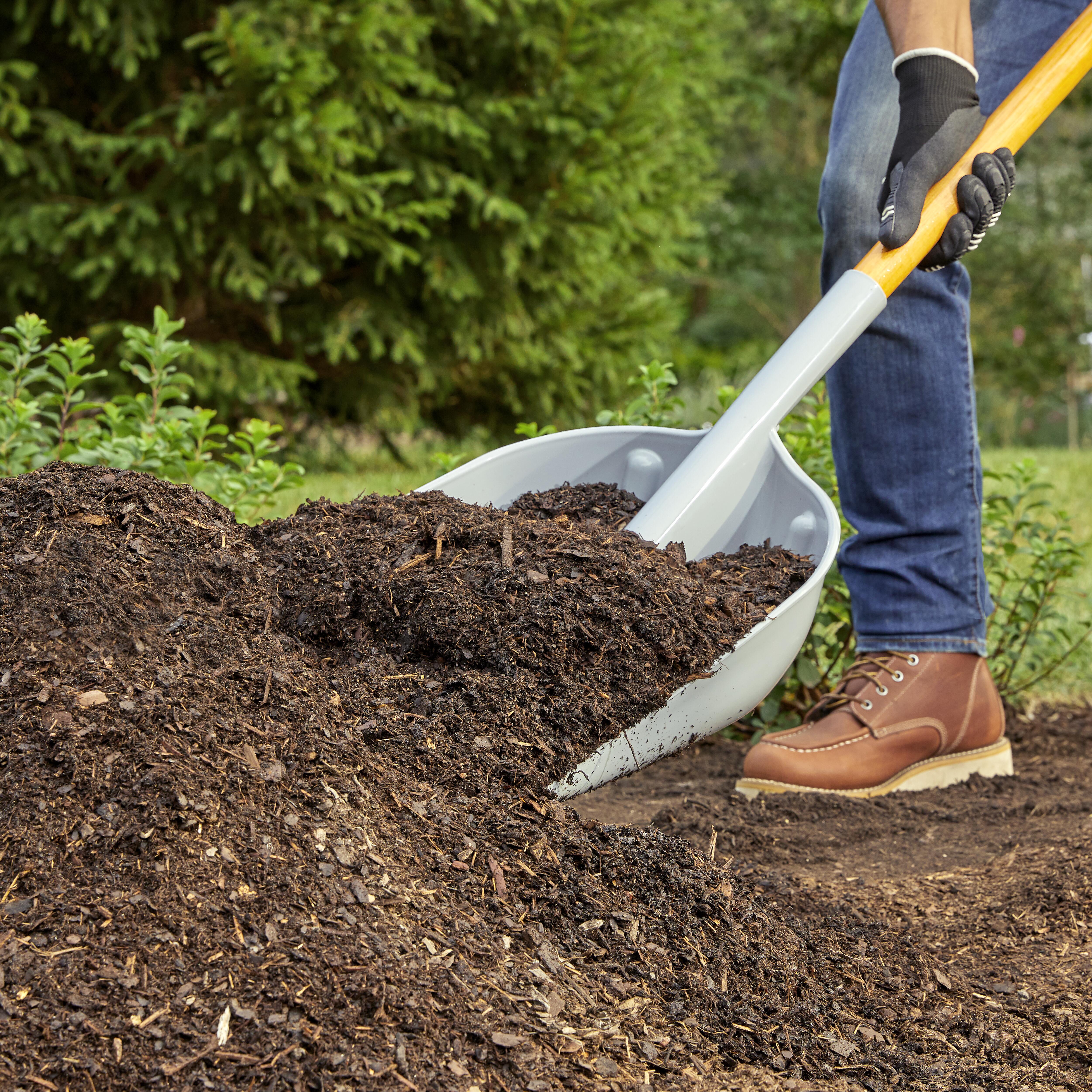
Add organic matter like compost or aged manure to poor soil. This improves texture and adds nutrients. Mulching helps keep moisture and controls weeds. Aerate compacted soil by turning it over gently. Use cover crops to enrich soil naturally between planting seasons.
)
Credit: www.homedepot.com
Frequently Asked Questions
What Is The Best Homemade Soil For Gardening?
The best homemade soil blends equal parts compost, garden soil, and organic materials like peat moss or coconut coir. Mix well for rich, fertile, and well-draining garden soil.
What Is The 70 30 Rule In Gardening?
The 70 30 rule in gardening means planting 70% reliable, proven plants and 30% new or experimental varieties. This balance promotes biodiversity and reduces crop failure risk.
How Do The Amish Make Compost?
The Amish make compost by layering animal manure, straw, leaves, and kitchen scraps. They use trenches or piles and add wood ash or fermented grains to boost nutrients. Their method promotes hot composting and sheet composting, enriching soil naturally without chemicals for healthier crops.
How To Make Garden Soil At Home?
Mix equal parts of compost, garden soil, and coarse sand. Add organic matter like leaves or manure. Stir well to create nutrient-rich garden soil. Keep soil moist and let it rest for a few weeks before planting.
Conclusion
Creating garden soil from scratch takes time and care. Use organic materials like compost, leaves, and manure to build rich soil. Mix well and keep the soil moist for best results. Healthy soil helps plants grow strong and resist pests.
Test your soil often to keep nutrients balanced. With patience, your garden will thrive in this homemade soil. Start small, observe, and enjoy the process of growing your own soil. Gardening becomes easier when your soil is healthy and full of life.