
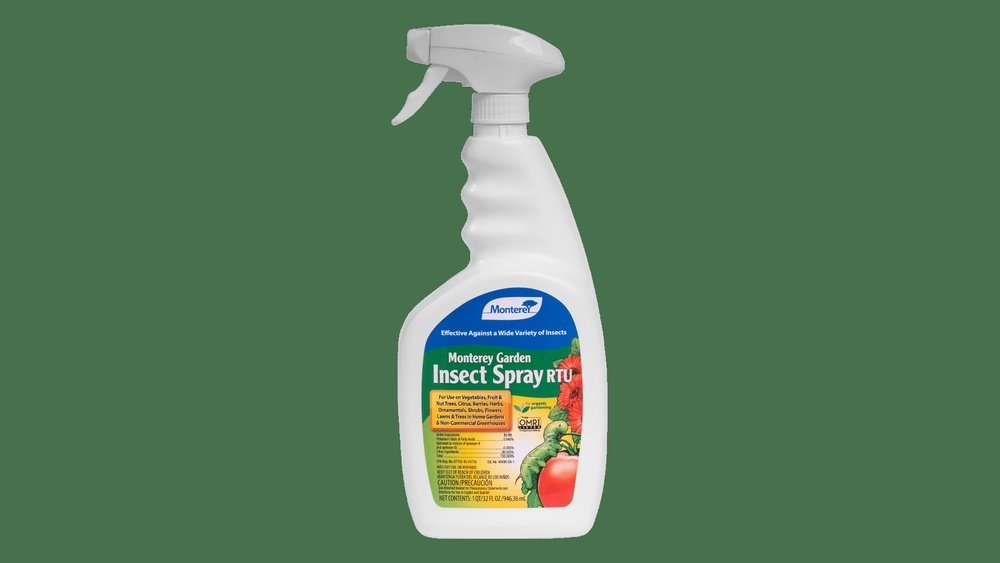
You rely on your garden sprayer to keep your plants healthy and vibrant. But if your sprayer isn’t clean, it won’t work properly, and that can hurt your garden’s growth.
You might face clogged nozzles, uneven spraying, or even damage to your sprayer. The good news? Cleaning your garden sprayer is easier than you think. You’ll discover simple, effective steps to clean your sprayer thoroughly. Follow these tips, and you’ll enjoy smooth spraying, longer-lasting equipment, and a flourishing garden every time.
Keep reading to unlock the secrets to maintaining your garden sprayer like a pro!
Prepare The Sprayer
Preparing your garden sprayer before cleaning is essential for its effective use. This step helps protect the sprayer and ensures thorough cleaning. Taking time to prepare avoids damage and improves performance.
Empty Remaining Chemicals
First, remove all leftover chemicals from the sprayer. Pour them into a safe container for proper disposal. Never dump chemicals on the ground or in drains. Emptying the tank prevents chemical mixing and clogging during cleaning.
Disassemble Removable Parts
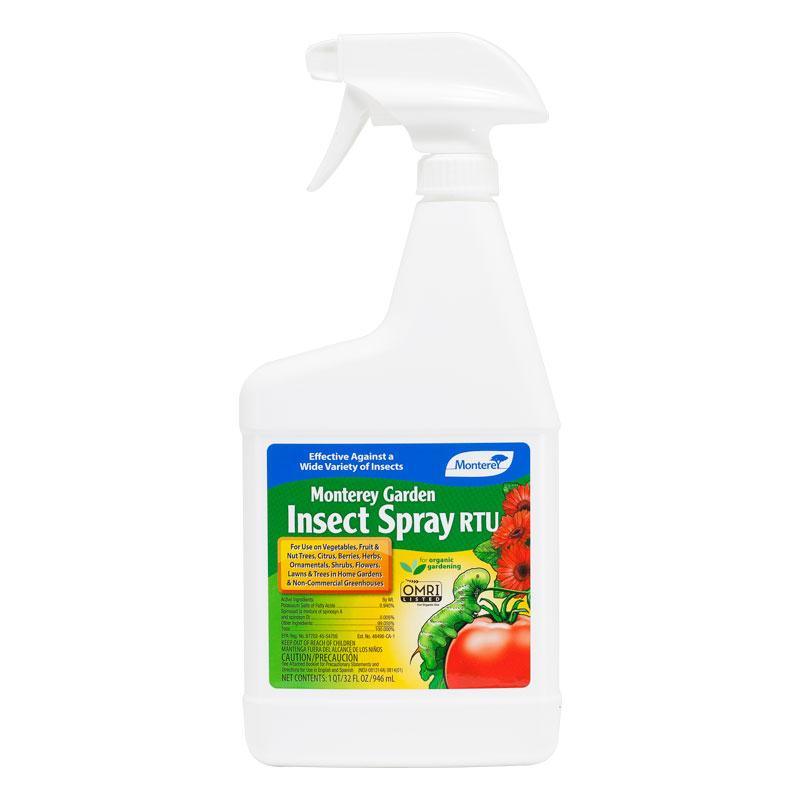
Next, take off any removable parts from the sprayer. This includes nozzles, hoses, and filters. Disassembling lets you clean all parts thoroughly. It also helps spot any wear or damage early. Keep small parts in a safe place to avoid losing them.
Credit: www.groworganic.com
Rinse The Tank
Rinsing the tank is a vital step in cleaning your garden sprayer. It removes leftover chemicals and prevents clogging. This step helps keep the sprayer working well for a long time. Proper rinsing also protects your plants from harmful residue.
Use Clean Water
Start by filling the tank with clean, fresh water. Avoid using dirty or stagnant water. Clean water helps wash out all the chemicals inside the tank. Make sure to fill the tank to about half or three-quarters full.
Close the tank lid tightly before shaking the sprayer. Shake it well to loosen any stuck material. This simple action helps remove chemicals from the tank walls. After shaking, open the lid carefully for the next step.
Spray Until Clear
Spray the clean water through the nozzle until it runs clear. This means no leftover color or residue is coming out. Spray in a safe area away from plants or people. Empty all the water from the tank during this process.
Repeat the rinsing and spraying if the water is still dirty. This ensures the tank is fully clean and ready for the next use. A clean tank means better spray performance and healthier plants.
Clean Internal Components
Cleaning the internal components of your garden sprayer is essential for its long-lasting performance. Dirt, fertilizer, and chemical residues can clog the system. These blockages reduce spraying efficiency and can damage parts over time. Proper cleaning keeps your sprayer working smoothly and prevents costly repairs.
Focus on the tank, hoses, nozzles, and pump. Each part needs attention to remove buildup and debris. Use simple household materials to make the process easy and effective. Follow these steps to clean your sprayer thoroughly.
Soapy Water Solution
Start by mixing warm water with a mild dish soap. Fill the sprayer tank halfway with this soapy solution. Soap helps break down stubborn residues inside the sprayer. Avoid harsh chemicals that might damage the parts or leave harmful traces.
Use just enough soap to create bubbles and clean surfaces well. This solution prepares the sprayer for deeper cleaning in the next steps.
Agitate And Soak
Seal the tank and shake it gently to mix the soapy water inside. Agitation loosens dirt and chemical deposits stuck on internal surfaces. Let the solution sit for 15 to 20 minutes. Soaking allows the soap to work on tough grime and buildup.
Occasionally shake the tank during soaking to improve cleaning. This method reaches all corners of the sprayer’s interior.
Flush The System
After soaking, release the soapy water by spraying it out through the nozzle. This step flushes out loosened dirt and debris from hoses and the pump. Repeat this process with clean water to rinse away soap and residues fully.
Make sure the water runs clear before stopping. Proper flushing prevents clogs and protects your plants from leftover chemicals.
Clear The Nozzle And Filters
Clearing the nozzle and filters of your garden sprayer is key to keeping it working well. Dirt and residue can build up and block the spray. This stops the sprayer from working properly. Regular cleaning helps you avoid clogs and keeps the spray even. Follow simple steps to remove, clean, and check these parts for the best results.
Remove And Inspect
Start by taking off the nozzle and filters carefully. Look for any cracks or damage. Check if dirt or old chemicals have stuck to them. Inspect the tiny holes in the nozzle to see if they are clear. If parts look worn out, plan to replace them soon. Clean parts last longer and work better.
Use Vinegar For Residue
Vinegar is great for breaking down buildup on the nozzle and filters. Soak these parts in white vinegar for about 15 to 30 minutes. The vinegar will dissolve hard residue and mineral deposits. After soaking, use a soft brush or cloth to clean away loosened dirt. Rinse everything well with clean water before reassembling.
Check For Clogs
Use a thin wire or a needle to clear any clogs in the nozzle holes. Blow air through the nozzle to test if water flows smoothly. Check the filters for trapped debris and rinse them under running water. Make sure no dirt remains inside the sprayer’s spray path. Clear nozzles and filters mean steady spray and good coverage.
Dry And Reassemble
After thoroughly cleaning your garden sprayer, the next step is to dry and reassemble it. This process prevents damage and keeps the sprayer ready for future use. Proper drying stops rust and mold from forming inside the parts.
Reassembling the sprayer correctly ensures all components fit well and work smoothly. Taking time to dry and reattach parts carefully extends the life of your sprayer and maintains its performance.
Air Dry Thoroughly
Leave all parts of the sprayer in a dry, open area. Avoid direct sunlight to prevent plastic damage. Let the tank, hose, nozzle, and filters dry completely. Moisture inside parts can cause rust and blockages. Air drying helps remove all water and cleaning solution residue.
Reattach Parts Securely
Once dry, reassemble the sprayer by attaching each part firmly. Tighten caps, nozzles, and hoses to prevent leaks. Check seals and gaskets for damage before reattaching. Secure connections avoid pressure loss during spraying. Proper assembly keeps your sprayer working effectively for every job.
Prevent Future Clogs
Preventing clogs in your garden sprayer saves time and keeps it working well. Clogs reduce spray power and cause uneven coverage. Taking simple steps stops blockages before they start. This keeps your sprayer ready and reliable for every use.
Regular Cleaning Schedule
Clean your sprayer after each use. Empty the tank and rinse it with clean water. Flush the hose and nozzle to clear any residue. Set a weekly deep clean if you use it often. This routine stops buildup that causes clogs.
Use Proper Filtration
Use a filter on the sprayer intake. It stops dirt and debris from entering the system. Check the filter regularly and clean or replace it as needed. Filters protect the pump and nozzle from damage and blockages.
Avoid Harsh Chemicals
Use garden-safe chemicals that dissolve easily in water. Harsh chemicals can leave sticky residues in the sprayer. These residues cause clogs and damage the parts. Choose mild solutions and always rinse the sprayer well after use.
Troubleshoot Common Issues
Garden sprayers need regular care for best performance. Some common problems can stop your sprayer from working well. Knowing how to fix these issues helps keep your sprayer ready to use. Quick fixes save time and avoid damage. Here are ways to troubleshoot common problems that affect garden sprayers.
Loss Of Pressure
Low pressure means the sprayer does not spray well. Check the tank to ensure it has enough liquid. Look for leaks in hoses or seals. Worn or damaged seals cause pressure loss. Tighten or replace them as needed. Pumping too slowly can also reduce pressure. Pump faster but steady for better spray power.
Nozzle Blockages
Clogged nozzles stop liquid from spraying evenly. Remove the nozzle and soak it in warm water. Use a soft brush or toothpick to clear dirt and debris. Avoid sharp tools that can damage the nozzle tip. Rinse the nozzle well before reattaching. Clean nozzles produce a fine, even spray.
Pump Malfunctions
Pumps may fail to build pressure or stop working. Check if the pump handle moves smoothly. Stiff or stuck pumps need lubrication or cleaning. Dirt inside the pump damages seals and valves. Disassemble the pump carefully and rinse all parts. Replace worn seals or valves to restore pump action.

Credit: www.amazon.com
Credit: www.arbico-organics.com
Frequently Asked Questions
How To Clean A Garden Pump Sprayer?
Empty the sprayer tank. Fill it with warm soapy water. Pump and spray to clean hoses and nozzles. Rinse thoroughly with clean water. Let all parts dry before storage.
Can I Use Vinegar To Clean My Lawn Sprayer?
Yes, vinegar effectively removes mineral deposits and residue from lawn sprayers. Rinse thoroughly after cleaning. Avoid using vinegar on plastic parts.
How To Keep A Garden Sprayer From Clogging?
Flush the sprayer with clean water after each use. Strain liquids before filling. Regularly clean nozzles and filters to prevent blockages. Store sprayer dry and avoid thick or sediment-heavy solutions.
Why Is My Garden Sprayer Losing Pressure During Use?
Your garden sprayer loses pressure due to clogged nozzles, damaged seals, or air leaks. Clean nozzles and check seals to restore pressure.
Conclusion
Cleaning your garden sprayer regularly keeps it working well. Rinse the tank until water runs clear every time. Remove and clean the nozzle to prevent clogs. Avoid letting chemicals dry inside the sprayer. Store it in a cool, dry place after cleaning.
Simple care extends the life of your sprayer. Use these steps to protect your equipment and garden. Keep your sprayer clean for easy, effective spraying every season.