
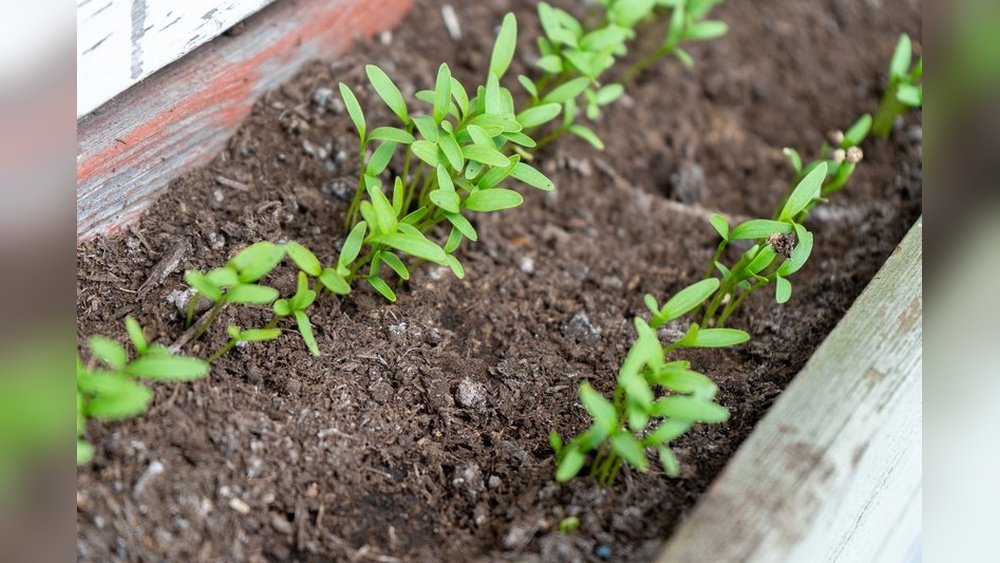
Are you ready to boost your garden’s health and watch your plants thrive like never before? Applying compost to your soil is one of the easiest and most powerful ways to do this.
But just spreading it around isn’t enough—you need to know how to apply compost correctly to get the best results. You’ll discover simple, effective steps that will help your soil absorb nutrients better, improve its structure, and support stronger, healthier plants.
Keep reading, and you’ll learn how to make every handful of compost count for maximum growth and long-lasting soil health.
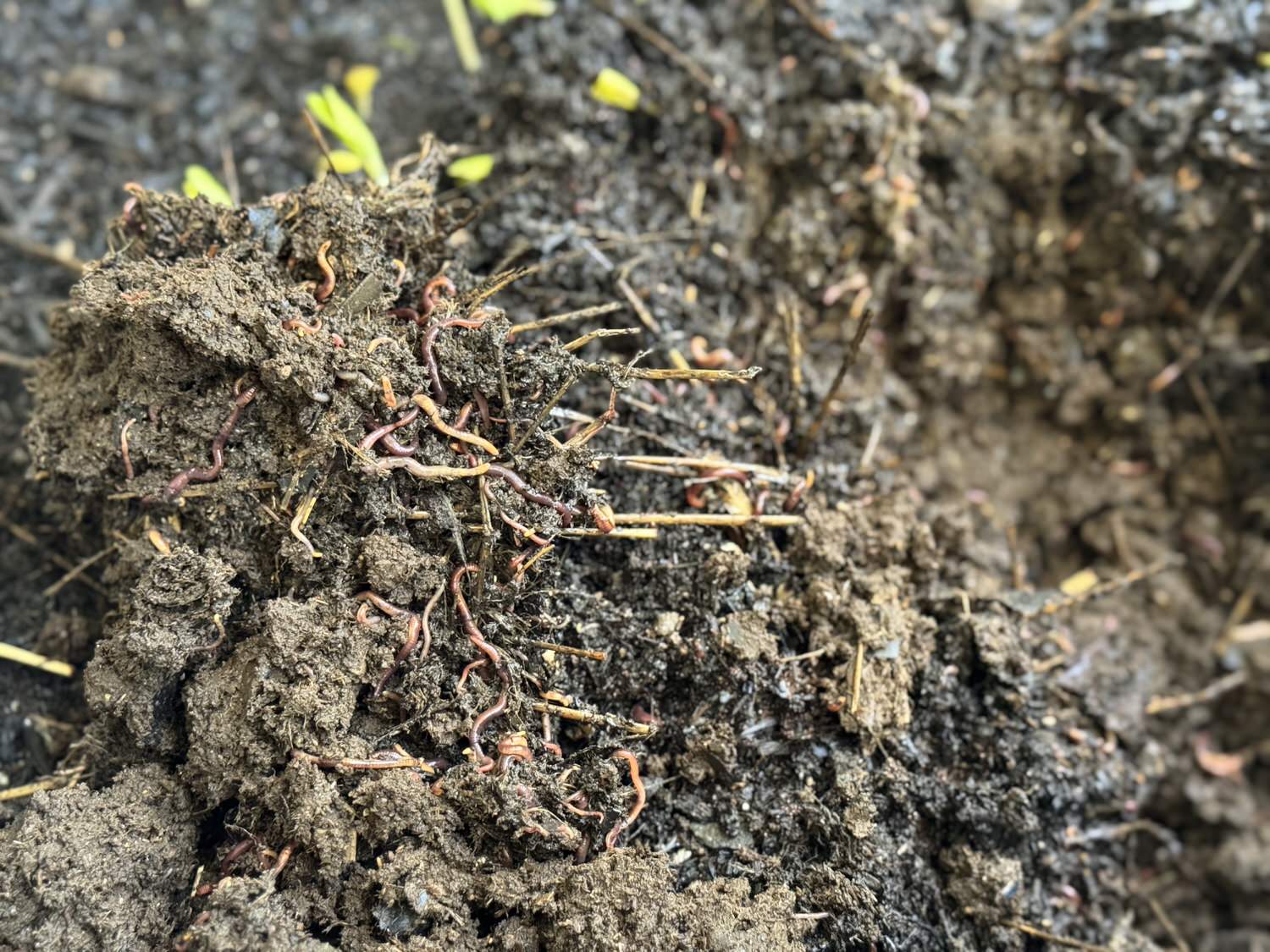
Credit: wormsdownunder.com
Benefits Of Composting
Composting enriches soil with natural nutrients and organic matter. It helps plants grow healthier and stronger. Using compost supports sustainable gardening and reduces waste. The benefits of composting improve soil quality in many ways. These changes make soil more fertile and easier to work with. Understanding these benefits helps you apply compost effectively.
Soil Nutrient Enhancement
Compost adds essential nutrients like nitrogen, phosphorus, and potassium. These nutrients feed plants and boost their growth. Compost releases nutrients slowly, providing steady nourishment. It also encourages beneficial microbes that help nutrient absorption. Using compost means fewer chemical fertilizers are needed.
Improved Soil Structure
Compost improves soil texture and crumbly feel. It binds soil particles into stable clumps called aggregates. This structure helps roots grow deep and strong. Better soil structure reduces erosion and compaction. It makes digging and planting easier for gardeners.
Water Retention Boost
Compost increases soil’s ability to hold water. It absorbs moisture and slowly releases it to plants. This reduces the need for frequent watering. Soils rich in compost stay moist longer during dry spells. Improved water retention saves water and supports plant health.
Choosing The Right Compost
Choosing the right compost is important for healthy soil and strong plants. Compost adds nutrients and improves soil structure. The type and quality of compost affect how well it works in your garden. Knowing what to pick helps you get the best results.
Types Of Compost
Compost comes in many forms. Leaf compost is made from fallen leaves. It adds organic matter and helps soil retain water. Manure compost comes from animal waste. It is rich in nitrogen and boosts plant growth. Food scrap compost uses kitchen waste. It breaks down quickly and adds diverse nutrients. Choose compost that fits your soil needs and plants.
Quality Indicators
Good compost looks dark and crumbly. It smells earthy, not sour or rotten. It should be free of large sticks or plastic. Well-made compost heats up during breakdown and cools when ready. Test by squeezing it; it should hold shape but crumble easily. Quality compost improves soil texture and feeds plants slowly.
Avoiding Contaminants
Contaminants harm plants and soil health. Avoid compost with chemicals, plastics, or glass. Do not use compost from treated wood or diseased plants. Check for weed seeds that can spread. Use compost from trusted sources or make your own carefully. Clean compost keeps your garden safe and thriving.
Preparing Soil For Compost
Preparing soil for compost is a crucial step before adding organic matter. Proper preparation helps compost blend well with soil. It improves soil health and plant growth. Take time to prepare soil correctly for best results.
Clearing Debris
Start by removing rocks, sticks, and old plant material. Clear the area to make space for fresh compost. Debris can block compost from mixing well with soil. Clean soil allows nutrients to spread evenly.
Soil Testing Basics
Test soil to know its current condition. Use a simple soil test kit or send samples to a lab. Check for pH level and nutrient content. Testing helps decide how much compost is needed. It prevents overuse or waste of compost.
Optimal Soil Conditions
Soil works best when it is moist but not soggy. Soft, loose soil mixes well with compost. Avoid compacted or very dry soil. Use a garden fork or tiller to loosen soil first. Good soil structure helps roots absorb nutrients better.
Effective Compost Application Methods
Applying compost to soil correctly boosts plant health and soil quality. Different methods suit various plants and garden types. Choosing the right way helps compost work best. Here are three effective methods to apply compost for great results.
Top Dressing
Top dressing means spreading compost on soil surface. This method feeds plants slowly as nutrients soak in. It protects soil from drying and reduces weeds. Spread a thin layer, about 1 to 2 inches thick. Avoid burying compost here to keep its benefits on top.
Incorporation Into Soil
Mixing compost into soil improves soil structure and nutrient mix. Use a garden fork or tiller to blend compost with topsoil. This method works well before planting. It helps roots grow deeper and access nutrients easily. Aim for about 20% compost in the soil mix for best effect.
Mulching With Compost
Mulching covers soil with compost to protect plants and keep moisture. Apply a 2 to 3 inch layer around plants, leaving space near stems. Mulch keeps soil temperature steady and stops erosion. It also feeds soil as it breaks down slowly over time.
Timing For Compost Application
Applying compost at the right time helps plants absorb nutrients better. It improves soil health and supports growth. Knowing when to add compost makes your garden more productive.
Seasonal Considerations
Spring and fall are ideal for compost application. In spring, compost prepares soil for new plants. Fall allows nutrients to settle before winter. Avoid applying compost during extreme heat or drought. Moist soil helps compost break down faster.
Before Planting
Spread compost a few weeks before planting. This gives nutrients time to mix with soil. Work compost into the top 6 inches of soil. It improves soil texture and fertility. Plants start strong with nutrient-rich soil.
During Growing Season
Use compost as a mulch or side dressing. Apply around plants every 4 to 6 weeks. It keeps soil moist and adds nutrients slowly. Avoid piling compost against plant stems. This prevents rot and pest problems.
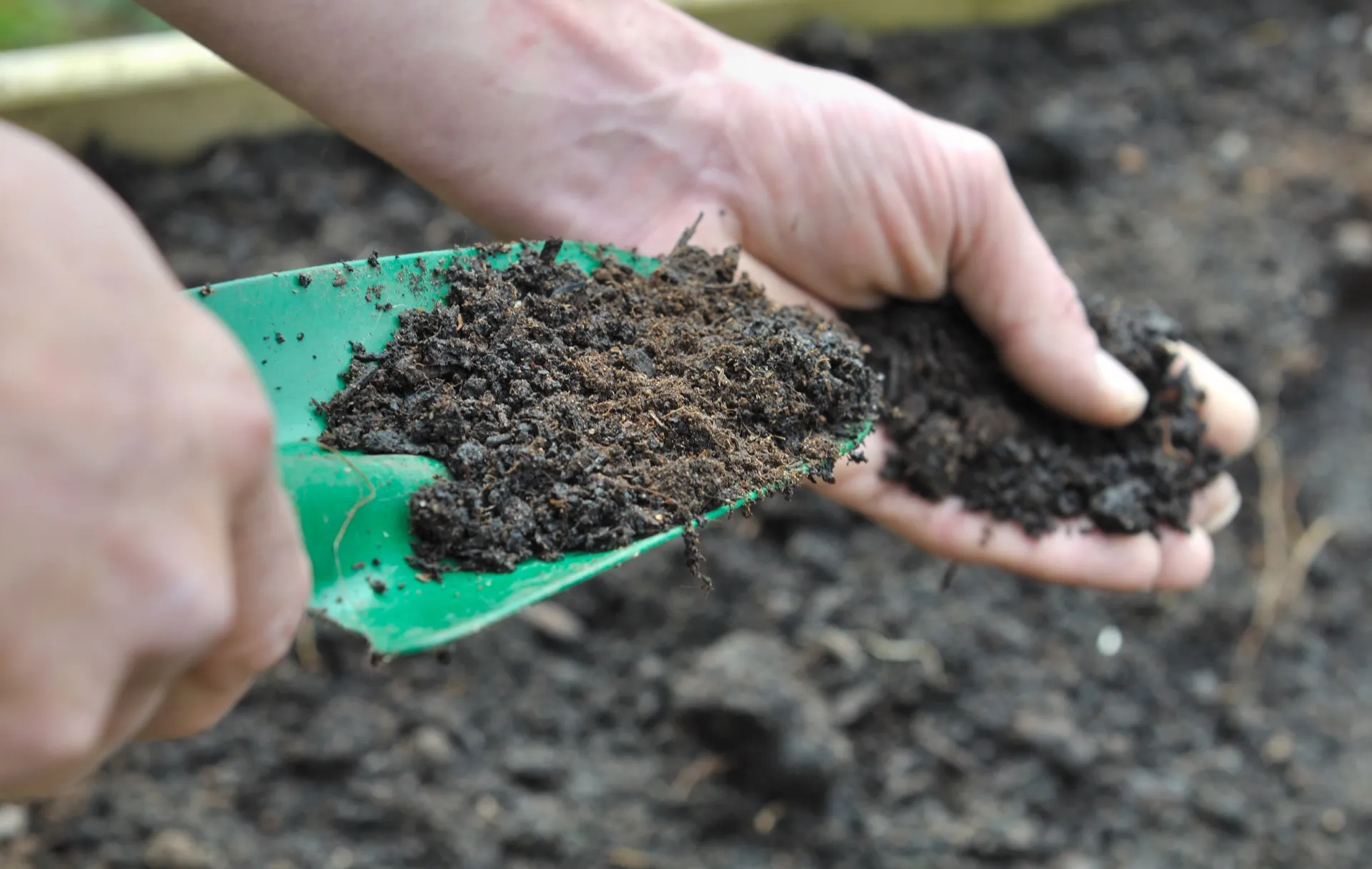
Credit: humicfactory.com
Amount Of Compost To Use
Knowing the right amount of compost to use is key for healthy soil and plants. Using the right quantity helps plants grow strong and keeps the soil rich. Too little compost will not improve the soil much. Too much can harm plants or waste resources. Understanding how much compost to apply depends on several factors like soil type and plant needs.
Recommended Quantities
For most gardens, spread 1 to 3 inches of compost on the soil surface. This layer adds nutrients and improves soil texture. Mix compost into the top 6 to 8 inches of soil for best results. For new beds, use a thicker layer up to 3 inches. For established beds, 1 to 2 inches is enough.
Vegetable gardens usually need about 1 to 2 inches of compost each year. Flower beds benefit from 1 inch every spring. Lawns can receive a thin layer, about 1/4 to 1/2 inch, to avoid smothering grass.
Avoiding Over-application
Too much compost can cause nutrient imbalance and root problems. Excess compost may burn plants or attract pests. Avoid applying more than 3 inches at once. If adding compost yearly, keep layers thin. Over-application wastes compost and may harm soil life.
Check soil regularly to prevent build-up of salts or nutrients. Stop adding compost if soil feels heavy or sticky. Spread compost evenly to avoid thick patches. A balanced approach keeps soil healthy and plants thriving.
Adjusting For Soil Type
Sandy soils need more compost because they drain quickly and lack nutrients. Add 2 to 3 inches to sandy soil to improve moisture and fertility. Clay soils need less compost, about 1 inch, to avoid heaviness. Compost helps clay soil drain better but too much causes compaction.
Loamy soils are balanced and need moderate compost amounts. Use about 1 to 2 inches to maintain good soil structure. Adjust compost based on plant type and soil test results. This helps create the best environment for growth.
Maintaining Soil Health After Application
Maintaining soil health after applying compost is important for lasting plant growth. Compost adds nutrients and improves soil structure. But care is needed to keep soil balanced and fertile. Proper care helps plants absorb nutrients and stay strong. Follow these simple steps to keep your soil healthy after compost use.
Irrigation Tips
Water the soil gently after applying compost. This helps nutrients soak into the soil. Avoid overwatering, which can wash away nutrients. Use drip irrigation or slow watering methods. Keep the soil moist but not soggy. Proper watering supports compost breakdown and nutrient release.
Monitoring Soil Ph
Check soil pH regularly to keep it balanced. Compost can change soil acidity or alkalinity. Most plants prefer a pH between 6 and 7. Use a simple pH test kit to measure soil. Adjust soil pH with lime or sulfur if needed. Balanced pH helps plants absorb nutrients well.
Regular Soil Testing
Test soil every few months for nutrients and health. Soil tests show if nutrients from compost are enough. Look for nitrogen, phosphorus, potassium, and other minerals. Add fertilizers only if tests show a deficiency. Regular testing prevents nutrient problems and keeps soil fertile.
Common Mistakes To Avoid
Applying compost correctly improves soil health and plant growth. Avoiding common mistakes helps you get the best results. These errors can waste compost or harm plants. Knowing what to avoid keeps your soil rich and productive.
Using Poor Quality Compost
Low-quality compost often contains weeds, pests, or chemicals. It may not break down well, leaving your soil dirty. Use compost that is dark, crumbly, and smells earthy. Check for no large sticks or plastic pieces. Good compost feeds plants without causing harm.
Applying Too Much Compost
Too much compost can upset soil balance. It may cause nutrient overload or water issues. Apply compost in thin layers, about 1 to 3 inches thick. Mix compost into the topsoil to avoid smothering plants. Less is more for healthy roots and growth.
Ignoring Soil Conditions
Different soils need different care. Sandy soil drains fast and may need more compost. Clay soil holds water and benefits from compost to improve texture. Test your soil before adding compost. Adjust compost amount based on soil type and plant needs.
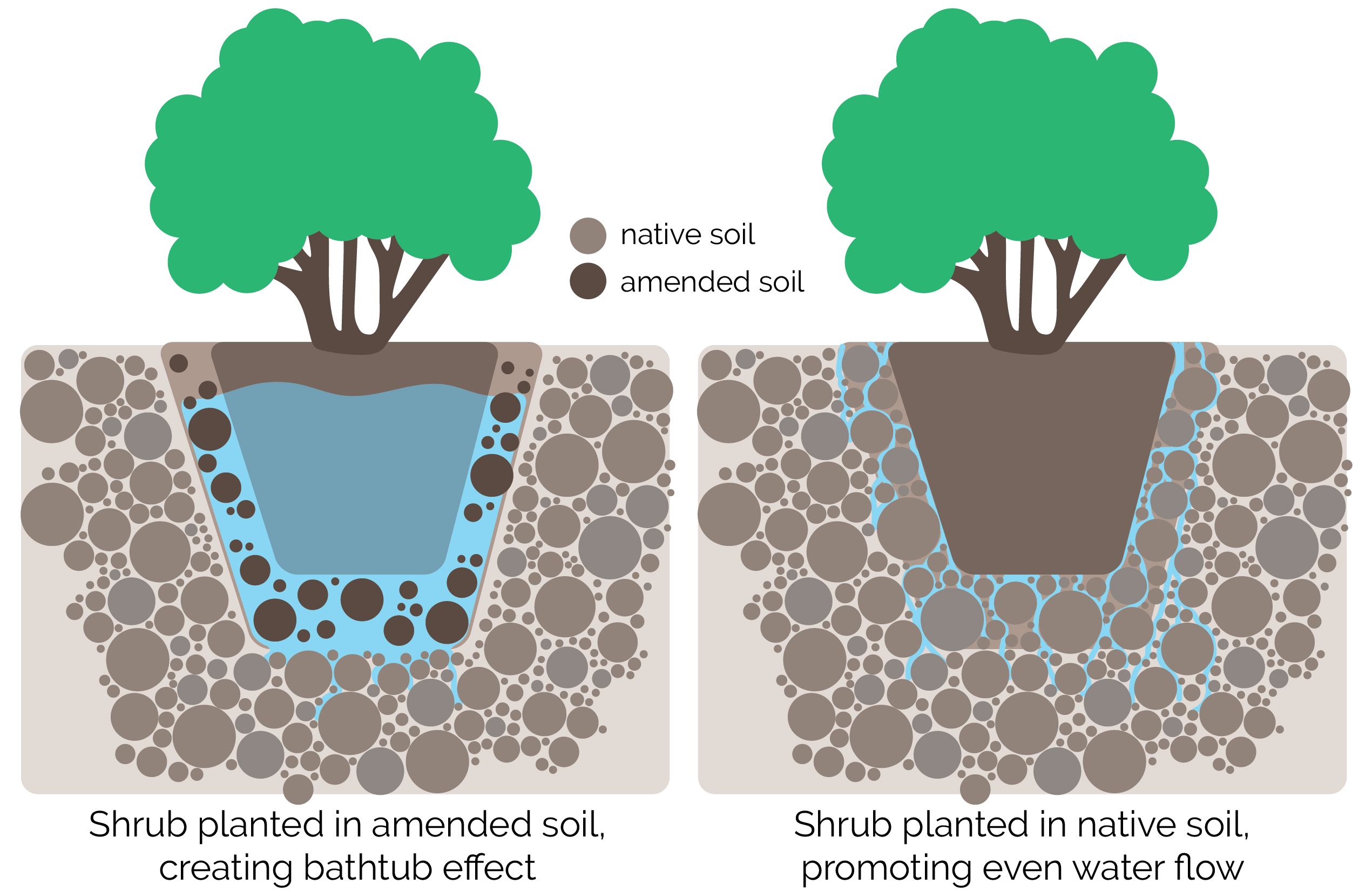
Credit: www.provenwinners.com
Frequently Asked Questions
How Often Should I Apply Compost To Soil?
Apply compost to soil 2-3 times a year. Ideal times are spring, fall, and before planting. This keeps soil nutrients balanced and promotes healthy plant growth.
What Is The Best Way To Mix Compost Into Soil?
Incorporate compost by spreading it evenly on soil. Then, gently till or turn the soil to mix compost well. This improves soil structure and nutrient distribution for maximum effectiveness.
Can I Use Compost On All Soil Types?
Yes, compost benefits all soil types. It improves sandy soil’s water retention and adds nutrients to clay soil. Compost enhances overall soil health regardless of soil texture.
How Much Compost Should I Apply Per Square Foot?
Apply compost in a 1-3 inch layer over soil surface. This amount enriches soil without overwhelming plants. Adjust thickness based on soil quality and plant needs.
Conclusion
Applying compost correctly boosts soil health and plant growth. Spread it evenly for best results. Mix compost well into the topsoil to feed roots. Water after applying to help nutrients soak in. Use compost regularly to keep soil rich and alive.
Healthy soil means stronger plants and better harvests. Keep composting—it’s a simple step that makes a big difference. Your garden will thank you for the care you give.