
Weeds can quickly take over your garden, stealing nutrients and sunlight from the plants you worked so hard to grow. But you don’t want to use harsh chemicals that could harm your flowers, vegetables, or even your pets.
That’s where natural herbicides come in—safe, effective, and easy to make or find. If you’ve been wondering how to apply a natural herbicide to your garden plants without damaging them, this guide is exactly what you need. Keep reading to discover simple steps and insider tips that will help you protect your garden and keep it thriving, all while using gentle, natural solutions.
:max_bytes(150000):strip_icc()/weedsillu-ca26e1a9ff9c4bd5b1453c590a93b6c1.jpg)
Credit: www.treehugger.com
Benefits Of Natural Herbicides
Natural herbicides offer a safe and gentle way to control weeds. They work without harming the soil or surrounding plants. Using these products supports a healthy garden ecosystem. Many gardeners prefer natural options for their low impact and effectiveness.
These herbicides break down quickly and do not leave harmful residues. They help maintain soil health and protect beneficial insects. Choosing natural herbicides is a smart step for sustainable gardening.
Eco-friendly Weed Control
Natural herbicides use ingredients from plants or minerals. They do not pollute the soil or water. This reduces harm to wildlife and beneficial insects. Using eco-friendly weed control helps keep your garden balanced. It also prevents chemical buildup that can damage plants over time.
Safety For Pets And Children
Many natural herbicides are safe around pets and kids. They avoid harsh chemicals that can cause illness or skin irritation. This safety makes natural herbicides ideal for family gardens. You can keep your garden weed-free without worry. Always follow instructions to ensure the best safety practices.
Cost-effective Solutions
Natural herbicides often use common household items like vinegar or salt. This makes them affordable and easy to prepare at home. You save money compared to buying synthetic chemicals. Many natural recipes work well with minimal ingredients. This cost-effective approach fits small and large gardens alike.
Common Natural Herbicide Ingredients
Natural herbicides use simple, safe ingredients to control weeds in gardens. These ingredients work by targeting unwanted plants without harsh chemicals. Knowing common natural herbicide ingredients helps gardeners choose the right mix. Each ingredient plays a unique role in killing or weakening weeds. Understanding their effects leads to better, safer weed control.
Vinegar And Acetic Acid
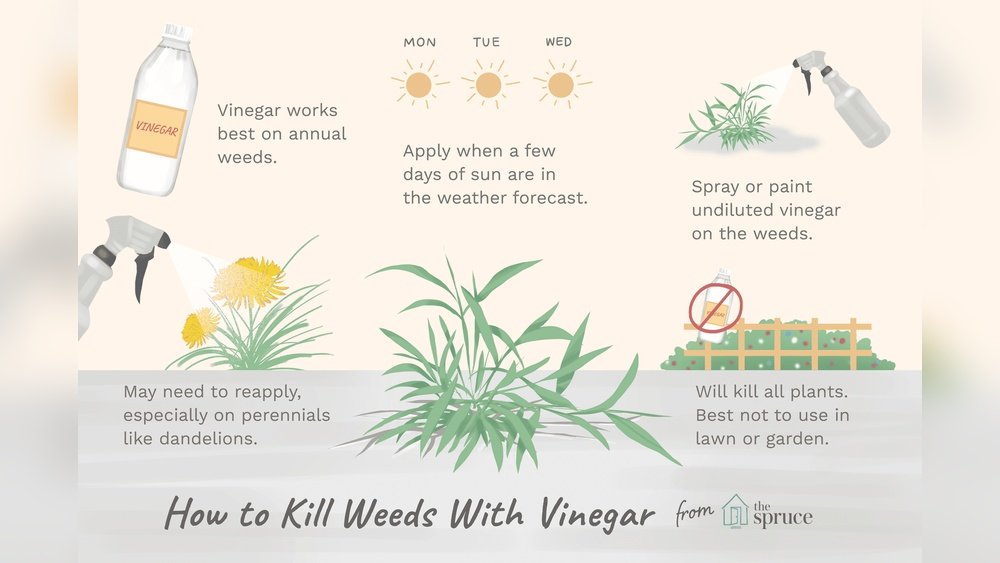
Vinegar contains acetic acid, which burns plant leaves. This acid breaks down the weed’s outer cells. It dries out the plant quickly. Higher acetic acid vinegar works faster but can harm soil health. Use regular household vinegar for mild effects. Spray vinegar directly on weeds during sunny days. Avoid contact with plants you want to keep.
Salt And Its Effects
Salt removes moisture from weed roots and leaves. It creates a dry environment, making it hard for weeds to survive. Salt works best in small areas to avoid soil damage. Too much salt can stop other plants from growing. Dissolve salt in water before spraying. Apply carefully to avoid spreading to garden plants.
Dish Soap As A Surfactant
Dish soap helps herbicide mix stick to plant leaves. It breaks down the waxy surface of weeds. This allows vinegar and salt to penetrate better. Use a few drops of mild dish soap in the solution. Stir gently to avoid creating too many suds. Soap improves the herbicide’s effectiveness on tough weeds.
Preparing Your Natural Herbicide
Preparing your natural herbicide is a crucial step before applying it to your garden plants. This preparation ensures the mixture is effective in controlling unwanted weeds while being safe for your desired plants. The right blend and tools make the process easier and more efficient. Below are simple steps to prepare your natural herbicide at home using common ingredients.
Mixing Vinegar, Salt, And Soap
Start by pouring one gallon of white vinegar into a large container. Add one cup of salt and stir until it dissolves completely. Next, add one tablespoon of liquid soap, such as dish soap, to help the solution stick to the leaves. Stir gently to avoid creating too many suds. This mixture uses vinegar’s acetic acid to burn weeds, salt to draw out moisture, and soap to improve adhesion.
Choosing The Right Concentrations
Use household vinegar with 5% acetic acid for general weed control. Higher concentrations can harm nearby plants and soil. One cup of salt per gallon is enough to dry out weeds without causing salt buildup. Add soap sparingly—too much can create excess foam and reduce effectiveness. Adjust amounts carefully based on weed toughness and plant sensitivity.
Tools Needed For Application
Gather a spray bottle or garden sprayer to apply the herbicide evenly. Use gloves to protect your skin from irritation. A funnel helps pour the mixture into the sprayer without spills. Carry a small brush or cloth to spot-treat weeds close to delicate plants. These tools improve accuracy and keep your garden safe.
:max_bytes(150000):strip_icc()/spraying-garden-weed-killer-getty-0521-2000-eab8e4e5fa0c4f46a5f3d5f6990e5199.jpg)
Credit: www.marthastewart.com
Best Conditions For Application
Applying a natural herbicide correctly increases its effectiveness and protects your garden plants. Choosing the right conditions helps the herbicide target weeds while keeping your plants safe. Understanding the best timing, weather, and soil factors is key for a successful application.
Timing And Weather Considerations
Apply natural herbicide on a dry, sunny day. The sun helps the mixture work faster by drying the weed leaves. Avoid windy days to prevent spray drift onto garden plants. Early morning or late afternoon is ideal to reduce evaporation. Do not spray before rain, as water washes away the herbicide.
Targeting Weeds Without Harming Plants
Use a spray bottle or brush for precise application. Focus directly on the weeds’ leaves to avoid contact with garden plants. Keep a safe distance from desirable plants. Shield young or sensitive plants using cardboard or cloth. Spot treatment is better than spraying the whole area.
Avoiding Soil Damage
Natural herbicides may affect soil health if overused. Apply only on the leaves, not the soil. Avoid pouring excess herbicide on the ground. Let the soil dry between applications to maintain good microorganisms. Use organic mulch to protect soil and reduce weed growth naturally.
Step-by-step Application Guide
Applying a natural herbicide correctly ensures effective weed control without harming your garden plants. Follow this step-by-step guide for safe and efficient application. Proper technique helps the herbicide reach the weeds and work faster. Understanding different methods will help you treat both small and large areas with ease.
Spot Treatment Techniques
Use spot treatment for isolated weeds near your plants. Fill a spray bottle with the natural herbicide mixture. Spray directly on the leaves of each weed. Avoid spraying nearby plants to prevent damage. Apply on a sunny day for quicker results. Repeat treatment after a few days if needed. This method saves herbicide and protects your garden plants.
Spraying Methods For Larger Areas
For bigger weed patches, use a garden sprayer with a wider nozzle. Mix the herbicide as directed and fill the sprayer tank. Spray evenly over the entire area with weeds. Keep the spray low to avoid drift onto plants. Work methodically to cover all weeds without missing spots. Choose calm weather to prevent spray from blowing away. Reapply as necessary to control tough weeds.
Safety Measures During Application
Wear gloves and protective clothing to avoid skin contact. Work in a well-ventilated area or outdoors only. Keep children and pets away from treated areas until dry. Wash hands and tools after application to remove residue. Store leftover herbicide safely out of reach. Follow all product instructions carefully for safe use. These steps protect your health and your garden’s wellbeing.
Managing Persistent Weeds
Persistent weeds can be tough to control with just one treatment. They often grow back quickly, competing with your garden plants for nutrients and water. Using a natural herbicide requires patience and a consistent approach. Combining different methods helps keep your garden healthy and weed-free.
Regular care and attention are key to managing these stubborn weeds. A natural herbicide works best when you follow up with other weed control practices. This way, you protect your plants and reduce weed growth effectively.
When To Reapply Herbicide
Reapplication depends on the weed type and weather conditions. Watch for new weed growth or any that look healthy again. Apply the herbicide on dry days to avoid washing it away. Wait at least 7 to 10 days before spraying again. Multiple treatments may be necessary for tough weeds.
Combining Mulching With Herbicide Use
Mulching creates a barrier that blocks sunlight from reaching weed seeds. Use organic mulch like straw, wood chips, or leaves around your plants. Apply mulch after spraying the herbicide to increase its effectiveness. Mulch also keeps soil moist and cool, helping your plants grow better. This combination reduces weed regrowth and soil erosion.
Manual Weed Removal Tips
Pull weeds by hand or use a hoe to remove roots completely. Do this when soil is moist for easier removal. Remove weeds before they flower to stop seed spread. Dispose of pulled weeds away from your garden to avoid re-seeding. Regular manual removal supports your natural herbicide efforts and keeps weeds under control.
Precautions And Limitations
Applying natural herbicides requires careful attention to precautions and limitations. These products are effective but must be used wisely to protect your garden’s health. Understanding their nature and effects helps avoid unintended damage and keeps your soil fertile.
Non-selective Nature Of Natural Herbicides
Natural herbicides often kill any plant they touch. They do not target specific weeds only. Spray carefully to avoid harming your flowers or vegetables. Use a shield or spray on a calm day to control where it lands.
Impact On Soil Health
Some natural herbicides can affect beneficial soil organisms. Overuse may reduce soil fertility over time. Use them sparingly and avoid frequent applications. Adding compost after treatment can help restore soil nutrients.
Avoiding Damage To Desirable Plants
Keep natural herbicides away from plants you want to keep. Cover nearby plants or apply with a brush for precision. Apply early in the morning or late in the day to reduce evaporation and drift. Always read product instructions carefully before use.

Credit: www.amazon.com
Alternative Natural Weed Control Methods
Natural herbicides are just one way to control weeds in your garden. Many gardeners prefer alternative methods that avoid chemicals altogether. These options protect your plants and keep your soil healthy. They also work well alongside natural herbicides for better results.
These methods use simple, natural actions to stop weeds from growing. They reduce the need for repeated spraying or harsh treatments. Let’s explore three effective natural weed control methods you can try.
Heavy Mulching Benefits
Mulching covers the soil with a thick layer of organic material. This blocks sunlight, stopping weed seeds from sprouting. Mulch also keeps the soil moist and cool, helping your plants thrive. Use straw, wood chips, or leaves as mulch. Spread it about 3 to 4 inches thick around your plants. Heavy mulching reduces the need for weeding and improves soil health over time.
Using Boiling Water Or Flame
Boiling water is a quick way to kill weeds. Pour it carefully over unwanted plants, avoiding your garden plants. The hot water burns the weed’s leaves and roots. Flame weeding uses a small torch to scorch weeds. It works best on young, small weeds. Both methods do not leave chemicals behind. Repeat treatments may be needed for tough weeds.
Introducing Ground Covers
Ground covers are low-growing plants that spread quickly. They shade the soil and block weed growth. Good ground covers include clover, creeping thyme, and moss. These plants add beauty and protect the soil from erosion. Choose ground covers that suit your garden’s climate and soil. Plant them close together for best weed control.
Frequently Asked Questions
What Can I Spray In My Garden To Kill Weeds But Not My Plants?
Spray a selective herbicide or a homemade mix of vinegar, salt, and dish soap carefully on weeds. Avoid contact with plants. Use mulch to suppress weeds without harming garden plants.
How To Get Rid Of Weeds In Garden Without Killing Plants Naturally?
Use mulch to block sunlight and hand-pull weeds carefully around plants. Apply vinegar-based spray directly on weeds, avoiding contact with plants. Regularly hoe soil to uproot weeds before they mature. Maintain healthy garden soil to promote strong plant growth and naturally suppress weeds.
How Do I Kill Grass In My Garden Without Killing Vegetables?
Use heavy mulch to smother grass without harming vegetables. Apply natural herbicides carefully, targeting only grass blades. Hand-pull grass near vegetables to avoid damage. Avoid spraying non-selective weed killers directly on vegetable plants. Maintain garden borders to prevent grass spread into vegetable areas.
Does Dawn And Vinegar Really Work To Kill Weeds?
Yes, vinegar mixed with Dawn soap kills many weeds by burning leaves and drying plants. It works best on sunny days but may need repeated use. Avoid contact with desirable plants, as it kills all vegetation it touches. Use salt sparingly to protect soil health.
Conclusion
Applying a natural herbicide helps control weeds without harsh chemicals. Always spray on a sunny day for best results. Avoid contact with plants you want to keep healthy. Repeat applications may be necessary for tough weeds. Use natural herbicides sparingly to protect soil health.
This method keeps your garden safe and green. Stay patient and watch your garden thrive.