
Are you dreaming of a vibrant garden bursting with colorful blooms come spring? The secret lies in planting your seeds during winter.
By sowing winter seeds now, you give your flowers a head start, ensuring they thrive when warmer days arrive. But how do you plant winter seeds the right way to guarantee those beautiful spring flowers? In this guide, you’ll discover simple, effective steps to prepare your garden and choose the best seeds for your Austin, Texas climate.
Get ready to transform your outdoor space and enjoy a stunning spring garden that will make your neighbors envious! Keep reading to unlock the easy secrets of winter seed planting.
Choosing Seeds For Winter Planting
Choosing the right seeds for winter planting is key to a vibrant spring garden. Seeds must tolerate cold and germinate as temperatures rise. Some flowers naturally thrive from winter sowing, giving your garden a head start. Picking the right type ensures strong, healthy blooms come spring. Consider flower type, native status, and life cycle for best results.
Best Flowers For Winter Sowing
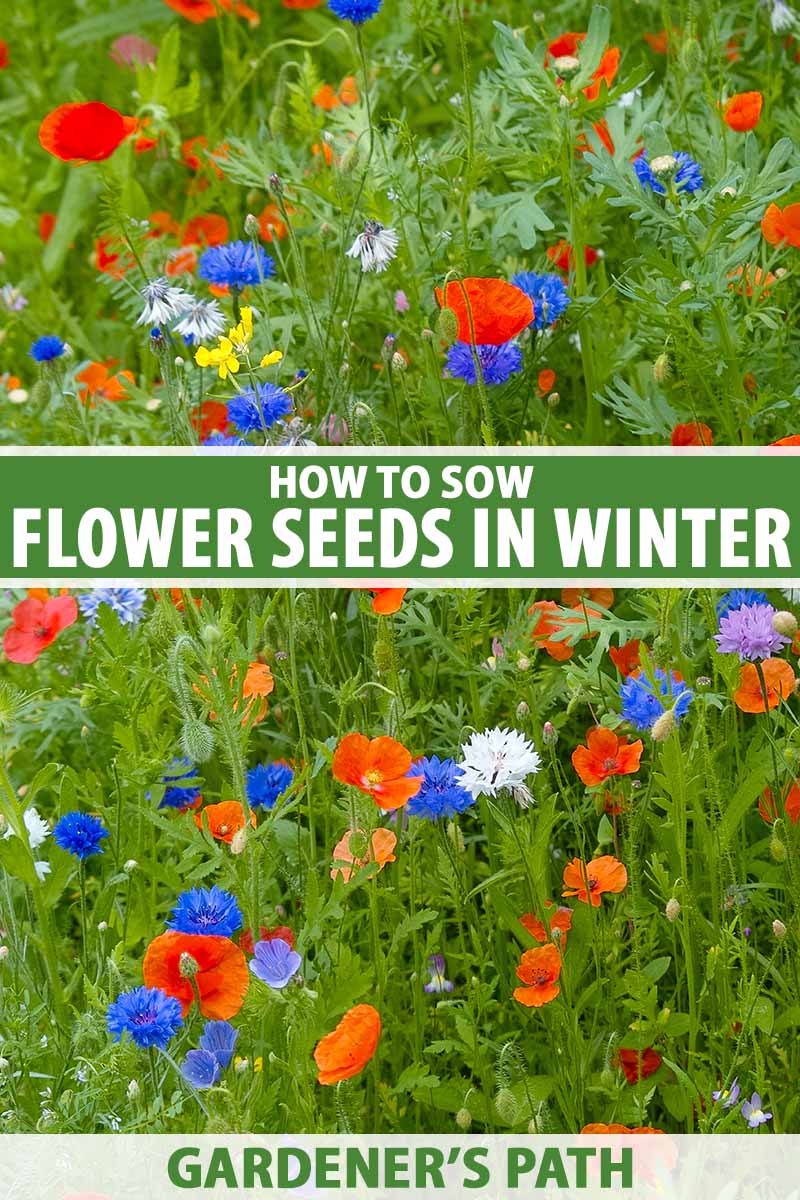
Some flowers do well when sown in winter. Pansies, violas, and poppies handle cold and bloom early. Calendulas and bachelor’s buttons also respond well to winter planting. These plants begin growing under snow or frost. They bloom beautifully in spring, adding color after winter fades.
Native Vs Non-native Seeds
Native seeds suit local climates and soils best. They often need less care and resist pests. Non-native seeds can offer unique colors and shapes. They may require more protection from cold. Choosing native seeds supports local wildlife and helps your garden thrive naturally.
Perennials And Annuals
Perennials return each year and benefit from winter sowing. Seeds develop strong roots before spring. Annuals grow and bloom in one season. Some annuals also do well with winter planting. Knowing the difference helps you plan your garden’s bloom cycle. Mixing both types gives color all spring long.

Credit: empressofdirt.net
Preparing Your Garden Bed
Preparing your garden bed is the first step to planting winter seeds for spring flowers. A well-prepared bed gives seeds the best chance to grow strong roots and healthy plants. Clear soil, good drainage, and rich nutrients all help seeds sprout and thrive in cold weather. Start early to finish before the ground freezes.
Clearing And Tilling Soil
Remove old plants, weeds, and debris from your garden bed. This clears space and reduces pests. Use a garden fork or tiller to turn the soil. Tilling loosens the earth, making it easier for seeds to push through. Break large clumps into smaller pieces for a smooth surface.
Improving Soil Drainage
Good drainage stops water from pooling around seeds. Wet soil can rot seeds before they sprout. Check your soil by digging a small hole and filling it with water. If water stays too long, add sand or fine gravel to improve drainage. Make small raised beds if your soil is very wet.
Adding Organic Matter
Organic matter feeds plants and improves soil texture. Compost, leaf mold, or aged manure work well. Spread a 2-3 inch layer over the soil. Mix it into the top 6 inches with a fork or tiller. This helps soil hold moisture and nutrients for your winter seeds.
Seed Sowing Techniques
Planting winter seeds requires careful seed sowing techniques to ensure healthy spring flowers. Proper sowing helps seeds get enough moisture, warmth, and light. Different methods work best for various seed types and garden spaces. Understanding these techniques improves seed germination and plant growth.
Direct Sowing In Ground
Direct sowing means planting seeds straight into garden soil. Choose a spot with loose, well-drained soil. Clear weeds and debris before planting. Sow seeds at the depth recommended on the seed packet. Lightly cover seeds with soil or sand. Water gently to keep soil moist but not soaked. This method suits hardy seeds that can survive winter cold outdoors.
Using Containers For Winter Sowing
Containers protect seeds from harsh weather while allowing air circulation. Use clear plastic pots or recycled containers with drainage holes. Fill containers with seed-starting mix or light soil. Sow seeds on the surface or shallow depth. Cover with a clear lid or plastic wrap to trap warmth and moisture. Place containers outside in a sheltered spot. This technique mimics natural winter conditions, helping seeds sprout in spring.
Mixing Seeds With Sand For Even Spread
Mixing small seeds with sand helps spread them evenly over soil. Use a clean container to combine seeds and dry sand. The sand acts as a filler, making it easier to scatter seeds without clumping. Spread the mixture over prepared soil using a gentle hand motion. This method prevents overcrowding and improves seed-to-soil contact. Lightly rake or press seeds into soil, then water gently to aid germination.
Timing And Weather Considerations
Planting winter seeds requires careful attention to timing and weather. The right moment to sow seeds ensures strong sprouts and beautiful spring flowers. Weather conditions affect seed germination and growth. Understanding these factors helps you plan a successful garden.
Ideal Sowing Time In Fall
Plant seeds in late fall, before the ground freezes. This timing allows seeds to start growing as temperatures warm in spring. Sowing too early can cause seeds to sprout before winter, risking frost damage. Late fall sowing mimics natural seed cycles and helps flowers bloom on time.
Cold Stratification Benefits
Cold stratification means exposing seeds to cold, moist conditions. This process breaks seed dormancy and encourages germination. Nature uses winter cold to prepare seeds for spring growth. You can mimic this by planting seeds outside in fall. Cold stratification increases germination rates and healthy seedlings.
Avoiding Harsh Winter Conditions
Protect seeds from extreme cold and drying winds. Use mulch or cover seeds lightly with soil to keep moisture and warmth. Avoid areas with heavy frost or ice buildup. Harsh conditions can kill seeds or delay sprouting. Proper protection helps seeds survive until spring.
Watering And Maintenance
Watering and maintenance are vital for winter seeds to bloom in spring. Proper care ensures seeds stay healthy and ready to sprout. Pay close attention to moisture, protection, and soil conditions. These steps help young plants grow strong and vibrant.
Moisture Needs For Germination
Seeds need consistent moisture to start growing. Water the soil gently after planting. Keep the soil damp but not soaked. Too much water can cause seeds to rot. Check the soil daily during dry spells. Light watering helps seeds sprout evenly and quickly.
Protecting Seeds From Birds And Wind
Birds and wind can disturb or carry away seeds. Cover the seeded area with a light layer of mulch or straw. Use netting or garden fabric to shield seeds from birds. Secure the cover with rocks or stakes to prevent wind damage. This keeps seeds safe until they sprout.
Monitoring Soil Temperature
Soil temperature affects seed germination speed. Use a soil thermometer to check daily. Most winter seeds germinate best between 40°F and 60°F. Cold soil slows growth, while too warm soil can dry out seeds. Adjust watering and covering to keep soil temperature steady.

Credit: hudsonvalleyseed.com
Troubleshooting Common Issues
Troubleshooting common issues helps protect your winter seeds and ensures strong spring blooms. Problems often arise from weather, pests, or soil conditions. Catching these early improves your garden’s success. Use simple steps to fix common challenges and keep your seeds healthy.
Preventing Seed Washout
Heavy rain or melting snow can wash away seeds. Plant seeds in well-drained soil to reduce washout risk. Lightly press seeds into the soil to keep them in place. Use mulch or straw as a protective cover. Create small ridges or barriers around the planting area. These slow water flow and protect seeds from washing away.
Dealing With Poor Germination
Poor germination happens when seeds don’t sprout well. Check seed quality before planting to ensure viability. Keep the soil moist but not soaked. Avoid planting too deep; follow seed packet instructions. Cold temperatures can delay germination—patience is key. If seeds fail, try planting fresh ones in a different spot.
Managing Pests And Diseases
Birds and insects may eat or damage seeds and seedlings. Use netting or row covers to protect young plants. Plant pest-resistant flower varieties to reduce problems. Remove diseased leaves or plants quickly to stop spread. Keep the garden clean and avoid overwatering to prevent fungal diseases. Regularly check plants for early signs of pests or illness.
Transplanting And Care In Spring
Transplanting and caring for your winter-sown seeds in spring is crucial for strong, healthy flowers. This phase moves seedlings from their cozy winter containers to the garden soil. Proper care during this time supports their growth and prepares them for the outdoor environment. Follow these simple steps for a smooth transition and vibrant blooms.
When To Thin Seedlings
Seedlings often grow close together. Thin them when they have two or three true leaves. Remove the weaker ones carefully to give space to stronger plants. This helps the remaining seedlings get enough light, air, and nutrients. Thinning prevents overcrowding and reduces disease risk.
Hardening Off Plants
Before planting seedlings outside, harden them off. This means slowly exposing them to outdoor conditions. Start by placing seedlings outside for a few hours a day. Increase the time outside over a week. Protect them from strong sun, wind, and frost. Hardening off helps plants adjust and reduces transplant shock.
Fertilizing For Healthy Growth
Use a balanced, gentle fertilizer after transplanting. This supports root and leaf development. Choose a fertilizer with equal parts nitrogen, phosphorus, and potassium. Apply it according to the package instructions. Avoid over-fertilizing, which can harm young plants. Regular feeding keeps your flowers strong and vibrant.
Credit: gardenerspath.com
Frequently Asked Questions
What To Plant In Winter For Spring Flowers?
Plant violas, pansies, primroses, poppies, calendula, delphiniums, bachelor’s buttons, ornamental kale, and forsythia in winter for spring blooms.
Can You Just Throw Wildflower Seeds Down?
You can scatter wildflower seeds, but prepare soil by clearing weeds and loosening it first. Lightly rake or press seeds into soil to ensure good contact. Water after sowing to help germination. This prevents seeds from blowing away or being eaten, improving growth success.
What Flowers Can You Start From Seed In Winter?
Start violas, pansies, bachelor’s buttons, ornamental kale, delphinium, primrose, poppies, and calendula from seed in winter indoors or using winter sowing.
Can I Plant Winter Seeds In The Fall?
Yes, you can plant winter seeds in fall. This allows seeds to undergo natural cold stratification for spring growth. Prepare soil by clearing weeds and loosening it. Sow seeds evenly and water lightly to keep moist until germination. This method improves seedling success in cold climates.
Conclusion
Planting winter seeds sets the stage for a vibrant spring garden. Preparing soil well helps seeds grow strong and healthy. Water seeds gently and keep soil moist for best results. Choose seeds suited for your local climate for easier growth.
Patience pays off when you see colorful flowers bloom next season. Enjoy the beauty that winter planting brings to your outdoor space. Start early, care for your seeds, and watch nature reward your effort.