
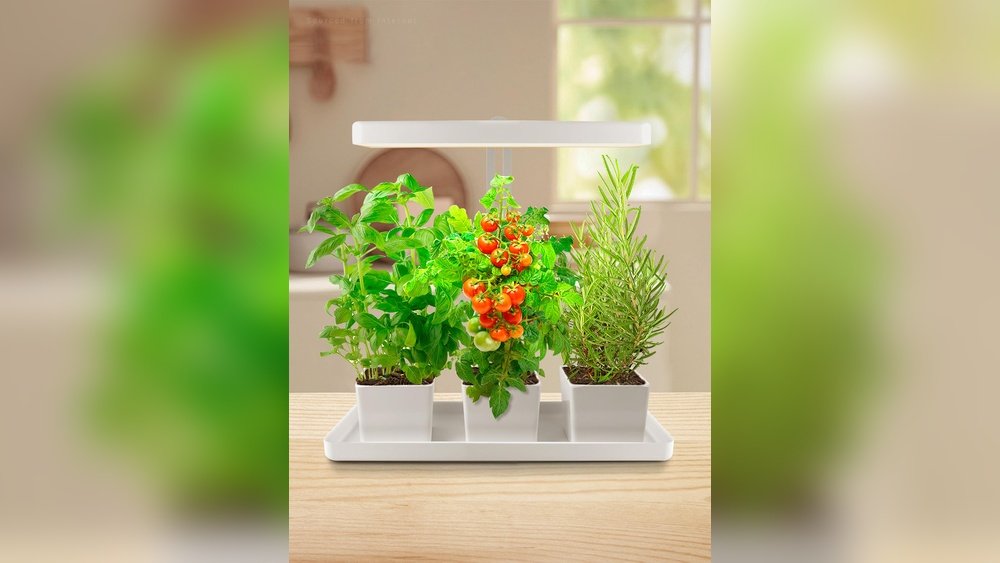
Imagine having fresh, fragrant herbs right at your fingertips, ready to enhance every meal you cook. Growing an indoor herb garden from seeds is not only rewarding but also surprisingly simple—even if you’ve never tried gardening before.
You’ll discover how to turn tiny seeds into thriving plants that brighten your kitchen and your dishes. In this guide, you’ll learn easy, step-by-step methods“>step-by-step methods to start your own indoor herb garden successfully, avoid common mistakes, and enjoy the freshest flavors year-round.
Ready to get your hands a little dirty and bring nature indoors? Let’s dive in!
Choosing Herb Seeds
Choosing the right herb seeds is the first step to a thriving indoor garden. Not all herbs grow well inside your home. Some need more light and space than you can give. Picking the right seeds makes growing easier and more fun. Focus on herbs that adapt well to indoor conditions. Consider how much light your space gets and how much care each herb needs. This helps you select seeds that will sprout strong and healthy.
Best Herbs For Indoor Gardens
Basil, parsley, and chives do well indoors. They need moderate light and regular watering. Mint grows fast and spreads easily, so keep it in a separate pot. Thyme and oregano are low-maintenance and like dry soil. Cilantro prefers cooler spots and less sunlight. These herbs offer fresh flavors for cooking all year round. Choose seeds of these herbs for a simple indoor garden.
Seeds To Avoid Indoors
Root vegetables like carrots and beets do not grow well inside. Their roots get damaged when transplanted. Large seeds such as beans and peas have sensitive roots. They grow quickly and suffer from transplant shock. Squash, cucumbers, and melons also dislike indoor growing due to their fast growth. Lettuce and spinach grow fast but need a lot of space. Avoid these seeds to reduce failure and frustration.
Where To Buy Quality Seeds
Buy seeds from local garden centers or trusted online stores. Look for organic and untreated seeds for better growth. Check seed packets for clear planting instructions and expiration dates. Seed companies with good reviews offer reliable quality. Avoid old or damaged packets, as seeds may not sprout. Quality seeds increase your chances of a healthy indoor herb garden.

Credit: www.botanicalinterests.com
Preparing For Planting
Preparing for planting is the first step in growing a healthy indoor herb garden from seeds. It ensures your herbs get the best start. Proper preparation helps seeds sprout strong and healthy. Focus on containers, soil, and lighting to create the right environment.
Selecting Containers
Choose containers with good drainage holes to avoid water buildup. Small pots or seed trays work well for starting seeds. Use containers deep enough for root growth, about 3 to 4 inches. Clean containers prevent disease and pests. Avoid containers that are too large; they hold excess moisture.
Choosing The Right Soil
Use a light, well-draining seed-starting mix. Avoid heavy garden soil that can suffocate seeds. A seed-starting mix often contains peat moss or coconut coir. These materials hold moisture but let air reach roots. Avoid soil with fertilizers; young seedlings do not need them yet.
Setting Up Proper Lighting
Herbs need plenty of light to grow indoors. Place containers near a south-facing window if possible. Use grow lights if natural light is limited. Keep lights about 2 to 3 inches above seedlings. Provide 12 to 16 hours of light daily for best growth.
Planting Seeds Indoors
Planting seeds indoors is the first step to growing a healthy indoor herb garden. It allows control over the environment and protects young plants. Starting seeds inside helps herbs develop strong roots before moving outdoors or to larger pots. Careful attention to seed planting improves germination rates and plant growth.
Seed Starting Techniques
Use seed trays or small pots with drainage holes. Fill them with seed-starting mix, which is light and drains well. Moisten the soil before planting. Place seeds evenly on the surface or slightly buried, depending on the herb type. Cover seeds lightly with soil or vermiculite. Keep trays in a warm spot with indirect light. Use a clear plastic cover to keep moisture in. Remove the cover once sprouts appear to prevent mold.
Planting Depth And Spacing
Plant seeds at a depth about twice their size. Tiny seeds need just a light dusting of soil. Larger seeds should be buried deeper but not too deep. Space seeds to avoid crowding, allowing room for growth. Crowded seeds compete for nutrients and light. Thin seedlings later if needed to keep proper spacing. Check seed packets for specific depth and spacing instructions for each herb.
Watering Methods For Seeds
Use a spray bottle to mist the soil gently. Avoid washing away seeds or drowning them. Keep the soil moist but not soaked. Water from the bottom by placing trays in shallow water for a few minutes. This helps roots grow downward. Check moisture daily to prevent drying out. Proper watering speeds up germination and prevents seed rot.
Caring For Seedlings
Caring for seedlings is a vital part of growing a healthy indoor herb garden. Young plants need special attention to thrive. Proper care helps them develop strong roots and leaves.
Seedlings are delicate. They require the right environment to grow well. This section explains key steps to nurture your herb seedlings successfully.
Maintaining Temperature And Humidity
Keep the temperature between 65°F and 75°F for most herb seedlings. Avoid cold drafts or hot spots near heaters. Consistent warmth encourages steady growth.
Humidity should stay around 50% to 70%. Use a humidity dome or mist the seedlings gently. Too much moisture can cause mold, while too little can dry out young plants.
Lighting Requirements For Growth
Seedlings need bright, indirect light for 12 to 16 hours daily. Place them near a south-facing window or use grow lights. Proper lighting prevents leggy, weak stems.
Adjust the light source as seedlings grow. Keep lights 2 to 4 inches above the plants. This distance helps maintain healthy, compact growth.
Identifying And Preventing Common Issues
Watch for signs of stress like yellowing leaves or slow growth. Overwatering causes root rot and wilting. Check soil moisture regularly and water only when dry.
Pests such as aphids or fungus gnats can attack seedlings. Inspect plants daily. Use gentle insecticidal soap if needed, avoiding harsh chemicals.
Seedlings may also suffer from damping-off disease. This fungal problem causes stems to collapse. Improve air circulation and avoid overwatering to prevent it.
Transplanting And Growing On
Transplanting seedlings is a vital step in growing a healthy indoor herb garden. After seeds sprout and grow their first true leaves, they need more space and nutrients to develop strong roots and stems. Moving seedlings to bigger pots allows better air circulation and prevents crowding. This phase helps herbs thrive and produce flavorful leaves for your kitchen.
When To Transplant Seedlings
Transplant seedlings when they have two to three sets of true leaves. True leaves are the second set of leaves that look like the mature plant’s leaves. Seedlings with only seed leaves should stay in their small containers. Wait until the roots fill the small pot but do not become root-bound. Gently check roots by sliding the seedling out of its container.
Choosing Larger Pots
Select pots that are one to two inches larger in diameter than the current container. Use pots with drainage holes to prevent waterlogging. Choose lightweight containers made from plastic, terracotta, or ceramic. Make sure the potting mix is loose and drains well. Avoid heavy soil that stays wet and harms roots. Clean pots before use to reduce disease risk.
Fertilizing Indoor Herbs
Feed herbs with a balanced, water-soluble fertilizer every two to four weeks. Dilute fertilizer to half the recommended strength for seedlings. Avoid overfeeding, which can burn roots and reduce flavor. Use organic options like fish emulsion or seaweed extract for gentle nutrition. Stop fertilizing a week before harvest to improve taste. Always water plants before applying fertilizer.

Credit: www.urbanturnip.org
Harvesting And Using Herbs
Harvesting and using herbs from your indoor garden is a rewarding step. It brings fresh flavors and aromas to your kitchen. Knowing the right time and method to harvest keeps your herbs healthy and productive. Proper use and storage extend their freshness and taste. Below are tips to help you enjoy your homegrown herbs fully.
Best Practices For Harvesting
Pick herbs in the morning after the dew dries. This is when their oils are strongest. Use sharp scissors or pruning shears to cut. Snip above a set of leaves to encourage new growth. Avoid cutting more than one-third of the plant at once. Regular harvesting keeps herbs bushy and healthy. Remove any dead or yellow leaves to keep plants vibrant.
Storing Fresh Herbs
Store most herbs wrapped in a damp paper towel inside a plastic bag. Place them in the fridge to keep them fresh longer. For herbs like basil, keep stems in a glass of water at room temperature. Change water every two days to prevent rot. Freeze chopped herbs in ice cube trays with olive oil for easy cooking use. Dry herbs by hanging small bunches upside down in a warm, dark place.
Using Herbs In Cooking And Beyond
Fresh herbs add flavor to soups, salads, and sauces. Add delicate leaves like basil or parsley at the end of cooking. Hardier herbs like rosemary or thyme can handle longer cooking times. Use herbs to make homemade herbal teas or infused oils. Fresh herbs also brighten up homemade beauty products. Experiment with your herbs to find new favorite uses.
Troubleshooting Common Problems
Growing an indoor herb garden from seeds is rewarding, but some issues may arise. Troubleshooting common problems helps keep herbs healthy and thriving. Understanding these issues early makes gardening easier and more enjoyable.
Dealing With Pests Indoors
Indoor herb gardens can attract pests like aphids and spider mites. These tiny insects can damage leaves and stunt growth. Check plants regularly for any signs of pests. Use a gentle spray of water to wash them off. Insecticidal soap can also control infestations safely. Keep plants clean and remove dead leaves to reduce hiding spots for pests.
Managing Overwatering And Underwatering
Watering is key for healthy herbs. Overwatering causes root rot and yellow leaves. Underwatering leads to dry, wilted plants. Feel the soil before watering; it should be dry an inch below the surface. Water plants only when needed, and ensure pots have drainage holes. Proper watering keeps roots healthy and herbs growing strong.
Preventing Mold And Diseases
Mold and diseases can harm indoor herbs, especially in humid conditions. Good air circulation around plants prevents mold growth. Avoid overcrowding pots and prune regularly. Use clean pots and fresh soil to reduce disease risk. Remove any moldy or diseased leaves immediately to protect the whole garden.
Seasonal Care Tips
Seasonal care plays a vital role in the success of your indoor herb garden. Each season brings different challenges and needs for your herbs. Adjusting your care routine helps keep your herbs healthy and productive throughout the year. Understanding how to care for herbs in winter, extending their growth, and preparing them for dormancy ensures a thriving garden.
Adjusting Care In Winter
Winter brings less sunlight and cooler temperatures indoors. Move your herb garden closer to a bright window. Use grow lights to provide extra light for 10-12 hours daily. Reduce watering to avoid root rot. Herbs grow slower in winter, so feed them less often. Keep herbs away from cold drafts and heating vents. Maintaining stable temperatures helps herbs survive the cold months.
Extending Herb Growth Year-round
To grow herbs year-round, control light and temperature. Use a timer for consistent light exposure. Keep room temperature between 65-75°F (18-24°C). Regularly prune herbs to encourage new growth. Rotate pots to ensure even light on all sides. Fertilize every 4-6 weeks with a balanced, water-soluble fertilizer. Avoid overcrowding to promote air circulation and prevent disease.
Preparing Herbs For Dormancy
Some herbs enter dormancy in cold seasons. Stop fertilizing and reduce watering gradually. Allow the soil to dry slightly between waterings. Trim back dead or yellow leaves to keep plants healthy. Move herbs to a cooler, darker spot if possible. Check herbs weekly for pests or mold. Dormancy helps herbs rest and regrow stronger in spring.

Credit: www.amazon.com
Frequently Asked Questions
Can I Grow Herbs From Seeds Indoors?
Yes, you can grow herbs from seeds indoors. Use well-draining soil, provide ample light, and keep soil moist for best results.
Which Seeds Should Not Be Started Indoors?
Avoid starting root vegetables (carrots, beets, radishes), large seeds (corn, beans, peas, squash), and fast-growing greens (lettuce, spinach) indoors. Their delicate roots or rapid growth cause transplant shock. Direct sowing outdoors ensures healthier plants and better growth success.
How Long Do Herbs Take To Grow From Seed Indoors?
Herbs grown indoors from seed usually take 7 to 21 days to germinate. Full growth for harvesting ranges from 4 to 12 weeks, depending on the herb type and care.
What Are Common Herb Growing Mistakes?
Common herb growing mistakes include overwatering, poor drainage, insufficient light, overcrowding plants, and using improper soil. Avoid these to ensure healthy growth.
Conclusion
Growing an indoor herb garden from seeds is simple and rewarding. Start with good soil and proper light. Water your seeds gently and watch them sprout. Keep herbs healthy by trimming and checking for pests. Fresh herbs add great flavor to your meals.
Enjoy the process and the results of your care. Small steps lead to a beautiful, thriving indoor garden. Your home will smell fresh and inviting every day. Start today and bring nature inside with ease.