
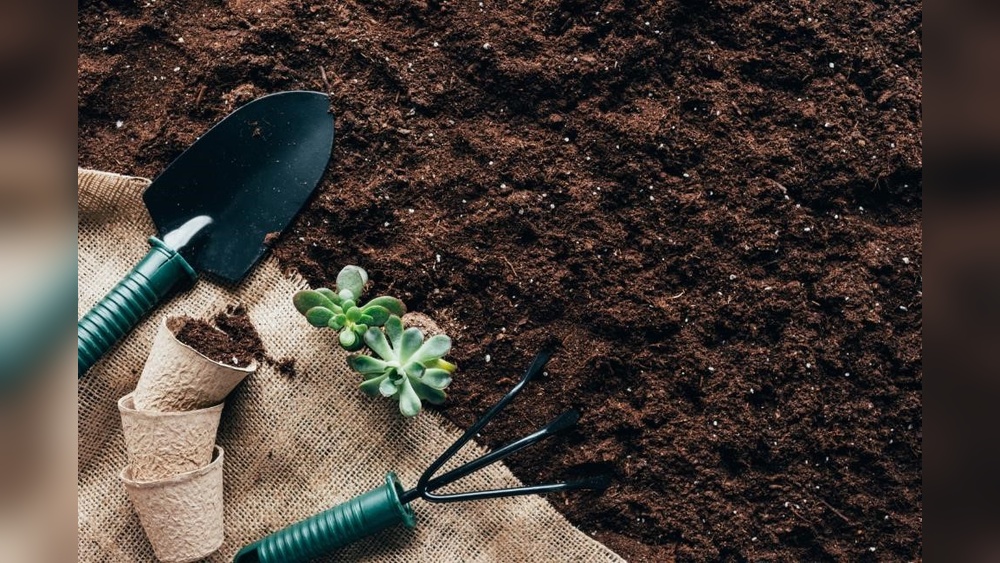
Gardening in raised beds can transform your outdoor space and make growing your favorite plants easier and more enjoyable. But to get the best results, you need the right tools designed specifically for raised bed gardening.
Are you wondering which tools will help you dig, plant, prune, and harvest without hassle? Choosing the wrong tools can waste your time and energy, while the right ones make every task feel effortless. In this guide, you’ll discover exactly how to select the perfect gardening tools that fit your raised beds and your gardening style.
Ready to make your raised bed garden thrive? Let’s dive in and find the tools that will work best for you.

Credit: baytobaynews.com
Choosing Raised Bed Tools
Choosing the right tools for gardening in raised beds makes a big difference. Raised beds have limited space and need precise care. Tools designed for these beds help work better and faster. This section explains how to pick tools that suit raised bed gardening.
Benefits Of Specialized Tools
Specialized tools fit the size and shape of raised beds. They help dig, plant, and weed with ease. Small hand tools work well in tight spaces. These tools reduce strain on your hands and back. Using the right tool saves time and effort. It also protects plants from damage.
Avoiding Long-handled Tools
Long-handled tools do not work well in raised beds. They are hard to control in small areas. These tools can damage plant roots or nearby plants. Shorter handles give better precision and comfort. Choosing compact tools helps maintain the bed neatly. Avoid tools made for open ground gardening.
Essential Hand Tools
Essential hand tools make gardening in raised beds easier and more efficient. These tools fit comfortably in your hands. They allow precise work in small spaces. Choosing the right tools helps you plant, prune, and weed with less effort.
Small, sharp, and sturdy tools last longer. They work well in the shallow soil of raised beds. Keep tools clean and dry to avoid rust. Good quality tools improve your gardening experience every day.
Hand Trowels For Planting
Hand trowels are small shovels for digging holes. They help plant seeds, bulbs, and seedlings quickly. Their pointed blade moves soil smoothly in tight spaces. Look for trowels with a comfortable grip and strong metal blade. A good trowel makes planting fast and neat.
Pruning Shears And Needlenose Pruners
Pruning shears cut thick stems and branches cleanly. They keep plants healthy by removing dead parts. Needlenose pruners reach tight spots between leaves. They are perfect for delicate trimming and harvesting. Choose sharp blades for smooth cuts that do not damage plants.
Stirrup Hoe For Weeding
The stirrup hoe removes weeds just below the soil surface. Its looped blade cuts weed roots easily. Use a gentle push-pull motion to clear weeds quickly. This tool saves time and protects plant roots. It is light and easy to handle in raised beds.
Soil Preparation Tools
Preparing the soil in raised beds is key for healthy plants. Good soil tools make this easier and more effective. Choosing the right tools helps you loosen, aerate, and enrich the soil. This section covers essential soil preparation tools for raised bed gardening.
Using A Garden Fork
A garden fork is a simple tool with strong, pointed tines. It breaks up compacted soil without damaging roots. You can dig, turn, and mix soil easily. Garden forks work well in raised beds because they reach deep. They help improve soil structure for better water flow.
Broadfork Advantages
The broadfork has wide, curved tines and two handles. It loosens soil in a large area at once. Unlike a garden fork, it does not turn the soil over. This keeps soil layers intact and preserves beneficial microbes. The broadfork reduces soil compaction and boosts root growth.
Soil Aeration Techniques
Aeration adds air to the soil, helping roots breathe. Use tools like garden forks or aerators to create small holes. This improves water absorption and nutrient uptake. Avoid over-tilling, which harms soil health. Regular aeration keeps raised bed soil loose and rich.
Planting And Seeding Tools
Planting and seeding tools help place seeds and plants precisely in raised beds. These tools improve accuracy and save time. They also ensure seeds are spaced well for healthy growth. Using the right tools makes planting easier and more efficient.
Earthway Seeder Benefits
The Earthway seeder is a popular choice for raised beds. It drops seeds evenly into the soil. This tool controls seed depth and spacing well. It works fast, covering large areas quickly. The seeder reduces seed waste by planting only where needed. This helps gardeners avoid overcrowding plants. Many find it easy to adjust for different seed sizes.
Planting Lines And Markers
Planting lines keep rows straight and organized. They help gardeners plant in neat lines for better growth. Markers show where seeds or plants are placed. These tools prevent confusion and accidental damage to young plants. Gardeners use string or wire as lines. Simple markers can be made from sticks or plastic tags. Using lines and markers improves garden layout and care.
Watering And Irrigation
Watering and irrigation play a vital role in raised bed gardening. Proper moisture helps plants grow strong and healthy. Raised beds dry out faster than traditional gardens. This makes efficient watering tools essential for success.
Choosing The Right Hose And Nozzle
Select a lightweight hose to reduce strain on your arms. A hose with a soft, flexible material works best for raised beds. Choose a nozzle with multiple spray patterns. This lets you adjust water flow to suit different plants. A gentle mist setting prevents soil erosion and protects seedlings. A shut-off valve helps control water use and avoids waste.
Irrigation Planning For Raised Beds
Plan irrigation to deliver water evenly across all plants. Drip irrigation systems are ideal for raised beds. They provide slow, direct watering to plant roots. This reduces evaporation and saves water. Lay drip lines along each row for consistent moisture. Use timers to automate watering schedules. This keeps soil moist without overwatering. Check for leaks regularly to maintain system efficiency.

Credit: www.familyhandyman.com
Supporting Plant Growth
Supporting plant growth in raised beds needs the right tools. Plants need help to grow strong and healthy. Tools that support plants keep them upright and healthy. These tools also make pruning and harvesting easier. Choosing the right tools ensures your plants thrive in raised beds.
Using Twine And Plant Supports
Twine helps keep plants upright. It supports climbing plants like tomatoes and beans. Use garden stakes or cages with twine for extra support. Twine is gentle and won’t harm stems. It helps plants grow straight and prevents breakage. Plant supports also improve air circulation. This reduces diseases and promotes healthy growth.
Pruning And Harvesting Tools
Pruning tools keep plants healthy by removing dead leaves and branches. Sharp pruners make clean cuts. This helps plants heal faster. Harvesting tools like scissors or shears make picking fruits easy. Good tools reduce damage to plants. Using the right pruning and harvesting tools improves plant health and crop yield.
Maintenance And Care Tools
Maintaining gardening tools is key for raised bed success. Tools must stay sharp, clean, and well stored. This keeps them working well and lasts longer. Proper care saves money and time in the long run.
Focus on two main areas: storing tools correctly and regular cleaning and sharpening. Both help keep your tools ready for every gardening task. Caring for tools also prevents rust and damage.
Tool Storage Tips
Store tools in a dry place to avoid rust. Use hooks or racks to keep tools off the ground. This prevents dirt buildup and damage. Keep sharp tools separate to avoid dulling edges. A toolbox or shed works well for storage. Label containers for easy tool finding. Clean tools before storing to stop pests and mold. Proper storage keeps tools safe and ready to use.
Regular Cleaning And Sharpening
Clean tools after each use to remove soil and debris. Use a brush or cloth for cleaning. Dry tools thoroughly to prevent rusting. Sharpen blades regularly for smooth cuts and less effort. Use a sharpening stone or file on pruners and blades. Check tools for loose parts and tighten them. Well-maintained tools make gardening easier and more enjoyable.

Credit: www.gardenary.com
Selecting Tools By Garden Size
Selecting the right gardening tools depends greatly on the size of your raised bed garden. Small and large gardens have different needs. Choosing tools that fit your garden size can make your work easier and more efficient.
Using tools that are too big or too small can slow down your gardening. The right tools help you plant, weed, and harvest with less effort. This section breaks down the best tools for small and large raised beds.
Tools For Small Raised Beds
Small raised beds need compact tools for tight spaces. A hand trowel is perfect for digging and planting seedlings. It fits easily in small beds and allows precise work.
Pruning shears help trim plants and harvest herbs or vegetables. Small hand forks loosen soil without disturbing nearby plants. A hand cultivator is good for weeding and aerating the soil.
Short-handled tools save space and reduce strain on your back. Avoid long-handled tools in small beds. They can be hard to control and may damage plants.
Tools For Large Raised Beds
Large raised beds need bigger tools to cover more ground quickly. A long-handled spade or shovel helps turn soil and dig larger holes. A garden fork loosens compacted soil and helps with compost mixing.
A hoe is useful for removing weeds across wide areas. A rake smooths soil and clears debris effectively. Long-handled pruning shears or loppers reach higher or bushy plants with ease.
Using tools designed for larger spaces saves time and energy. They allow you to work standing up, reducing fatigue. Choose durable tools with comfortable grips for frequent use.
Frequently Asked Questions
What Tools Are Best For Raised Bed Gardening?
Essential tools include a hand trowel, pruning shears, and a garden fork. These tools help with digging, planting, and soil aeration in raised beds. Choose tools with comfortable grips and appropriate sizes for the raised bed height to improve efficiency and reduce strain.
How To Choose Tools For Small Raised Beds?
Select compact tools like hand trowels and short-handled forks. These tools fit well in confined spaces and provide better control. Lightweight and ergonomic designs also enhance comfort during prolonged gardening tasks in small raised beds.
Why Use Pruning Shears In Raised Bed Gardening?
Pruning shears help trim plants, remove dead growth, and promote healthy development. They are precise and reduce damage to surrounding plants. Using sharp, quality pruning shears makes maintenance easier and supports better crop yields.
Which Tool Helps With Soil Aeration In Raised Beds?
A garden fork is ideal for loosening and aerating soil in raised beds. It improves drainage and root growth by breaking up compacted soil. Choose a garden fork with sturdy tines and a comfortable handle for ease of use.
Conclusion
Choosing the right tools makes gardening in raised beds easier and more fun. Focus on tools that fit your bed size and the plants you grow. Small hand tools help with digging and planting in tight spaces. Sharp pruners keep your plants healthy and neat.
Remember, comfort matters—pick tools that feel good in your hands. Start simple, then add tools as you learn. Good tools save time and effort. Enjoy your gardening journey with the right tools by your side.