
If you’re struggling with stubborn weeds invading your lawn or garden, applying post-emergent herbicides can be a powerful solution. But here’s the catch: using these chemicals without proper care can harm your plants, the environment, and even your health.
You want to get rid of those weeds effectively, yet safely. So, how do you strike that balance? This guide will walk you through simple, clear steps to apply post-emergent herbicides the right way. By following these tips, you’ll protect your green space, avoid common mistakes, and achieve the best results.
Ready to take control of your weeds safely? Let’s dive in.

Credit: www.amazon.com
Choosing The Right Herbicide
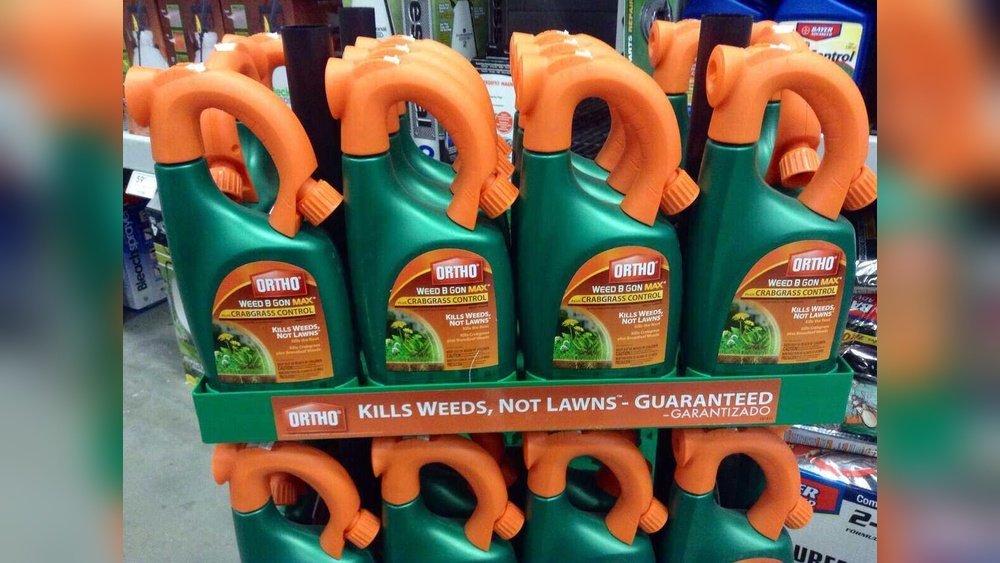
Choosing the right herbicide is a key step in safe post-emergent weed control. The choice depends on the type of weeds, the plants you want to protect, and the area you plan to treat. Selecting the correct product helps avoid damage to your lawn or garden. It also improves the effectiveness of weed removal. Understanding different herbicide types and how to read product labels can guide your decision.
Selective Vs Non-selective Options
Selective herbicides target specific weeds without harming desired plants. They work well in lawns or flower beds. Non-selective herbicides kill most plants they touch. Use these only on areas without valuable plants. Choosing between these types depends on your weed problem and the plants nearby.
Targeting Specific Weeds
Identify the weeds before applying herbicides. Different herbicides control different weed species. Some products target broadleaf weeds, while others focus on grasses. Knowing your weed type ensures you pick a herbicide that works. This prevents wasting product and harming your plants.
Reading Product Labels
Always read the product label carefully. Labels provide important details on safe use and application rates. They explain which plants are safe and which are sensitive. Follow all instructions to protect yourself and the environment. Proper use increases herbicide effectiveness and safety.
Optimal Timing For Application
Choosing the right time to apply post-emergent herbicides is crucial for effective weed control. Applying herbicides at the optimal moment ensures better absorption by weeds and reduces harm to desirable plants. Timing depends on various factors such as the season, weather, and temperature conditions. Understanding these helps protect your lawn and garden while maximizing herbicide performance.
Seasonal Considerations
Apply post-emergent herbicides during active weed growth. Weeds absorb chemicals better when they are young and growing fast. Late summer to early fall is often ideal. During this time, weeds store nutrients in roots, making herbicides more effective. Avoid application during dormancy or slow growth periods. This ensures the herbicide reaches the weed’s system properly.
Weather Conditions
Choose a calm day with no wind for spraying. Wind can cause herbicide drift, harming nearby plants. Avoid rain for at least 24 hours after application. Rain can wash away the herbicide before it works. Apply herbicides when temperatures range between 60 and 85 degrees Fahrenheit. Extreme heat or cold reduces herbicide effectiveness.
Avoiding Frost And Freeze
Do not apply herbicides if frost or freeze is expected. Freezing temperatures stop weed growth, limiting herbicide uptake. Frost-damaged leaves absorb less herbicide, reducing control. Wait until after the last frost to spray in spring. In fall, stop application well before the first hard freeze. This timing protects both your plants and the environment.
Preparing The Lawn And Equipment
Proper preparation of your lawn and equipment improves the safety and effectiveness of post-emergent herbicide application. Taking time to ready the soil, check moisture levels, and ensure your tools work correctly leads to better weed control results. Use the right safety gear to protect yourself during the process.
Checking Soil Moisture
Soil moisture affects how well herbicides work. The ground should be moist but not wet. Dry soil can cause the herbicide to burn plants or fail to absorb properly. Water the lawn a day before applying herbicide if the soil is too dry. Avoid applying after heavy rain, as the herbicide may wash away.
Calibrating Sprayers And Spreaders
Accurate calibration ensures the herbicide spreads evenly. Check your sprayer or spreader settings before use. Follow the product label for correct application rates. Test spray a small area to confirm the coverage. Adjust the equipment to avoid over or under applying the herbicide. Well-calibrated tools prevent damage to your lawn and the environment.
Safety Gear Essentials
Wear protective gear to avoid contact with chemicals. Use gloves, long sleeves, and long pants to cover your skin. Eye protection like goggles keeps chemicals out of your eyes. A mask or respirator prevents inhaling fumes. Always wash your hands and clothes after application. Safety gear reduces health risks during herbicide use.

Credit: lawnlove.com
Application Techniques
Applying post-emergent herbicides correctly ensures effective weed control and protects your plants. Understanding application techniques helps avoid damage and waste. Use the right method for your herbicide type and target area. Follow guidelines closely to get the best results.
Using Granular Vs Liquid Herbicides
Granular herbicides come in small pellets. They spread easily over the soil surface. Use a spreader for even application. Granular types release slowly, reducing runoff risk.
Liquid herbicides mix with water. Spray them directly on weeds for quick action. Use a sprayer with fine nozzles for uniform coverage. Liquid herbicides work fast but require careful handling to avoid drift.
Uniform Coverage Strategies
Cover all weed areas evenly. Use steady, overlapping spray or spreader passes. Avoid gaps to prevent missed weeds. Work in calm weather to reduce drift. Check equipment settings for consistent flow rates.
Move at a steady speed during application. Slow down near dense weed patches for better control. Uniform coverage improves herbicide performance and reduces repeat treatments.
Avoiding Over-application
Use the recommended herbicide dose. Too much can harm plants and soil. Follow label instructions carefully. Calibrate your equipment before use to apply the right amount.
Do not spray on windy days. Avoid applying before rain to prevent runoff. Over-application wastes product and increases environmental risks. Applying just the right amount protects your garden and saves money.
Post-application Care
Taking care after applying post-emergent herbicides is crucial for the best results. Proper post-application care helps the herbicide work effectively and protects your lawn or garden. It also reduces the risk of harming desirable plants and the environment.
Watering Requirements
Watering after applying herbicides depends on the product used. Some herbicides need watering to activate their ingredients. Others should stay dry for a while to avoid washing away. Read the label carefully to know the correct watering steps. Avoid heavy watering that causes runoff or spreads chemicals to unwanted areas.
Monitoring Treated Areas
Check treated areas regularly for weed response and any damage. Look for signs like yellowing or wilting leaves on weeds, which show the herbicide is working. Watch nearby plants for stress or damage. Early detection helps you act quickly to protect your plants and adjust care if needed.
When To Reapply
Some weeds may need a second herbicide treatment for full control. The product label usually explains the waiting time before reapplication. Avoid applying too soon, as it can harm plants or reduce effectiveness. Reapply only if weeds persist or new ones appear. Follow all safety instructions to protect your lawn and the environment.
Safety Precautions
Applying post-emergent herbicides requires careful attention to safety. These chemicals can harm people, pets, and the environment if handled incorrectly. Taking proper safety measures protects your health and the health of others around you. It also helps avoid contamination of water and soil. Follow these safety precautions every time you apply herbicides.
Protecting Yourself And Others
Wear protective clothing such as gloves, long sleeves, and pants. Use safety goggles to protect your eyes. Avoid breathing in sprays by wearing a mask. Keep children and pets away from the treated area. Wash your hands and face thoroughly after application.
Avoiding Contamination
Apply herbicides only on calm days to reduce drift. Do not spray near water sources or where runoff can occur. Clean all equipment after use to prevent residue buildup. Avoid eating, drinking, or smoking while applying herbicides. Use the correct amount to prevent excess chemicals from entering the environment.
Proper Storage And Disposal
Store herbicides in their original containers with labels intact. Keep them in a cool, dry place away from children and pets. Do not mix leftover herbicides with other chemicals. Dispose of empty containers according to local regulations. Never pour unused herbicides down drains or onto the ground.
Troubleshooting Common Issues
Troubleshooting common problems during post-emergent herbicide application helps protect your plants and improves results. Identifying issues early can prevent damage and save time. Understanding symptoms and adjusting your approach leads to safer use of herbicides.
Signs Of Herbicide Damage
Look for yellowing or browning leaves after applying herbicide. Leaves may curl, wilt, or show unusual spots. Slow growth or stunted plants can also indicate damage. Early detection helps stop further harm and guides corrective steps.
Dealing With Resistant Weeds
Some weeds may survive herbicide treatment due to resistance. These weeds grow back stronger and spread quickly. Use different herbicide types or mix methods to control resistant weeds. Rotate chemicals to reduce resistance buildup in your lawn or garden.
Adjusting Application Methods
Spray herbicides evenly and avoid over-application. Use proper equipment to control spray pattern and droplet size. Apply during calm weather to reduce drift and prevent damage to nearby plants. Follow label instructions for timing and dosage to ensure safety and effectiveness.
Credit: agrivruddhi.com
Frequently Asked Questions
How To Apply Post-emergent Herbicides?
Apply post-emergent herbicides directly to weed leaves during active growth. Use a sprayer for even coverage. Avoid windy days. Water after application if label instructs. Repeat treatment as needed for effective control.
What Is The Selective Herbicide For Cyperus Rotundus?
Sempra, containing halosulfuron-methyl, is a selective herbicide effective against Cyperus rotundus. Apply post-emergence for best results.
What Month Should I Apply Post-emergent?
Apply post-emergent herbicides between August and October when temperatures remain warm but before frost arrives. This timing ensures maximum weed control effectiveness.
Is October Too Late To Spray For Weeds?
October is not too late to spray for weeds. Apply herbicides before the first hard freeze for best results. Weeds absorb chemicals better while actively growing. Stop spraying once leaves yellow or frost occurs, as absorption decreases significantly. Always follow product label instructions for timing and temperature.
Conclusion
Applying post-emergent herbicides safely protects your lawn and the environment. Always follow label instructions and wear proper safety gear. Choose the right herbicide for your weed type and apply on calm, dry days. Avoid spraying near water sources to prevent contamination.
Keep children and pets away during and after application. Regular monitoring helps catch weeds early and reduces chemical use. Safe herbicide use leads to healthier grass and fewer weeds over time. Simple steps make a big difference in your lawn care routine.
Stay careful, stay patient, and your lawn will thank you.