
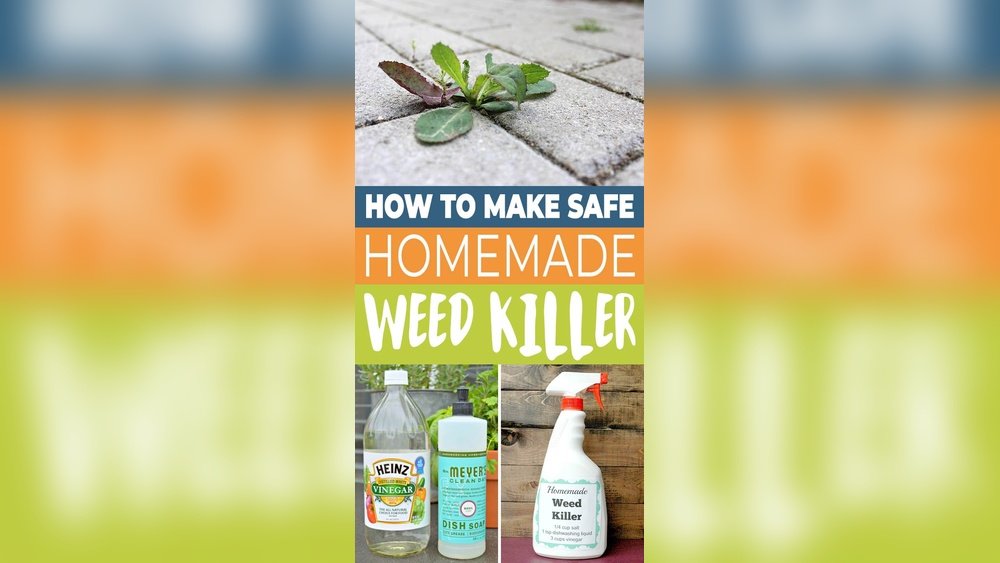
Weeds can quickly take over your garden, stealing nutrients and ruining the look of your outdoor space. If you’re tired of harsh chemicals and want a safer, eco-friendly way to keep your garden weed-free, you’ve come to the right place.
Imagine using simple ingredients from your kitchen to make powerful weed killers that are safe for your family, pets, and the environment. You’ll learn exactly how to make natural homemade weed killers that work effectively without the risks of commercial products.
Ready to take control of your garden the natural way? Let’s dive in and discover easy recipes you can start using today!
Credit: growfully.com
Ingredients For Weed Killers
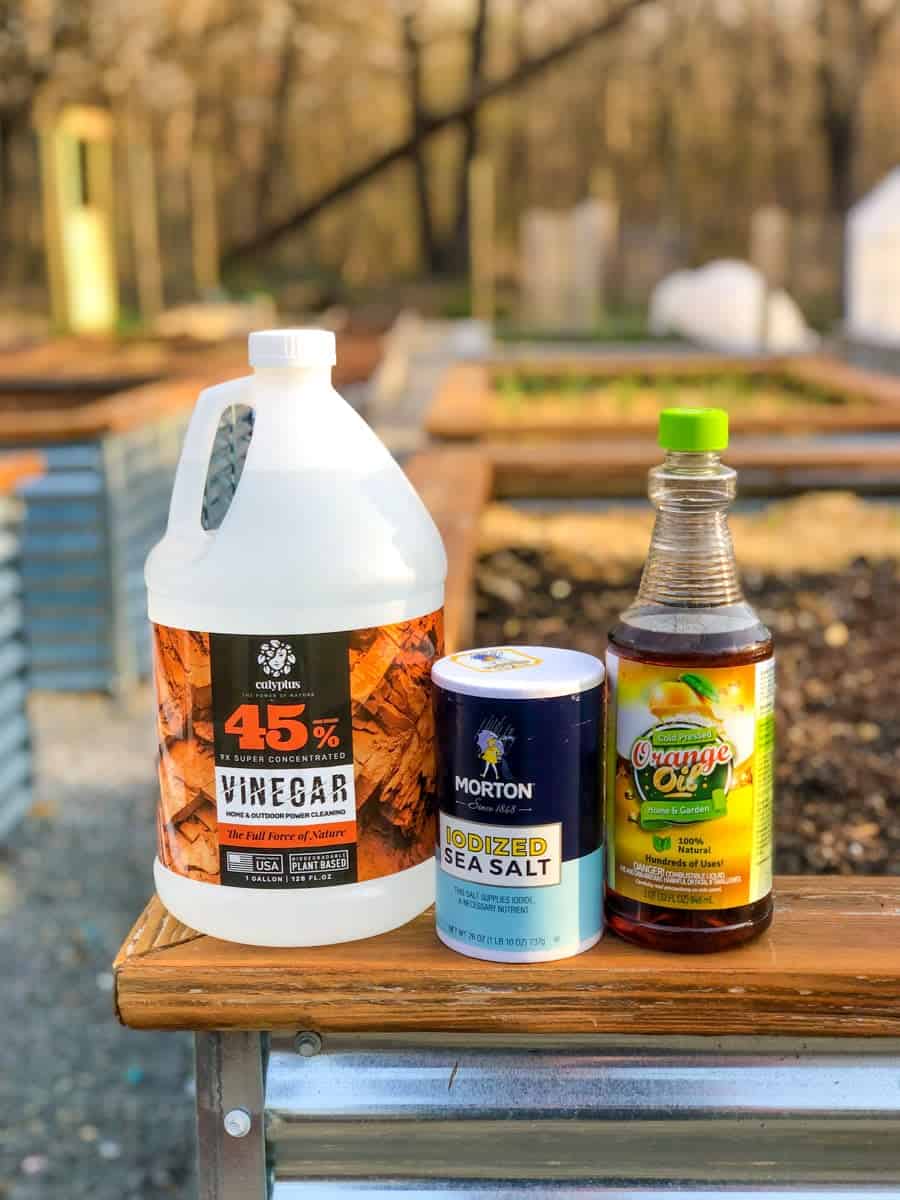
Choosing the right ingredients is key to making effective natural weed killers. Simple items from your kitchen can create powerful solutions. Each ingredient plays a specific role in killing weeds safely and naturally. Understanding their functions helps you mix the best homemade weed killer for your garden needs.
Vinegar Varieties
Vinegar is the main ingredient in many natural weed killers. Household white vinegar has about 5% acetic acid. This level is good for young, small weeds. Horticultural vinegar contains 20% or more acetic acid. It is stronger and kills tough weeds faster. Use horticultural vinegar carefully to avoid harming nearby plants.
Salt Types And Uses
Salt helps dry out weeds by pulling water from their cells. Table salt or rock salt works well in homemade weed killers. Use salt sparingly; too much can harm soil health. Sprinkle salt only at the base of weeds to avoid damaging other plants. Salt is effective for killing weeds in cracks on driveways or patios.
Dish Soap Benefits
Dish soap acts as a surfactant in weed killer recipes. It helps the vinegar and salt stick to weed leaves. This increases the solution’s ability to penetrate and dry out weeds. Use a few drops of mild dish soap. Avoid soaps with bleach or degreasers that can harm plants and soil.
Alternative Ingredients
Baking soda is a gentle option to kill weeds in small areas. Sprinkle it on weeds to dry them out slowly. Lemon juice adds acidity and can boost vinegar’s effect. Cornmeal stops weed seeds from growing but does not kill existing weeds. These ingredients offer safe, natural ways to manage weeds without chemicals.

Credit: www.youtube.com
Classic Vinegar, Salt, And Soap Recipe
The classic vinegar, salt, and soap recipe is a simple, natural weed killer. It uses everyday ingredients to dry out and kill unwanted weeds. This recipe is popular because it is easy to make and works well on sunny days.
Vinegar acts as an acid to burn the leaves. Salt helps to dehydrate the weed roots. Soap allows the mixture to stick to the leaves better. Together, they create a powerful solution for weed control without harsh chemicals.
Mixing Instructions
Start with 1 gallon of white vinegar (5% acidity). Add 1 cup of table salt and stir until fully dissolved. Next, add 1 tablespoon of liquid dish soap. Stir gently to mix all ingredients well. Pour the mixture into a spray bottle for easy use.
Application Tips
Spray directly on the leaves of the weeds. Do this on a dry, sunny day for best results. Avoid spraying on windy days to prevent drift. Do not spray on plants you want to keep. Repeat the application every few days until weeds die.
Safety Precautions
This weed killer is non-selective and can harm any plant it touches. Use gloves to protect your skin from irritation. Keep the spray away from children and pets. Avoid spraying near vegetable or flower gardens. Store the mixture out of reach and in a safe place.
Alternative Homemade Recipes
Exploring alternative homemade weed killer recipes can offer simple, natural ways to control unwanted plants. These recipes often use common kitchen ingredients that are easy to find and safe to handle. They provide options beyond the classic vinegar and salt mixture, giving you choices based on what you have at home.
Baking Soda Method
Baking soda works well on weeds growing in cracks or small spaces. Sprinkle a teaspoon of baking soda directly onto the weed’s leaves or base. The baking soda dries out the weed and stops its growth. Use this method carefully to avoid harming nearby plants. It’s best for targeting individual weeds rather than large areas.
Salt-only Approach
Using salt alone can kill weeds by drawing moisture from their roots. Sprinkle a small pinch of salt at the base of tough weeds. Salt can build up in the soil, so use it sparingly to avoid long-term damage. This method works well for weeds growing on driveways or walkways where soil health is less of a concern.
Using Coca-cola
Coca-Cola’s acidity can help kill weeds in hard-to-reach areas like pavement cracks. Pour a small amount directly onto the weed. The sugar content also helps by attracting insects that feed on the weed. This method is useful for weeds in places where other homemade weed killers are hard to apply.
:max_bytes(150000):strip_icc()/grass-in-driveway-patio-sidewalk-cracks-2153097_06-8cfa0c2a8ca140dc9a92ef0f0f8ba2f4.jpg)
Credit: www.thespruce.com
Best Conditions For Application
Choosing the right conditions for applying natural homemade weed killers boosts their power. Proper timing and weather ensure the mixture works well. These factors help the solution stick to weeds and dry fast. Avoid waste and protect other plants by applying under the best conditions.
Ideal Weather
Sunny, dry days are perfect for spraying natural weed killers. The sun helps dry the solution quickly. This speeds up the weed-killing process. Avoid windy days to prevent spray drift. Wind can carry the solution to nearby plants. Rain washes away the mixture before it acts. Wait at least 24 hours after rain for best results.
Timing For Effectiveness
Apply weed killer during the weed’s active growth phase. This is usually in spring or early summer. Weeds absorb the solution faster when growing. Spray in the morning after dew dries. This prevents dilution and helps the spray stick. Avoid late afternoon or evening sprays. Cooler temperatures slow the drying time. Reapply after one or two weeks for tough weeds.
Precautions And Limitations
Using natural homemade weed killers can be effective and eco-friendly. Still, knowing the precautions and limitations helps avoid problems. These solutions may harm plants and soil if not used carefully. Understanding their effects keeps your garden healthy and safe.
Non-selective Effects
Natural weed killers do not choose specific plants. They kill any green plant they touch. Spray only on weeds, avoiding flowers and vegetables nearby. Use a shield or spray on calm days to prevent drift. Be careful around seedlings and delicate plants.
Soil Impact
Some ingredients like salt can change soil quality. High salt levels reduce soil nutrients and harm future plants. Use salt sparingly and avoid repeated use in the same spot. Vinegar breaks down quickly but may lower soil pH temporarily. Test soil after use to prevent damage.
Equipment Care
Natural weed killers can corrode metal parts in sprayers. Rinse equipment thoroughly after each use with clean water. Avoid leaving mixtures in sprayers for long periods. Regular cleaning extends tool life and keeps sprays effective for next use.
Maintaining A Weed-free Garden
Keeping your garden free from weeds takes regular care and attention. Natural homemade weed killers can help, but they need to be part of a consistent routine. Maintaining a weed-free garden means stopping weeds from growing back and managing new sprouts early. Simple habits and repeated efforts make your garden look neat and healthy all season long.
Repeat Applications
Natural weed killers work best when applied more than once. One spray may not kill all roots or seeds. Wait a few days after the first application, then spray again on any new weeds. Repeat treatments prevent weeds from growing back stronger. Keep an eye on your garden and treat weeds as soon as you spot them. This habit saves time and effort later.
Preventing New Growth
Stop weeds before they start by creating a tough environment for them. Mulch garden beds with wood chips or straw. Mulch blocks sunlight, so weed seeds cannot sprout easily. Water your plants carefully to avoid wetting areas where weeds grow. Pull out young weeds by hand before they take root. These small steps reduce weed problems over time.
Complementary Weed Control Tips
Use natural weed killers along with other garden care methods for best results. Regularly mow your lawn to keep weeds from spreading. Plant ground covers to shade soil and crowd out weeds. Avoid over-fertilizing, which can encourage weed growth. Clean garden tools after use to stop weed seeds from spreading. Combining these tips keeps your garden healthy and weed-free.
Frequently Asked Questions
What Is The Best Homemade Weed Killer That Actually Works?
The best homemade weed killer mixes white vinegar, salt, and dish soap. Spray weeds on sunny days to dehydrate leaves. Use horticultural vinegar for tougher weeds. Avoid desirable plants, as it kills all greenery. Repeat applications are necessary; it doesn’t prevent new growth.
Does Vinegar, Salt, And Dawn Kill Weeds?
Vinegar, salt, and Dawn soap can kill weeds by dehydrating leaves. Use on sunny days, avoid desirable plants, and reapply as needed.
How Do I Make My Own Organic Weed Killer?
Mix 1 gallon white vinegar, 1 cup salt, and 1 tablespoon dish soap. Spray directly on weeds on sunny days. Avoid desirable plants.
What Really Kills Weeds Permanently?
Using a mix of white vinegar, salt, and dish soap on sunny days kills weeds by dehydrating their leaves. Repeat applications are needed.
Conclusion
Natural homemade weed killers offer a simple, safe way to control weeds. Using common ingredients like vinegar, salt, and soap helps protect your garden without harsh chemicals. Apply these mixtures carefully to avoid harming good plants. Repeat treatments may be needed for stubborn weeds.
Choose sunny days for best results. Keep your tools clean after use to avoid damage. These DIY solutions save money and reduce environmental impact. Try them and enjoy a healthier, greener outdoor space.