

Imagine having fresh, aromatic basil leaves ready to enhance your meals anytime you want—right from the comfort of your home. Growing basil from seeds indoors in pots is easier than you might think, and it’s a rewarding way to connect with nature while adding vibrant flavor to your dishes.
Whether you’re a seasoned gardener or just starting out, this guide will walk you through simple steps to help your basil thrive indoors. Ready to turn your kitchen into a green oasis with your own homegrown basil? Let’s dive in and make it happen!
Choosing Seeds And Pots
Choosing the right seeds and pots sets the foundation for healthy basil plants. Good choices help basil grow strong indoors. Pay attention to the type of basil and the size of the container. These factors affect growth speed and plant health.
Selecting Basil Varieties
Pick basil types that suit indoor growing. Sweet basil is popular and easy to grow. Thai basil and lemon basil add unique flavors and aromas. Some varieties grow taller, while others stay compact. Choose small varieties for limited space. Check seed packets for growth habits and care needs.
Picking The Right Containers
Use pots with drainage holes to prevent water buildup. Small pots work for seedlings, but transplant to larger pots as plants grow. Choose pots at least 6 inches deep for good root space. Materials like plastic, ceramic, or terra cotta all work well. Lighter pots are easier to move and handle indoors.

Credit: www.youtube.com
Preparing Soil And Seeds
Preparing the soil and seeds is a key step to growing healthy basil indoors. Good soil supports seed germination and root growth. Proper seed handling ensures faster sprouting. Follow simple tips to get started right.
Using Quality Potting Mix
Choose a light, well-draining potting mix. Avoid garden soil, which may be too heavy. A mix with peat moss or coconut coir holds moisture well. Add perlite or vermiculite to improve aeration. This helps basil roots breathe and grow strong. Use fresh potting mix to avoid diseases and pests.
To Soak Or Not To Soak Seeds
Soaking basil seeds is optional but can speed up germination. Soak seeds in warm water for 4 to 6 hours. This softens the seed coat and helps water absorption. Drain seeds before planting to prevent rotting. Skip soaking if you want a slower, natural sprout. Either way, keep soil moist for best results.
Planting Basil Seeds
Planting basil seeds indoors in pots is a simple and rewarding process. It allows you to enjoy fresh basil year-round. Starting seeds inside gives the plants a strong beginning before moving outdoors or keeping them inside.
Proper planting helps seeds sprout quickly and grow healthy seedlings. Choose a good quality potting mix that drains well and retains moisture. Clean pots with drainage holes prevent waterlogging and root problems.
Sowing Seeds On Moist Soil
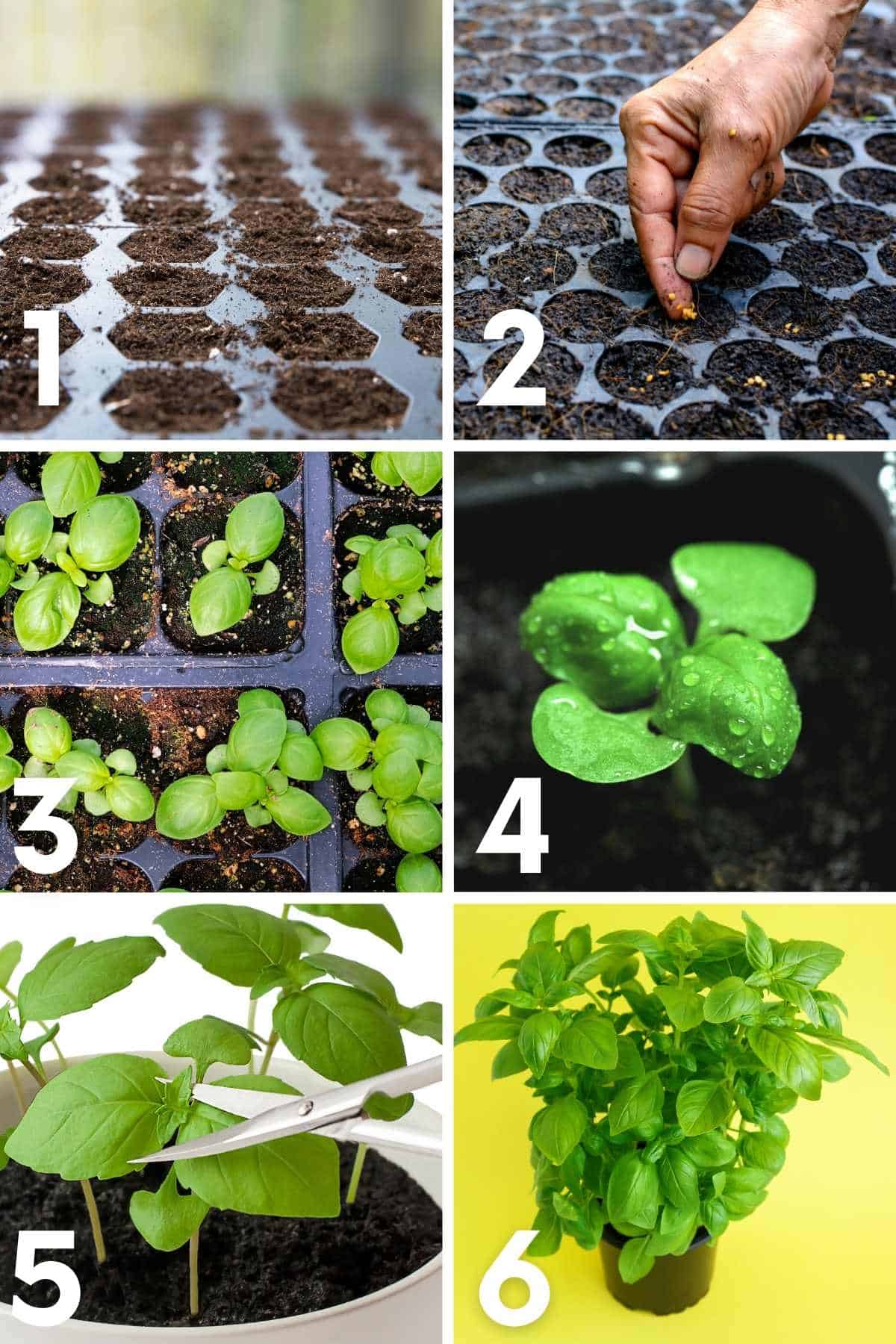
Lightly moisten the soil before sowing basil seeds. The soil should feel damp but not soaked. Spread seeds evenly over the surface. Press them gently into the soil without covering them too deep. Basil seeds need light to germinate well.
Keep the soil consistently moist by misting with water daily. Avoid heavy watering that can wash away seeds. Cover the pot with clear plastic or a dome to keep humidity high. Remove the cover once seeds sprout to prevent mold.
Spacing And Depth Tips
Plant basil seeds about 1/4 inch deep in the soil. This shallow depth helps them get enough light and air. Space the seeds at least 1 inch apart. Crowding seeds slows growth and increases disease risk.
Thin seedlings once they reach 2 inches tall. Leave the strongest plants spaced 4 to 6 inches apart. Proper spacing allows air circulation and room for leaves to grow. Use small pots or seed trays for best results indoors.
Providing Ideal Conditions
Creating the perfect environment is key to growing healthy basil plants indoors. Basil seeds need the right light, temperature, and humidity to sprout and thrive. Without these conditions, seedlings may grow weak or fail to grow at all. Focus on replicating the basil’s natural growing environment inside your home. This approach helps plants develop strong stems and vibrant leaves.
Light Requirements Indoors
Basil needs plenty of light to grow well indoors. Place pots near a bright, south-facing window. Aim for 6 to 8 hours of sunlight daily. If natural light is limited, use a grow light. Position the light 2 to 4 inches above the seedlings. Keep the light on for 12 to 16 hours a day. This setup mimics the sun and supports steady growth. Rotate pots regularly to ensure even light exposure on all sides.
Maintaining Temperature And Humidity
Basil seeds germinate best in warm conditions. Keep the indoor temperature between 70°F and 75°F. Avoid placing pots near cold drafts or heaters. Basil also prefers moderate humidity. Maintain humidity around 50% to 60% for optimal growth. Use a humidity tray or a small humidifier if air is dry. Consistent temperature and humidity help basil seedlings develop strong roots and leaves. Check these conditions daily, especially during dry winter months.
Watering And Care
Watering and care play a key role in growing healthy basil plants indoors. Proper moisture helps seeds sprout and young plants thrive. Too little water can dry out the soil and stunt growth. Too much water can drown roots and cause diseases. Understanding how to water basil correctly is essential for success.
Proper Watering Techniques
Use a spray bottle or a small watering can for gentle watering. Water the soil evenly until it feels moist but not soggy. Check the top inch of soil daily. Water again when it feels dry to the touch. Avoid watering the leaves directly to prevent mold and fungus.
Keep pots in a warm, bright spot. Good air circulation helps soil dry between waterings. This reduces the risk of root rot. Use pots with drainage holes to let excess water escape freely.
Avoiding Overwatering
Overwatering is a common mistake in indoor basil care. It causes yellow leaves and weak roots. Avoid letting water sit in the saucer under the pot. Empty excess water after watering. Feel the soil before adding more water. If the soil is still wet, wait a day or two before watering again.
Signs of overwatering include wilting despite wet soil and a musty smell. Use a well-draining potting mix for best results. This mix helps excess water flow away from roots quickly.
Credit: growfully.com
Seedling Growth And Thinning
Watching basil seedlings grow is an exciting part of indoor gardening. Proper care during this stage ensures strong, healthy plants. Thinning helps prevent overcrowding, giving each seedling space to thrive. This step improves air flow and sunlight exposure, which keeps basil plants healthy.
Recognizing Healthy Seedlings
Healthy basil seedlings have bright green leaves. The stems should be firm and upright. Look for seedlings with two or more sets of true leaves. Avoid seedlings that look yellow, wilted, or weak. Strong seedlings will grow quickly and stand tall.
How And When To Thin Plants
Thin seedlings when they reach about 2 inches tall. Choose the strongest seedlings and remove the weaker ones. Use scissors to cut weaker seedlings at soil level. This avoids disturbing the roots of remaining plants. Thin basil seedlings so each plant has about 2 to 3 inches of space.
Dealing With Common Issues
Growing basil indoors from seeds is rewarding but comes with challenges. Common issues can slow growth or damage plants. Early attention to problems keeps basil healthy and strong. This section covers pest control and growth fixes for indoor basil in pots.
Preventing Pests And Diseases
Basil indoors can attract pests like aphids and spider mites. Inspect leaves often for small bugs or sticky residue. Use a gentle spray of water to remove pests manually. Avoid overwatering, which leads to mold and root rot. Good airflow reduces fungal diseases. Clean pots and tools before use. Choose well-draining soil to keep roots healthy. Natural insect sprays, such as neem oil, help control pests safely.
Fixing Growth Problems
Slow or weak basil growth has several causes. Lack of light makes stems tall and leggy. Move pots closer to a window or use grow lights. Yellow leaves often mean overwatering or poor drainage. Check soil moisture and let it dry slightly between waterings. Brown leaf edges show low humidity or too much fertilizer. Reduce feeding and increase air moisture with a small humidifier or misting. Pinch off dead leaves to promote new growth.
Transplanting And Harvesting
Transplanting and harvesting are key steps in growing healthy basil plants indoors. Moving your basil seedlings at the right time ensures strong growth. Proper harvesting keeps the plant producing fresh leaves longer. Both steps help you enjoy fresh basil throughout the season.
When To Move Basil Outdoors
Wait until basil seedlings have at least 3 sets of true leaves. The outdoor temperature should stay above 50°F (10°C) at night. Choose a sunny spot with well-draining soil for planting. Harden off the seedlings by placing them outside a few hours daily. Gradually increase their outdoor time over a week. This helps the plants adjust to outdoor conditions. Avoid transplanting during cold or windy days. Gently remove seedlings from pots to protect roots. Plant them at the same depth as indoors. Water well after transplanting to reduce shock.
Harvesting Leaves For Use
Harvest basil leaves regularly to encourage bushy growth. Pinch leaves from the top just above a leaf pair. Avoid cutting too much at once to keep the plant healthy. Harvest in the morning for the best flavor. Use fresh leaves immediately or dry them for later use. Remove flowers promptly to prevent the plant from going to seed. This extends the basil’s productive life. Regular harvesting increases leaf size and quantity over time.

Credit: www.gardenary.com
Frequently Asked Questions
What Month To Start Basil Seeds Indoors?
Start basil seeds indoors about 6 weeks before the last frost date, typically in late February or early March. This timing ensures strong seedlings ready for transplanting after frost passes.
What Are Common Basil Growing Mistakes?
Common basil growing mistakes include overwatering, poor drainage, insufficient sunlight, planting too densely, and neglecting regular pruning.
Do You Soak Basil Seeds Before Planting?
Soaking basil seeds before planting is optional. You can plant them directly on moist soil for quick germination.
How Long Does It Take Basil To Grow From Seed?
Basil seeds typically sprout within 5 to 10 days. Full growth to harvest takes about 60 to 90 days.
Conclusion
Growing basil from seeds indoors in pots is simple and rewarding. Start with fresh seeds and good soil. Keep the pots warm and moist for best results. Place them where sunlight reaches easily. Thin seedlings to avoid crowding. Watch your basil grow strong and healthy.
Enjoy fresh leaves for cooking anytime. Indoor growing saves space and brings greenery inside. With patience and care, your basil will thrive well. Give it a try and brighten your home kitchen garden.