
Keeping your lawn green and healthy is a rewarding task, but one problem always returns: weeds. If you have a lawn with ryegrass, you might notice weeds popping up and competing for nutrients, water, and sunlight. Ryegrass is popular for its fast growth and lush appearance, but it still needs attention to keep weeds away. Managing weeds in a ryegrass lawn isn’t just about looks—it helps your grass grow stronger and prevents pests and diseases. Let’s explore practical strategies for controlling weeds in ryegrass lawns, using proven methods that work for both beginners and experienced gardeners.
Why Ryegrass Lawns Get Weeds
Ryegrass is known for its quick germination and dense growth. However, this density only helps once the grass is well established. In the first few weeks, bare spots between grass blades make it easy for weeds to grow. Common lawn weeds like dandelions, clover, and crabgrass take advantage of these gaps.
Another reason for weed problems is poor lawn care. Overwatering, mowing too short, or using the wrong fertilizer can weaken ryegrass. Weeds thrive in stressed or thin lawns. Understanding these causes helps you choose the right control methods.
Best Practices For Weed Prevention
The most effective way to control weeds is to prevent them before they start. Here are some essential steps:
1. Choose High-quality Ryegrass Seed
Cheap or low-quality seed often contains weed seeds. Always buy certified, pure seed. This reduces the chance of planting weeds with your grass.
2. Prepare The Soil Well
Before sowing ryegrass, remove existing weeds by hand or with a non-selective herbicide. Level the soil and add compost or fertilizer as needed. Healthy soil encourages fast ryegrass growth, which outcompetes weeds.
3. Seed At The Right Rate
Plant ryegrass at the recommended rate (usually 5–10 pounds per 1,000 square feet). Too little seed leaves space for weeds. Too much seed causes overcrowding and weak seedlings.
4. Maintain Consistent Watering
Water lightly but often until ryegrass seedlings are established. Deep, infrequent watering works better after the grass matures. Avoid overwatering, as this encourages weed seeds to germinate.
5. Fertilize Properly
Use a balanced, slow-release fertilizer after seedlings appear. Too much nitrogen encourages weeds. Test your soil to find the right nutrient mix.
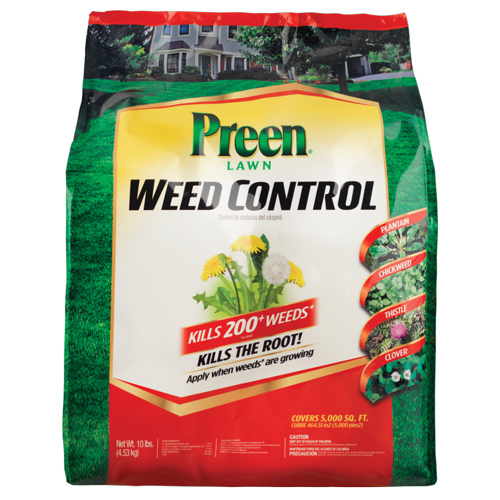
Credit: www.preen.com
Mowing And Lawn Care Techniques
How you mow and maintain ryegrass impacts weed growth. Here’s what works best:
- Set the Right Mowing Height
For ryegrass, keep the mowing height between 2. 5 to 3 inches. Taller grass shades the soil, making it harder for weed seeds to sprout.
- Mow Regularly, But Not Too Short
Never remove more than one-third of the grass blade at a time. Scalping weakens the lawn and creates openings for weeds.
- Leave Grass Clippings
Mulched clippings add nutrients and help crowd out weeds. They also reduce bare spots where weeds might invade.
- Sharpen Mower Blades
Dull blades tear grass, increasing stress and disease risk. Sharp blades ensure clean cuts and healthier ryegrass.
Spot-treating Weeds In Ryegrass
Even with perfect care, some weeds will appear. Target them early to prevent spreading.
- Hand Pulling
Small patches of weeds can be removed by hand or with a weeding tool. Pull after rain or watering for best results.
- Spot Herbicides
Use selective herbicides that target broadleaf weeds but are safe for ryegrass. Always read the label and avoid overuse, as too much can harm your lawn.
- Corn Gluten Meal
This natural product prevents weed seeds from sprouting. Apply in early spring and water it in. It’s safe for established ryegrass but not for new seedlings.
Seasonal Weed Control Strategies
Weed control in ryegrass lawns changes with the seasons. Here’s a quick overview:
| Season | Main Weed Threats | Best Control Methods |
|---|---|---|
| Spring | Crabgrass, dandelion | Pre-emergent herbicide, corn gluten meal |
| Summer | Clover, nutsedge | Mow high, deep water, spot treat |
| Autumn | Chickweed, henbit | Overseed ryegrass, light fertilize |
| Winter | Annual bluegrass | Hand pull, maintain density |
Common Mistakes To Avoid
Many lawn owners make simple errors that allow weeds to take over. Avoid these common mistakes:
1. Over-fertilizing
Too much fertilizer, especially nitrogen, feeds weeds as well as grass. Follow the recommended rates.
2. Watering Too Often
Frequent, shallow watering encourages weeds with shallow roots. Deep, less frequent watering supports ryegrass.
3. Ignoring Bare Patches
Unfilled spots are weed magnets. Overseed thin areas each fall or spring.
4. Wrong Herbicide Use
Using the wrong product can damage ryegrass or miss certain weeds. Check labels and consult local experts if unsure.
Comparing Ryegrass With Other Grasses For Weed Control
How does ryegrass compare to other common lawn grasses for weed resistance? This comparison may help you understand why ryegrass lawns need extra care in some climates:
| Grass Type | Weed Resistance | Ideal for |
|---|---|---|
| Perennial Ryegrass | Moderate | Cool, moist regions |
| Kentucky Bluegrass | High | Cool climates, high traffic |
| Bermuda Grass | Very High | Warm, sunny lawns |
| Fescue | High | Shade, cool regions |
Non-obvious Insights For Ryegrass Lawns
- Seed Label Codes Matter: When buying ryegrass seed, check the label for “weed seed” content. Even a 0.25% weed seed label can mean hundreds of weed seeds per bag. Go for the lowest possible number.
- Soil pH Impacts Weeds: Ryegrass thrives at a soil pH of 6.0–6.5. If your soil is too acidic or alkaline, ryegrass weakens, and weeds like plantain or moss may take over. Test your pH every 2–3 years.
- Don’t Mow Wet Grass: Mowing wet ryegrass spreads weed seeds and encourages fungal disease. Wait for dry conditions.

Credit: bonide.com
Organic And Chemical Weed Control Options
You can choose between organic or chemical weed control for ryegrass. Both have strengths and weaknesses.
| Method | Pros | Cons |
|---|---|---|
| Organic (e.g., corn gluten, vinegar sprays) | Safe for pets/kids, environmentally friendly | Slower results, may need repeated use |
| Chemical (selective herbicides) | Fast, effective for large problems | Potential for ryegrass injury, chemical runoff |
Frequently Asked Questions
What Is The Best Time To Control Weeds In Ryegrass Lawns?
Early spring and early autumn are best. In spring, use pre-emergent herbicides or corn gluten meal before weed seeds sprout. In autumn, overseed ryegrass and treat bare patches.
Can I Use Vinegar To Kill Weeds In Ryegrass?
Vinegar can kill some weeds but may also damage ryegrass. It is non-selective. Use it carefully, and only for spot treatment away from your main lawn.
How Often Should I Fertilize Ryegrass To Prevent Weeds?
Fertilize ryegrass 2–3 times a year with a balanced product. Too much fertilizer can increase weed growth. Always follow label directions.
Will Overseeding Ryegrass Help With Weed Control?
Yes, overseeding thickens your lawn and fills bare spots, leaving less room for weeds. It’s best done in early autumn or spring.
Where Can I Learn More About Weed Control In Lawns?
You can find more detailed guides and research at the US Department of Agriculture.
A beautiful, weed-free ryegrass lawn is possible with the right steps. Focus on prevention, proper mowing, and quick response to any weeds you see. Each season brings new challenges, but with patience and smart care, your ryegrass will stay strong and green year-round.
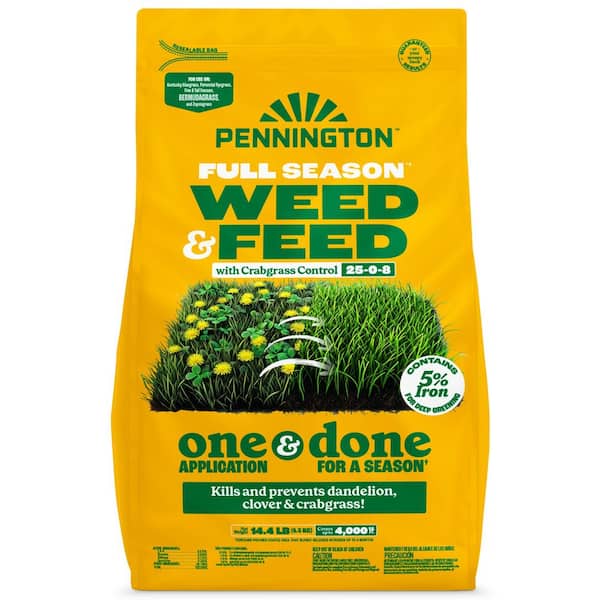
Credit: www.homedepot.com