
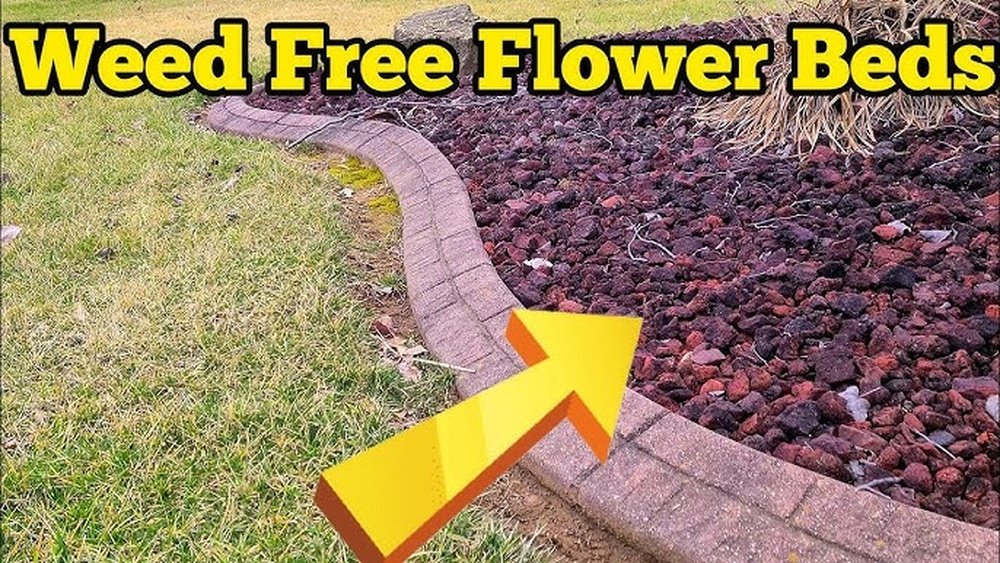
Keeping weeds out of your new flower beds is one of the best things you can do for healthy, beautiful plants. Weeds steal water, nutrients, and sunlight, making it harder for your flowers to grow. Even a few weeds can quickly spread and take over.
Many gardeners find weed control frustrating, especially when starting from scratch. But with the right steps, you can set up your flower beds to stay mostly weed-free from the start.
Preventing weeds is much easier—and less work—than removing them later. A few smart choices now will save you hours of weeding later in the season. Whether you’re planting annuals, perennials, or a mix, these simple tips will help your beds look their best and your plants thrive.
Prepare The Soil Before Planting
Getting the soil ready is the first step in keeping weeds out. Most weed seeds are already in the ground, waiting for light and water to grow. If you just dig holes and plant, you’ll likely see lots of weeds soon.
- Remove all existing weeds. Pull or dig out any weeds by hand, making sure to get the roots. Even small roots left behind can regrow.
- Turn the soil. Use a spade or hoe to loosen the soil about 6-8 inches deep. This exposes weed roots and makes it easier to remove them.
- Let weeds sprout and then clear again. After turning the soil, water it lightly and wait a week. New weeds will sprout. Remove these before planting. This is called the “stale seedbed” technique.
- Use a rake to level the soil. Smooth the area so it’s ready for planting and mulching.
Use Mulch To Block Weeds
Mulching is one of the most effective ways to prevent weeds. Mulch blocks sunlight, which stops most weed seeds from growing. It also keeps soil moist and adds nutrients as it breaks down.
Here is a quick look at different mulch types and their effectiveness:
| Mulch Type | Weed Control | Decomposition Speed |
|---|---|---|
| Wood chips | Very good | Slow |
| Straw | Good | Medium |
| Shredded leaves | Good | Fast |
| Compost | Fair | Fast |
| Landscape fabric | Excellent | Does not decompose |
Spread mulch 2-3 inches deep around your flowers, leaving a small gap around stems. Thicker mulch can suffocate plants, but too little lets weeds grow. For best results, use a mix of organic (like bark or leaves) and inorganic (like fabric) mulch.
Credit: nativebackyards.com
Choose The Right Plants And Spacing
Dense planting helps stop weeds. When flowers grow close together, they shade the soil, making it hard for weeds to get sunlight.
- Pick groundcover plants like creeping phlox or sweet alyssum for the edges.
- Use taller flowers in the center, and plant them close but not overcrowded.
- As your flowers grow, add more mulch if you see bare spots.
A common mistake is leaving too much space between plants. Even if flower tags suggest wide spacing, you can often plant a little closer in beds (but not so close that air can’t move). This gives you quick ground cover, reducing weeds.
Water Wisely
Watering can help weeds or flowers, depending on how you do it. Overhead watering wets the entire surface, letting weed seeds grow. Instead, use these tips:
- Drip irrigation or soaker hoses deliver water only to your plants’ roots.
- Water early in the morning so any water on leaves dries quickly.
- Don’t water empty spots where you see weeds.
This simple change can cut down weed growth by 30–40% compared to spraying water everywhere.
Use Barriers For Extra Protection
Physical barriers stop weeds from sprouting up from the soil. Two main types are common in flower beds:
- Landscape fabric: This breathable material lets water through but blocks most weeds. Put it under your mulch, cut holes for your flowers, and anchor it with pins.
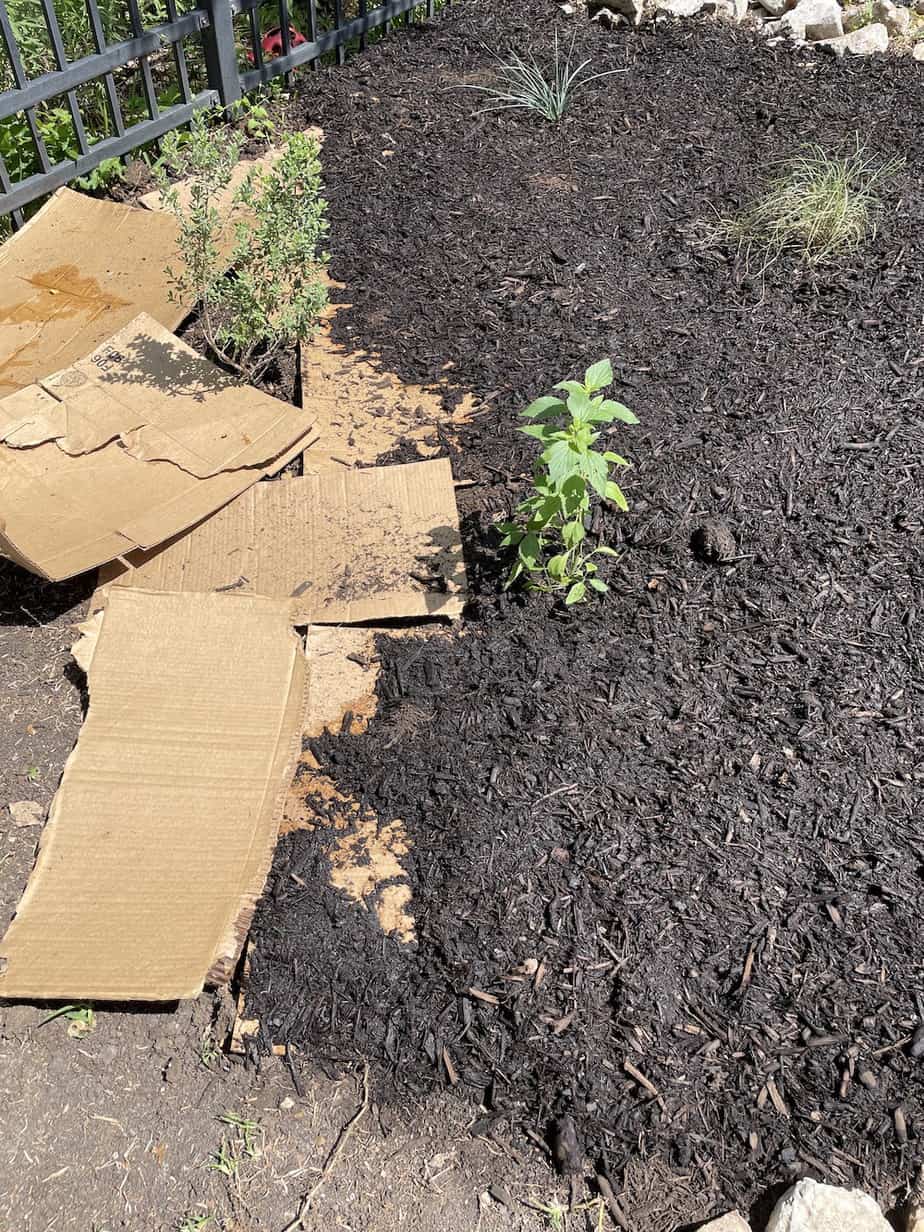
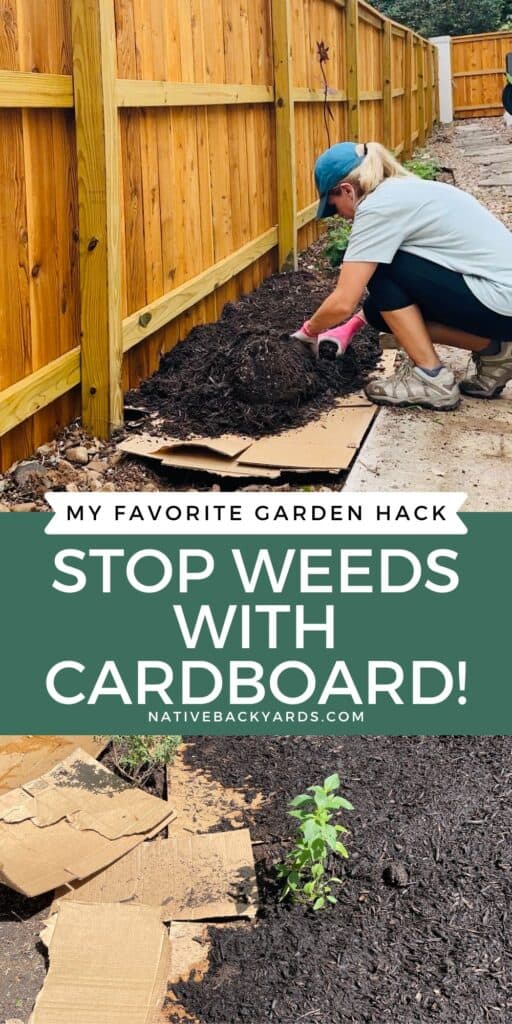
- Cardboard or newspaper: Lay sheets down before mulching. They break down over time but give a strong weed barrier for the first year.
Here’s a quick side-by-side view:
| Barrier | Cost | Effective Time | Best Use |
|---|---|---|---|
| Landscape fabric | Medium | 2-5 years | Perennial beds |
| Cardboard | Low (free) | 1 year | New beds, annuals |
Barriers are especially helpful if you have aggressive weeds like bindweed or Bermuda grass.
Keep Weeds Out After Planting
Even with the best setup, some weeds will sneak in. The key is to remove them fast before they set seeds.
- Walk through your beds once a week.
- Pull any weeds when the soil is damp (they come out easier).
- Never let weeds flower or go to seed. One dandelion can produce over 2,000 seeds!
- Use a hand weeder or hoe for stubborn roots.
If you spot small weeds early, they’re much easier to pull. Big weeds with deep roots are much harder to remove.

Credit: yardandgarden.extension.iastate.edu
Avoid Common Mistakes
Many gardeners accidentally make weed problems worse. Here are a few pitfalls to avoid:
- Turning the soil too often brings buried weed seeds to the surface.
- Using hay instead of straw for mulch can add lots of weed seeds.
- Ignoring garden edges lets grass and weeds creep in.
- Not replenishing mulch each year allows weeds to take over.
A non-obvious tip: Always clean your gardening tools. Seeds can stick to shovels and spread to new spots.
Learn From Real Experience
One beginner mistake is thinking that weed prevention is a “set it and forget it” job. Even the best-prepared beds need checking. Mulch breaks down, plants grow and leave new gaps, and wind can bring in new seeds. Another often-missed insight: weeds can grow in the cracks between edging stones or paths next to your beds. Pull them quickly, so they don’t spread into your flowers.
Credit: nativebackyards.com
Frequently Asked Questions
How Soon Will Weeds Start To Grow In A New Flower Bed?
Weeds can start to grow just days after you water your new bed, especially if you disturb the soil. Most weed seeds germinate within 7–10 days if they get sunlight and moisture.
Is Landscape Fabric Safe For All Flower Beds?
Landscape fabric is safe for most beds, but it works best under shrubs and perennials. For annuals or beds you change often, cardboard or newspaper is easier to remove and replace.
How Often Should I Add New Mulch?
Add a fresh layer of mulch every spring, or whenever you see the old mulch breaking down and soil showing through. Most organic mulches last about one year.
Can I Use Chemical Weed Killers In New Flower Beds?
It’s best to avoid chemical herbicides in new beds, especially near young flowers. Chemicals can damage your plants and harm pollinators. Manual removal and mulching work better for most home gardeners.
Where Can I Learn More About Weed Prevention?
For more in-depth details and research, check out the Royal Horticultural Society for trusted information on weed prevention and control.
A weed-free flower bed doesn’t happen by accident. Good soil prep, smart plant choices, regular mulch, and quick action against invaders make all the difference. With these steps, your flowers will have the best chance to thrive—and weeds will be fighting a losing battle.