
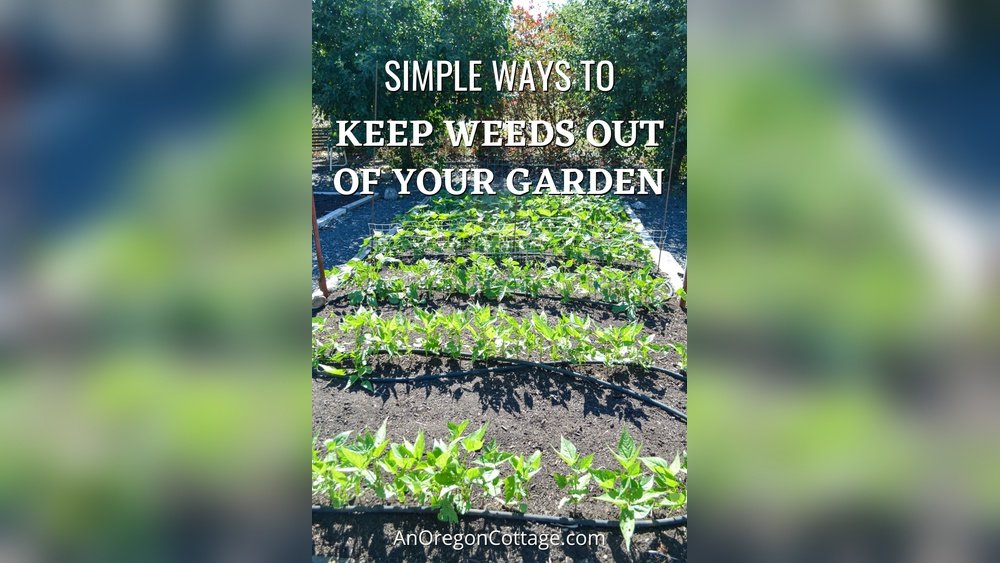
Weeds can quickly take over your vegetable garden if you don’t keep them in check. You want your veggies to thrive, but those pesky intruders steal nutrients, water, and sunlight right from under your plants’ noses.
The good news? You don’t have to rely on harsh chemicals to get rid of them. Imagine controlling weeds naturally, protecting your harvest, and creating a healthier garden environment—all without the worry of harmful residues. If you’re ready to learn simple, effective, and natural ways to keep your vegetable garden weed-free, keep reading.
Your garden—and your taste buds—will thank you.
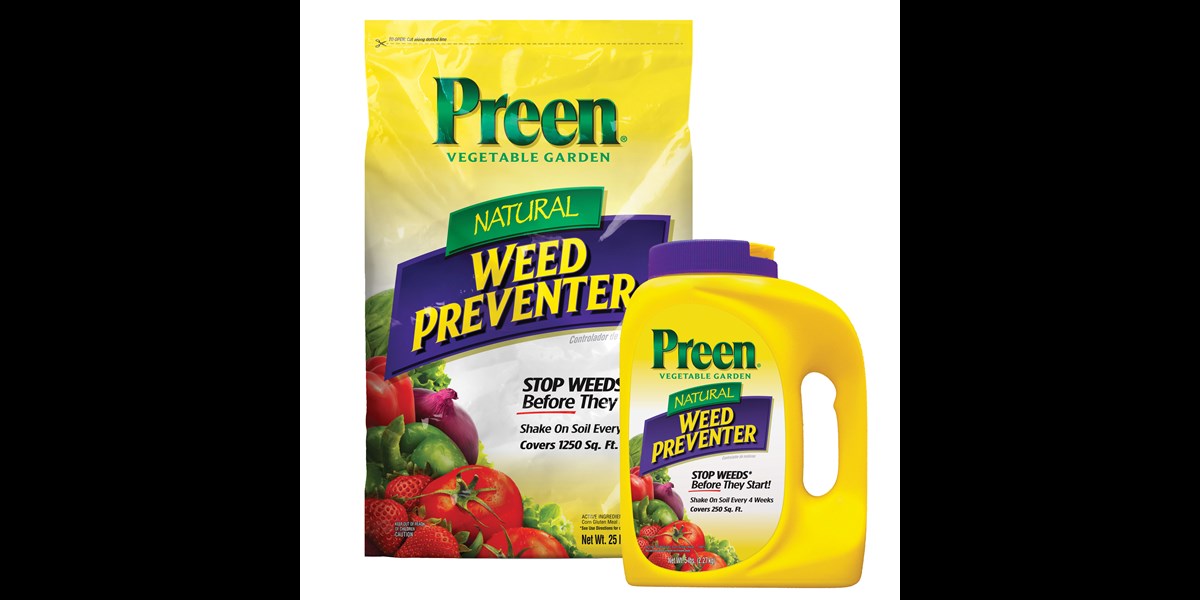
Credit: www.preen.com
Natural Weed Control Methods
Natural weed control methods help keep your vegetable garden healthy without chemicals. These methods use simple household items or natural processes. They kill or weaken weeds while protecting your plants. Natural weed control is safe and eco-friendly. It also improves soil health and encourages beneficial insects. Here are some effective natural weed control techniques you can try.
Boiling Water Application
Boiling water is a quick way to kill weeds. Pour it carefully on the unwanted plants. The hot water damages weed cells and roots. Avoid pouring on your vegetables or soil to prevent harm. Use boiling water early in the day for best results. This method works well for weeds in cracks or paths.
Using Lemon Juice And Vinegar
Lemon juice and vinegar contain natural acids that burn weed leaves. Mix lemon juice with vinegar and spray on weeds. Apply on sunny days to increase effectiveness. Be careful not to spray on your vegetables. These acids can lower soil pH, so use sparingly. Repeat treatment for stubborn weeds.
Salt-based Solutions
Salt can dry out and kill weeds by pulling moisture from their roots. Mix salt with water and spray on weed leaves and base. Use this method only on paths or non-planting areas. Salt can harm good plants and soil life if used too much. Use small amounts and avoid spreading widely.
Baking Soda Treatments
Baking soda helps control weeds by making the soil less friendly to them. Sprinkle baking soda directly on weed leaves or at the base. It works best on small, young weeds. Avoid using baking soda near your vegetables to prevent damage. Repeat the treatment every few weeks for best results.
Credit: www.almanac.com
Mulching Benefits
Mulching offers many benefits for vegetable gardens. It helps keep soil moist and cool, creating a better environment for plants. Mulch also improves soil health by adding organic matter as it breaks down. One key advantage is its ability to reduce weed growth naturally, saving time and effort in garden care.
Types Of Mulch For Vegetable Gardens
Organic mulches like straw, grass clippings, and shredded leaves work well. They break down over time, enriching the soil. Wood chips and bark are also good, but use them sparingly around vegetables. Inorganic mulches such as black plastic or landscape fabric can block weeds effectively. Choose mulch based on your garden’s needs and availability.
How Mulch Suppresses Weeds
Mulch blocks sunlight from reaching weed seeds, stopping them from growing. It creates a physical barrier that makes it hard for weeds to push through. Mulch also keeps soil temperature steady, which discourages weed germination. By reducing weed growth, mulch helps your vegetables get more nutrients and water.
Proper Mulch Application Techniques
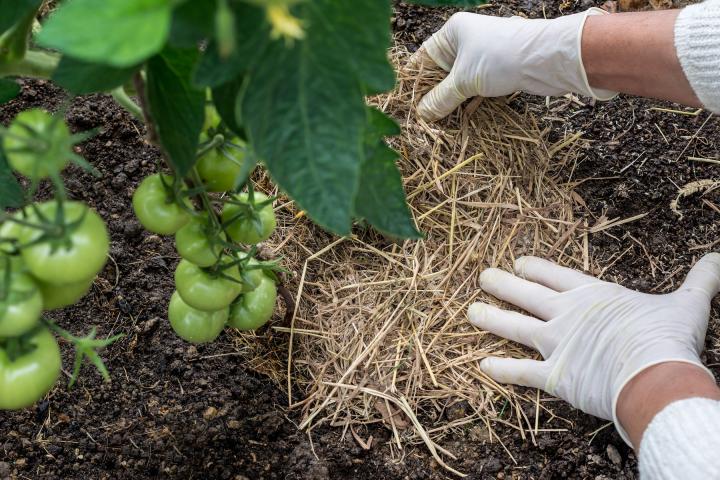
Start by clearing the garden bed of existing weeds. Spread mulch evenly around plants, leaving space near stems to prevent rot. Apply a layer about 2 to 3 inches thick for best results. Avoid piling mulch too high as it can trap moisture and harm plants. Refresh mulch each season to maintain its weed-suppressing power.
Soil Management Tips
Proper soil management plays a key role in controlling weeds naturally in your vegetable garden. Healthy soil supports strong vegetable growth, which helps crowd out weeds. Careful handling of soil can reduce weed seeds and prevent their growth.
Minimizing Soil Disturbance
Disturbing the soil too much brings buried weed seeds to the surface. These seeds then get sunlight and start to grow. Avoid deep digging or turning the soil often. Use no-till or low-till methods to keep weed seeds buried and inactive. This also helps maintain soil structure and moisture.
Light Cultivation Strategies
Light cultivation means gently working the soil surface. Use tools like a hoe or rake to break the top crust and remove small weeds. This stops young weeds from growing bigger. Do this carefully to avoid bringing up new weed seeds from deeper layers. Light cultivation also improves air flow and water penetration for your vegetables.
Timing Soil Preparation
Prepare the soil at the right time to limit weed growth. Work the soil a few weeks before planting vegetables. This allows weed seeds to sprout early. Then remove these young weeds before planting. After planting, avoid disturbing the soil to keep new weed seeds from emerging. Proper timing reduces weed competition with your crops.
Credit: growagoodlife.com
Manual Weed Removal
Manual weed removal is a natural and effective way to keep your vegetable garden free from unwanted plants. It helps protect your vegetables without using chemicals. This method requires some effort but gives great results. You can easily control weeds by pulling them out or using simple tools.
Hoeing And Hand Pulling
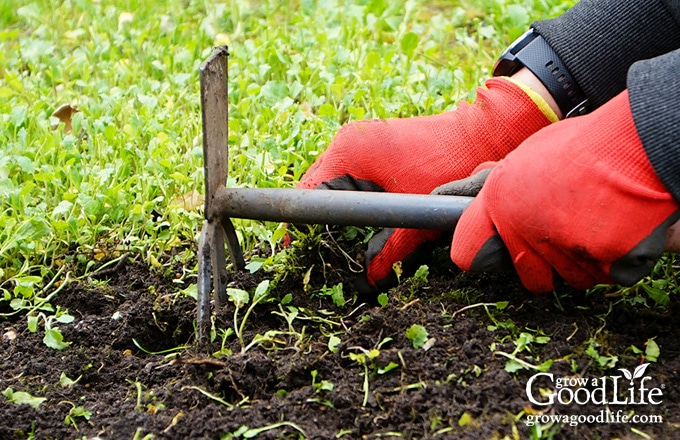
Hoeing is a quick way to cut weeds just below the soil surface. Use a sharp hoe to break the soil crust and stop weed growth. Hand pulling works best for weeds with deep roots. Grasp the base of the weed and pull slowly to remove the entire root. This prevents weeds from growing back quickly.
Flame Weeding Basics
Flame weeding uses a small torch to burn weed leaves. The heat breaks the weed cells, causing them to die. It works well for young weeds in between vegetable rows. Be careful not to touch your vegetables with the flame. Always use flame weeding on dry days to avoid fire risks.
When To Remove Weeds
Remove weeds early before they flower or spread seeds. Young weeds are easier to pull out and less likely to return. Check your garden often, especially after rain. Weeds grow faster in wet soil, so removing them quickly helps keep your garden clean. Regular weeding saves time and effort later.
Planting Techniques To Reduce Weeds
Reducing weeds naturally starts with smart planting techniques. These methods help crops grow strong and limit space for weeds. Good planting lowers the need for chemicals or heavy labor. Here are some effective ways to plant that keep weeds under control.
Dense Planting Strategies
Plant vegetables close together to block sunlight from weeds. Dense planting creates shade, stopping weed seeds from sprouting. It also helps soil stay moist longer, which benefits your crops. Choose fast-growing plants to fill empty spots quickly. This method cuts down weed growth without extra work.
Cover Crops For Weed Suppression
Cover crops are plants grown between main crops to cover soil. They act as a natural weed barrier by taking up space and nutrients. Common cover crops include clover, rye, and vetch. These crops improve soil health and stop weeds from growing. Cut or till cover crops before planting vegetables for best results.
Crop Rotation Benefits
Changing the type of vegetable grown each season confuses weed growth. Crop rotation prevents weeds from adapting to one plant type. It also helps keep soil balanced and healthy. Different plants use nutrients in various ways, reducing weed-friendly conditions. Rotate crops every year to keep weeds low and soil rich.
Seasonal Timing For Weed Control
Seasonal timing is key to controlling weeds naturally in a vegetable garden. Different seasons require specific approaches to keep weeds from taking over. Acting at the right time reduces weed growth and protects your vegetables. Planning your weed control by season helps maintain a healthy garden year-round.
Fall Weed Management
Fall is ideal for stopping weeds before winter. Many weeds store energy in their roots now. Removing them in fall weakens their growth next spring. Pull weeds by hand or use mulch to block sunlight. Cover bare soil with compost or leaves. This prevents weed seeds from sprouting.
Spring Weed Prevention
Spring is a critical time to stop weed seeds from growing. Prepare your soil by loosening it gently. Add organic mulch around your vegetables to block weeds. Hand-pull any young weeds early. This stops weeds from spreading seeds later. Water carefully to keep your plants strong and weeds weak.
Summer Maintenance Tips
Summer heat can help control weeds if you stay active. Pull weeds regularly before they flower and seed. Use mulch to keep soil moist and cool. Mulch also slows weed growth by blocking light. Avoid overwatering; dry soil reduces some weed types. Keep garden beds clean and check for new weeds often.
Safe Organic Herbicides
Safe organic herbicides offer a natural way to manage weeds in your vegetable garden. These products target unwanted plants without harming your vegetables or the environment. Using organic herbicides supports healthy soil and encourages beneficial insects. They work by breaking down quickly and leaving no toxic residues. Choosing the right organic herbicide depends on the type of weeds and the stage of their growth.
Post-emergent Options
Post-emergent herbicides attack weeds after they sprout from the soil. Common natural ingredients include vinegar, clove oil, and citrus oil. These substances burn weed leaves on contact, causing the plants to die. They work best on young, small weeds and may need repeated applications. Some products combine natural acids with soap to improve effectiveness. Post-emergent herbicides do not prevent new weeds from growing, so regular use is necessary.
Application Guidelines
Apply organic herbicides on calm, dry days to avoid drift. Spray directly onto weed leaves for best results. Avoid applying in strong sunlight to reduce leaf damage on nearby plants. Always follow the product label instructions carefully. Use a spray bottle or garden sprayer for even coverage. Reapply as needed, especially after rain or watering. Store unused herbicide safely away from children and pets.
Precautions Around Vegetables
Protect your vegetable plants during herbicide use by covering them or spraying early in the morning. Avoid herbicide contact with vegetable leaves and stems to prevent damage. Keep a safe distance when spraying near young or sensitive plants. Wash any vegetable that may have come into contact with herbicides before eating. Monitor treated areas to ensure weeds do not return. Using organic herbicides carefully helps maintain a healthy vegetable garden.
Frequently Asked Questions
How Do I Kill Weeds In My Garden Without Killing Vegetables?
Use mulch around vegetables to block weeds and hand-pull any that appear. Apply organic herbicides carefully on weeds only. Avoid soil disturbance to prevent new weed growth.
Is October Too Late To Spray For Weeds?
October is a good time to spray for broadleaf and winter annual weeds. They absorb herbicides well before winter. Apply products suitable for your grass type and follow label instructions for best results. Avoid treating warm-season lawns entering dormancy.
How To Clear A Vegetable Garden Full Of Weeds?
Clear a vegetable garden of weeds by hoeing or lightly cultivating. Apply organic herbicides or flame weed. Use mulch to block sunlight and prevent new weed growth. Regularly pull emerging weeds to maintain a clean garden.
What Kills Weeds Permanently Naturally In The Garden?
Vinegar, boiling water, and mulching kill weeds naturally and permanently by destroying roots and blocking sunlight. Regularly remove new growth.
Conclusion
Controlling weeds naturally helps keep your vegetable garden healthy. Using mulch, hand weeding, and natural covers reduces weed growth. These methods protect your plants and soil without chemicals. Regular care makes your garden stronger and more productive. Try these simple steps to enjoy a cleaner, greener garden.
Patience and consistency bring the best results. Keep your garden thriving the natural way.