
Tired of battling stubborn weeds that steal nutrients and space from your garden plants? You’re not alone.
Weeds can quickly take over, turning your beautiful garden into a messy, frustrating patch. But what if there was a simple, natural way to keep those unwanted invaders at bay while helping your plants thrive? That’s where mulch comes in.
Using mulch correctly can be your secret weapon to preventing weeds, retaining moisture, and improving your soil’s health. Keep reading, and you’ll discover easy, practical steps to use mulch effectively so you can enjoy a cleaner, healthier garden all season long.

Credit: www.eplinglandscaping.com
Benefits Of Mulching
Proper mulch application is key to keeping weeds out of your garden. Mulch blocks sunlight, stopping weed seeds from growing. It also helps keep moisture in the soil and improves soil health. Applying mulch correctly makes your garden look neat and protects your plants.
Correct Mulch Depth
Use the right depth for mulch to work well. Spread mulch about 2 to 3 inches deep. Too thin a layer lets weeds grow through. Too thick a layer can stop water and air from reaching roots. Keep the depth even for best results.
Avoiding Mulch Volcanoes
Do not pile mulch up against plant stems or tree trunks. This is called a mulch volcano and can harm plants. It traps moisture and causes bark to rot. Leave a small gap around trunks and stems. This keeps plants healthy and free from disease.
Layering Techniques
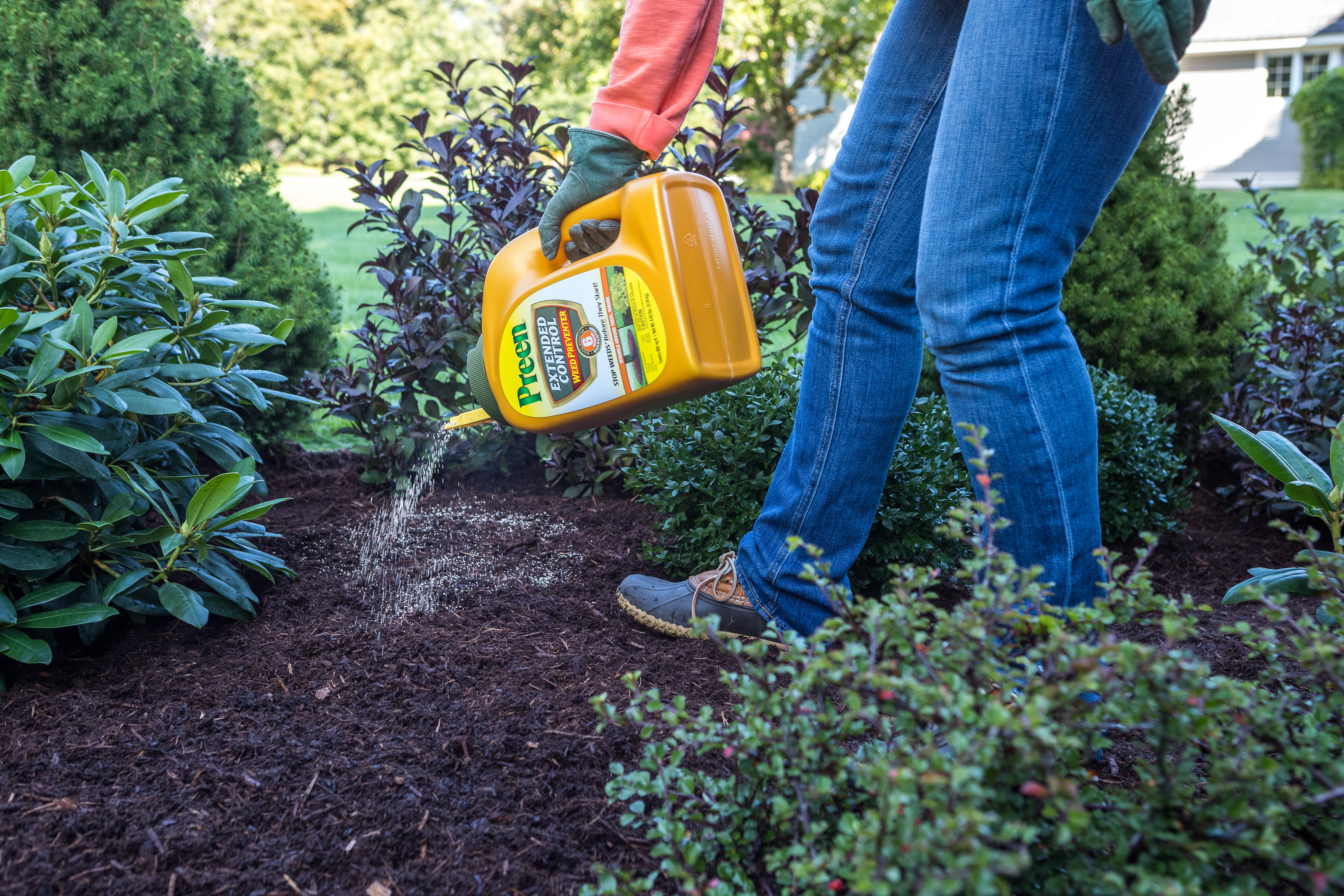
Layer mulch on top of a weed barrier like newspaper or cardboard. These layers block weed seeds better. Wet the barrier before adding mulch so it stays in place. Add mulch in loose layers for good air flow. This helps mulch break down and feed the soil.
Credit: www.preen.com
Choosing The Right Mulch
Maintaining mulched beds is key to keeping your garden healthy and weed-free. Mulch breaks down over time and can thin out, reducing its weed-blocking power. Regular care helps mulch do its job well. Simple steps keep your garden beds neat and plants happy.
Replenishing Mulch
Check your mulch layer every few months. Add a fresh 2-3 inch layer on top to keep weeds blocked. Spread mulch evenly, avoiding thick piles near plant stems. Fresh mulch improves soil moisture and temperature control.
Monitoring For Weed Growth
Look closely at your mulched beds often. Pull out any weeds that start to grow quickly. Weeds can still sprout if mulch gets thin or breaks down. Removing them early stops them from spreading and taking nutrients from your plants.
Watering Tips
Water your garden after adding mulch. Moist soil helps mulch settle and work better. Water deeply but less often to encourage strong roots. Avoid overwatering, which can cause mulch to decay fast and create a good environment for weeds.

Credit: www.reddit.com
Frequently Asked Questions
How To Prevent Weeds From Growing Through Mulch?
Spread a 2-3 inch layer of mulch evenly over soil. Use landscape fabric underneath. Water mulch to settle it. Apply weed preventer before mulching. Remove weeds before applying mulch to block sunlight and prevent growth.
What Is The 3-3-3 Rule For Mulch?
The 3-3-3 rule for mulch means applying 3 inches deep, keeping mulch 3 inches away from stems, and refreshing every 3 years.
Can I Just Put Mulch Over Weeds?
Putting mulch directly over weeds can smother small ones but won’t kill established roots. Clear weeds first for best results. Use a weed barrier or pre-emergent to prevent regrowth. Mulch helps suppress weeds but works best combined with proper weed removal and soil preparation.
What Do You Put Under Mulch To Prevent Weeds?
Place landscape fabric, cardboard, or several newspaper layers under mulch to block sunlight and prevent weed growth effectively.
Conclusion
Using mulch is a simple way to keep weeds under control in your garden. Spread a thick layer to block sunlight and stop weed seeds from growing. Mulch also helps keep soil moist and protects plant roots. Remember not to pile mulch against plant stems to avoid damage.
Regularly check your garden and add mulch as needed to maintain its effectiveness. With consistent care, mulch can reduce the time you spend weeding. Your garden will look neat, healthy, and vibrant throughout the season. Mulching truly supports strong plant growth and a beautiful yard.