
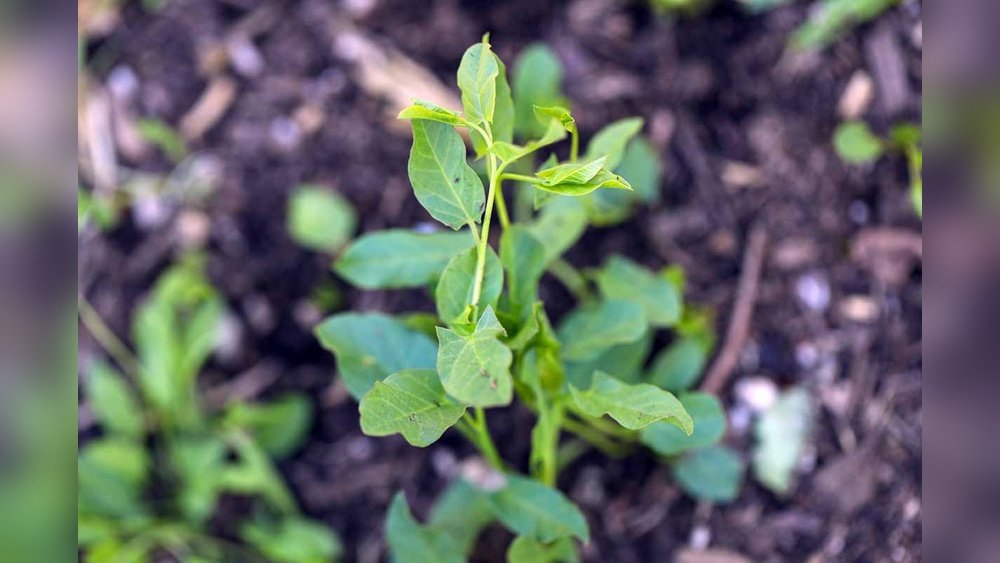
Bindweed can quickly take over your garden if you’re not careful. Its fast-growing vines and deep roots make it a tough weed to control.
If you’ve ever struggled to keep your plants healthy and your garden looking neat, you know how frustrating bindweed can be. But don’t worry—there are simple, effective ways you can prevent bindweed from invading your garden space. Keep reading to discover practical tips that will help you protect your garden and enjoy a beautiful, weed-free outdoor area all season long.
Bindweed Basics
Bindweed is a common weed many gardeners face. It spreads fast and is hard to remove. Understanding bindweed helps prevent it from taking over your garden. This section covers the basics of bindweed, its traits, and why it causes problems.
Knowing these facts lets you act early. You can protect your plants and keep your garden healthy.
Characteristics And Growth
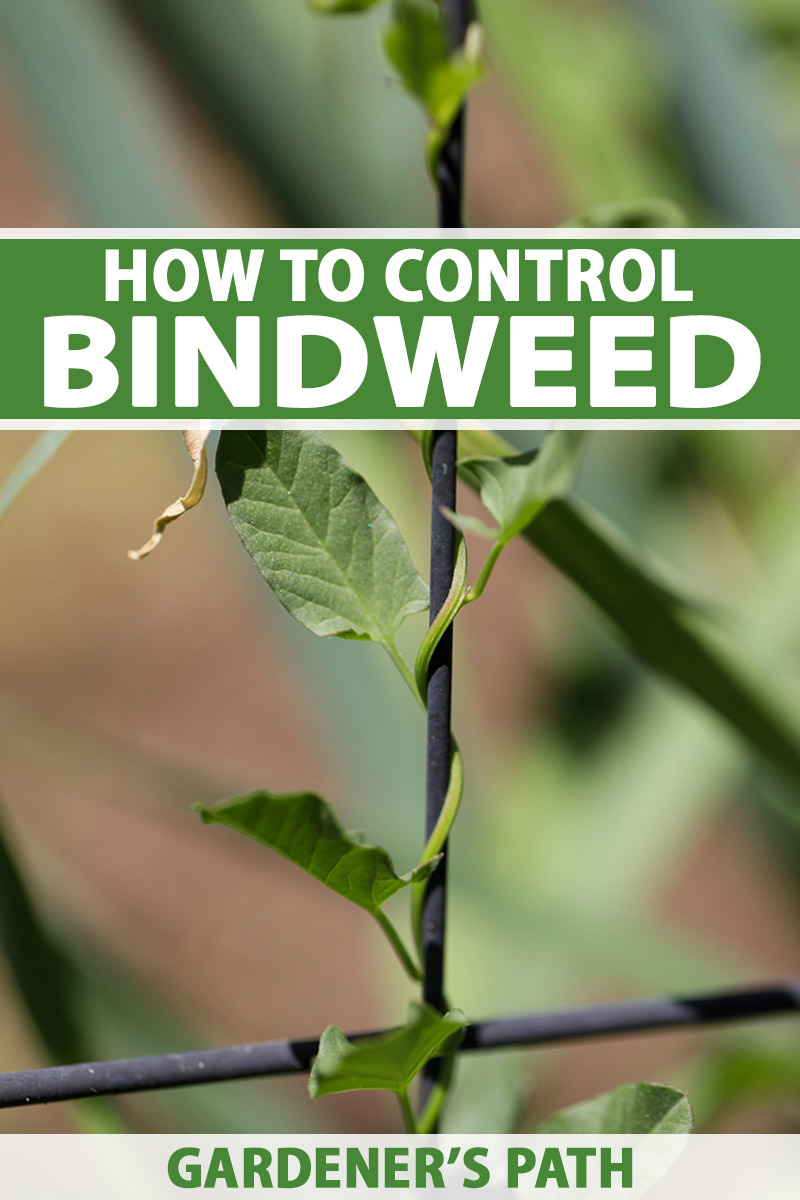
Bindweed has long, twisting stems. It climbs on other plants and structures. The leaves are arrow-shaped and dark green. It produces small, white or pink trumpet-shaped flowers. Bindweed grows from seeds and deep roots. Roots can go several feet underground. Even small root pieces grow new plants. It grows quickly in warm weather. Bindweed spreads across gardens, fields, and roadsides.
Why Bindweed Is A Problem
Bindweed steals water and nutrients from plants. It covers flowers and vegetables, blocking sunlight. This weakens or kills garden plants. Its roots compete with nearby plants underground. Bindweed is hard to remove fully. Cutting or pulling can leave root pieces behind. These pieces regrow into new plants. It also spreads seeds, making control harder. Left unchecked, bindweed can take over large areas. It lowers garden productivity and beauty.

Credit: www.gardenersworld.com
Early Detection
Early detection is key to stopping bindweed before it spreads widely. Catching this weed early saves time and effort later. Regular garden checks help spot bindweed quickly. Identifying and removing it in the beginning makes control easier. Use simple observation techniques to find bindweed in your garden.
Identifying Bindweed In Your Garden
Bindweed has arrow-shaped leaves that grow opposite each other. Its stems twist and climb nearby plants or structures. White or pink trumpet-shaped flowers appear in summer. The plant spreads through roots and seeds, making it hard to remove. Knowing its look helps you find it fast. Look for new shoots near the soil or climbing vines.
Best Times To Spot Bindweed
Early spring is the best time to spot bindweed shoots. Plants start growing after winter, making young shoots visible. Check your garden weekly during spring and summer. Flowering occurs from late spring to early fall. Spotting flowers helps confirm the weed’s presence. Inspect shaded and sunny areas, as bindweed grows in both.
Manual Removal
Manual removal is a natural and effective way to control bindweed in your garden. It requires patience and regular effort. Removing bindweed by hand helps protect your plants and soil from chemicals. Focus on digging out the roots, cutting the vines, and preventing root pieces from spreading. These steps reduce bindweed’s chance to grow back and spread.
Digging Out Roots
Bindweed roots grow deep and spread widely. Dig carefully around the plant to find all roots. Use a garden fork or spade to loosen the soil gently. Pull out every root you can see. Even small root pieces left behind can sprout new plants. Do this regularly, especially before bindweed flowers and seeds form. This weakens the weed over time.
Cutting And Hoeing Techniques
Cutting bindweed vines stops it from growing quickly. Use sharp garden shears to cut vines near the ground. Hoeing the soil helps to cut off new shoots early. Work the soil gently to avoid breaking roots into pieces. Do this often to keep bindweed from getting strong. Removing vines prevents the weed from spreading seeds.
Avoiding Root Fragment Spread
Bindweed spreads when root fragments move to new places. Avoid breaking roots into small pieces during digging or hoeing. Clean your tools after use to stop spreading roots. Do not throw bindweed waste in compost or garden beds. Dispose of it carefully to stop new plants from growing. Control root spread to protect your whole garden.
Credit: gardenerspath.com
Natural Control Methods
Natural control methods offer safe and eco-friendly ways to manage bindweed in your garden. These techniques work by using plants and insects to reduce bindweed growth. They avoid harsh chemicals, protecting your soil and nearby plants. Using natural methods supports a healthy garden ecosystem while keeping bindweed in check.
Using Cover Crops To Suppress Bindweed
Cover crops grow quickly and cover the soil tightly. This stops bindweed from getting sunlight and space to grow. Plants like winter rye, sorghum-sudangrass, and clover are good cover crops. They create a thick layer that chokes out bindweed seedlings. Plant cover crops early and keep them dense for best results.
Plants That Outcompete Bindweed
Certain plants grow faster and stronger than bindweed. Pumpkins, squash, and melons spread wide and shade the soil. This blocks bindweed from thriving. Sunflowers and other tall plants also compete for nutrients and light. Adding these plants helps crowd out bindweed naturally.
Encouraging Natural Predators
Some insects eat bindweed leaves and weaken the weed. Caterpillars like Bedellia somnulentella feed on bindweed vines. Spider mites and certain beetles also damage the plant. Attract these helpful insects by planting flowering herbs and avoiding pesticides. Natural predators reduce bindweed’s growth without harming your garden.
Chemical Options
Chemical options offer a way to control bindweed effectively. These treatments target the weed without harming other plants. Choosing the right herbicide and using it properly is key to success. Chemicals can reduce the spread and growth of bindweed in your garden.
Selective Herbicides
Selective herbicides target broadleaf weeds like bindweed. They do not damage grasses or many other garden plants. Glyphosate is a common choice but affects all plants, so use carefully. Herbicides with 2,4-D are often effective against bindweed. Apply these products during active growth for best results.
Safe Application Tips
Apply herbicides on dry, calm days to avoid drift. Use a shield or spray carefully to protect nearby plants. Follow label instructions for dosage and timing strictly. Wear gloves and protective clothing during application. Avoid spraying before rain to prevent washing away the chemical.
Risks And Precautions
Herbicides can harm beneficial plants if misused. Overuse may damage soil health and nearby wildlife. Keep children and pets away from treated areas until safe. Store chemicals in a cool, secure place out of reach. Always dispose of containers according to local regulations.
Preventive Measures
Managing bindweed in your garden requires a long-term commitment. This persistent weed can reappear if not controlled properly. Effective management involves continuous effort and a combination of strategies. Staying vigilant helps keep bindweed under control and protects your plants.
Persistence And Patience
Bindweed grows from deep roots that spread quickly. Removing it once is not enough. You must keep working on it for months or even years. Each time you remove the weed, fewer roots remain. Over time, the bindweed will weaken and stop growing.
Regular Monitoring
Check your garden often for new bindweed shoots. Early removal stops the weed from spreading seeds or roots. Look carefully around the edges and under plants. Regular checks prevent bindweed from taking over your garden again.
Combining Control Methods
Use several ways to control bindweed at once. Hand-pulling, digging, and covering with mulch all help. You can also grow plants that shade bindweed out. Combining methods works better than using just one. This approach reduces the chance of bindweed returning.

Credit: www.gardenersworld.com
Frequently Asked Questions
How Do I Keep Bindweed Out Of My Garden?
Dig out all bindweed roots thoroughly, especially in winter or early spring. Plant dense cover crops like sunflowers or squash to shade and suppress growth. Regularly hoe to cut shoots and prevent spread. Persistence and complete root removal prevent bindweed from returning.
What Plant Will Choke Out Bindweed?
Sunflowers, sorghum-sudangrass, and winter rye densely planted release enzymes that kill bindweed. Pumpkins, melons, and squash shade it out effectively.
Is It Better To Cut Or Pull Bindweed?
Pulling bindweed removes roots, preventing regrowth. Cutting only stops growth temporarily and can worsen spread. Pull thoroughly for best control.
What Is Bindweed’s Natural Enemy?
Bindweed’s natural enemies include defoliating caterpillars like Bedellia somnulentella, Chaetocnema confinis beetles, and spider mites. These insects help control bindweed by feeding on its leaves and stems, reducing its growth and spread naturally.
Conclusion
Preventing bindweed requires patience and regular care. Remove roots thoroughly to stop regrowth. Use dense planting to shade out unwanted vines. Keep an eye on new shoots and remove them fast. Consistent effort keeps your garden healthy and weed-free. Enjoy a beautiful garden without bindweed taking over.