
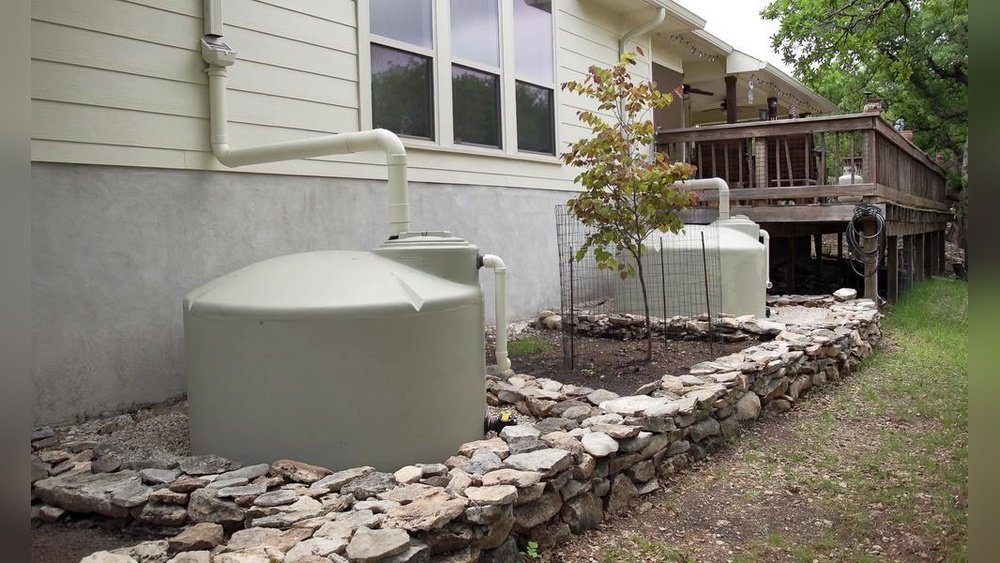
Imagine saving money on your water bill while giving your lawn the natural hydration it craves. Setting up a rainwater harvesting system for your lawn is a smart, eco-friendly way to do just that.
You don’t need to be an expert or spend a fortune to start collecting and using rainwater effectively. In this guide, you’ll discover simple steps to build your own system, how to avoid common pitfalls, and even tips on staying within legal limits in places like Austin, Texas.
Ready to make your lawn greener and your water use smarter? Let’s dive in and get your rainwater harvesting system up and running!
Benefits Of Rainwater Harvesting
Harvesting rainwater brings many advantages for your lawn and your home. It helps reduce water use and lowers bills. Collecting rainwater supplies your garden with natural, chemical-free water. These benefits make rainwater harvesting a smart choice for homeowners.
Water Conservation
Rainwater harvesting reduces the demand on city water supplies. It helps save water during dry periods. Using rainwater for your lawn means less groundwater and river water use. This practice supports sustainable water management in your community.
Cost Savings
Collecting rainwater can lower your water bills significantly. You use free rainwater instead of paid municipal water. The initial setup cost pays off over time. Saving water means spending less on irrigation and landscaping.
Lawn Health Improvement
Rainwater is soft and free from chemicals found in tap water. It helps plants absorb nutrients better and grow healthier. Using rainwater can reduce lawn diseases caused by hard water. Your grass will look greener and flourish naturally.
Environmental Impact
Harvesting rainwater reduces stormwater runoff and erosion. It helps prevent pollution of nearby streams and lakes. Less demand on public water systems means lower energy use and emissions. Rainwater harvesting supports a cleaner and healthier environment.
Check Local Regulations
Before setting up a rainwater harvesting system for your lawn, checking local regulations is essential. These rules can affect how you collect and use rainwater. Understanding them helps avoid legal issues and ensures your system works smoothly. Regulations vary widely by location, so learning about your area’s specific laws saves time and effort.
Water Rights And Restrictions
Water rights control who can use water and how much. Some states follow “first in time, first in right” rules. This means early users have priority over water use. Collecting rainwater might reduce water available to others downstream. In places with strict water rights, harvesting rainwater can be limited or banned.
State-specific Rules
States have different laws about rainwater harvesting. Some encourage it with few limits. Others, especially in dry areas, have strict rules. For example, Colorado and Utah restrict rainwater collection due to water scarcity. Check your state’s rules before installing a system. This helps you follow the law and protect local water resources.
Permits And Compliance
Some areas require permits to install rainwater harvesting systems. Permits ensure your system meets safety and environmental standards. You may need to submit plans and pay fees. Local agencies might inspect your setup. Following these steps avoids fines and legal trouble. Always confirm permit requirements with your city or county office.
Choose Collection System Components
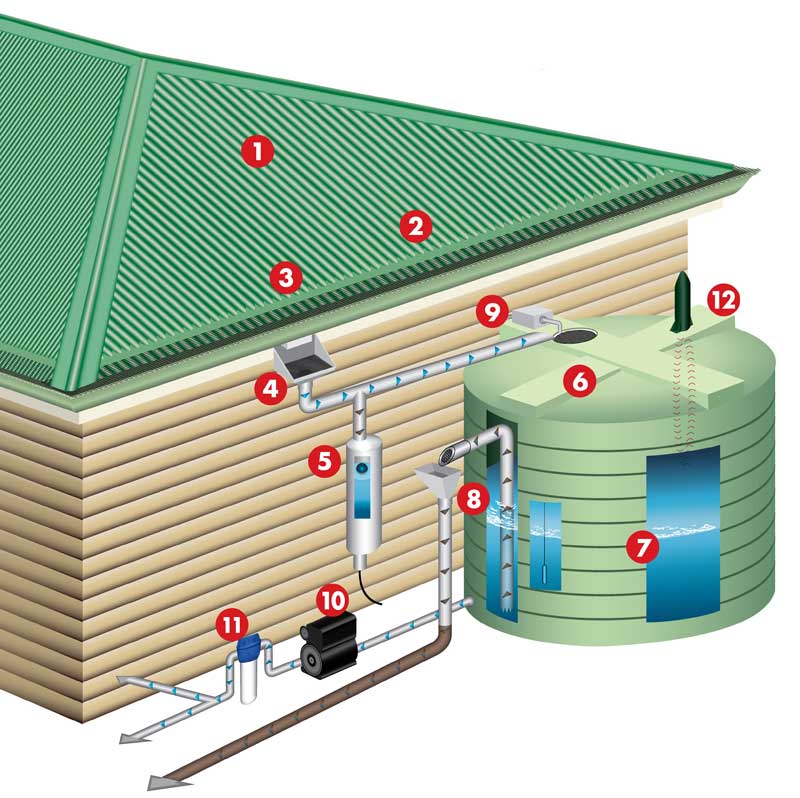
Choosing the right components for your rainwater harvesting system is essential. Each part plays a key role in collecting clean water efficiently. Proper selection helps you avoid common issues and keeps your lawn healthy. Focus on durable and compatible materials to build a reliable system.
Rain Gutters And Downspouts
Rain gutters catch water from your roof and direct it to storage. Choose gutters that fit your roof size and shape. Smooth, rust-resistant materials like aluminum or vinyl work best. Downspouts connect gutters to tanks or barrels. Ensure they are large enough to handle heavy rain without overflowing.
Storage Tanks And Barrels
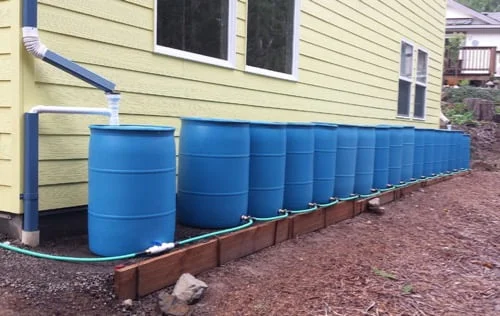
Storage tanks hold collected rainwater safely. Pick tanks made from food-grade plastic or metal to prevent contamination. Size your tank based on roof area and rainfall frequency. Barrels are a simple option for small yards. Place tanks on a stable, level surface for easy access and cleaning.
First-flush Diverters
First-flush diverters improve water quality by discarding the first flow of rain. This flow usually contains dirt, leaves, and roof debris. Installing a diverter protects your storage tank from contamination. It helps keep water cleaner for lawn irrigation and reduces maintenance needs.
Filters And Screens
Filters and screens stop debris from entering your system. Use leaf guards on gutters to block large debris. Fine mesh screens at downspouts catch smaller particles. Regularly clean filters to maintain good water flow. These components extend the life of your system and keep water clear.
Credit: www.watercache.com
Select The Right Location
Selecting the right location is crucial for an efficient rainwater harvesting system. The placement affects how much water you collect and its quality. Thoughtful choices help avoid problems and maximize benefits.
Roof Surface Selection
Choose a clean roof surface that collects rain easily. Metal, tile, and asphalt roofs work best. Avoid roofs with lead or asbestos materials. They can contaminate the water. Steep roofs help water flow faster to gutters. Flat roofs may need extra care to direct water properly.
Tank Placement
Place the tank close to the downspout for easy water flow. The ground should be level and firm to hold the tank’s weight. Avoid placing tanks near trees to reduce leaves and debris. Keep tanks away from areas where children play or pets roam. This keeps the system safe and accessible.
Avoiding Contamination
Keep the collection area clean to avoid water pollution. Clear gutters regularly to remove dirt and leaves. Use mesh screens to stop insects and debris from entering the tank. Avoid using water from roofs with overhanging trees. This reduces bird droppings and organic waste. Proper location keeps water clean and healthy for your lawn.
Install Gutters And Diverters
Installing gutters and diverters is a crucial step in setting up a rainwater harvesting system for your lawn. Gutters collect rainwater from your roof, guiding it to storage containers. Diverters help control the flow, directing clean water and filtering out debris. Proper installation ensures efficient water collection and protects your system from clogs and damage. Follow these simple steps to set up gutters and diverters correctly.
Gutter Setup Tips
Choose gutters made of durable materials like aluminum or vinyl. Install them along the roof edges where water runs off. Ensure the gutters slope slightly toward downspouts for smooth water flow. Secure gutters with brackets spaced every 2 to 3 feet. Clean the gutters regularly to prevent leaves and dirt buildup. Use gutter guards to reduce debris and maintenance efforts.
First-flush System Installation
A first-flush system keeps the initial dirty rainwater from entering your storage tank. It diverts the first few gallons of runoff, which contain dust and pollutants. Install a diverter or a small chamber on the downspout for this purpose. This system improves water quality and protects your tank from sediment. Regularly empty the first-flush chamber to keep it working well.
Downspout Connection
Connect downspouts from gutters to your rainwater storage tanks or barrels. Use flexible or rigid piping depending on your setup. Seal connections tightly to avoid leaks and water loss. Elevate storage tanks slightly to allow easy water flow and access. Add a mesh screen at the downspout entry to block large debris and insects. Test the system during rainfall to ensure water flows smoothly into the tank.
Set Up Storage Tanks
Setting up storage tanks is a key step in building an effective rainwater harvesting system for your lawn. These tanks hold collected rainwater, making it available for watering plants during dry periods. Choosing the right tank and installing it safely ensures your system works well and lasts a long time.
Tank Types And Sizes
Rainwater tanks come in many types, such as plastic, metal, and concrete. Plastic tanks are light, easy to move, and resist rust. Metal tanks are strong but may need coatings to prevent corrosion. Concrete tanks are very durable but heavy and costly.
Size depends on your lawn’s water needs and roof area. Small tanks hold 50 to 200 gallons, good for small gardens. Larger tanks store 500 to 5,000 gallons or more, ideal for bigger lawns or drought areas. Choose a size that fits your space and watering habits.
Safe Tank Installation
Place the tank on a flat, stable surface to avoid tipping or damage. Use a concrete pad or compacted gravel base for support. Keep the tank close to downspouts to reduce pipe length and water loss.
Ensure pipes connect tightly to avoid leaks. Install an overflow outlet to direct excess water away from your home’s foundation. Check local codes for tank placement rules and permits before installation.
Securing And Covering Tanks
Secure the tank to prevent movement during storms or strong winds. Use straps or brackets anchored to the ground or wall. This adds safety and protects your investment.
Cover tanks with a tight-fitting lid or screen to keep out debris, insects, and animals. A cover also prevents mosquito breeding. Regularly inspect and clean the cover to maintain water quality.
Connect Distribution System
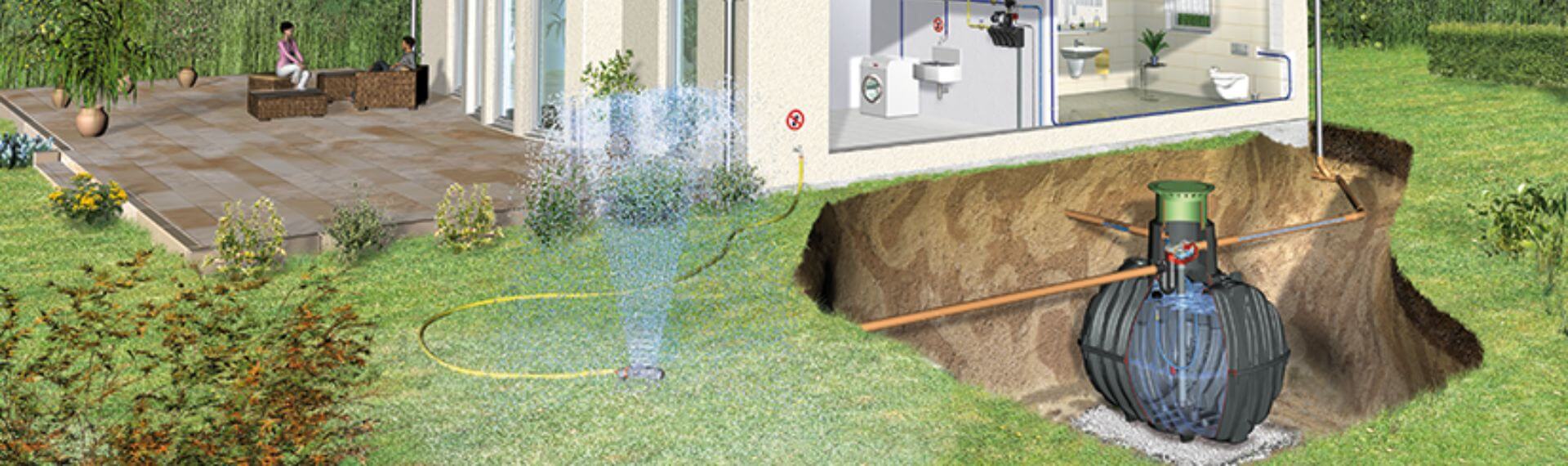
Connecting the distribution system is a vital step in setting up a rainwater harvesting system for your lawn. This system moves the collected rainwater from storage to where your plants need it most. Proper connection ensures efficient water delivery and conserves water effectively.
Pump Selection
Choosing the right pump depends on your lawn size and water needs. Small lawns may only need a low-power pump. Larger areas require pumps with higher flow rates and pressure. Select a pump that matches your system’s capacity for steady water flow.
Electric pumps are common for automatic systems. Solar pumps offer an eco-friendly option but may have lower power. Check pump durability and ease of maintenance before buying.
Irrigation Integration
Integrate your rainwater system with existing irrigation tools. Drip irrigation saves water by targeting plant roots directly. Sprinklers cover wide areas but use more water.
Connect pipes from the storage tank to your irrigation system. Use filters to avoid clogging. Proper integration reduces water waste and keeps your lawn healthy.
Manual Vs Automatic Systems
Manual systems require you to turn pumps or valves on and off. They cost less but need more effort. You control when and how much water flows.
Automatic systems use sensors or timers. They start and stop watering without your help. These systems save time and water but cost more upfront. Decide based on your budget and convenience needs.
Maintain The System
Maintaining your rainwater harvesting system is essential for its long-term performance. Regular upkeep keeps the system clean and efficient. It prevents damage and costly repairs. A well-maintained system ensures your lawn stays healthy with reliable water supply.
Regular Cleaning
Clean gutters and filters often to remove leaves and debris. This prevents blockages and keeps water flowing freely. Clean the storage tank every few months to avoid algae and dirt buildup. Use a mild soap and water solution for scrubbing. Rinse thoroughly to keep water quality high.
Inspecting For Leaks
Check pipes, joints, and the storage tank for leaks regularly. Small leaks waste water and reduce system efficiency. Look for wet spots or damp soil around the system. Repair cracks or holes with waterproof sealant or replace faulty parts. Early detection saves water and money.
Winterizing Tips
In cold climates, prepare your system for winter to avoid damage. Drain all water from pipes and tanks before freezing temperatures. Disconnect hoses and store them indoors. Cover the tank with insulation or a tarp to protect it. Proper winter care extends your system’s life.
Troubleshooting Common Issues
Setting up a rainwater harvesting system is a smart way to save water and keep your lawn green. Sometimes, problems can arise that stop the system from working well. Knowing how to fix these common issues helps keep your system running smoothly. This section covers three frequent problems and easy ways to solve them.
Clogged Filters
Filters catch leaves and dirt before water enters the tank. Over time, they can get blocked. This slows water flow and may stop water collection. Clean filters regularly by removing debris with a brush or hose. Check filters after heavy storms to clear any build-up. Replace filters if they show signs of wear or damage. Proper filter care keeps water flowing freely and prevents system damage.
Tank Overflow
Overflow happens when the tank fills faster than water can leave. It can cause water to spill and waste collected rain. Make sure the overflow pipe is clear and points away from your home’s foundation. Installing a larger overflow pipe helps if overflow happens often. Use a rainwater diverter to send extra water to garden beds or a drainage area. Controlling overflow protects your system and yard from water damage.
Water Quality Concerns
Rainwater can carry dust, bird droppings, or other pollutants. These reduce water quality and may harm plants. Use a first-flush diverter to discard the first water flow, which contains most contaminants. Regularly clean gutters and roof surfaces to lower dirt entering your system. Avoid using collected rainwater for drinking without proper treatment. Good maintenance ensures safe, clean water for your lawn.
Credit: www.wildabundance.net
Credit: www.graf.info
Frequently Asked Questions
Why Do States Ban Collecting Rainwater?
States ban rainwater collection mainly to protect existing water rights and ensure downstream water access. They also address groundwater recharge and public health risks like mosquito breeding. Restrictions vary by state, especially in arid regions with strict water laws. Always check local regulations before collecting rainwater.
How Fast Will A 50 Gallon Rain Barrel Fill Up?
A 50-gallon rain barrel fills in about 30 minutes to 2 hours during a moderate rain. Fill time depends on rainfall intensity and roof size.
How To Collect And Reuse Rainwater?
Collect rainwater using gutters and storage tanks. Use it for gardening, cleaning, or irrigation. Filter and cover tanks to prevent contamination and mosquitoes. Check local laws before installation to ensure compliance. Reuse rainwater to save water and reduce bills efficiently.
What Are The Disadvantages Of Rainwater Harvesting?
Rainwater harvesting can face legal restrictions due to water rights and regulations. It may cause mosquito breeding and requires maintenance. Large-scale collection can disrupt natural water cycles and groundwater recharge. Water quality might need treatment before use. Initial setup costs and space requirements can be limiting factors.
Conclusion
Setting up a rainwater harvesting system helps save water and reduce bills. It supports your lawn’s health naturally and uses resources wisely. With simple steps, you can collect rainwater safely and effectively. Remember to check local rules to avoid legal issues.
Start small, learn as you go, and enjoy greener, healthier grass. Rainwater harvesting benefits your garden and the environment alike. A smart choice for any lawn owner.